

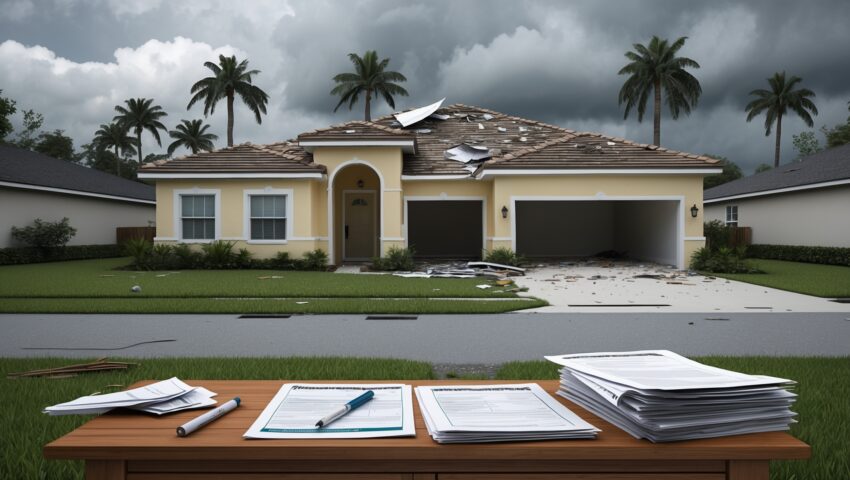
Introduction: Understanding the Realities of Home Insurance Denials in Florida
For Florida homeowners, insurance isn’t just a legal requirement—it’s the first line of defense against the state’s unique risks, from hurricanes to humidity-driven mold. Yet, far too many Florida residents find themselves shocked and frustrated when their legitimate home insurance claims are denied. The confusion is often fueled by pervasive myths, misinformation, and the complex language used by insurers. Navigating a denial isn’t just about knowing the law; it’s about understanding common misconceptions, learning from real-world outcomes, and having a clear action plan to challenge unfair decisions.
This comprehensive guide goes far beyond the basics. We’ll debunk the most widespread myths about insurance denials in Florida, analyze recent case studies that illustrate why claims fail or succeed on appeal, and outline step-by-step strategies for homeowners who want to overturn a denial. Whether you’re dealing with hurricane damage, water intrusion, or a fire-related loss, this article equips you with the nuanced knowledge needed to protect your investment and your rights. Let’s clarify what really happens when an insurance claim is denied and how you can turn the odds in your favor.
Florida Home Insurance Denials: The Landscape in 2024
Why Denials Happen More Often in Florida
Home insurance denial rates in Florida are among the nation’s highest, due to a combination of extreme weather events, rising insurance costs, and a complex regulatory environment. Insurers face major hurricane exposures, frequent water damage claims, and a surge in litigation over disputed losses. These factors have prompted companies to scrutinize claims more aggressively, sometimes leading to legitimate claims being rejected for technicalities or policy ambiguities.
- Weather-related claims: Hurricane, tropical storm, and flood incidents create high volumes of claims, stretching adjuster resources and increasing denial rates.
- Policy exclusions and limitations: Many Florida policies have unique exclusions (like mold, flood, or cosmetic damage) and high deductibles for hurricane losses. Misunderstanding these can lead to denials.
- Documentation requirements: Florida insurers may demand extensive proof of loss, detailed repair estimates, and evidence of mitigation efforts—failure to provide these can trigger a denial.
Denial Statistics: What the Data Shows
According to Florida’s Office of Insurance Regulation, roughly 15% of homeowners’ claims are denied outright, with higher rates following major storms. However, this number masks a key reality: many denials are later overturned on appeal, either internally or through mediation, arbitration, or litigation. Understanding why denials happen—and how to respond—is critical for homeowners looking to avoid unnecessary financial loss.
Debunking the Most Persistent Myths About Insurance Denials
Myth #1: “If My Claim Is Denied, I Have No Recourse.”
Fact: Denials are not the end of the road. Florida law gives you the right to appeal, seek mediation or appraisal, and even file complaints with state regulators. Many denials are reversed when homeowners present stronger evidence or clarify policy terms.
Myth #2: “Insurance Will Cover Every Type of Water or Storm Damage.”
Fact: Most standard home insurance policies in Florida exclude flood and some types of water intrusion (like groundwater seeping through slabs). Separate flood insurance is required for flood events, and mold coverage is often limited. Always review your policy’s exclusions in detail.
Myth #3: “A Denial Means I Made a Mistake in My Claim.”
Fact: While incomplete information or late reporting can hurt claims, many denials result from insurer interpretation of ambiguous policy language or disputed causation (e.g., was the roof leak due to a storm or wear and tear?). Sometimes, the denial is a negotiating tactic or a response to high claim volumes post-disaster.
Myth #4: “Legal Help Is Too Expensive or Unnecessary.”
Fact: In Florida, many insurance attorneys work on a contingency basis, and legal fees are often recoverable from insurers if you prevail. Seeking legal advice after a complex denial is often cost-effective, especially for high-value claims.
Case Studies: Real Florida Home Insurance Denials and Appeals
Case Study 1: Hurricane Roof Damage—Initial Denial Overturned
- Scenario: After Hurricane Ian, a homeowner in Lee County filed a claim for roof damage and interior water intrusion. The insurer denied the claim, citing “pre-existing wear and tear.”
- Action: The homeowner obtained an independent roofer’s report showing storm-caused shingle uplift and submitted dated photos of the pre-storm roof condition.
- Outcome: On internal appeal, the insurer reversed its decision and paid out for full roof replacement and interior repairs.
- Lesson: Third-party expert documentation and before/after evidence are powerful tools against denial based on alleged pre-existing damage.
Case Study 2: Water Damage Claim—Denied for Late Reporting
- Scenario: A Miami homeowner discovered hidden water damage under kitchen cabinets weeks after a heavy rainstorm. The claim was denied because it was filed more than 14 days after the incident, per policy requirements.
- Action: The homeowner produced evidence of ongoing efforts to identify the source, including plumber invoices and a timeline of discovery.
- Outcome: After mediation, the insurer agreed to partial payment, recognizing reasonable delay due to latent discovery.
- Lesson: Timely reporting is crucial, but reasonable explanations—with documentation—can sometimes overcome strict deadlines, especially if damage was not immediately apparent.
Case Study 3: Mold Exclusion—Denial Upheld
- Scenario: After a small roof leak, a Clearwater homeowner found extensive mold growth in the attic. The insurer denied the claim, citing a policy exclusion for “long-term mold and fungus.”
- Action: The homeowner appealed, arguing the mold resulted directly from a covered peril (the roof leak).
- Outcome: The denial was upheld, as the policy only covered mold if it resulted from a sudden and accidental event, and the leak was deemed slow-developing.
- Lesson: Policy exclusions for mold are often ironclad. Rapid mitigation and clear causation are essential for coverage.
Case Study 4: Fire Loss—Partial Denial Resolved via Appraisal
- Scenario: A Jacksonville homeowner suffered a kitchen fire. The insurer agreed to pay for smoke damage cleanup but denied coverage for cabinetry replacement, arguing pre-existing wear.
- Action: The homeowner invoked the policy’s appraisal clause, hiring an independent appraiser.
- Outcome: The appraisal panel sided largely with the homeowner, resulting in a higher payout for restoration.
- Lesson: Alternative dispute resolution (appraisal, mediation) can often break deadlocks without litigation.
Common Reasons for Denials—and How to Address Them
1. Policy Exclusions and Limitations
Insurers frequently deny claims citing policy exclusions, such as:
- Flood or surface water damage (unless you have separate flood insurance)
- Mold or fungi exclusions
- Negligence or failure to maintain the property
- Cosmetic or pre-existing damage
Always review your policy in detail, especially the “Exclusions” and “Conditions” sections. If you’re unclear, request a written explanation from your insurer referencing the exact policy language used for denial.
2. Insufficient Documentation
Lack of detailed documentation is a leading cause of denial. Insurers may reject claims if you fail to provide:
- “Before” and “after” photos of damage
- Receipts for repairs or mitigation efforts
- Independent repair estimates
- A detailed proof of loss statement
Pro tip: Keep a digital folder with annual photos of your property, major upgrades, and scanned receipts. After a loss, document every step and communication.
3. Missed Deadlines or Late Reporting
Most Florida home insurance policies require claims to be reported promptly (often within days or weeks). Delays can result in automatic denial. If you discover damage late (e.g., hidden leaks), document your discovery process and provide a timeline when filing your claim.
4. Disputed Cause of Loss
Insurers may argue that damage was due to a non-covered cause (e.g., wear and tear vs. storm damage). Independent expert reports, weather records, and detailed photos can help establish causation.
5. Inadequate Mitigation Efforts
Policyholders are expected to take “reasonable steps” to prevent further damage after a loss. Failing to tarp a roof, dry out a flooded area, or secure broken windows can lead to denial or reduced payouts. Always document your mitigation efforts and keep receipts for emergency repairs.
Step-by-Step Guide: How to Appeal a Home Insurance Denial in Florida
Step 1: Carefully Review the Denial Letter
Insurers must provide a written explanation for claim denials, citing specific policy provisions. Read this letter closely, compare it to your policy, and note any unclear or ambiguous language.
Step 2: Gather and Organize All Documentation
- Claim submission forms
- Photos and videos of damage
- Receipts and repair estimates
- Correspondence with your insurer and adjuster
- Expert reports, if available
Organize these in chronological order and back up digital copies.
Step 3: Request a Detailed Explanation
If the denial letter is vague, request a more detailed explanation in writing. Ask the insurer to reference the exact policy sections and explain their interpretation.
Step 4: Submit a Formal Written Appeal
Prepare a concise, factual appeal letter. Include:
- A summary of the loss and claim history
- Why you believe the denial is incorrect (with policy references)
- New or additional evidence (photos, reports, receipts)
- A clear request for claim reconsideration
Send your appeal via certified mail or another trackable method.
Step 5: Explore Alternative Dispute Resolution
If the appeal is unsuccessful, Florida law provides several options:
- Mediation: The Florida Department of Financial Services (DFS) offers a free mediation program for disputed claims. A neutral mediator helps both sides negotiate a settlement.
- Appraisal: If your policy includes an appraisal clause, you and the insurer each hire independent appraisers, who select a neutral umpire to resolve the dispute.
- Filing a Complaint: You can file a complaint with the DFS if you believe the insurer acted unfairly or in bad faith.
Step 6: Seek Legal Assistance if Needed
If all else fails, consult an attorney experienced in Florida insurance law. Many work on contingency and only collect fees if you win or settle. Legal action may be warranted for large or complex claims, or if the insurer is acting in bad faith.
Pro Tips for Preventing Denials Before They Happen
- Review your policy annually: Make sure you understand what is and isn’t covered, especially after major renovations or changes in occupancy.
- Keep thorough records: Maintain updated photos, receipts, and maintenance logs.
- Report losses promptly: Don’t delay—notify your insurer as soon as you discover damage.
- Mitigate further damage: Take reasonable emergency measures and save all receipts.
- Request clarification in writing: If you’re unsure about coverage, seek written confirmation from your insurer or agent before a loss occurs.
Frequently Asked Questions About Florida Insurance Denials
Is it worth appealing a denied claim?
Yes. Many Florida denials are reversed or settled for higher amounts on appeal, especially with additional documentation or expert support.
How long does the appeal process take?
Appeals can take anywhere from a few weeks (for simple errors) to several months (if mediation or appraisal is needed). Litigation can extend the timeline considerably.
Can I switch insurance companies after a denial?
Yes, but be aware: prior denials and open claims must be disclosed to new insurers and may affect rates or eligibility.
Conclusion: Turning a Denial Into an Opportunity for Stronger Protection
Receiving a denial on your Florida home insurance claim is frustrating, but it’s far from the end of your options. The key is education, documentation, and persistence. By debunking common myths, learning from real-world case studies, and following a structured appeal process, you can dramatically improve your odds of a favorable outcome. Insurers rely on policyholders not understanding their rights or the nuances of policy language—don’t let a lack of information cost you thousands of dollars in uncovered losses.
Remember, your best defense is to be proactive: review and update your policy annually, keep meticulous records, and act quickly after any damage. If you face a denial, don’t go it alone—leverage Florida’s consumer protection resources, consult independent experts, and, when needed, seek legal counsel. Ultimately, every denial is also a learning opportunity to improve your future preparedness and resilience. By understanding the realities of the insurance landscape and advocating for your interests, you can ensure that your Florida home remains protected, no matter what challenges arise.
If you’ve recently experienced a denial, start with the steps in this guide and don’t hesitate to seek support. With the right knowledge and determination, a successful appeal is absolutely within reach.
As someone who’s had water damage claims in the past, I’m curious about how successful appeals usually are in those cases. Do you have examples from your case studies about when water intrusion claims have been accepted on appeal?
Yes, in our article, we discuss real situations where homeowners appealed water damage claim denials and achieved positive results. For example, one case involved a claim originally denied due to alleged poor maintenance, but the homeowner provided photos and maintenance records on appeal, leading to a successful reversal. The key factors in these cases tend to be clear documentation, timely reporting, and evidence that the damage was sudden and accidental rather than gradual or neglected.
I noticed you mentioned that legitimate claims in Florida can get denied due to technicalities or policy ambiguities. Could you explain what some of those common technicalities are so I know what to look for in my own policy?
Absolutely, some common technicalities that lead to claim denials in Florida include missing filing deadlines, not providing prompt notice of damage, exclusions for certain types of water or hurricane damage, and unclear definitions for terms like “flood” or “windstorm.” It’s important to review your policy for these conditions and keep records of all communications with your insurer to help avoid issues.
If a homeowner’s claim for water damage is denied in Florida, how long does the appeal process usually take, and are there any deadlines we need to watch out for when starting an appeal?
In Florida, you typically have up to 90 days from the date of denial to file an appeal or request a reconsideration with your insurer. The appeal process duration can vary, but it often takes anywhere from a few weeks to several months, depending on the complexity of your case and the insurer’s response time. Be sure to check your denial letter and policy for any specific deadlines or requirements.
If my homeowner’s insurance claim in Florida was denied because of so-called technicalities, like missing a filing deadline after a hurricane, does the article explain whether there are exceptions or ways to appeal these timing issues?
Yes, the article addresses situations where claims are denied due to technicalities like missed deadlines. It explains that while insurers often cite deadlines, there may be exceptions, especially after major disasters such as hurricanes. The article suggests that policyholders can sometimes appeal by providing reasons for the delay or showing that circumstances, like power outages, made timely filing impossible. It also outlines steps for formally appealing these denials.
With rising insurance costs in Florida, I’m worried about investing too much time and money into an appeal that might not work out. Are there any tips in your article for figuring out whether it’s even worth appealing a denial in the first place, based on the type of damage or the reason for denial?
Yes, the article does address how to assess whether appealing a denial is worthwhile. It suggests reviewing your policy details, the specific reasons for denial, and the type of damage involved. If the denial is based on something clearly excluded in your policy, an appeal may not succeed. However, if there’s ambiguity, missing documentation, or past successful appeals for similar cases, it might be worth pursuing. The article encourages weighing the potential financial benefit against the time and effort involved before deciding.
The article says step-by-step strategies for appealing denials are discussed. Could you walk through what the very first step should be if I get a denial letter, especially for a water-related claim?
When you receive a denial letter for a water-related claim, your very first step should be to carefully review both the denial letter and your insurance policy. Make sure you understand exactly why your claim was denied and what specific policy language is being cited. This will help you determine if the denial is valid or if you have grounds to appeal.
Given the complex regulatory environment and increased scrutiny from insurance companies, do you have any suggestions for small business owners on how to budget for potential appeal costs or unexpected out-of-pocket expenses if a claim is denied?
Small business owners should consider setting aside a contingency fund specifically for insurance-related expenses, including appeal costs and any out-of-pocket payments if a claim is denied. It’s wise to review your policy annually and have a clear understanding of coverage gaps. Consulting with an insurance advisor can help estimate potential costs. Budgeting a percentage of your annual operating expenses for these possibilities can give you greater financial security if an appeal becomes necessary.
In one of your case studies about Florida homeowners appealing denials, what strategies actually made appeals successful? Was it mainly documentation, legal representation, or something else that seemed to turn things around?
In the case studies we shared, the most effective strategy for successful appeals was providing detailed documentation—such as photos of damage, repair receipts, and inspection reports. While legal representation helped in more complex cases, many homeowners improved their chances by clearly organizing evidence and directly addressing the insurer’s reasons for denial. Persistence in follow-up communications also played a key role.
You discussed policy ambiguities leading to rejections. How can someone tell if their policy has ambiguous language that might put their future claim at risk, and what should they do if they spot it?
To check for ambiguous language in your policy, look for vague terms or clauses that aren’t clearly defined, such as ‘wear and tear’ or ‘maintenance issues.’ If you’re unsure what something means, it’s a good idea to ask your insurance agent for clarification in writing. If you find wording that seems open to interpretation, consider having an attorney or a licensed public adjuster review your policy. Addressing ambiguities before a claim arises can help protect you from future denials.
With insurance companies being more aggressive about denying claims after hurricanes, what steps should I take immediately after storm damage to avoid common reasons for denial highlighted in your article?
After a hurricane, document all damage right away by taking clear photos and videos of your property, both inside and outside. Save any receipts for urgent repairs and keep a detailed list of damaged items. Notify your insurance company as soon as possible, and avoid throwing away damaged items until your adjuster has seen them. Review your policy for coverage limits and exclusions, and write down all communication with your insurer. These steps address the most common denial reasons discussed in the article.
The article mentions policy ambiguities leading to denials. How can I tell if my own policy might have loopholes or technicalities that could be used against me, especially with all the recent changes in Florida regulations?
To spot possible loopholes or ambiguities in your home insurance policy, carefully review any vague or unclear language—especially in coverage, exclusions, and definitions. Pay close attention to recent endorsements or amendments, as Florida regulations have changed. If something seems confusing, ask your insurer for clarification in writing or consult a licensed insurance agent or attorney familiar with Florida law to review your policy for potential problem areas.
You mention that litigation over disputed losses is on the rise in Florida. How long does the typical appeal process take from the initial denial to a final resolution, especially for hurricane-related claims?
The length of the appeal process for a denied Florida home insurance claim, especially for hurricane-related losses, can vary. Generally, a straightforward appeal through your insurer might take a few weeks to a few months. However, if the dispute escalates to litigation, it can take anywhere from several months to over a year for a final resolution, depending on court schedules and case complexity.
You mentioned that a lot of claims get denied for technicalities or policy ambiguities. Can you give examples of what kind of technicalities insurers usually point to when turning down legitimate hurricane damage claims?
Insurers often deny hurricane damage claims due to technicalities like missed filing deadlines, insufficient documentation, or unclear proof of damage caused directly by the hurricane. They might also cite exclusions for flooding versus wind damage, arguing the policy only covers one type. Discrepancies in how damage is reported or failure to follow certain reporting procedures can also lead to denials, even if the claim is otherwise legitimate.
If your claim is denied due to a supposed paperwork issue, what’s the best first step to take to make sure you don’t miss any appeal deadlines?
If your claim is denied because of a paperwork issue, the best first step is to carefully review the denial letter for information about why it was rejected and the specific deadlines for an appeal. Insurance companies in Florida are required to include this information. Make note of the deadline, organize your paperwork, and respond as soon as possible to avoid missing your chance to appeal.
The article talks about a surge in litigation tied to home insurance denials. Is challenging a denial in court common, or are there faster, less stressful ways for busy parents like me to appeal a rejected claim?
Challenging a home insurance denial in court does happen, but it’s usually a last resort because it can be time-consuming and stressful. Many homeowners first try less formal options, like requesting a reconsideration from the insurer, working with a public adjuster, or using mediation services. These steps are often faster and less demanding, especially for busy parents.
In the case studies you referenced, were there any particular steps or documentation that seemed to make a significant difference in successful appeals, especially for hurricane-related damage?
Yes, in the hurricane-related case studies, homeowners who provided detailed before-and-after photos, professional repair estimates, and thorough documentation of the storm event saw much better outcomes in their appeals. Promptly submitting these materials and keeping a record of all communications with the insurer seemed to play a key role in getting denials overturned.
Can you clarify how homeowners can distinguish between a denial based on a genuine technicality and one where the insurance company is just being overly strict? The article mentions policy ambiguities, and I’d like more detail on how to spot if that’s what caused my claim to get rejected.
To tell the difference, review the denial letter closely. If the insurer cites specific policy language or a technical requirement you clearly didn’t meet (like missing a filing deadline), it’s likely a technicality. If the denial uses vague terms or points to unclear sections of your policy, that could be due to policy ambiguity or the company applying overly strict interpretations. In such cases, compare their explanation to your policy wording. If things don’t match up or seem unclear, consider consulting a public adjuster or attorney for a second opinion.
The article mentions that water intrusion claims are often rejected here in Florida. Are there preventative steps I can take during the application process or after a storm that would improve my chances if I ever have to file a claim?
Yes, you can take steps both before and after a storm to strengthen your position if you ever need to file a water intrusion claim. During the application process, provide thorough documentation of your home’s condition, including clear photos and any recent inspection reports. After a storm, document any damage immediately with photos and keep records of all repairs or mitigation efforts, like drying out affected areas. Promptly report damage to your insurer and keep receipts for related expenses. These actions can help prevent claim denials and show that you’ve taken reasonable care to protect your property.
Since the article explains that regulatory issues also play a role in high denial rates, are there any state-level resources or agencies in Florida that can help if I feel my claim was denied unfairly?
Yes, in Florida you can reach out to the Florida Department of Financial Services (DFS), which includes the Division of Consumer Services. They assist consumers who believe their insurance claim was wrongly denied. You can file a formal complaint with them, and they will review your case, possibly mediating between you and your insurer. This is a helpful route if you feel your denial was unjust.
If my home insurance claim is denied in Florida, do you think it’s smarter to appeal by myself or should I immediately get a lawyer involved? The case studies you referenced got me wondering about which approach tends to work best.
If your claim is denied, trying to appeal on your own can work for straightforward issues—especially if you have clear documentation and understand your policy. However, if your case is complicated, involves large sums, or the insurer isn’t responsive, involving a lawyer early may increase your chances. The case studies showed that legal help made a difference when appeals became complex or insurers were tough to negotiate with.
I’ve heard about policy ambiguities causing denials, but how can a homeowner actually spot these ambiguities before filing a claim? Are there any warning signs in the policy language we should be aware of in advance?
Ambiguities often show up as vague or broad terms in your policy, like ‘sudden loss’ or ‘maintenance issues’ that aren’t clearly defined. Watch for sections where coverage or exclusions are described with language like ‘may’ or ‘could include.’ If anything seems unclear or open to interpretation, that’s a red flag. Reviewing your policy with a licensed insurance agent or attorney can also help clarify any confusing areas before you file a claim.
Your article mentions case studies about claims that succeed on appeal. Are there any patterns or common factors in those successful appeals that Florida homeowners could try to replicate in their own situations?
Yes, there are some clear patterns in successful home insurance appeals from the case studies. Homeowners who kept detailed records, provided strong documentation (like photos, receipts, and inspection reports), and responded quickly to insurer requests tended to have better outcomes. Many also got expert support, such as legal advice or professional estimates, to strengthen their appeal. Being persistent and following up regularly made a difference, too.
Are there any cost-effective ways for business owners like me to proactively reduce the chances of a home insurance denial, especially with the increased risks from storms and water intrusion in Florida?
Business owners can take several affordable steps to lower the risk of a home insurance denial in Florida. Regularly maintain your property, especially roofs and plumbing, to prevent water damage. Install storm shutters and ensure proper drainage around your building. Keep detailed maintenance records and promptly address any issues insurers might flag. These actions show insurers that you’re proactive, which can help during underwriting and if you ever need to file a claim.
If a homeowner’s claim is denied after a major weather event like a hurricane, what is the first step they should take before filing an appeal? Is it better to hire an adjuster or consult an attorney at this stage?
Before filing an appeal after a hurricane claim denial, the homeowner should carefully review the denial letter and their policy to understand the insurer’s reasons. Gathering documentation and photographic evidence of the damage is also crucial. At this stage, hiring a public adjuster to independently assess the damage can be helpful. Consulting an attorney is usually more appropriate if negotiations with the insurer or adjuster don’t resolve things or if the situation becomes legally complex.
If a claim is denied and I want to challenge it, how long does the typical appeal process take in Florida before a final decision is made? Is there anything I can do to speed it up if I need repairs urgently?
In Florida, the home insurance appeal process usually takes anywhere from a few weeks up to a couple of months, depending on your insurer and the complexity of the case. To help speed things up, submit all required documents promptly, keep detailed records of communications, and consider hiring a public adjuster or attorney if time is critical. Let your insurer know if urgent repairs are needed—they may approve emergency repairs to prevent further damage even during the appeal.
If my claim is denied because my policy supposedly excludes certain water damage, but the language seems confusing, is it advisable to hire a public adjuster before starting the appeal? Or should I try to handle the first steps on my own to save costs?
If your policy language is confusing and the water damage exclusion isn’t clear, you can start by reviewing your policy and contacting your insurer for clarification. However, if you feel uncertain or if the insurer isn’t responsive, hiring a public adjuster early can help ensure your appeal is properly prepared. Consider your comfort level with insurance terms and the claim’s complexity before deciding.
The article mentions that Florida insurers often reject claims because of policy ambiguities or technicalities. Could you share examples of what kinds of technicalities trip up homeowners the most, especially with hurricane or water damage claims?
Certainly! Common technicalities that lead to denied claims often include filing deadlines—homeowners sometimes miss the short window to report hurricane or water damage. Another frequent issue is the insurer claiming lack of proper maintenance, for example, saying water intrusion happened because of an old roof. Also, many policies have exclusions for certain types of water, such as flood versus wind-driven rain, which can be confusing during hurricane season.
I’m new to handling insurance stuff and I had no idea that legitimate home claims in Florida could get denied just because of technicalities or confusing policy language. Could you give an example of what sort of policy ambiguity might lead to a denial, especially after hurricane damage?
A common example of policy ambiguity is wording around ‘wind-driven rain.’ After a hurricane, some insurers may deny coverage by claiming water entered the home through windows or doors, not a covered ‘opening’ caused directly by wind. The policy might not clearly define what damage is covered, so disagreements about whether the hurricane caused the opening can lead to denied claims.
I’ve heard that a lot of claims in Florida get denied just because of small technical issues in the paperwork. Can you explain what kinds of technicalities are most common, and how homeowners can avoid making those mistakes when filing a claim?
Common technical issues leading to claim denials in Florida include missing signatures, incomplete forms, incorrect policy numbers, or failing to provide requested documentation like photos or repair estimates. Homeowners can avoid these mistakes by carefully reviewing all paperwork, double-checking details, and following the insurer’s instructions closely. It also helps to keep organized records and, if unsure, ask your insurance agent or a professional for guidance before submitting your claim.
The article talks about real case studies of homeowners who succeeded on appeal. Is there an example where someone was initially denied due to mold but won on appeal, and what made the difference in their case?
Yes, the article includes a case where a homeowner was initially denied coverage due to mold damage. The key factor in their successful appeal was providing expert documentation that showed the mold was caused by a sudden plumbing leak—a covered peril—instead of poor maintenance. This evidence, along with a detailed timeline and photos, persuaded the insurer to reverse the denial and cover the claim.
I’m new to dealing with home insurance and I find the whole process really intimidating. Are there any common mistakes first-time homeowners like me make that I should watch for when filing a claim or an appeal in Florida?
Absolutely, there are a few pitfalls first-time homeowners often encounter. Many people forget to document damage thoroughly with photos or don’t keep detailed records of communication with their insurer. Missing deadlines is another frequent issue—Florida has strict timelines for claims and appeals. It’s also crucial to review your policy so you know what’s covered before filing. Staying organized and proactive can make the process much smoother.
The article says that hurricane and water damage claims are heavily scrutinized and denied more often in Florida. Are there any recent case studies where homeowners actually won on appeal in these situations, and what was key to their success?
Yes, the article highlights a few recent cases where Florida homeowners succeeded in appealing hurricane and water damage claim denials. The keys to their success were thorough documentation of damage, prompt communication with their insurer, and often hiring an independent adjuster or legal expert. Presenting detailed photos, repair estimates, and proof of maintenance helped counter insurer arguments and proved the damage was storm-related and covered by their policy.
With insurance companies tightening their criteria in Florida, is there any proven way for homeowners to avoid having their legitimate claims denied in the first place, especially for things like water damage?
To reduce the risk of having a legitimate claim denied, especially for water damage, keep detailed records of property maintenance and repairs, address issues like leaks or roof problems promptly, and document damage with clear photos and receipts. Review your policy carefully so you understand coverage limits and exclusions. Notifying your insurer immediately after discovering damage and following their claims process closely can also make a difference.
I’m trying to wrap my head around the difference between flood and water intrusion claims since Florida insurers seem to deny a lot of both. How should I document water damage to avoid having my claim rejected on a technicality?
Flood claims usually involve water entering from outside, like during heavy rain or rising water, while water intrusion claims relate to issues like leaks, burst pipes, or roof damage. To avoid claim denials, document damage immediately with clear photos and videos, keep records of repairs or maintenance, save receipts, and note the date and time the damage occurred. Provide a detailed written description of the incident when filing your claim.
The article talks about the high rate of legitimate claims being denied in Florida due to hurricanes and water damage. How long does the appeal process usually take if I want to challenge a denial, and is there a way to speed it up?
The appeal process for a denied home insurance claim in Florida typically takes anywhere from several weeks to a few months, depending on the complexity of your case and how quickly you submit your documentation. To speed things up, make sure you provide all requested evidence, respond promptly to insurer communications, and consider enlisting a public adjuster or legal professional experienced in Florida insurance disputes.
The article talks about using case studies to help overturn denials. Could you give an example of a real-world mistake from a case study and what was done successfully to reverse the denial?
One real-world example from the article involved a homeowner whose claim was denied because the insurer said the damage was due to wear and tear, not a sudden event. The mistake was that supporting evidence, like dated photos showing the home’s prior condition, was not included in the original claim. When the homeowner submitted these photos during the appeal, along with an independent contractor’s report, the insurer reversed the denial and paid out the claim.
The article mentions that many claims are denied due to technicalities or unclear policy language. Are there any common mistakes homeowners make when filing that I should watch out for to avoid these issues?
Yes, some common mistakes can lead to denied claims. Homeowners sometimes fail to report damage promptly or don’t document the damage thoroughly with photos and detailed descriptions. Others may make repairs before the insurance adjuster inspects the property, which can jeopardize the claim. Also, not reviewing your policy for specific exclusions or requirements can cause issues. Keeping clear records and understanding your policy’s terms can help avoid these pitfalls.
The article mentions that claims can be denied for technicalities or ambiguities in the policy language. Can you give more examples of the kinds of policy wording that typically trip up Florida homeowners?
Absolutely, policy language can be tricky. Common wording that causes problems includes exclusions for ‘wear and tear,’ ‘pre-existing damage,’ or ‘maintenance issues.’ Phrases such as ‘sudden and accidental loss’ can be interpreted narrowly, sometimes leading to denials if the insurer determines the damage was gradual. Another frequent issue is unclear definitions around hurricane or water damage and what triggers coverage. Always review these sections closely or ask your agent for clarification.
The article mentions that denials often result from technicalities or policy ambiguities, especially after major weather events. Could you provide more detail on which policy terms commonly cause confusion for homeowners submitting claims after hurricane damage?
Certainly! After hurricanes, confusion often arises around terms like ‘wind-driven rain,’ ‘flood vs. water damage,’ and ‘roof exclusions.’ Many policies exclude certain water damage unless it’s caused by a covered peril, so if wind damages your roof and rain enters, insurers sometimes argue whether damage is from wind or simply rain. Also, deductibles for hurricane damage can be much higher than standard deductibles, which surprises some homeowners.
The article mentions that denials often happen because of policy ambiguities. When appealing a denial, are there specific sections or language in a typical Florida policy that homeowners should pay close attention to?
When appealing a denial, homeowners should review the Definitions, Exclusions, and Conditions sections of their Florida home insurance policy closely. It’s important to look for phrases like ‘sudden and accidental’ or ‘wear and tear,’ as these often cause disputes. Make sure to compare the insurer’s denial reasons with the exact wording in your policy to identify any ambiguities or overlooked coverage.
The article mentions a surge in litigation over disputed losses in Florida. Is pursuing legal action usually necessary to overturn denied home insurance claims, or are there effective appeal steps homeowners can take before resorting to court?
Pursuing legal action isn’t always necessary to resolve denied home insurance claims in Florida. Homeowners often have success by carefully following the insurer’s formal appeal process, providing thorough documentation, and, if needed, requesting mediation or appraisal. Legal action is generally a last resort if all other avenues fail. Taking these steps first can often lead to a resolution without going to court.
Is there any advice in the article for people on a tight budget who want to appeal a denied claim? Hiring professionals or lawyers sounds expensive, so I’m hoping there are more affordable steps I can take first.
Yes, the article does mention more budget-friendly options for appealing a denied claim. It suggests starting by carefully reviewing your denial letter and gathering all relevant documents yourself. You can also contact your insurance company directly to ask for a detailed explanation and possibly negotiate. Many states offer free or low-cost consumer advocacy services that can guide you through the appeal process without needing to hire a lawyer.
The article references recent case studies where claims failed or succeeded on appeal. Are there common mistakes homeowners make in these cases that could be easily avoided if they knew what evidence insurers prioritize?
Yes, the article highlights that a common mistake is not documenting damage thoroughly with photos, videos, and receipts right after an incident. Homeowners also often forget to save all communication with their insurer. Insurers prioritize clear evidence of both the damage itself and proof that it is sudden or accidental. Gathering strong before-and-after photos, repair estimates, and detailed incident timelines can significantly improve your appeal success.
You talk about debunking myths around claim denials. Is it true that once a claim is denied, there’s nothing else a homeowner can do? Or are there some practical first steps we should take right after getting a denial letter?
It’s a common misconception that a claim denial is the end of the road, but homeowners do have options. First, carefully review your denial letter to understand the insurer’s reasons. Then, gather any supporting documents, and consider reaching out to your insurance company for clarification. You can file an appeal if you believe the denial is unjustified, and sometimes a formal complaint or legal advice may be warranted.
How long does the typical appeal process take for a denied home insurance claim in Florida, especially when it involves hurricane damage? I’m curious about what kind of timeline homeowners should expect.
The appeal process for a denied home insurance claim in Florida can vary, but typically it takes anywhere from several weeks to a few months. For complex cases like hurricane damage, it may extend to 3–6 months, especially if additional documentation or independent assessments are needed. The timeline depends on your insurer’s internal procedures and whether the dispute moves to mediation or legal action.
If a homeowner gets denied for a water intrusion claim, is it usually because of excluded damage types, or are other factors more common in 2024’s regulatory environment?
In 2024, exclusions like gradual leaks, maintenance issues, or flood-related damage still cause many water intrusion claim denials, but insurers are also focusing more on late reporting, insufficient documentation, and policy lapses. So while excluded damage types remain a key reason, procedural issues and stricter scrutiny under recent regulations have become just as common.
As a busy parent, I’m worried about the time commitment if my claim gets denied. Can you outline the main steps for starting an appeal and let me know if any can be handled online or by phone to save time?
Absolutely, here are the main steps for starting a home insurance appeal: 1) Review your denial letter to understand the reason; 2) Gather supporting documents and evidence; 3) Contact your insurer to discuss the denial—this can typically be done by phone or online; 4) Submit a formal written appeal, which many insurers now allow through their website or email; 5) Follow up regularly. Many steps, especially the initial contact and paperwork submission, can usually be handled online or by phone to save you time.
I noticed the article mentions policy ambiguities leading to claim denials. How can a homeowner spot these ambiguities in their own insurance documents before something goes wrong?
To spot ambiguities in your insurance documents, read through your policy looking for vague terms, unclear definitions, or sections that could be interpreted in more than one way. Pay special attention to exclusions and coverage limits. If anything seems confusing or open-ended, don’t hesitate to contact your insurance agent for clarification or request written explanations so you know exactly what is and isn’t covered.
The article mentions that legitimate claims can be rejected due to technicalities or policy ambiguities. Could you give an example of what kind of technical detail might commonly trip up Florida homeowners during the claims process?
A common technical issue that can cause claim denials in Florida is not filing the claim within the required timeframe set by your policy, which might be as short as 14 or 30 days after damage occurs. Another frequent detail is failing to provide enough documentation or proof of the loss, such as photos or receipts, which insurers often require to process your claim.
With so many denials happening because of rising litigation and insurance costs, do you have any advice for families on a tight budget who can’t afford legal help if they need to challenge a denial?
If hiring a lawyer isn’t possible, start by gathering all your documents, like your policy, denial letter, and any repair estimates. Write a clear, detailed appeal letter to your insurer, addressing each reason for denial. You can also reach out to the Florida Department of Financial Services—they offer free mediation services to help resolve disputes between homeowners and insurers. Community legal aid organizations may also offer free or low-cost support for appeals.
Could you explain more about what counts as a ‘technicality’ or ‘policy ambiguity’ that might cause a legitimate claim to get denied in Florida? I want to make sure I’m reading my policy correctly and not missing any hidden requirements.
A ‘technicality’ often refers to small details such as missing paperwork, late notifications, or inaccurate information on your claim. ‘Policy ambiguity’ happens when terms in your policy are unclear or open to interpretation, which insurers might use to deny coverage. To avoid issues, review your policy for specific definitions, deadlines, and requirements, and ask your agent for clarification if anything is confusing.
Our property was denied coverage after hurricane damage, and the insurer cited ambiguity in our policy. Could you clarify what steps we should take first when appealing a denial specifically related to policy wording ambiguities?
When your insurance denial is based on ambiguous policy wording, start by obtaining a written explanation from your insurer detailing their reasons. Carefully review the exact policy language in question. Gather any supporting documentation, such as photos and repair estimates. Consider requesting a reevaluation in writing, specifically pointing out the ambiguous terms. If this doesn’t resolve the issue, consult a professional—such as a public adjuster or attorney—to help advocate for your interpretation of the policy.
You touched on how rising rates of litigation affect claim denials. How does hiring a public adjuster or an attorney early in the process impact the likelihood of a successful appeal for Florida homeowners?
Hiring a public adjuster or attorney early can increase your chances of a successful appeal in Florida. These professionals understand insurance policies and negotiation tactics that homeowners may overlook. They can help gather evidence, meet strict deadlines, and communicate directly with insurers—often leading to more favorable outcomes or settlements. However, it’s important to weigh their fees against the potential benefits before deciding.
You mentioned that some claims get denied for technicalities or vague policy language. Can you give an example of what kind of technicality might cause a claim to be rejected, and how a homeowner can spot these issues before filing?
A common technicality that can lead to a claim denial is missing a filing deadline—many policies require claims to be reported within a specific number of days after damage occurs. Another example is failing to provide enough documentation, like proof of ownership or repair estimates. Homeowners should carefully review their policy’s claim procedures and requirements, look out for ambiguous terms, and, if unsure, contact their insurer for clarification before filing.
I noticed you mention that Florida has one of the highest denial rates in the country. How does the state’s approach to extreme weather risks compare to what insurers require from homeowners in other hurricane-prone states?
Florida’s home insurance market is uniquely challenging because of its frequent hurricanes and strict building codes. Insurers in Florida often require homeowners to provide extensive proof of storm mitigation measures, like impact-resistant windows or reinforced roofs, more so than in some other hurricane-prone states. While states like Texas and Louisiana also face severe weather, Florida’s combination of high claim volume and state regulations means both insurers and policyholders deal with more rigorous standards and higher scrutiny during the claims process.
The article talks about a surge in litigation over disputed losses. For someone with a limited budget, are there cost-effective legal resources or advocacy groups in Florida that can help appeal an unjust denial without huge upfront fees?
Yes, in Florida, there are several cost-effective resources for homeowners facing insurance denials. Consider contacting legal aid organizations, such as Legal Services of Greater Miami or Florida Legal Services, which may offer free or low-cost assistance. Some attorneys also work on a contingency basis, meaning they only get paid if you win your case. Additionally, the Florida Department of Financial Services has a Consumer Helpline and mediation program to help resolve disputes without high legal fees.
The article mentions that many claims in Florida are denied because of technicalities or policy ambiguities. Could you clarify what kind of technical details usually trip homeowners up, and are there any common mistakes people make when filing that could lead to a denial?
Homeowners often face denials due to missing documentation, filing claims after the policy deadline, or not providing enough proof of the damage. Common technical pitfalls include not understanding exclusions in the policy—like neglect, pre-existing issues, or lack of maintenance. People sometimes fail to take photos right after the damage or forget to keep receipts for repairs, which can also lead to denials. Double-checking your policy details and keeping good records can help avoid these mistakes.
For homeowners who are worried about costs, are there affordable resources or professionals in Florida who can help review a denied claim before starting an official appeal process?
Yes, in Florida there are affordable options for homeowners needing guidance with denied insurance claims. Many public adjusters offer free or low-cost initial consultations to review your case and provide advice. Some non-profit legal aid organizations also assist with insurance disputes at reduced rates or no cost, especially for those with limited income. These resources can help you understand your next steps before launching a formal appeal.
Can you give more details about one of the real case studies where a denied claim was eventually approved on appeal? I’m curious what made the difference in those situations.
Certainly! One real case study involved a homeowner whose water damage claim was denied because the insurer argued it was due to poor maintenance. The homeowner gathered additional evidence, including expert opinions and repair records showing regular upkeep. On appeal, this new documentation convinced the insurer that the damage was from a sudden pipe burst rather than neglect. The thorough supporting materials and persistence in the appeal process were key factors in overturning the denial.
I noticed the article mentions insurers in Florida sometimes deny claims due to “technicalities or policy ambiguities.” Could you explain what kinds of policy language or technical issues commonly lead to denials, and how homeowners can address these when appealing?
Insurers often deny claims based on unclear language, like vague definitions of ‘flood’ versus ‘water damage,’ or strict deadlines for reporting a loss. Sometimes, exclusions buried in the details can also be used to deny coverage. When appealing, review your policy closely, gather documentation showing your loss matches covered events, and clarify any ambiguous terms. Consulting a professional—like a public adjuster or attorney—can help interpret unclear policy sections and strengthen your appeal.
With insurance costs rising every year, I’d like to know if there are any lower-cost legal or professional resources for small business owners to help with challenging a Florida home insurance denial, as court cases can get expensive quickly.
Small business owners in Florida can seek help from legal aid organizations, which sometimes offer free or low-cost assistance for insurance disputes. You might also consider consulting with public adjusters, who generally work on a contingency fee and only get paid if you recover money. Additionally, some bar associations provide lawyer referral services that connect you with attorneys offering initial consultations at reduced rates.
The article mentions that many claims are denied on technicalities during hurricane or water damage cases. Can you explain what some of those technicalities typically are, and how a homeowner might avoid them when filing a claim?
Technicalities that often lead to denied claims include missing paperwork, not reporting damage within the required timeframe, or failing to document the damage thoroughly. Sometimes, insurers also deny claims if the source of water damage is excluded by the policy, like flooding versus plumbing leaks. Homeowners can avoid these pitfalls by reading their policy carefully, keeping detailed records and photos of the damage, and submitting claims promptly with all required information.
For those on a tight budget, are there any low-cost resources or state-provided assistance recommended in the article to help homeowners navigate the complex appeal process after an insurance denial in Florida?
The article mentions that Florida homeowners facing insurance denials can seek help from state resources like the Florida Department of Financial Services, which offers free guidance and mediation services. It also recommends contacting local legal aid organizations that may provide low-cost or pro bono assistance to those on a tight budget. These options can make the appeal process more manageable without heavy financial strain.
You mentioned recent case studies about claims succeeding on appeal. Can you share whether there’s a typical timeframe homeowners can expect between filing an appeal and getting a response from their insurer in Florida these days?
The timeframe for a response after filing a home insurance appeal in Florida can vary, but most insurers are required by state law to respond within 14 to 30 days. Some cases may take longer if more documentation or investigation is needed. It’s a good idea to follow up with your insurer if you haven’t heard back after a month.
In the article, you mention a surge in litigation over disputed losses. What role does hiring a public adjuster play in the success rate of appealing a denied claim in Florida?
Hiring a public adjuster can significantly improve your chances when appealing a denied home insurance claim in Florida. Public adjusters are licensed professionals who work on your behalf to assess damages, document losses, and negotiate with your insurer. Their expertise can help ensure your claim is accurately presented and supported, which often leads to higher settlement offers or successful appeals, especially in complex or disputed cases.
The article mentions that insurers in Florida may reject claims based on technicalities or ambiguities in the policy. Could you elaborate on what kinds of policy language homeowners should watch out for to avoid misunderstandings during the claims process?
Absolutely. Homeowners should carefully check policy sections related to exclusions, coverage limits, and definitions of terms like ‘flood,’ ‘windstorm,’ or ‘wear and tear.’ Ambiguous wording or broad exclusions can lead to denied claims. It’s also important to read the conditions for filing and deadlines. If any terms are unclear, asking your insurer or an agent for clarification can help prevent surprises if you ever need to file a claim.
The article notes that Florida has among the highest home insurance denial rates due to its regulatory environment. Are there any recent changes in state laws or regulations that have made the appeals process easier or more complicated for homeowners this year?
Yes, there have been some changes in Florida’s insurance laws recently. In late 2023, new legislation aimed to speed up the appeals and claims process, including tighter deadlines for insurers to respond to claims and appeals. However, certain regulations have also limited homeowners’ ability to recover legal fees, which can make appeals more challenging. So, while some steps are faster, the process can be harder for those needing legal support.
If my claim gets denied after a hurricane, is it better to try appealing directly with my insurance company, or should I get legal help right away? What are the pros and cons of each approach based on your case studies?
If your claim is denied, starting by appealing directly with your insurance company is usually quicker and less costly. Many denials are resolved at this stage, especially if you provide additional evidence. However, if the insurer is unresponsive or you feel the denial is unfair after your appeal, involving legal help can add pressure and expertise, but it may take longer and involve extra fees. Our case studies show some homeowners succeeded alone, while others needed legal support for complex disputes.
How much does challenging a denial typically cost in terms of time and legal fees, and is it common for small businesses to succeed in overturning denied claims in Florida?
The time and cost to challenge a home insurance denial in Florida can vary widely. Legal fees can range from a few hundred to several thousand dollars, depending on case complexity and whether you hire a lawyer. The process may take anywhere from a few weeks to several months. Small businesses do have some success overturning denials, especially when they provide strong documentation and follow the right appeal steps, but outcomes depend on the specifics of each case.
Are there differences in the appeal process for hurricane-related claims versus water intrusion or fire damage claims in Florida, or is the approach generally the same regardless of cause?
The general approach to appealing a home insurance denial in Florida is similar regardless of whether the claim is for hurricane damage, water intrusion, or fire. You’ll need to review your policy, gather supporting documents, and submit a formal appeal. However, hurricane-related claims may require additional documentation, such as weather reports, and often face tighter timelines. Always check your policy for specific requirements based on the type of damage.
Since insurance denial rates are so high in Florida, are there certain types of coverage or companies you’ve seen in your case studies that tend to have better outcomes for families with kids?
Based on the case studies in the article, families with kids often have better outcomes with well-established insurers that offer comprehensive homeowners policies, especially those with strong customer support and a history of fair claims processing. Coverage types that include extended liability and personal property protection seem to be particularly beneficial. It’s also helpful to work with companies that are transparent about their underwriting guidelines and have local agents familiar with Florida’s unique risks.
The article mentions that technicalities and policy ambiguities are common reasons for denial. What are some specific examples of these technicalities, and how can homeowners avoid them when filing a claim?
Technicalities often involve missed deadlines for reporting damage, incomplete documentation, or errors in describing the loss. Policy ambiguities might include unclear wording about what types of water damage or roof issues are covered. Homeowners can avoid these pitfalls by reading their policy carefully, keeping detailed records, promptly reporting any damage, and double-checking all claim forms before submission.
The article refers to recent case studies where appeals were either successful or not. Can you provide more detail on what made an appeal succeed versus fail in those examples?
Certainly. Successful appeals in the article were usually backed by thorough documentation, like recent inspection reports and photos showing property condition before the reported damage. Policyholders who responded quickly and addressed all insurer requests also tended to win appeals. On the other hand, failed appeals often lacked key evidence, missed important deadlines, or involved unclear communication about what caused the damage. Carefully following the insurer’s process and providing clear, relevant proof made a significant difference.
The article talks about insurance companies denying claims more aggressively in Florida due to hurricanes and water damage. Could you explain what counts as a ‘legitimate’ claim in these situations versus what a company might call an ‘exclusion’?
A legitimate claim is one that falls within the specific coverage outlined in your policy, such as sudden hurricane damage to your roof or flooding from a burst pipe. An ‘exclusion’ refers to situations your policy specifically does not cover, like gradual wear and tear, pre-existing damage, or certain types of water intrusion (for example, rising groundwater). Insurers may deny claims if they find the cause falls under these exclusions, so it’s important to review your policy details closely.
Could you provide more details on what steps a homeowner should take immediately after receiving a denial, especially in cases where the claim was rejected due to policy ambiguities?
After a denial based on policy ambiguities, start by carefully reviewing the denial letter and your policy documents to identify the specific reasons and clauses cited. Document all communications and gather supporting evidence for your claim. Next, request a detailed written explanation from your insurer if one isn’t clear. You may also want to consult with a public adjuster or an attorney who specializes in insurance disputes. Promptly file a written appeal with your insurer, outlining why you believe the denial was incorrect, and include your evidence and any clarifying questions about ambiguous policy language.
The article talks about technicalities and policy ambiguities as common reasons for denial. Could you give examples of what kinds of policy details homeowners in Florida most often overlook that lead to these claim denials?
Homeowners in Florida often overlook exclusions for certain types of water damage, like gradual leaks or lack of maintenance, which can trigger denials. Another common detail is missing required documentation or not reporting damage within the time frame set by the policy. Some policies exclude damage from specific sources like flood or mold, leading to confusion and denied claims. Reviewing your policy’s exclusions, timelines, and required steps can help prevent these issues.
With insurance companies scrutinizing claims more closely these days, do you have any advice for parents who don’t have much time to sift through paperwork? Are there resources for simplifying the appeal process?
For busy parents, organizing all your documents ahead of time can make the appeal process much less overwhelming. Consider using a checklist or folder to keep claim forms, denial letters, and any correspondence together. Some insurance companies offer online portals where you can upload documents and track your appeal. If you need extra support, local consumer advocacy groups or your state’s Department of Insurance often provide templates and step-by-step guidance to help streamline things.
I’m wondering, in the case studies you analyzed, did any successful appeals hinge on hiring a public adjuster or legal help, or are homeowners able to overturn denials on their own in Florida?
In the case studies covered in the article, there were examples of both outcomes. Some homeowners were able to overturn denials on their own by gathering thorough documentation and following proper appeal procedures. However, several successful appeals did involve hiring a public adjuster or obtaining legal assistance, especially in complex or high-value claims. Professional help tends to improve the chances of a positive outcome, but it’s not always required.
For homeowners new to Florida, what are a few of the most common myths about insurance denials here that often lead people to make mistakes when filing or appealing their claims?
Many newcomers believe that all damage from storms is automatically covered, but certain types, like flood damage, usually require separate policies. Another myth is that small claim details don’t matter; however, incomplete or inaccurate paperwork can cause denials. Some also assume that once denied, there’s no chance for appeal, but strong appeals with documentation can often succeed.
The article talks about learning from real case studies where claims were either denied or approved on appeal. Could you share what made the biggest difference in the successful cases compared to those that failed?
In the successful cases, the main difference was the homeowners’ ability to provide thorough documentation and evidence supporting their claim, like photos, repair estimates, and clear records of communications. They also followed the appeal process closely, meeting deadlines and addressing the insurer’s specific reasons for denial. Cases that failed often lacked detailed evidence or missed important steps in the appeal process.
The article highlights a surge in litigation over disputed losses. In your case studies, did any homeowners succeed without hiring legal help, or is having an attorney almost always necessary for a successful appeal here in Florida?
In the case studies discussed, there were a few homeowners who managed to overturn insurance denials through a well-documented appeal and persistent communication with their insurer, all without hiring an attorney. However, the article notes that when disputes became complex or the insurer was unresponsive, legal representation significantly increased the chances of a successful resolution. So, while it’s possible to appeal without an attorney, having one can be a big advantage in Florida’s challenging insurance landscape.
The guide goes into common myths, but I’m still unsure about coverage for mold caused by hurricanes. Is mold typically excluded, or are there ways to make sure it’s included in a standard homeowner’s policy in Florida?
Mold caused by hurricanes is often limited or excluded in many standard homeowner’s policies in Florida, though some coverage might apply if the mold results from a covered peril like storm-caused water intrusion. To make sure mold is included, ask your insurer about adding a mold endorsement or rider, which can increase your protection. Always review your policy details and consider requesting clarification from your agent about hurricane-related mold coverage.
The article talks about the surge in litigation over disputed losses. Is there any guidance on when it makes sense for a homeowner to escalate a denied claim to legal action versus continuing to work directly with the insurer?
The article suggests that homeowners should first exhaust all internal appeals and negotiation options with their insurer before considering legal action. If you receive repeated denials, delays, or unsatisfactory offers despite providing all requested documentation and clear evidence, it may make sense to consult with a legal professional. Legal action is usually a last resort when communication with the insurer breaks down or if you believe your claim was wrongly denied based on the policy terms.
The article mentions increasing denials due to policy ambiguities—are there specific wording or clauses homeowners should watch out for when reviewing their policies to avoid issues during a claim?
Absolutely, it’s wise to look for terms like ‘wear and tear,’ ‘maintenance exclusion,’ and ‘pre-existing damage’ in your policy. Vague phrases such as ‘sudden and accidental’ or broad exclusions for water or mold damage can cause confusion. Always review definitions sections and exclusion lists carefully, and if any wording seems unclear, consider asking your insurer for written clarification before you need to file a claim.
The article mentions that aggressive claim scrutiny can lead to legitimate denials during hurricane season. Are there steps I can take when first filing a claim to reduce the odds of it being rejected due to missing documentation or common mistakes?
Yes, there are several steps you can take to strengthen your claim from the start. Document all damage thoroughly with clear photos and videos, keep receipts for emergency repairs, and provide detailed descriptions of what happened. Make sure you fill out all forms completely and accurately. If possible, include a copy of your policy and highlight relevant sections. Promptly report the claim and keep a record of all communications with your insurer.
I noticed you discussed policy ambiguities leading to denials. Are there certain key phrases or clauses I should look for in my policy that commonly cause confusion or problems in Florida?
Yes, there are some phrases and clauses in Florida home insurance policies that often lead to confusion or denials. Pay close attention to terms like ‘wear and tear’, ‘flood exclusion’, ‘maintenance requirements’, and ‘sudden and accidental loss’. Also, watch for ‘named perils’ versus ‘all risk’ coverage and any specific exclusions for wind, water, or hurricane damage. Reviewing these sections carefully can help you understand your coverage and avoid surprises if you ever need to file a claim.
Can you explain how Florida’s regulatory environment affects the claims process compared to other states? I’d like to know if there are protections unique to Florida homeowners when dealing with insurance denials.
Florida’s regulatory environment is quite protective for homeowners. The state requires insurers to follow strict timelines for processing and responding to claims, and homeowners have the right to mediation if a claim is denied or disputed. Compared to many other states, Florida mandates clearer disclosure of policy coverage and offers more robust appeal options. These unique protections are designed to ensure homeowners aren’t left without recourse after a denial.
With insurance companies in Florida scrutinizing claims more aggressively, have you noticed if certain types of hurricane or water damage are more likely to trigger technical denials than others? Any specific wording in policies we should watch out for?
Insurance companies in Florida often scrutinize claims involving roof leaks, gradual water damage, or flooding more aggressively, especially if they suspect pre-existing or maintenance-related issues. Terms like ‘wear and tear,’ ‘gradual seepage,’ or ‘excluded perils’ in your policy can signal potential technical denials. Be sure to review these sections closely and document storm-related damages thoroughly to help support your claim.
You referenced several recent case studies about appeals on denied claims. Are there patterns or common mistakes you’ve noticed among homeowners who were unsuccessful in their appeals, and if so, what should we avoid?
Yes, there are some common mistakes among homeowners who were unsuccessful in their appeals. Often, they failed to provide adequate documentation, missed deadlines, or didn’t fully understand the reasons for denial. Some overlooked important details in their policy or gave incomplete information during the appeal. To avoid these pitfalls, review your policy closely, gather all needed documents, respond promptly, and clearly explain why your claim should be approved.
The article mentions how insurers in Florida sometimes deny legitimate claims due to technicalities or policy ambiguities. Could you give an example of a technicality that frequently leads to denied claims, and how homeowners might avoid falling into that trap?
A common technicality leading to denied claims in Florida is failure to report damage within the deadline set by your policy—often 14 or 30 days. Many homeowners miss this window, especially after hurricanes or storms. To avoid this, review your policy for reporting timeframes and contact your insurer immediately after any damage, even if you’re still assessing repairs.
The article talks a lot about hurricane and water damage claims. If my home was damaged during a tropical storm and I have both wind and flood coverage, how do I make sure my claim isn’t rejected for being labeled under the wrong category?
To avoid issues with your claim being misclassified, document all damage as thoroughly as possible, separating wind-related damage from flood-related damage if you can. Report the incident to both your wind and flood insurers, providing clear photos, videos, and notes about how each type of damage occurred. Keeping detailed records and communicating with each insurer about the specific causes will help ensure your claim is processed under the correct coverage.
Do you know if hiring a public adjuster has actually improved outcomes for Florida homeowners appealing denied claims, or are there better approaches recommended in the case studies you mentioned?
Based on the case studies in the article, hiring a public adjuster did help some Florida homeowners by strengthening their documentation and negotiating with insurers, which sometimes led to successful appeals. However, another effective approach mentioned was consulting an attorney experienced in insurance disputes, especially for complex cases. Ultimately, the best strategy depends on your claim’s details and whether your denial involves legal issues or mainly documentation challenges.
Do you recommend hiring a public adjuster or going straight to legal help if our insurance company denies a claim due to what it calls a technicality? I’d like to understand the pros and cons, especially in Florida.
In Florida, hiring a public adjuster first can be helpful because they specialize in negotiating with insurers and may resolve your claim without escalating costs. They usually work on contingency, meaning you pay only if you recover money. However, if the denial is based on a complex legal technicality or bad faith, consulting an attorney might be necessary. Attorneys can challenge legal grounds for denial, but it often involves higher fees and takes more time. Weigh the complexity of your case and potential costs before deciding.
The article talks about real case studies where appeals succeeded. Are there any specific steps or documentation that made the biggest difference in those successful appeals?
In the successful appeal cases mentioned, detailed documentation was crucial—such as recent inspection reports, clear photos of the property, and correspondence with the insurer. Homeowners also referred to specific policy language and followed the insurer’s appeal process closely. Providing organized evidence and a clear explanation of why the denial was incorrect made a significant difference in overturning decisions.
The article points out how hurricane exposure and flood incidents cause a surge in denied claims. If a claim is denied and the business needs to make urgent repairs, is there a recommended timeframe to appeal, or do certain actions jeopardize our ability to reverse the denial later?
If your claim is denied but urgent repairs are necessary, you should document everything thoroughly before making repairs—take photos, keep receipts, and note damages. Most insurers have specific deadlines for appeals, often 30 to 60 days after the denial, so check your policy or denial letter. Making needed repairs typically won’t jeopardize your appeal as long as you document all evidence before starting work.
You mention that many claims in Florida get denied due to technicalities or confusing policy language. If a homeowner doesn’t fully understand their policy, what’s the best first step to take when they get a denial notice?
When a homeowner receives a denial notice and isn’t sure what their policy covers, the best first step is to request a written explanation for the denial from their insurer. Review this letter alongside your policy documents, and consider contacting your insurance agent or a licensed public adjuster for help interpreting the details. This way, you’ll understand exactly why the claim was denied and what options you have to appeal.
The article mentions step-by-step strategies to overturn a denial. At what point in the process should a homeowner consider hiring a public adjuster or legal representation, and does involving them really improve the chances of a successful appeal?
A homeowner should consider hiring a public adjuster or legal representation if their initial appeal to the insurance company is denied, or if the process becomes too complex to handle alone. Bringing in a professional early—especially if the claim is large or the denial reasons are unclear—can help gather stronger evidence and negotiate better. While not guaranteed, involving experts often increases the chances of a successful appeal because they understand the process and policy details well.
You mentioned that denials often happen because of policy ambiguities or technicalities. Could you share an example of what kind of wording in a Florida home insurance policy might trip up a homeowner during the claims process?
Certainly. One example is when a policy uses broad terms like ‘wear and tear’ or ‘maintenance-related damage’ as exclusions without clearly defining them. A homeowner might believe sudden water damage from a pipe burst is covered, but the insurer could deny the claim by interpreting it as a result of ‘neglected maintenance.’ Such vague wording can create confusion and disputes during the claims process.
You mentioned that many homeowners are misled by common myths about insurance denials. What would you say is the most damaging misconception you’ve seen, and how can business owners like me avoid falling into that trap when dealing with insurers?
One of the most damaging misconceptions is believing that an initial denial from your insurer is final and cannot be challenged. Many business owners accept the first answer without question, missing out on valid claims. To avoid this, always review your policy details, gather thorough documentation, and consider consulting a professional if you’re unsure about the appeals process. Persistence and preparation often make a significant difference.
The article mentions that technicalities and policy ambiguities are a big reason for denials in Florida. What examples of these ambiguities have successful appeals overcome, especially in hurricane or water damage cases?
Policy ambiguities that have led to successful appeals often involve unclear definitions of covered ‘water damage’ or exclusions that are too vague. For instance, some homeowners have won appeals when policies didn’t clearly distinguish between flood damage and wind-driven rain during hurricanes. Others succeeded where the policy’s language about accidental versus gradual water leaks wasn’t specific enough, allowing them to argue for broader coverage. These ambiguities can give homeowners a strong basis to challenge denials.
I noticed you discuss appealing denied claims, especially when dealing with hurricane or water damage. How long does the appeals process typically take in Florida, and is there a deadline for homeowners to start the appeal after receiving a denial?
In Florida, homeowners usually have up to 90 days from the date they receive a denial to start the appeals process, but it’s best to check your specific policy for any unique deadlines. The timeline for resolving an appeal varies, but it commonly takes anywhere from a few weeks to several months, depending on the complexity of the claim and the insurer’s responsiveness.
You mention that Florida’s regulatory environment adds to the complexity of insurance claims. Are there any budget-friendly resources or organizations that could help a homeowner navigate the appeals process without hiring a lawyer right away?
Yes, there are budget-friendly resources available in Florida to help homeowners with insurance appeals. You can contact the Florida Department of Financial Services for free guidance, or reach out to local legal aid organizations that often assist with insurance issues at low or no cost. Some nonprofit consumer advocacy groups also offer advice and educational materials specifically for navigating insurance disputes.
You mention that insurance companies sometimes deny claims over technicalities or vague policy language. For a small business that owns multiple properties in Florida, are there steps we can take ahead of time to avoid running into these same issues with our insurance policies?
Absolutely, there are proactive steps you can take. First, review your policies carefully and ask your insurer for clarification on any terms that seem vague. Consider working with an independent insurance agent or attorney to double-check your coverage. Keep detailed records of property conditions, maintenance, and communications with your insurer, as this documentation can be crucial if a claim is ever disputed. Regular policy reviews and updates as your business grows can also help prevent surprises.
I recently had a water intrusion claim denied, and the explanation was confusing. Is there a checklist or a first step you recommend for DIYers before starting the appeals process according to the steps outlined in your article?
Before beginning your appeal, gather all your documentation: the denial letter, your original claim, photos of the damage, repair estimates, and any communication with your insurer. Review your policy to confirm that water intrusion is covered or see if exclusions apply. Make a detailed timeline of events. This organized package will help you communicate clearly and follow the article’s appeals steps more effectively.
The article talks about myths surrounding home insurance denials. What is one common misconception that you see most often, and how can homeowners make sure they don’t fall for it?
One common misconception is that if your home insurance claim is denied, there’s nothing more you can do. In reality, many denials are not final and can be appealed successfully. Homeowners should always review their denial letter carefully, gather supporting documents, and follow the insurer’s appeal process promptly to avoid missing their chance for reconsideration.
The article talks about learning from recent case studies. Could you break down one of those real-world examples a bit more, especially where someone succeeded in overturning a denial?
One real-world example in the article involves a homeowner whose claim was denied because the insurer said the roof damage was due to wear and tear, not the recent storm. The homeowner gathered weather reports and contractor assessments showing the storm’s impact. By providing this clear evidence in their appeal and following up persistently, they demonstrated the damage was storm-related. The insurer reviewed the new information and ultimately approved the claim, covering the repairs.
You mentioned the importance of understanding policy language. For someone without a legal background, what are the most confusing terms or clauses to watch out for when reviewing a home insurance policy in Florida?
Some of the most confusing terms in Florida home insurance policies are ‘exclusions,’ ‘deductibles,’ ‘actual cash value,’ and ‘replacement cost.’ Exclusions detail what isn’t covered, while deductibles explain what you pay before insurance kicks in. Actual cash value means depreciation is subtracted, unlike replacement cost, which covers the full price to replace items. Pay close attention to these clauses, and don’t hesitate to ask your agent for plain-language explanations.
The article mentions that insurers in Florida sometimes deny claims over technicalities or ambiguous policy language. Can you give some specific examples of technicalities that have caused otherwise legitimate claims to be rejected?
Certainly. Some examples include missing deadlines for claim notification, not providing requested documentation within a specified time, or failing to follow very specific procedures for temporary repairs after damage. Another common technicality is if the damage source is excluded by a narrowly defined policy clause, even if the broader loss seems covered. These small details can unfortunately lead to denied claims, even when the damage itself is legitimate.
If someone’s home insurance claim is denied because of a technicality, what’s the first step you’d recommend taking to appeal, and how long does the appeals process usually take in Florida?
If your home insurance claim is denied due to a technicality, the first step is to carefully review the denial letter to understand the specific reason for refusal. Collect all supporting documents, then contact your insurer to request a detailed explanation or clarification. In Florida, the appeals process can take anywhere from a few weeks to several months, depending on the complexity of the case and how quickly information is provided.
For homeowners who have already had a water intrusion claim denied, are there typical timelines or deadlines we need to worry about when filing an appeal, especially with how busy insurers get during hurricane season?
Yes, there are important deadlines to consider when appealing a denied water intrusion claim in Florida. Typically, you have up to 90 days from the date of the denial to file an appeal or request a reconsideration, but this can vary by insurer and policy. During hurricane season, response times may be slower due to high claim volumes, but deadlines usually remain the same, so act promptly and keep all documentation organized.
When you mention that legitimate claims in Florida sometimes get denied due to technicalities or policy ambiguities, could you give an example of what those technicalities often are? I want to avoid common mistakes that could cause my claim to be dismissed.
One common technicality is missing a deadline for filing your claim or not providing all the required documentation. Another example is not keeping up with routine home maintenance, which insurers might use as a reason to say damage was due to neglect rather than a covered event. Make sure to read your policy closely, keep records of communications, and document any damage thoroughly to avoid these pitfalls.
The article mentions that some claims get denied because of policy ambiguities or technicalities. Can you give some examples of what kinds of technicalities most often trip up Florida homeowners when they file a claim?
Common technicalities that lead to claim denials in Florida include missed filing deadlines, incomplete documentation, and failure to maintain the property (such as ignoring roof repairs or hurricane preparations). Some policies exclude certain types of water damage or limit coverage for older roofs, which also catches homeowners off guard. Always review your policy details carefully and keep records of home maintenance to avoid these pitfalls.
For homeowners with a limited budget, what are the most cost-effective steps to take after receiving a denial, before involving a lawyer or incurring additional legal fees?
After a denial, start by carefully reviewing your denial letter for the specific reasons. Gather all relevant documents, such as your policy, correspondence, and photos of damages. Contact your insurance company to request a detailed explanation and ask if you can provide more information to support your claim. Consider filing an internal appeal with the insurer, as this is often free. If available, reach out to Florida’s Department of Financial Services for free assistance before considering legal help.
As someone on a tight budget, I’m worried about the costs involved in appealing a denied insurance claim. Does your step-by-step action plan in the article include any affordable resources or free legal aid options for homeowners?
Yes, the article’s step-by-step action plan addresses budget concerns. It highlights low-cost options like contacting the Florida Department of Financial Services for free mediation and points to nonprofit legal aid organizations that may assist at no charge. These resources can help you navigate the appeal process without high legal fees.
You mentioned that many claims in Florida are denied for technicalities or policy ambiguities. Can you explain what some of the most common ambiguous policy terms are that homeowners should watch out for before filing a claim?
Certainly! Common ambiguous policy terms in Florida home insurance include ‘water damage,’ which may be limited to sudden leaks and not cover gradual issues, and ‘roof wear and tear,’ which can be interpreted differently by insurers. Other terms like ‘flood’ versus ‘water intrusion,’ ‘pre-existing conditions,’ and ‘covered peril’ are often used broadly. It’s important to clarify these definitions with your agent before filing a claim.