

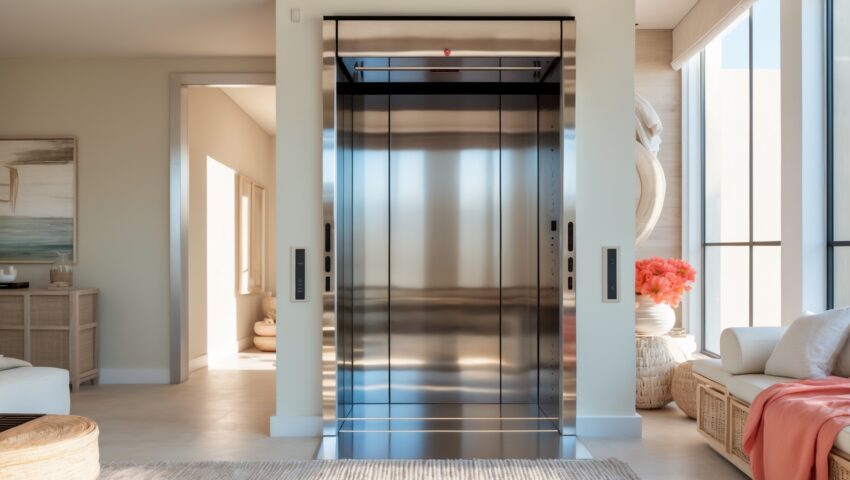
Introduction: The Modern Appeal and Practicality of Home Elevators in Florida
As Florida’s residential landscape evolves, more homeowners are investing in accessibility upgrades that add both convenience and long-term value to their properties. Among these, the installation of home elevators is rapidly gaining traction—not just as a luxury, but as a practical solution for multi-level living. Whether accommodating aging-in-place needs, improving mobility for family members, or future-proofing a property for resale, a home elevator can transform daily life. However, the process is far from plug-and-play. Florida’s unique blend of stringent building codes, hurricane concerns, insurance nuances, and local permitting requirements means that installing an elevator is a complex project. It demands careful planning, a clear budget, a focus on safety, and meticulous compliance with state and local regulations. In this comprehensive guide, we’ll break down the step-by-step process of installing a residential elevator in Florida, highlight hidden costs, debunk common myths, and share expert strategies for a smooth, code-compliant upgrade that stands the test of time—and the elements.
Understanding the Types of Home Elevators Suitable for Florida Residences
Traction Elevators
Traction elevators use steel ropes or belts and a counterweight system. They’re popular for multi-story homes due to their smooth operation and energy efficiency. However, they require a dedicated shaft, which can increase installation complexity and costs in existing homes.
Hydraulic Elevators
Utilizing a piston mechanism powered by hydraulic fluid, these elevators are quieter and typically require more space below the elevator for a machine room. They’re well-suited for Florida’s low-rise homes but may have higher maintenance needs due to the region’s humidity and risk of corrosion.
Pneumatic (Vacuum) Elevators
These elevators operate using air pressure and require no pit or machine room, making them ideal for retrofits or homes with limited space. They’re generally limited to two or three stops and have lower weight capacities, but they offer a sleek, minimalistic aesthetic that fits modern Florida designs.
Wheelchair Lifts and Platform Lifts
For homes where space or budget is tight, vertical platform lifts offer accessibility for wheelchair users. They often have simpler permit requirements but must still adhere to strict safety and accessibility codes.
Budgeting and Cost Breakdown: What to Expect in Florida
Base Installation Costs
- Traction Elevators: $30,000–$60,000 (including shaft construction)
- Hydraulic Elevators: $25,000–$55,000
- Pneumatic Elevators: $35,000–$60,000
- Wheelchair/Platform Lifts: $8,000–$18,000
Structural Modifications
Retrofitting an elevator into an existing home often requires:
- Reinforcing floors and ceilings
- Creating or modifying a shaft
- Relocating utilities or HVAC systems
- Electrical upgrades for elevator power requirements
Structural work can add $10,000–$40,000 depending on complexity and materials.
Permitting and Inspection Fees
Expect to pay $500–$3,000 depending on municipality and scope. Some counties require additional wind-load engineering for compliance with hurricane codes.
Hidden and Ongoing Costs
- Annual Maintenance: $300–$800 (required for warranty and insurance)
- Insurance Premium Increase: $50–$250 annually, depending on the carrier and elevator type
- Emergency Phone Line: $200–$500 installation, plus service fees
Permitting and Compliance: Navigating Florida’s Legal Landscape
State and Local Building Codes
Florida abides by the Florida Building Code (FBC), which references ASME A17.1 Safety Code for Elevators and Escalators. Key points include:
- Minimum shaft dimensions and clearance requirements
- Emergency egress and backup power mandates
- Wind resistance and anchoring for hurricane protection
ADA and Accessibility Standards
While private residences are not strictly required to comply with ADA, following these guidelines can enhance safety, usability, and resale value. Consider:
- Lever-style controls at accessible heights
- Wide doorways (at least 32 inches clear width)
- Non-slip flooring and adequate lighting
Permit Process: Step-by-Step
- Consult a Licensed Elevator Contractor: Engage a contractor certified by the State of Florida. Verify credentials on the Florida Department of Business & Professional Regulation website.
- Submit Plans: Your contractor (often with an engineer/architect) submits detailed plans to the local Building Department.
- Structural and Mechanical Review: Plans are reviewed for compliance with FBC, wind-load requirements, and local codes. Additional engineering reports may be required for coastal or flood-prone properties.
- Obtain Permits: Once approved, permits are issued. Work may not begin until all permits are in hand.
- Inspections: Multiple inspections occur throughout installation—rough construction, electrical, mechanical, and final operation.
- Final Certification: A certificate of operation is required before the elevator may be used.
Common Compliance Mistakes to Avoid
- Skipping wind-load calculations (critical in hurricane zones)
- Using unlicensed or out-of-state contractors
- Failing to provide adequate egress or backup power
- Neglecting required inspections, which can void insurance or trigger code violations
Insurance Essentials: Protecting Your Investment
Homeowners Insurance Implications
Most standard Florida homeowners policies do not automatically cover elevators for mechanical breakdown or liability. You may need to:
- Add a rider for elevator equipment
- Increase personal liability coverage in case of injury
- Provide proof of annual maintenance and certified installation
Notifying your insurer before installation is essential. Failure to do so can result in denied claims for related losses.
Workers’ Compensation and Contractor Coverage
All contractors must carry workers’ compensation and general liability insurance. Request certificates and verify coverage before signing any contracts. Uninsured contractors put homeowners at risk for litigation if an injury occurs on site.
Flood and Hurricane Considerations
If your property is in a flood zone, discuss with your insurance agent how elevator equipment is covered in the event of water intrusion or storm surge. Specialized equipment or installation techniques may be necessary to meet code and insurance requirements.
Safety Checklist: Ensuring Reliable, Worry-Free Operation
- Emergency Communication: Ensure a dedicated phone line or two-way communication system is installed and tested.
- Backup Power: Install an automatic battery backup or generator to prevent entrapment during outages.
- Regular Inspection: Schedule annual (or more frequent) inspections by a certified technician.
- Child Safety: Add childproof locks and educate family members on safe usage.
- Fire Safety: Confirm smoke detectors and sprinklers are present in the elevator lobby and machine room.
- Signage and Lighting: Mark call buttons clearly and ensure adequate lighting inside and around the elevator.
- Door Sensors: Verify all doors have sensors to prevent closing on people or objects.
Step-by-Step Installation Timeline
- Initial Consultation (1–2 weeks): Site assessment, discussion of needs, preliminary design.
- Design & Engineering (2–6 weeks): Plans and structural calculations completed.
- Permitting (2–8 weeks): Submission, review, and approval by local authorities.
- Construction (4–12 weeks): Structural modifications, shaft and pit (if needed), electrical preparation.
- Elevator Installation (1–3 weeks): Delivery and assembly of elevator components, systems integration.
- Testing & Inspection (1–2 weeks): Code-required inspections, certification, and owner training.
Total project duration can range from 3 to 6 months, depending on scope, permitting, and supply chain factors.
Maintenance Best Practices for Florida’s Climate
- Humidity and Corrosion Control: Install dehumidifiers in mechanical rooms. Use corrosion-resistant materials (e.g., stainless steel, powder-coated components).
- Monthly Visual Checks: Inspect rails, cables, doors, and control panels for signs of rust, moisture, or damage.
- Professional Service: Schedule annual service with a Florida-licensed elevator company. Maintain detailed service records.
- Storm Preparation: Before hurricane season, verify all seals, drainage, and backup power systems are operational.
- Lubrication: Use manufacturer-approved lubricants to prevent sticking and premature wear, especially in coastal environments.
Common Myths About Home Elevators in Florida
- Myth: Elevators are only for luxury homes.
Fact: Modern designs and platform lifts make elevators accessible and practical for a wide range of budgets and needs. - Myth: Adding an elevator always increases property taxes.
Fact: Modest accessibility upgrades may not significantly impact assessed value, but large-scale additions could. Consult your county property appraiser. - Myth: Elevators are unsafe during hurricanes.
Fact: Properly installed and maintained elevators, with wind-resistant features and backup power, are safe when not in use during storms. Never operate during an outage or flooding. - Myth: Insurance always covers elevator repairs.
Fact: Mechanical breakdown, lack of maintenance, or unpermitted installations may be excluded. Always read your policy and maintain documentation.
Case Study: Retrofit Success in a Coastal Sarasota Home
Background: The Johnson family needed to retrofit their 1980s two-story coastal property to accommodate aging parents. They selected a pneumatic elevator to avoid major structural changes.
Challenges:
- Small footprint and limited shaft space
- High humidity and salt air exposure
- Strict local wind-load and flood zone codes
Solutions:
- Chose a vacuum elevator rated for coastal environments
- Installed additional dehumidification systems in mechanical areas
- Worked with a local engineer to meet enhanced wind-load anchoring requirements
- Ensured all permits and insurance riders were in place before construction
Outcome: The project added $35,000 to the home’s value, improved accessibility, and passed all inspections on first attempt. Annual elevator maintenance is scheduled each spring, ahead of hurricane season.
Conclusion: Elevating Your Florida Home with Confidence
Investing in a residential elevator is a transformative upgrade for Florida homeowners—one that enhances daily comfort, accessibility, and long-term property value. However, the process is not without complexity. Navigating state and local codes, securing the right permits, budgeting for the full scope (including hidden and ongoing costs), and ensuring insurance compliance are all mission-critical steps. By engaging licensed, Florida-based professionals, insisting on code- and wind-rated equipment, and maintaining a proactive approach to safety and service, you can avoid common pitfalls and enjoy reliable operation for years to come. Remember, a home elevator is more than an amenity—it’s a commitment to accessibility, safety, and enduring quality. Whether your goal is to age in place, accommodate loved ones, or simply add a touch of modern convenience, careful planning and expert guidance will make your Florida elevator project a resounding success. Approach each stage with diligence and don’t hesitate to seek multiple professional opinions before signing any contracts. The investment will pay dividends in lifestyle, marketability, and peace of mind.
You mentioned that hydraulic elevators can have higher maintenance needs due to Florida’s humidity and the risk of corrosion. Are there specific materials or brands you recommend to minimize these issues, or should homeowners budget extra for ongoing maintenance in coastal areas?
In Florida’s coastal and humid climate, opting for elevators with stainless steel or other corrosion-resistant components can help reduce maintenance issues. Some reputable brands offer models designed specifically for such environments. Still, even with these materials, it’s wise for homeowners in coastal areas to budget extra for regular inspections and preventative maintenance, as salt and humidity can accelerate wear over time.
If I want to add a traction elevator to an older two-story home, how much construction work typically goes into creating a dedicated shaft? Does this always involve major renovations, or are there more streamlined options in Florida for existing homes?
Adding a traction elevator to an older two-story home usually requires significant construction to create a dedicated shaft, including framing, structural reinforcement, and sometimes rerouting utilities. While this typically means major renovations, there are some more compact or modular shaft systems available that can reduce the scope of work. However, in Florida, even streamlined options will still need to meet strict building codes and safety standards.
Once the installation is complete, what are some of the most important steps homeowners in Florida should take to ensure their elevator stays safe, compliant, and functioning properly year-round?
After installation, schedule regular professional inspections and maintenance, as required by Florida regulations. Keep detailed service records, and make sure to test safety features like emergency alarms and backup power. Clean elevator components and check for obstructions in the shaft or doors. Stay updated on any local code changes and renew any required permits. Educate household members on proper elevator use for added safety.
If my primary goal is to future-proof my home for resale rather than immediate accessibility needs, which type of elevator would you recommend as the most appealing for potential buyers in the Florida market?
For future resale value in Florida, a residential hydraulic or traction elevator is typically most appealing to buyers. These types are regarded as reliable, smooth, and aesthetically adaptable to various home designs. They also tend to offer higher weight capacities and flexibility in cab finishes, which can attract a wider range of future buyers compared to smaller shaftless or pneumatic models.
Do most insurance policies in Florida offer coverage for home elevators, or do I need to look for specialized riders? I want to be sure I’m adequately protected after installation.
Most standard homeowners insurance policies in Florida provide limited coverage for home elevators, often treating them as part of the home’s structure. However, for full protection, especially regarding liability and mechanical breakdowns, you may need to add a specialized rider or endorsement. It’s best to check with your insurance provider to confirm what is included and discuss any additional coverage options to ensure you’re fully protected after your elevator installation.
You mention that installation isn’t ‘plug-and-play.’ For someone starting from scratch, what is the typical timeframe from getting permits to a finished, code-compliant home elevator in Florida?
For a new home elevator in Florida, expect the process from permitting to completion to take about 8 to 12 weeks. Securing permits alone can take 2 to 4 weeks, while installation and final inspections usually require another 4 to 8 weeks, depending on your contractor’s schedule, the complexity of your home, and local building department timelines.
Could you explain more about the local permitting process in Florida? Are there common delays or issues homeowners should anticipate before installation actually begins?
In Florida, the permitting process for home elevator installation usually involves submitting detailed plans and specifications to your local building department for approval. Homeowners often experience delays due to incomplete documentation, unclear building codes, or a backlog at the permitting office. It’s also common for additional inspections to be required. To avoid these issues, work closely with a licensed elevator contractor and confirm all paperwork is in order before submitting your application.
After the initial installation, what are the most common ongoing maintenance or compliance issues Florida homeowners face, especially in coastal or high-humidity regions?
After installation, homeowners in Florida—especially in coastal or high-humidity areas—often deal with corrosion of elevator parts, electrical issues from moisture, and regular lubrication needs to prevent rust. Frequent inspections are essential to ensure compliance with state codes and safety standards. Be sure to keep up with scheduled maintenance, address any signs of wear promptly, and check for updates to Florida’s elevator regulations to stay compliant.
When it comes to local permitting, how far in advance should I start the application process, and are there any common pitfalls that can delay getting final approval to install a home elevator in Florida?
Starting your permit application at least 2 to 3 months before your planned installation is wise, as local review times can vary. Common pitfalls include missing or incomplete documentation, overlooking required engineering drawings, or hiring contractors without proper licensing. Also, be sure your proposed elevator model meets both state and local code requirements. Keeping communication open with your contractor and local permitting office can help avoid unnecessary delays.
How long does the permitting and installation process for a residential elevator typically take in Florida, considering all the local and state compliance requirements you mentioned?
In Florida, the permitting and installation process for a residential elevator usually takes between 6 to 12 weeks. This timeframe includes obtaining necessary permits, inspections, and adhering to both local and state compliance requirements. Delays can occur if additional documentation or site modifications are needed, so it’s best to start planning early and work closely with your installer to stay on schedule.
For homes near the coast in Florida, do you recommend a specific elevator type that holds up better to salt air and hurricane-related humidity? I’m mainly concerned about long-term corrosion and maintenance headaches—especially if I plan to keep the elevator for decades.
For coastal Florida homes, a pneumatic or vacuum elevator is often a good choice because it uses fewer metal components that corrode in salty, humid air. If you prefer a traditional elevator, look for models with stainless steel or marine-grade aluminum parts and sealed electronics. Regular maintenance and protective coatings are also key to minimizing corrosion and extending your elevator’s lifespan.
When budgeting for a home elevator, what are some of the hidden costs people in Florida often overlook, like insurance adjustments or unexpected retrofitting expenses?
Some commonly overlooked costs include the need to upgrade your homeowner’s insurance, which may increase after installation. Many homes also require unexpected retrofitting, like reinforcing floors or electrical system upgrades. You might also face fees for permits, inspections, and ongoing maintenance contracts. It’s wise to budget extra for these possibilities to avoid surprises.
Could you explain a bit more about the hidden costs involved with home elevator installations in Florida? The mention of extra expenses caught my attention, and I’d like to budget realistically for everything beyond just the elevator itself.
Beyond the elevator’s base price, hidden costs can include structural modifications to your home, such as reinforcing floors or creating a shaft. Electrical work, permits, and inspection fees are also common expenses. You might encounter costs for architectural or engineering plans, as well as finishing the elevator interior to match your decor. Ongoing maintenance and insurance should also be factored into your long-term budget.
If I’m planning to build a new multi-story home in Florida, at what phase of construction should I start the permitting and design process for an elevator to ensure compliance and smooth installation?
To ensure compliance and a smooth installation, it’s best to start the permitting and design process for your elevator during the initial architectural planning phase of your new home. This allows the elevator’s requirements—such as space, structural support, and code compliance—to be integrated into the plans before construction begins. Early coordination with your builder and a licensed elevator contractor will help prevent costly changes later on.
If I want my home elevator to add the most resale value, which type should I prioritize for modern Florida homes, and are there any common mistakes to avoid during installation to stay code-compliant?
For the best resale value in modern Florida homes, consider a hydraulic or traction elevator, as these types are often quieter, smoother, and more attractive to buyers. Make sure the model is ADA-compliant, has safety features like emergency alarms, and meets Florida Building Code. Common mistakes to avoid include improper shaft dimensions, skipping required inspections, and not hiring licensed installers, all of which can lead to costly corrections later.
If a hydraulic elevator is chosen for a Florida residence, what kind of regular maintenance is needed to prevent problems with humidity and corrosion, and is this more intensive compared to traction elevators?
Hydraulic elevators in Florida homes do require diligent maintenance due to the state’s humidity, which can accelerate corrosion and affect hydraulic fluids. Regular checks should include inspecting seals, fluid levels, and components for rust, plus keeping the machine room dry and well-ventilated. Compared to traction elevators, maintenance is generally a bit more intensive for hydraulics in humid areas because the risk of moisture-related issues is higher.
I’m trying to budget for a home elevator and noticed mention of hidden costs. Could you clarify what some of these unexpected expenses might be during the permitting or installation phases here in Florida?
Some hidden costs you might encounter during a home elevator installation in Florida can include permit fees, required inspections, electrical upgrades, and potential structural modifications to your home. Additionally, there might be costs for fire safety compliance or meeting updated building codes. It’s also wise to budget for possible delays or unforeseen issues uncovered during construction, as these can add to the overall expense.
If someone decides to install a pneumatic elevator because it requires no pit or machine room, are there significant trade-offs when it comes to safety or long-term durability in Florida homes?
Pneumatic elevators are popular for Florida homes because they don’t need a pit or machine room, making installation easier. In terms of safety, they are engineered to meet strict standards and typically include features like emergency brakes and pressure controls. However, long-term durability might be slightly less than traditional elevators due to wear on the air seals and reliance on a tight vacuum. Regular maintenance is important to ensure reliable operation over time.
When budgeting for a home elevator in Florida, are there any commonly overlooked expenses related to insurance or permitting that should be factored in from the very start?
Yes, there are a few often overlooked costs when budgeting for a home elevator in Florida. Aside from the main installation price, it’s important to account for permit application fees, which can vary by municipality, and the cost of upgrading your home’s insurance policy to cover the elevator and any associated liability. Additionally, some jurisdictions may require periodic safety inspections or certifications, which can carry their own fees. Including these in your initial budget will help avoid surprises later on.
What is the typical timeline for getting a residential elevator installed and fully permitted in Florida? Are there certain stages in the process that tend to cause unexpected delays, especially when dealing with local inspections or weather conditions?
A typical residential elevator installation in Florida usually takes 4 to 8 weeks from start to finish. This includes design, permitting, installation, and final inspection. Delays often occur during the permitting and inspection phases, especially if the local building department is busy or requires extra documentation. Severe weather, like hurricanes or heavy rain, can also slow down construction and inspection schedules. Working with an experienced installer who’s familiar with local codes can help minimize surprises and keep the timeline on track.
What are some common mistakes homeowners make during the planning phase that can lead to delays or extra costs with home elevator projects in Florida?
Homeowners often underestimate the space required for an elevator or overlook local building codes and permitting requirements, which can delay the project. Failing to account for necessary electrical upgrades or choosing an inappropriate elevator type for their home layout can also lead to extra costs. Working with experienced professionals early and securing all permits up front helps avoid these issues.
I’m trying to decide between traction and hydraulic elevators for our low-rise Florida house. You mentioned humidity and corrosion—does that mean hydraulic models are less reliable here over time, or are there protective measures we can take to extend their lifespan?
Hydraulic elevators can be affected by Florida’s humidity and potential for corrosion, especially if they’re not properly sealed. However, modern hydraulic systems often include protective features like rust-resistant materials, specialized coatings, and sealed components to help them last longer. Regular maintenance and inspections also make a big difference in durability. If you work with an installer experienced in Florida conditions, they can recommend protective measures tailored to your home’s environment.
For existing homes in Florida, how much extra budget or time should I expect to allocate for building a dedicated shaft for a traction elevator compared to installing a pneumatic model?
When retrofitting a home in Florida with a traction elevator, expect both cost and installation time to be higher than for a pneumatic model. Building a dedicated shaft often adds $15,000 to $30,000 to your budget and can take several weeks, depending on your home’s structure. Pneumatic elevators typically require less structural modification, resulting in lower installation costs and shorter timelines—usually days rather than weeks.
How should I approach budgeting for hidden costs you mentioned, especially regarding permits and insurance? Is there a typical percentage over the base elevator price that’s wise to set aside for these extras in Florida?
When budgeting for a home elevator in Florida, it’s smart to set aside an extra 10–20% of the base elevator price to cover hidden costs like permits, insurance, and unexpected adjustments. Permit fees and insurance requirements can vary by county and project specifics, so checking with your installer and local authorities early on will give you a more accurate estimate.
As a business owner budgeting for a home elevator, I’m curious about the hidden costs you mentioned. Are there any common expenses beyond installation and equipment that I should prepare for in Florida?
In Florida, beyond installation and equipment, you should budget for permitting fees, electrical upgrades, possible structural modifications, and insurance adjustments. Regular maintenance contracts are also essential for safety and compliance. Additionally, if your property is in a flood-prone area, you might face extra costs for waterproofing or elevated installation. These factors can impact your overall project budget.
You mentioned the added complexity of installing a traction elevator in an existing Florida home due to the need for a dedicated shaft. Could you share insights on what the typical construction challenges are and if there are ways to minimize disruption to the home during installation?
Installing a traction elevator in an existing Florida home can be challenging because it often requires building a new, full-height shaft that might cut through several floors. This can disrupt living spaces, electrical systems, and plumbing. To minimize disruption, careful planning helps—sometimes placing the shaft along an exterior wall or in a less-used area reduces impact. Working with experienced contractors who use modular elevator systems can also streamline the process and limit the construction footprint inside your home.
Regarding Florida’s unique building regulations and hurricane concerns, are there specific safety features or codes that home elevators must meet to withstand severe weather, or is standard compliance usually enough?
Florida does require home elevators to meet certain stricter codes due to hurricanes and unique weather risks. In addition to national standards like ASME A17.1, elevators in Florida may need reinforced hoistways, wind-rated doors, and backup power systems to ensure safety during severe weather. It’s important to check with your local building department, as some counties have additional requirements beyond standard compliance.
If I want to future-proof my home for aging in place, how far in advance should I start the permitting and planning process for a new residential elevator in Florida?
For future-proofing your home, it’s wise to begin the permitting and planning process for a residential elevator at least 6 to 12 months before you expect to need it. This allows time for design considerations, obtaining permits, and scheduling installation, which can each take several weeks or months depending on local regulations and contractor availability.
I’m planning to add a home elevator mainly for my parents’ accessibility, but I’m concerned about hurricane-related building codes in Florida. What are the biggest compliance hurdles related to storms and weatherproofing when choosing between hydraulic and traction elevators?
In Florida, hurricane codes require elevators—especially those serving upper floors—to have wind- and water-resistant hoistway doors and components. Hydraulic elevators usually need more weatherproofing because their machinery is often at ground level, making them vulnerable to flooding. Traction elevators typically house motors above the shaft, offering better storm protection. Whichever you choose, ensure all equipment is rated for high winds and water intrusion, and verify local code compliance with your installer before proceeding.
After the initial installation, what are the main steps or ongoing inspections required by Florida regulations to make sure a home elevator stays code-compliant and insured?
After installation, Florida requires annual inspections by a certified elevator inspector to ensure code compliance. These inspections check safety features, mechanical systems, and electrical components. You’ll also need to maintain service records and address any repairs promptly. Insurers usually require proof of these regular inspections and maintenance to keep your coverage valid, so keep documentation updated and handy.
For homeowners hoping to future-proof for aging-in-place, are there particular features or upgrades you recommend adding during initial elevator installation that help avoid expensive modifications later on?
When planning for aging-in-place, it’s wise to install a slightly larger elevator cab to accommodate a wheelchair or walker in the future. Choose controls with large, easy-to-read buttons, and consider automatic doors for easier access. Installing handrails and a non-slip floor now can also save money later by reducing the need for retrofits as mobility needs change.
For an older house in Florida, what are the main challenges or extra steps involved with retrofitting a traction elevator, given it needs a dedicated shaft? Is it usually possible, or do most homeowners go with a different type due to installation complexity?
Retrofitting a traction elevator in an older Florida home can be challenging because it requires a dedicated vertical shaft and space for equipment. Many older homes may not have enough room or may need significant structural modifications, which increases cost and complexity. As a result, homeowners often choose alternatives like hydraulic or shaftless elevators, which are typically easier to install in existing spaces.
I noticed pneumatic elevators don’t require a machine room or pit. For homes with limited space or older construction, does this actually translate to significant cost savings on installation and permitting compared to traction or hydraulic models?
Pneumatic elevators often do lead to cost savings for homes with limited space or older construction. Since they don’t need a machine room or deep pit, you save on both construction and excavation expenses. This can also simplify the permitting process, as there’s less structural alteration required. However, the total savings depend on your home’s layout and local permit fees, so it’s wise to get quotes comparing all models for your specific situation.
After installation, what are the first steps a homeowner in Florida needs to take to ensure their elevator passes all the inspections and is officially cleared for use? Are there differences depending on the county?
Once your elevator is installed in Florida, make sure your contractor schedules the required inspections with your local building department. The elevator must comply with state and local codes, and you’ll need to obtain a certificate of operation before using it. Requirements and inspection processes can vary between counties, so it’s wise to check with your local permitting office to confirm specific guidelines, fees, and documentation needed in your area.
I’m considering a home elevator mostly to help my elderly parents age in place. Between traction and hydraulic elevators, which system tends to be more reliable in the long run, particularly given Florida’s humidity?
For Florida’s humid climate, traction elevators often have an edge in long-term reliability because they don’t rely on hydraulic fluids, which can be affected by heat and moisture. Hydraulic elevators are robust and smooth, but over time, humidity can increase the risk of oil leaks or corrosion. Traction systems, especially modern machine-room-less models, typically require less maintenance and adapt better to humidity, making them a solid choice for aging-in-place needs.
If I want to future-proof my house but have a tight budget, are pneumatic elevators usually more affordable overall, including long-term maintenance in Florida’s humid climate?
Pneumatic elevators are often more affordable to install compared to traditional hydraulic or traction systems, especially for retrofits in existing homes. They also tend to have fewer moving parts, which can mean lower maintenance costs over time. In Florida’s humid climate, pneumatic elevators resist moisture issues better than some other types, since they don’t require oils or extensive machinery. However, it’s important to compare specific models and get quotes, as prices and maintenance can vary.
You mention insurance nuances when adding a home elevator in Florida. Could you explain what kinds of changes or updates I might need to make to my homeowner’s insurance after installing an elevator?
When you add a home elevator in Florida, you’ll likely need to update your homeowner’s insurance policy. Inform your insurer about the installation, as the elevator increases your home’s value and may affect liability coverage. Your premium might change due to added risks, like potential injuries. Make sure your policy covers elevator-related accidents and equipment breakdowns. Your insurer can help you adjust coverage limits and ensure you meet any specific requirements related to elevators.
After securing permits and choosing an elevator type, what are the next steps homeowners should expect during the installation process, and how long does a typical residential elevator installation take in Florida?
Once permits are secured and the elevator type is selected, homeowners can expect several steps: site preparation (which may include minor construction or electrical work), delivery of elevator components, and installation by certified technicians. This is followed by thorough safety testing and a final inspection. Typically, the installation process takes about 1 to 2 weeks, depending on the complexity of your home and elevator model.
If a homeowner in Florida chooses a pneumatic elevator to avoid building a pit or machine room, are there significant trade-offs in terms of maintenance or long-term reliability due to the state’s humidity?
Pneumatic elevators are popular in Florida because they eliminate the need for a pit or machine room, but high humidity can still impact their long-term reliability. While they generally require less maintenance than traditional systems, the seals and pneumatic components may need more frequent inspection and upkeep in Florida’s climate to prevent moisture-related issues. Working with an installer experienced in humid environments and following the recommended maintenance schedule can help minimize potential problems.
After installation, what are the key maintenance routines or inspections that Florida homeowners should anticipate, especially considering issues like humidity and corrosion risk for certain elevator types?
After installation, homeowners in Florida should schedule yearly professional inspections to check for wear, corrosion, and electrical issues—humidity can accelerate rust, especially on metal parts. Regularly clean and lubricate moving components, inspect door tracks and safety sensors, and ensure ventilation systems are working to reduce moisture buildup. It’s also important to promptly address any unusual noises, slow operation, or error messages to prevent minor issues from turning into costly repairs.
If my home doesn’t already have a dedicated shaft, how complicated is it to retrofit a traction elevator, and what kind of timeline should I expect from start to finish including permits?
Retrofitting a traction elevator in a home without an existing shaft is fairly involved. It usually requires structural modifications, careful planning for space, and coordination with local building codes. From design, permitting, and construction to final inspection, the process can take anywhere from 3 to 6 months. The exact timeline depends on your home’s layout and how quickly permits are approved.
If my home is in a coastal area with stricter insurance requirements, are there recommended steps or features to make a residential elevator installation more resilient and compliant with local hurricane codes?
For coastal homes, it’s wise to choose elevators with corrosion-resistant materials, such as stainless steel components and marine-grade finishes. Make sure the elevator’s electrical systems are elevated above typical flood levels and that all installations meet your local hurricane and wind-load codes. You may also need impact-resistant doors and enclosures. Working with a licensed installer familiar with local requirements will help ensure both compliance and long-term reliability.
I noticed that pneumatic elevators don’t require a pit or machine room, which sounds less invasive for existing homes. Are there any safety trade-offs compared to more traditional traction or hydraulic elevators, especially in multi-generational households?
Pneumatic elevators are indeed less invasive because they don’t need a pit or machine room, making them appealing for retrofitting into existing homes. In terms of safety, they’re generally considered secure, with fail-safe braking and emergency lowering systems. However, they often have lower weight capacities and may not be as spacious, which could be a concern in multi-generational households if you anticipate frequent or simultaneous use. Traditional traction or hydraulic elevators might offer more robust options for heavy use or accommodating wheelchairs.
With Florida’s humidity and risk of corrosion, would ongoing maintenance be significantly higher for hydraulic elevators compared to traction or pneumatic types? I’m trying to weigh long-term costs for a new build.
Hydraulic elevators generally require more frequent maintenance in Florida due to the state’s high humidity, which can lead to faster corrosion of hydraulic components and oil deterioration. Traction and pneumatic elevators are less affected by moisture and corrosion, so their long-term maintenance costs are typically lower. Factoring this in, hydraulic systems may end up costing more to maintain over the years in Florida’s climate.
How does Florida’s high humidity and hurricane risk specifically impact the maintenance schedule or lifespan of hydraulic home elevators? Are there recommended upgrades or precautions that can help with these local conditions?
Florida’s high humidity can cause faster corrosion of metal parts and degrade hydraulic fluid in home elevators, requiring more frequent inspections and maintenance—sometimes twice a year instead of annually. Hurricane risk also means elevators should have waterproofing measures, surge protection, and battery backup systems. Upgrades like stainless steel components and enhanced weather sealing are often recommended to extend lifespan and reliability in Florida’s climate.
Could you elaborate on how the permitting process for home elevators in Florida might differ between counties, and how long homeowners should anticipate this step taking before installation can begin?
The permitting process for home elevators in Florida does vary by county. Some counties may have stricter building codes, more paperwork, or require additional inspections than others. In larger counties, it can take several weeks for permit approval, while smaller counties might process them faster. Homeowners should generally expect the permitting step to take anywhere from 2 to 6 weeks, but it’s a good idea to check with your local building department for specific timelines and requirements.
Do Florida’s building codes require any special hurricane-proofing features or wind ratings for home elevators, especially in coastal areas? I want to be sure any elevator I install would meet those specific safety standards.
Florida building codes do include strict requirements for hurricane resistance in coastal and high-wind areas, which can affect home elevator installations. Elevators and their enclosures often need to meet specific wind load ratings and impact resistance standards, especially for doors, hoistways, and emergency systems. It’s important to work with installers familiar with local code requirements to ensure your elevator design and materials comply with these safety measures.
If my house is older and doesn’t currently have any elevator infrastructure, which type of elevator—traction, hydraulic, or pneumatic—would likely be the least disruptive to install and why?
For older homes without existing elevator infrastructure, pneumatic (vacuum) elevators are typically the least disruptive to install. They require minimal structural modifications, don’t need a separate machine room or pit, and can often fit into tighter spaces. This makes them a popular choice for retrofitting older residences, as installation is usually quicker and less invasive compared to hydraulic or traction systems.
When budgeting for a home elevator in Florida, what are some of the hidden costs mentioned in the article? I’d like to get a clearer idea of what often gets overlooked beyond the main installation expenses.
In addition to the main installation costs, the article points out several hidden expenses to consider. These include permitting fees, required electrical upgrades, structural modifications to your home, ongoing maintenance contracts, and the potential need for a backup power system. It’s also wise to budget for annual inspections and any adjustments needed to stay compliant with Florida regulations.
You mentioned hidden costs in the installation process—could you clarify what some of those might be? For example, do things like electrical upgrades or insurance changes typically catch homeowners by surprise?
Absolutely, some hidden costs can catch homeowners off guard during a home elevator installation. Electrical upgrades are common, as your existing wiring might not support the new system. Structural modifications, such as reinforcing floors or creating a shaft, can add expenses. Insurance premiums may increase to cover the new feature. Also, permit fees, ongoing maintenance contracts, and potential costs to relocate plumbing or HVAC lines can all contribute to the final bill.
If someone is primarily interested in future-proofing their property for resale, which type of elevator would add the most value or appeal in the Florida market? Do realtors see a preference among buyers for traction, hydraulic, or pneumatic models?
For future-proofing and maximizing resale value in Florida, hydraulic elevators tend to be most popular due to their smooth ride, reliability, and compatibility with multi-story homes. Realtors often note that buyers appreciate hydraulic systems for their traditional feel and quiet operation. However, pneumatic elevators appeal to those seeking modern aesthetics and space-saving designs, though they may not match the load capacity of hydraulic models. Overall, hydraulic elevators usually have the broadest buyer appeal.
For existing Florida homes that don’t have a dedicated elevator shaft, how challenging is it to retrofit a traction elevator compared to a pneumatic one? I’m curious about the construction impact, timeline, and any code hurdles unique to older houses.
Retrofitting a traction elevator in an older Florida home is generally more challenging than a pneumatic one. Traction models need a dedicated shaft, pit, and machine room, leading to significant structural modifications and a longer timeline—sometimes several weeks. Pneumatic elevators can be self-supporting and require less invasive construction, usually finished in a few days. Older homes may have code hurdles like ceiling height, floor reinforcement, and electrical upgrades, so a thorough inspection and permitting process with local authorities is essential for either elevator type.
Can you clarify what the permitting process looks like for a home elevator in Florida? Is this something most installers handle on behalf of homeowners, or should I expect to be heavily involved with local authorities to ensure compliance?
Most reputable home elevator installers in Florida will handle the permitting process for you, including submitting applications and coordinating inspections with local authorities. While you should stay informed and may need to sign certain documents or provide homeowner details, direct involvement with permitting offices is usually minimal. Your installer should keep you updated and ensure all compliance requirements are met before installation begins.
If my home doesn’t have much extra space, would a pneumatic elevator really be a feasible option in Florida, or are there certain building code limitations I need to watch out for with this type?
A pneumatic elevator can be a good option for homes with limited space because it typically requires a smaller footprint and less structural modification than traditional elevators. In Florida, these elevators still need to comply with state building codes and accessibility standards. Make sure to check local permitting rules and work with a licensed installer familiar with Florida’s residential elevator codes to ensure proper compliance and safety.
You mention hidden costs in the installation process—can you give a ballpark figure or examples of what some of those surprise expenses might be for a typical two-story home?
Some hidden costs you might encounter during a two-story home elevator installation include unexpected electrical upgrades, structural modifications to support the elevator, fees for permits and inspections, and possible relocation of plumbing or HVAC systems. These can add anywhere from $2,000 to $10,000 or more to your overall project budget, depending on your home’s layout and local requirements.
I’m considering a home elevator for my two-story house in Miami, but I’m a bit overwhelmed by Florida’s building codes and hurricane requirements. Could you clarify what the most common compliance issues are that delay projects, especially for older homes?
The most common compliance issues with home elevators in older Florida homes are related to meeting updated safety codes, ensuring proper electrical and fire safety systems, and structural modifications to handle hurricane-rated doors and anchoring. Delays often happen when the existing structure needs reinforcement or when electrical panels aren’t up to current standards. Early coordination with a licensed installer and a building inspector can help spot these challenges before installation begins.
You mentioned code compliance and safety as major concerns. Are there particular safety features or materials that are essential when choosing an elevator system that can withstand Florida’s humidity and hurricane threats?
Yes, in Florida, it’s crucial to choose elevator systems with corrosion-resistant materials like stainless steel or aluminum to handle humidity. For hurricane resilience, look for hurricane-rated doors and reinforced hoistway enclosures. Sealed electrical components and proper ventilation help prevent moisture damage. These features help maintain safety and durability in Florida’s challenging climate.
What’s the average timeline from starting the permitting process to actually having a home elevator operational in Florida? Are there any common delays people should expect because of local regulations or inspections?
From starting the permitting process to a fully operational home elevator in Florida, the timeline is typically 6 to 12 weeks. This includes permitting, ordering, installation, and inspections. Delays often occur due to permit approval backlogs, scheduling conflicts with inspectors, or if local codes require extra documentation. Weather and supply chain issues can sometimes add to the wait, so it’s wise to build in a little buffer time.
I’m particularly concerned about hidden costs—besides the installation and obvious components, what are some less obvious expenses Floridians should expect when budgeting for a residential elevator?
Some less obvious expenses to consider when budgeting for a home elevator in Florida include permitting fees, possible electrical or structural upgrades, ongoing maintenance contracts, and insurance adjustments. You might also encounter costs for modifying your home’s layout, such as relocating walls or utilities. It’s wise to ask installers for a comprehensive quote that outlines these potential extra charges.
What is the typical timeline from initial planning through final inspection for a residential elevator installation in Florida, given the state’s specific building codes and stringent permitting process?
The typical timeline for a residential elevator installation in Florida usually ranges from 8 to 16 weeks. This includes the initial planning and design phase (2–4 weeks), permitting and approvals (2–6 weeks, depending on local authorities), installation itself (2–4 weeks), and finally, inspections and final approvals (1–2 weeks). The process can vary depending on the complexity of your project and how quickly permits are processed.
You highlight the importance of code compliance and safety during installation. If a problem is uncovered during inspection, what are the usual next steps for resolving it and keeping the project on track in Florida?
If an issue is found during inspection, the installer typically receives a report detailing the problem. The next step is to correct the issue according to Florida’s building codes and schedule a follow-up inspection. Clear communication with both your installer and local building officials helps keep the project moving smoothly. Addressing problems promptly ensures safety and avoids delays in final approval.
For someone living in a hurricane-prone coastal area in Florida, are there extra safety features or building codes that need to be considered when choosing between traction and hydraulic elevators?
Yes, in hurricane-prone coastal areas of Florida, there are additional safety features and stricter building codes to consider for home elevators. Elevators need hurricane-rated doors, water-resistant components, and backup power systems to ensure safe operation during storms. Whether you choose traction or hydraulic, ensure the elevator and its shaft are designed to withstand high winds and possible flooding, and always check that your installer follows the latest Florida Building Code and local regulations.
For homeowners planning to age in place, which elevator type—traction, hydraulic, or pneumatic—tends to be most reliable long-term in Florida’s climate, considering both maintenance and compliance with local codes?
For homeowners in Florida aiming to age in place, hydraulic elevators are often considered the most reliable long-term option. They handle Florida’s humidity well, require less complex maintenance than traction types, and are widely used, making parts and service easy to access. Hydraulic elevators also typically meet Florida’s residential codes, but always confirm local requirements before making a final decision.
What is the usual installation timeframe for a hydraulic elevator compared to a pneumatic one in an existing Florida home? I’m concerned about disruption to our daily routine.
In most existing Florida homes, installing a hydraulic elevator generally takes about 2 to 4 weeks because it requires more extensive construction, including a machine room and shaft modifications. Pneumatic elevators are usually quicker to install, often completed in just 2 to 5 days, since they need less structural alteration. Pneumatic options will likely cause less disruption to your household routine.
For someone planning to remodel an older home, what are the first steps to ensure elevator installation stays both code-compliant and within budget in Florida?
To get started, consult with a licensed elevator contractor familiar with Florida building codes. They can assess your home’s structure and identify necessary modifications. Next, work with both your contractor and an architect to ensure plans meet state and local codes. Request detailed quotes to compare costs and plan your budget. Early engagement with local permitting offices can also help avoid surprises and keep the project compliant and on track financially.
I noticed you mentioned hidden costs in the installation process. What are some unexpected expenses homeowners might run into when budgeting for a home elevator in Florida?
Some unexpected expenses during a home elevator installation in Florida can include electrical upgrades, structural modifications to fit the shaft, permit and inspection fees, and costs for bringing older homes up to code. You might also encounter extra charges for custom finishes, travel fees if you’re far from the installer, and ongoing maintenance requirements. These can all add up, so it’s smart to discuss every potential cost up front with your contractor.
Once the elevator is installed, do you know how involved the permitting and final inspection process usually is in Florida? Are there frequent delays or hurdles homeowners should anticipate before actually being able to use the elevator?
In Florida, the permitting and final inspection process for home elevators is generally thorough, as safety is a priority. After installation, you can expect an inspection by a local building official or a state-certified inspector. Delays can sometimes occur if documentation is incomplete, minor code issues are found, or the inspector’s schedule is tight. To avoid setbacks, work closely with your installer to ensure all paperwork and safety checks are completed before requesting inspection.
With Florida’s humidity and corrosion risks, do you have any advice on how to select elevator components or maintenance plans that will best protect against long-term wear and tear?
To protect your elevator from Florida’s humidity and corrosion, choose components made from stainless steel or other corrosion-resistant materials. Ask installers about sealed electrical parts and waterproof enclosures. For maintenance, select a plan that includes frequent inspections focused on moisture-related issues, rust treatment, and regular lubrication of moving parts. This proactive approach helps reduce long-term wear and keeps your elevator reliable.
For pneumatic elevators, since they don’t need a pit or machine room, does that mean the installation process is generally faster than for traction or hydraulic models, and what’s a reasonable timeframe to expect from permit to final inspection?
Pneumatic elevators usually have a quicker installation process because they don’t require a pit or a separate machine room. This streamlines construction compared to traction or hydraulic systems. From permit approval to final inspection, you can typically expect the full process to take about 2 to 6 weeks, depending on local permitting times and the complexity of your project.
Could you explain more about how Florida’s hurricane requirements influence the selection and installation of home elevators, especially when it comes to the specific types like hydraulic versus traction systems?
Florida’s hurricane requirements affect home elevator choices because the equipment must withstand high winds and potential flooding. Hydraulic elevators are often preferred in some cases since machinery can be installed in protected areas like garages, making them less vulnerable to wind and water. Traction elevators may require additional reinforcement or placement on upper floors to avoid flood risk. Local codes may also specify impact-resistant doors and secure anchoring, so always consult a licensed installer familiar with Florida’s hurricane standards.
For families wanting to age in place, would a pneumatic (vacuum) elevator be a practical choice in terms of reliability and safety during storms? Or do local insurance and code requirements make traditional traction or hydraulic systems a better bet in Florida?
Pneumatic elevators are generally reliable and safe, including during storms, as they don’t rely on cables and have built-in safety brakes. However, local codes and insurance providers in Florida sometimes prefer traditional traction or hydraulic systems, which have a longer track record and may be more familiar to inspectors. It’s best to check with your county’s building department and your insurer before deciding, to ensure the chosen elevator type meets all local requirements and won’t impact your insurance coverage.
You mentioned that hydraulic elevators might have higher maintenance needs due to Florida’s humidity and risk of corrosion. Do you know about any specific maintenance steps or treatments that homeowners should budget for to prevent long-term issues with corrosion?
Absolutely—Florida’s humidity can accelerate corrosion in hydraulic elevator systems. Homeowners should schedule regular inspections of hydraulic cylinders, pistons, and fittings to check for rust or leaks. Using corrosion-resistant coatings or seals on metal components is also recommended. It’s wise to budget for annual oil changes, replacement of worn seals, and keeping the machine room well-ventilated and dry to help prevent moisture buildup. Proactive maintenance like this will help extend the life of your elevator.
With Florida’s humidity and storms, what do elevator owners need to do long-term to keep their systems safe and running well? Are certain types of elevators better suited to handle these weather challenges?
Florida’s humidity and storms can be tough on home elevators, so regular maintenance is essential. Owners should schedule frequent inspections, keep electrical parts dry, check for rust or corrosion, and ensure backup power systems are in place for outages. Hydraulic elevators are often well-suited for Florida’s climate, as they have fewer exposed moving parts, though machine room-less (MRL) traction elevators also perform well with proper weatherproofing. Always consult your installer about specific protective features for your region.
Once all the planning and permits are settled, roughly how long does it take, start to finish, to actually get a residential elevator installed and running in Florida?
Once your planning and permits are taken care of, you can typically expect the actual installation of a residential elevator in Florida to take between 2 to 5 days, depending on the model and complexity. If any customization or structural modifications are needed, it might add a few extra days. After installation, inspections and final approvals may add another day or two before the elevator is fully operational.
I’m wondering how long the typical approval and installation process takes in Florida, especially given the strict local permitting requirements you mentioned.
In Florida, the approval and installation process for home elevators usually takes between 6 to 12 weeks. Permitting alone can require 2 to 6 weeks, depending on your county and the complexity of the project. Once permits are secured, installation itself typically lasts 2 to 4 weeks, provided there are no unexpected delays. Working with experienced installers can help streamline the process and ensure compliance with all local requirements.
I’m interested in future-proofing my property, but I’m unsure which type of elevator—traction, hydraulic, or pneumatic—tends to hold up best over time in Florida’s humid climate. What sort of ongoing maintenance should I expect given the region’s weather conditions?
In Florida’s humid climate, traction elevators generally offer good long-term reliability since they don’t rely on fluids that can be affected by moisture, unlike hydraulic models. Pneumatic elevators are also corrosion-resistant but may have more limited capacity. Regular maintenance is essential—expect annual checks for rust, lubrication, and electrical components, plus more frequent inspections if you’re near the coast, as salt air can accelerate wear.
Can you provide more insight into the permitting and inspection process for residential elevators in Florida? I want to make sure I’m prepared for what local building authorities might require before installation begins.
Before installing a residential elevator in Florida, you’ll need to obtain a permit from your local building department. This usually involves submitting detailed plans that comply with state building codes and ADA requirements. Once the installation is complete, a certified inspector will check the elevator’s safety features, electrical connections, and proper operation. Be prepared for both an initial inspection and periodic follow-ups to ensure ongoing compliance with state and local regulations.
You mentioned that traction elevators need a dedicated shaft, which could add complexity to installs in existing houses. How disruptive is this process, and are there ways to minimize construction time if we’re living in the home during installation?
Installing a traction elevator in an existing home can be disruptive, as it requires building a vertical shaft, often involving structural changes, noise, and dust. To minimize the impact, some installers use modular shaft systems and schedule work in phases to limit daily disruption. Sealing off the work area and coordinating installation times can also help maintain your comfort and safety while living in the home.
Can you explain more about how Florida’s specific building codes and hurricane concerns impact the choice between traction, hydraulic, or pneumatic elevators? I’m wondering which type is usually easiest to get permitted for a coastal home.
Florida’s building codes require elevators to withstand high winds and flooding risks, especially in hurricane-prone coastal areas. Hydraulic and pneumatic elevators are usually more popular for coastal homes because their components can be placed above flood levels, making code compliance easier. Traction elevators may require extra wind and water protection, potentially complicating permits. In most cases, hydraulic and pneumatic elevators are simpler to get permitted due to their adaptability to Florida’s safety and structural requirements.
If we’re considering a home elevator mainly to accommodate aging parents, is there a particular type that is easier to maintain in Florida’s humid climate, or are all of them equally impacted by the weather conditions mentioned?
For Florida’s humid climate, traction elevators are generally easier to maintain than traditional hydraulic elevators, as they have fewer parts exposed to moisture and don’t require a buried piston or hydraulic fluid, which can be affected by humidity and corrosion. Pneumatic vacuum elevators are also a good low-maintenance option, as their sealed design helps resist humidity. Whichever type you choose, regular inspections and climate-appropriate materials will help ensure long-term reliability.
You mentioned that local permitting and Florida’s codes can be tricky. Can you explain what the main permitting steps are, and about how long it usually takes to get approval before installation can start?
The main permitting steps for a home elevator in Florida usually include submitting detailed plans to your local building department, verifying compliance with state and local codes, and sometimes a site inspection. Your installer or contractor typically handles most of this, but you’ll need to provide property details and possibly HOA approvals. Approval timelines vary by county but generally take anywhere from two to six weeks, depending on the complexity of your project and how busy your local permitting office is.
Since pneumatic elevators don’t need a pit or machine room, do they have any specific limitations or drawbacks in terms of long-term durability or insurance coverage compared to the other types mentioned?
Pneumatic elevators are popular for their space-saving design, but they do have some limitations. Over time, their plastic or acrylic tubes may show wear and require careful maintenance to ensure a proper air seal. Their weight limits are usually lower than traditional elevators. Some insurance providers may require specific maintenance records or have slightly different coverage terms due to their unique technology, so it’s a good idea to consult both your installer and insurance agent about long-term considerations.
If I’m considering a pneumatic elevator to avoid building a pit or machine room, are there any insurance challenges or limitations unique to Florida that I should be aware of?
Pneumatic elevators are appealing in Florida because they don’t require a pit or machine room, but insurers may have specific requirements. Some insurance providers might need certification that the elevator meets Florida’s building codes and safety standards. It’s a good idea to confirm the elevator’s compliance with local and state regulations, as nontraditional systems like pneumatics can sometimes face extra scrutiny for coverage. Consulting both your installer and insurance company directly will help you avoid potential issues.
With Florida’s building codes and hurricane concerns, how do you ensure that a home elevator installation is both compliant and able to withstand severe weather? Are there certain elevator types that perform better during storms?
To ensure compliance and storm resilience in Florida, all home elevator installations must meet the Florida Building Code, which includes wind-load and flood requirements in hurricane-prone areas. Look for elevators with sealed electronics, reinforced shafts, and backup power systems. Hydraulic and traction elevators with storm-rated enclosures tend to perform better in severe weather conditions. Always work with a licensed installer familiar with local codes and hurricane protection standards.
After budgeting for the basics, what are some of the hidden costs people often overlook during the elevator installation process in Florida, especially when it comes to permitting or meeting local building codes?
Some hidden costs people often overlook include fees for permitting, which can vary depending on your local municipality. You might also encounter extra expenses for required inspections or unexpected upgrades to electrical systems to meet code. Structural modifications to fit the elevator, like reinforcing floors or ceilings, can add to your budget. Additionally, complying with specific hurricane or flood zone standards in Florida may result in higher costs for materials or additional safety features.
If a homeowner wants to add a pneumatic elevator to an older property, what should they expect in terms of permitting timelines or potential delays due to local regulations? Is there an average timeframe from application to completion?
For a pneumatic elevator in an older Florida home, permitting timelines can vary based on local building codes and how quickly required documents are submitted. Typically, you can expect the permitting process to take anywhere from 2 to 8 weeks. Delays may occur if your municipality requires extra inspections or if your home needs structural modifications. Overall, from application to installation completion, most projects are finished within 2 to 4 months.
With hurricane safety being such a big concern in Florida, do certain types of home elevators, like hydraulic or pneumatic, hold up better against extreme weather or power outages, or do they all require the same level of stormproofing?
Hydraulic elevators are typically more resilient during power outages since they can be lowered manually, which can be very helpful in emergencies. Pneumatic elevators may require backup power to operate during an outage. Regardless of type, though, all home elevators in Florida should have specific stormproofing measures, like surge protection and secure anchoring, to ensure safety during hurricanes.
Between traction, hydraulic, and pneumatic elevators, which type is generally considered to be the most hurricane-resilient for Florida homes?
For hurricane resilience in Florida homes, pneumatic elevators are often the most favored. They have fewer mechanical parts, are less susceptible to water damage since there’s no machine room or oil reservoir at the bottom, and are generally easier to seal against wind-driven rain. Traction and hydraulic systems may be more vulnerable to flooding or electrical issues during severe storms.
When planning for accessibility as part of aging in place, do Florida regulations dictate any particular safety features or backup power options that I should consider upfront before choosing a specific elevator type?
Florida building codes require home elevators to have key safety features such as emergency alarms, intercoms, and automatic door locks. While backup power isn’t always mandatory for residential elevators, it’s strongly recommended to include battery lowering systems or standby power to ensure the elevator works during outages. Considering these features early helps you choose an elevator model that meets both legal requirements and your long-term accessibility needs.
If a Florida homeowner is retrofitting an elevator into an older multi-story residence, what are some common code compliance challenges they might face? Are there best practices to ensure the upgrade meets both state and local building regulations?
Retrofitting an elevator in an older Florida home often brings challenges like meeting shaft size requirements, fire-rated enclosure standards, and updating electrical systems to current codes. Local building codes may be stricter than state rules, especially regarding safety features or accessibility. To ensure compliance, work with a licensed contractor familiar with Florida and municipal codes, obtain all necessary permits, and schedule regular inspections throughout the installation process.
Once you’ve decided on the elevator type, what are the actual next steps for pulling permits and getting through the local approval process in Florida? I’d like to understand how long the permitting typically takes before installation can begin.
After choosing your elevator type, the next step is to work with your installer or contractor, who will usually handle the permit application for you. They submit plans and specifications to your local building department. Review times can vary by county, but in Florida, permitting for residential elevators often takes anywhere from 2 to 6 weeks, depending on the local workload and if any plan revisions are needed. Once approved, installation can begin right away.
I’m just starting to budget for a residential elevator install and was wondering if there are any hidden costs I should expect besides the elevator and labor, like insurance increases or unexpected permitting fees?
Besides the elevator and installation labor, you might encounter extra costs such as permitting fees, which can vary by location and sometimes surprise homeowners. Insurance premiums may go up slightly after installation, so it’s wise to check with your provider. Also, consider electrical upgrades, possible structural modifications, and ongoing maintenance contracts, as these can add to your total budget.
You mentioned hidden costs related to home elevator projects. Could you clarify what some of the most commonly overlooked expenses are when budgeting for an installation in Florida?
Some commonly overlooked expenses include electrical upgrades to meet the elevator’s power requirements, structural modifications for the shaft or machine room, and permits or inspection fees. Homeowners also sometimes forget about ongoing maintenance contracts and the possible need to reinforce floors or ceilings. These costs can add up, so it’s smart to discuss all possible extras with your installer upfront.