

Introduction: The High Stakes of Roof Damage Insurance Claims in Florida
For Florida homeowners, roof damage isn’t a matter of “if,” but “when.” Between hurricane seasons, intense summer storms, and relentless sun exposure, your roof faces a barrage of threats year-round. When disaster strikes, the process of filing an insurance claim for roof damage can seem overwhelming. Many believe that their insurer will simply send an adjuster and deliver a check, but the reality is far more complex. Missteps can lead to costly delays, underpaid settlements, or outright denials. Understanding the nuances of Florida’s insurance landscape, claim documentation, and negotiation tactics is critical for protecting your investment. This guide delivers a step-by-step process for navigating roof damage claims, highlights common delays to avoid, and provides actionable strategies to maximize your settlement — all tailored specifically for Florida’s unique legal and weather environment.
Understanding Roof Damage Risks Unique to Florida
Common Causes of Roof Damage in the Sunshine State
- Hurricanes and Tropical Storms: Wind uplift, flying debris, and torrential rain can rip shingles and underlayment off in hours.
- Hail: Even small hailstones can bruise shingles and compromise roof integrity, which isn’t always visible from the ground.
- Sun Exposure: UV rays degrade roofing materials faster in Florida’s climate, shortening roof lifespans.
- Heavy Rains and Humidity: Prolonged moisture can lead to leaks, mold, and structural rot.
Insurance Policies: What’s Covered and What’s Not
Florida homeowners’ insurance policies vary, but most cover sudden and accidental damage (like storm or wind events). However, exclusions are common for wear and tear, poor maintenance, or pre-existing damage. Some policies have separate hurricane deductibles or exclude certain roof types once they reach a specific age. Always review your policy’s declarations page and endorsements for details.
Step-by-Step Process for Filing a Roof Damage Insurance Claim
1. Initial Assessment: Safety and Documentation
- Ensure Safety First: Don’t climb onto the roof if structural integrity is questionable. Look for leaks, water stains, and fallen debris from inside.
- Photograph Everything: Take wide and close-up shots of all damaged areas, including any impacted personal property, interior water stains, and visible exterior damage. Time-stamp if possible.
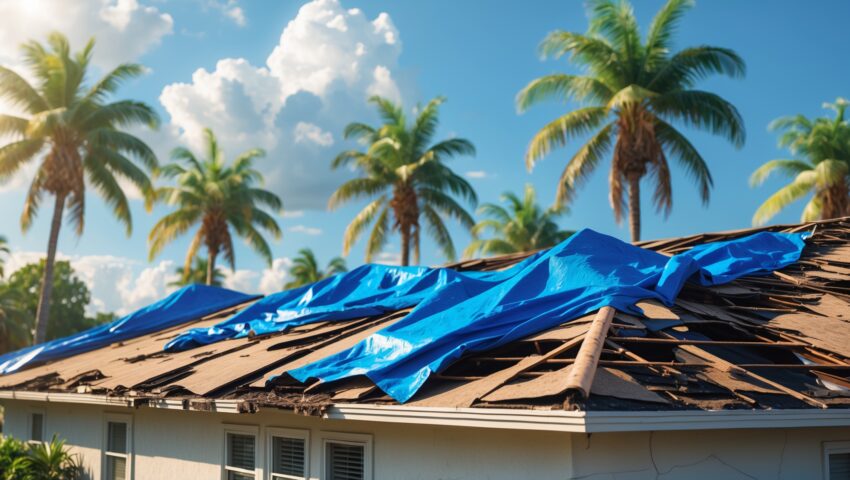
- Temporary Repairs: Cover exposed areas with tarps or plywood to prevent further damage. Keep receipts — your insurer typically reimburses reasonable temporary repair costs.
2. Review Your Insurance Policy
Before contacting your insurer, review your declarations page and endorsements. Note your deductible amounts, exclusions, claim reporting time limits, and whether you have Actual Cash Value (ACV) or Replacement Cost Value (RCV) coverage for roofs. In Florida, many policies now pay ACV for older roofs, which means depreciation is deducted from your payout.
3. Notify Your Insurance Company Promptly
Florida law requires prompt notice of loss — usually within days of discovery. Call your insurer’s claims line and obtain a claim number. Provide basic facts, but avoid speculating about the cause or extent of damage until a full assessment is complete.
4. Obtain a Professional Roof Inspection
Hire a licensed, insured Florida roofing contractor or public adjuster to perform an independent inspection. They can identify damage that an insurance adjuster might miss, and provide a detailed written report with photos, repair estimates, and scope of work. This documentation is vital if there’s a dispute about the extent of damage.
5. Cooperate with the Insurance Adjuster
- Schedule the Visit: Make sure you or your representative (contractor or public adjuster) is present during the inspection to point out all damage.
- Provide Documentation: Share your photos, repair estimates, and any receipts for temporary repairs.
- Request a Copy of the Adjuster’s Report: Insist on reviewing their findings for accuracy.
6. Review the Settlement Offer
The insurer will issue a settlement offer based on the adjuster’s report and your coverage terms. This may be ACV or RCV, minus your deductible. Scrutinize the estimate line-by-line. If the offer is lower than your contractor’s bid, request clarification in writing.
7. Negotiate or Dispute the Offer (If Needed)
- Submit a Supplemental Claim: If new damage is discovered or costs exceed the initial estimate, file a supplemental claim with updated documentation.
- Leverage Your Contractor’s Report: Insurers often reconsider if confronted with credible third-party evidence.
- Consider a Public Adjuster or Attorney: If the insurer stonewalls or lowballs, a licensed public adjuster or attorney specializing in Florida property claims can negotiate or litigate on your behalf — often with no upfront cost.
8. Final Repairs and Documentation
- Hire Licensed, Insured Contractors: Verify credentials and check for Florida Department of Business & Professional Regulation (DBPR) licensing.
- Retain All Receipts: Insurers may request proof of payment for final repair disbursements.
- Obtain Final Inspection Sign-Offs: Required for local permit closure and some insurance releases.
Common Delays and Pitfalls in Florida Roof Damage Claims
Delay #1: Incomplete or Poor Documentation
Insufficient photos, missing receipts, or vague contractor estimates can drag out claims for months. Florida insurers must respond to claims within defined timeframes, but incomplete files give them excuses to delay. Keep organized digital and paper files for every interaction and document.
Delay #2: Late or Improper Notice of Loss
Florida law is strict about prompt notice. Waiting weeks or months to report damage — even if it seems minor — can lead to denial. Always report as soon as possible, even if you’re unsure about the extent of loss.
Delay #3: Disputes Over Pre-Existing Damage or Maintenance
Insurers often claim that damage was due to wear, poor maintenance, or a previous event. Counter this by providing inspection records, maintenance logs, and weather event data (NOAA or local news reports) correlating damage dates.
Delay #4: Underpaid or Denied Claims
Lowball offers are common, particularly if the insurer uses third-party adjusting firms or algorithms that undervalue local labor and materials. If you suspect your claim is being undervalued, request a detailed explanation and be prepared to escalate.
Maximizing Your Settlement: Insider Strategies
Leverage Detailed, Third-Party Documentation
Independent contractor or public adjuster reports carry significant weight. Include detailed line-item estimates, photos, and professional opinions on causation and necessary repairs. Supplement with weather data proving the event occurred.
Understand Depreciation and Deductibles
Many Florida policies pay ACV for roofs over 10–15 years old. This means your payout is reduced for “wear and tear.” If your policy offers RCV, you must usually complete repairs and submit invoices to recover withheld depreciation. Know your deductible — hurricane deductibles are often higher than standard deductibles and may be a percentage of your home’s insured value.
File Supplementals as Needed
Hidden damage often emerges once repairs begin. Florida law allows for supplemental claims. Notify your insurer immediately and provide updated estimates and photos. Don’t settle for less than the true cost of restoring your roof to pre-loss condition.
Keep a Claim Diary
Document every call, email, and letter with your insurer: date, time, contact name, and a summary of the conversation. This is invaluable if you need to escalate or file a complaint with the Florida Department of Financial Services.
Don’t Accept Pressure for “Quick Cash” Settlements
Insurers may offer fast, low settlements — especially after widespread disasters. Never sign a release or accept payment if you’re unsure about the true cost of repairs. Consult with a trusted contractor or public adjuster first.
Legal Rights and Recent Legislative Changes in Florida
Assignment of Benefits (AOB) Restrictions
Florida law now limits AOB contracts, which previously allowed contractors to “step into your shoes” and negotiate directly with insurers. Only sign AOBs with reputable contractors after reading all terms; you may lose control of your claim otherwise.
Shortened Deadlines and Litigation Limits
Recent reforms have shortened claim and lawsuit filing deadlines, and limited attorney fee recovery for policyholders. It’s more important than ever to act quickly, keep thorough records, and consider engaging a public adjuster or attorney if disputes arise.
Preventing Future Roof Damage and Insurance Claim Issues
Maintain Routine Roof Inspections
- Annual Inspections: Schedule professional roof inspections every year, especially before hurricane season.
- Document Condition: Keep photo logs and written reports to prove your roof’s pre-loss condition.
Perform Regular Maintenance
- Clean Gutters and Downspouts: Prevent water backup and rot.
- Trim Trees: Remove overhanging branches that can break and damage your roof during storms.
- Replace Damaged Shingles Promptly: Don’t let small problems escalate into major claims.
Review Your Policy Annually
Insurers may change coverage terms, deductibles, or exclusions at renewal. Review your policy every year and ask your agent about available endorsements for hurricane or windstorm coverage, especially if your roof is older.
Frequently Asked Questions: Florida Roof Damage Claims
- How long do I have to file a roof damage claim in Florida? Most policies require prompt notice, and recent laws have reduced the window for lawsuits to as little as one year post-loss.
- Will my premium go up if I file a claim? Possibly. Insurers may raise rates or non-renew policies after claims, especially for roofs nearing end-of-life. Weigh the cost of small repairs versus your deductible and potential premium increases.
- Can I choose my own contractor? Yes. You are not required to use an insurer’s “preferred vendor.” Always select licensed, insured professionals familiar with Florida code and permitting.
- What if my claim is denied? Request a written explanation, then consult with a public adjuster or attorney specializing in property insurance claims. You may have options for appeal or litigation.
Conclusion: Protecting Your Florida Home — and Your Rights
Florida’s weather and insurance landscape present unique challenges for homeowners facing roof damage. With the right knowledge and proactive approach, you can avoid the common pitfalls that delay claims, lead to underpayments, or result in outright denials. Start with meticulous documentation — photos, reports, and receipts are your best allies. Understand your policy details, especially deductibles and settlement types. Don’t hesitate to seek independent inspections or leverage professional help if the process stalls or your settlement seems insufficient.
Staying organized and acting quickly are your keys to a successful claim. Avoid the temptation to accept the first offer or to delay reporting in hopes the problem will resolve itself. The difference between a smooth, fair settlement and a drawn-out, costly dispute often comes down to preparation and persistence.
Finally, regular roof maintenance and annual policy reviews can help you head off future headaches. By taking these steps, you’ll not only maximize your insurance benefits when disaster strikes, but also safeguard the value and integrity of your Florida home for years to come.
If my roof is getting close to the age limit mentioned in my policy, do insurance companies usually inspect more closely for wear and tear before approving a storm damage claim, or could I run into automatic exclusions?
Insurance companies often look more closely at older roofs when you file a claim, especially if your roof is nearing the age limit in your policy. They will inspect for signs of wear and tear to determine if the damage was truly caused by a storm or just from normal aging. Some policies also have automatic exclusions for roofs over a certain age, so it’s important to review your policy details and ask your insurer about any exclusions that might apply.
I’m curious about negotiating settlements—are there any particular negotiation tactics that work better given Florida’s legal environment, especially when insurers offer low initial payouts for storm-related roof damage?
In Florida, being well-prepared with documentation—such as detailed photos, inspection reports, and repair estimates—gives you leverage in negotiations. If you receive a low initial payout, politely request a detailed explanation in writing and reference Florida’s homeowner protection laws, which often require insurers to act promptly and fairly. If needed, involve a licensed public adjuster or seek legal advice early, as insurers are more likely to negotiate seriously when you demonstrate knowledge of your rights and the claims process.
You mention that documenting the claim thoroughly is crucial for a successful settlement. What kind of photos or records are most persuasive to an insurance adjuster in Florida, especially after a major storm?
For Florida roof damage claims after a storm, clear photos showing the overall roof, close-ups of damaged shingles, water stains, debris, and any interior leaks are especially persuasive. Time-stamped photos taken right after the storm carry extra weight. Also, keep copies of repair estimates, receipts for emergency repairs, and any correspondence with contractors. These records help adjusters see both the extent and impact of the damage, supporting your claim more strongly.
If a homeowner suspects their settlement offer is underpaid, what are the first steps you recommend for negotiating with their insurance company or disputing the payout?
If you believe your settlement offer is too low, start by reviewing your policy to understand your coverage and the insurer’s reasoning for the amount offered. Collect documentation, including repair estimates and photos of the damage. Contact your insurance adjuster to discuss your concerns and present your evidence. If you’re not satisfied after this, consider requesting a re-inspection or involving a public adjuster for a second opinion. You can also file a formal dispute or complaint with the insurer if needed.
How do I know if I should try to negotiate the settlement amount myself or hire a public adjuster? Are there downsides to hiring someone, or is it worth it for most roof claims in Florida?
Deciding between negotiating yourself or hiring a public adjuster depends on your comfort with the claims process and the claim’s complexity. If your damage is minor and your policy is straightforward, handling it yourself may be enough. Public adjusters charge a fee, often a percentage of your settlement, but they can be helpful if your claim is large, complex, or disputed. Downsides include the cost and sometimes longer processing times. Consider your situation and whether the potential increase in settlement is worth the fee.
You mentioned that many policies exclude coverage for roofs that reach a certain age. How do I find out if my roof’s age could limit my coverage, and are there options to get around those exclusions if my roof is older?
To check if your roof’s age affects your coverage, review the exclusions and limitations in your homeowner’s insurance policy—look for sections about roof age or roof material. You can also call your insurance agent and ask directly about age-related restrictions. If your roof is older and has limited coverage, some insurers offer endorsements or special policies for older roofs, though these may come with higher premiums or specific requirements.
You mentioned that some Florida policies have separate hurricane deductibles or exclusions for older roofs. Is there a way to know in advance how much I’d have to pay out of pocket if my roof gets damaged during a hurricane?
You can find out your potential out-of-pocket costs by carefully reviewing your homeowner’s insurance policy. Look for sections labeled ‘hurricane deductible’ or ‘roof exclusions.’ The deductible is often a percentage of your home’s insured value, not a flat amount. If you’re unsure, your insurance agent can help explain your policy details and calculate what you’d owe in various scenarios.
My policy has an exclusion for roofs over a certain age, but I’m not sure if that applies to my type. What should I look for in my declarations page or endorsements to clarify if my current roof is actually covered?
To clarify if your current roof is covered, check your policy’s declarations page for specific wording about roof age and type exclusions. Also, review any endorsements or amendments, as they may list exceptions or conditions that apply. If your policy mentions a cutoff age, it should specify if it applies to all roof types or just certain materials. If details aren’t clear, contact your agent for direct clarification.
Could you explain what kind of common delays homeowners should watch out for after filing a roof damage claim in Florida? I’m worried about getting stuck in a long waiting period before repairs can even start.
After filing a roof damage claim in Florida, common delays include insurance adjusters taking weeks to inspect your roof, paperwork issues that slow down claim approval, and disputes over the cause or extent of damage. Sometimes, insurers request extra documentation, which can add to the wait. It’s smart to keep all records organized and respond quickly to requests from your insurance company to help move things along. Staying in regular contact with your claims adjuster can also reduce delays.
If a homeowner suspects hidden hail or sun damage that isn’t clearly visible, what’s the recommended way to document or prove this so the insurance company doesn’t deny the claim for lack of evidence?
If you suspect hidden hail or sun damage, it’s best to hire a licensed roofing contractor or inspector to perform a thorough assessment. They can identify less obvious damage and provide a detailed report with photos, which strengthens your claim. Keep records of all inspections and repairs, and submit these documents to your insurance company as proof, even if the damage isn’t immediately visible to the untrained eye.
After a storm hits, what is the first thing I should do before contacting my insurance company? The guide talks about documentation and negotiation tactics, but I’m still not sure what step should come first to maximize the settlement.
The very first thing you should do after a storm is make sure your home is safe and secure. Once it’s safe, start thoroughly documenting the damage. Take clear photos and videos of all affected areas, both inside and out, before you move or repair anything. This evidence will be crucial when you file your claim and during any negotiations with your insurance company.
Can you explain some common mistakes homeowners make during the claim documentation process that end up causing delays or denials in Florida?
Some common mistakes include not taking clear photos or videos of the damage, failing to document the date and cause of the incident, and waiting too long to notify the insurance company. Incomplete or inaccurate claim forms, missing repair estimates, and discarding damaged materials before inspection can also create problems. These errors often lead to delays or even denials, so thorough and timely documentation is essential.
You discuss how thorough documentation and negotiation are important for maximizing claim settlements. What specific kinds of documentation have you found to be most persuasive when negotiating with insurers after a major storm in Florida?
The most persuasive documentation includes clear date-stamped photos of the roof before and after the storm, a detailed written account of the damage, and professional inspection reports. Keep copies of all repair estimates, receipts for emergency repairs, and any communication with your insurer. Weather reports confirming the storm’s severity in your area can also strengthen your case during negotiations.
My roof is reaching the age where certain policy exclusions might apply. How can I find out if my insurer plans to exclude my roof type soon, and what should I do if that’s the case?
To check if your insurer plans to exclude your roof type, review your current policy documents for any language about roof age or materials. It’s also a good idea to contact your insurance agent or company directly and ask about upcoming changes. If exclusions are likely, consider shopping for updated coverage or a new policy before your current one is affected, and keep documentation of your roof’s condition and maintenance.
I see that documenting damage and avoiding claim missteps are important to prevent delays or denials. What kinds of documentation or evidence do insurance companies in Florida usually consider sufficient for roof damage claims?
Insurance companies in Florida typically look for clear photos or videos showing the roof damage from various angles, both close-up and wide shots. They also value written notes detailing the extent and date of the damage, any temporary repairs made, and receipts or estimates for those repairs. If possible, include reports from licensed roofers or inspectors, as these professional assessments carry weight in the claims process.
You noted that missteps during the claims process can cause delays or lower settlements. Could you clarify what the most common documentation mistakes are that lead to underpaid roof claims in Florida?
Some of the most common documentation mistakes include not taking clear, detailed photos of the roof damage right after the event, failing to keep records of repair estimates or receipts, and not providing a thorough written description of the damage and what caused it. Missing deadlines or submitting incomplete claim forms can also hurt your settlement. Being organized and thorough with your documentation really helps prevent underpaid claims.
The article mentions that even small hailstones can cause shingle damage that isn’t visible from the ground. What’s the best way for homeowners to properly document this kind of hidden damage before the insurance adjuster comes out?
To document hidden shingle damage from small hailstones, it’s helpful to take clear, close-up photos of your roof by safely inspecting it yourself or hiring a reputable roofer for a professional inspection. Ask the roofer for a detailed written report outlining any damage, including dates and descriptions. If you notice granules in gutters or small dents on roof vents, photograph these signs too, as they can support your claim.
When reviewing my policy’s declarations page, what specific language or endorsements should I watch out for that might limit coverage for older roofs? I’m concerned about age restrictions the article mentioned but not sure what terms insurers use.
When checking your declarations page, look for terms like “roof surface payment schedule,” “actual cash value (ACV) for roofs,” or any specific age limits, such as coverage reductions for roofs over 10 or 15 years old. Endorsements might state that older roofs are only covered for ACV, not full replacement cost. Also, watch for exclusions or special deductibles related to age or roof type.
Is there a recommended way or checklist for documenting roof damage right after a hurricane, so I can avoid any of those underpaid settlements or denials you mentioned?
Absolutely, having a clear checklist can really help with your claim. As soon as it’s safe, take clear photos and videos of all damage, both to the roof and any affected interiors. Note the date and time. Save any news reports about the hurricane hitting your area. List all visible issues like missing shingles, leaks, or debris. If possible, get a roofer’s inspection and keep their written estimate. Keep all repair receipts and document any temporary fixes. This thorough record can help support your claim and reduce the risk of underpayment or denial.
If a claim gets delayed because the insurer disputes the cause of the roof damage, like wear and tear versus hurricane impact, what sort of documentation or evidence is most persuasive to speed up the process and avoid denials in Florida?
To resolve disputes over roof damage causes, detailed photos of the roof before and after the event are very helpful, as are videos. Independent inspections and reports from licensed roofing contractors or engineers carry a lot of weight. Weather reports and official records showing a hurricane occurred at your location can also strengthen your case. Keep all repair receipts and correspondence with the insurer to show your diligence and help clarify the facts.
If my policy excludes coverage for older roofs, are there any recommended steps I can take to maximize my chances of a fair settlement if I still experience storm-related damage?
If your policy excludes older roofs, it’s still helpful to thoroughly document the storm damage with photos, keep records of any repairs or maintenance, and gather weather reports from the date of the event. Sometimes, damage to interiors or other parts of your property that are covered could be included in your claim. Consulting a public adjuster or a knowledgeable insurance attorney may also help explore all available options.
You mention that policies often have specific exclusions or deductibles for hurricane-related roof damage. How can I figure out whether my policy covers both wind and water damage from the same storm, or if those would be treated separately in a claim?
To determine if your policy covers both wind and water damage from the same storm, carefully review your policy’s declarations page and coverage sections. Look for separate deductibles or exclusions for windstorm and flood damage. Often, water damage from flooding is excluded and requires a separate flood policy, while wind damage is typically covered under standard homeowners insurance. If the language is unclear, contacting your insurance agent for clarification is a good idea.
You mentioned that Florida policies can have separate hurricane deductibles or even exclude certain roof types after a certain age. Could you explain how homeowners can find out if their roof type or age is still covered before hurricane season?
To check if your roof type or its age is still covered, review your current insurance policy documents—especially the declarations page and any recent policy updates. Look for sections about roof coverage, exclusions, and deductibles. You can also call your insurance agent for clarification on specific roof types or age limits. Doing this before hurricane season will help you understand your coverage and make adjustments if needed.
If my claim is delayed or underpaid due to the insurer citing wear and tear or poor maintenance, what are the best steps to contest their decision or present better documentation?
If your claim is delayed or underpaid because the insurer claims wear and tear or poor maintenance, gather strong documentation to support your case. Take clear photos of the damage and any past repairs, collect receipts and maintenance records, and request a written explanation from your insurer. You can also get an independent inspection or contractor’s opinion. If needed, file a formal appeal with your insurer and consider speaking to a public adjuster or attorney specializing in property claims.
If my claim is underpaid or denied because the insurer says the damage was pre-existing, what steps should I take to contest that decision under Florida law?
If your insurer claims the roof damage was pre-existing and denies or underpays your claim, gather all documentation showing the roof’s prior condition, such as inspection reports, maintenance records, or photos from before the loss. You can request a written explanation from your insurer and submit a formal appeal with supporting evidence. If you still disagree, consider hiring a licensed public adjuster or consulting a Florida attorney who specializes in property insurance claims. Florida law also allows you to file a complaint with the Florida Department of Financial Services if you believe your claim was mishandled.
If my roof has damage from a hurricane and also shows some wear from sun exposure, how do insurance companies decide what part is actually covered? I’m a little confused about how they separate sudden storm damage from normal aging issues you mentioned.
Insurance companies typically send an adjuster to inspect your roof and determine which damage was caused by the hurricane and which is due to normal aging or sun exposure. Hurricane damage is usually sudden and more obvious, like missing shingles or dents, while sun and age wear show gradual deterioration. The policy usually covers only the sudden, storm-related damage, not normal wear and tear. Providing photos and maintenance records can help clarify what’s storm-related during your claim.
If an insurer underpays or denies my roof claim citing pre-existing damage, what are my options for disputing their assessment under Florida’s legal framework?
If your insurer underpays or denies your roof claim due to alleged pre-existing damage, you can dispute their decision under Florida law. Start by requesting a detailed written explanation of their assessment. Consider hiring a public adjuster or an independent roofing contractor for a second opinion. If disagreements persist, you can use Florida’s mediation program for insurance disputes or consult an attorney to explore filing a formal complaint or lawsuit against the insurer.
You mentioned the importance of reviewing endorsements on the declarations page. For someone not familiar with policy language, are there any specific terms or exclusions related to roof types that are most important to watch for in Florida policies?
Yes, there are a few key terms and exclusions to watch for in Florida policies. Look for phrases like ‘roof surface payment schedule,’ ‘cosmetic damage exclusion,’ and ‘actual cash value (ACV) settlement’ instead of replacement cost. Pay special attention to any exclusions for older roofs, specific roofing materials like wood shake or tile, or language about windstorm or hurricane damage. These can greatly affect how much you’ll receive if you file a claim.
With all the risks specific to Florida like sun exposure and hail, how can homeowners proactively maintain their roofs to avoid claim denials for ‘poor maintenance’ or ‘pre-existing damage’? Any specific maintenance tasks that insurers in Florida look for?
To help avoid claim denials due to poor maintenance or pre-existing damage, Florida homeowners should schedule regular roof inspections, especially after storms or hail events. Clean gutters and downspouts, replace damaged or missing shingles, remove debris, and check for mold or water stains in the attic. Insurers often look for evidence that you’ve addressed minor repairs promptly and kept detailed records or photos of maintenance. Keeping this documentation can support your case if you ever need to file a claim.
Could you expand on how hurricane deductibles work in Florida homeowners’ insurance policies? Specifically, how do these deductibles impact the settlement amount when filing a claim after a major storm?
In Florida, hurricane deductibles are typically a percentage of your home’s insured value, not a flat dollar amount. After a major storm, this deductible is subtracted from your claim payout. For example, if your home is insured for $300,000 with a 2% hurricane deductible, you’d be responsible for the first $6,000 of storm-related damage before your insurance covers the rest. This can significantly affect your settlement, especially with high-value policies.
You mentioned separate hurricane deductibles in many Florida homeowners’ policies. How do these work in practice, and does this mean a higher out-of-pocket expense if our roof is damaged in a named storm?
Hurricane deductibles in Florida are separate from standard deductibles and typically apply only when damage is caused by a named storm. These deductibles are often calculated as a percentage of your home’s insured value—commonly 2% to 5%—rather than a flat dollar amount. This usually results in a higher out-of-pocket expense compared to standard wind or all-peril deductibles when your roof is damaged by a hurricane.
I noticed the article says delays can happen during the claim process. Could you give some examples of common mistakes homeowners make that lead to those delays, and how best to avoid them?
One common mistake is not documenting the damage thoroughly with photos and detailed notes, which can lead to questions or requests for more information. Another is waiting too long to file the claim or not responding promptly to requests from the insurer. To avoid delays, report damage right away, keep organized records, and respond quickly to your insurance company’s communications.
You discuss the importance of proper claim documentation and avoiding common missteps that could result in delays or denials. Are there any specific examples of documentation errors that frequently cause issues during the roof damage claims process in Florida?
Absolutely, some common documentation errors include submitting incomplete photos that don’t clearly show the extent of roof damage, not saving receipts for emergency repairs or temporary fixes, and failing to provide dated records of previous roof maintenance. Missing deadlines for submitting paperwork or using vague descriptions of damage in your claim can also trigger delays or denials. Thorough, organized, and timely documentation is key to avoiding these pitfalls.
Can you clarify what steps I should take immediately after a major storm to avoid common delays you mentioned in the claim process? I want to make sure I don’t accidentally do something that slows things down with my insurer.
Right after a major storm, document your roof damage thoroughly with photos and notes before making any temporary repairs to prevent further harm. Notify your insurance company as soon as possible and keep all receipts for emergency repairs. Avoid disposing of damaged materials until your insurer has inspected them. Stay proactive by following up with your insurer to ensure your claim moves forward without unnecessary delays.
If my insurance company delays sending an adjuster after I file a roof damage claim, what steps should I take to avoid getting stuck in a long wait or risking a denied claim?
If your insurance company delays sending an adjuster, document all communications and follow up regularly in writing. You can also review your policy for specific time frames and send a written demand for timely inspection. If delays persist, consider contacting the Florida Department of Financial Services or consulting a public adjuster or attorney to help move your claim forward and protect your rights.
What are some specific documentation tips for proving storm or hail damage that might not be obvious from the ground? For example, should I hire a professional inspector, or will photos I take myself usually be enough for the claim?
Photos you take from the ground can help, but many signs of storm or hail damage—like shingle bruising or cracked tiles—aren’t visible without a closer look. If it’s safe, take close-up photos from a ladder, or consider hiring a licensed roof inspector. Their detailed report and photographs carry more weight with insurers and can help identify damage you might miss.
Since Florida policies sometimes have separate hurricane deductibles, could you explain how these deductibles work during claim settlement and whether they apply differently depending on the timing or nature of the storm event?
Hurricane deductibles in Florida are usually a percentage of your home’s insured value, not a flat amount. They apply only when damage is caused directly by a named hurricane, as officially declared by the National Weather Service. The deductible is triggered based on the timing of the storm’s official warnings and when the damage occurred. If your roof is damaged by a hurricane, this special deductible applies, but for non-hurricane storms or everyday wind damage, your standard deductible would be used instead.
You mention that even small hailstones can damage shingles in ways that might not be visible from the ground. Is it better to hire a professional roofer for an inspection after every strong storm, or will an insurance adjuster do a thorough enough job if I file a claim?
An insurance adjuster will inspect your roof if you file a claim, but their main focus is on assessing visible damage for coverage purposes. Hiring a professional roofer for an independent inspection after a strong storm is a smart move, especially since some damage can be subtle or hidden. A roofer’s detailed report can provide valuable evidence if you decide to file a claim and help ensure nothing is missed in the process.
You mention that some policies exclude older roofs. If my roof is over 15 years old, does that mean I won’t be covered at all for storm damage, or are there partial coverage options for older roofs?
If your roof is over 15 years old, some insurance policies may exclude coverage, but not all do. Others might offer partial coverage based on the roof’s age or condition. For example, they may pay only actual cash value (depreciated amount) rather than full replacement cost. It’s important to review your policy details or check with your insurer to understand exactly what coverage applies to older roofs.
I noticed you mentioned that some policies have separate hurricane deductibles or even exclude certain roof types once they reach a specific age. How can I find out if my current policy has these kinds of exclusions, and what should I do if my roof is considered too old?
To check if your policy has a separate hurricane deductible or roof age exclusions, review your policy documents for details on deductibles and coverage limitations, especially in the sections about windstorm or hurricane damage. If you’re unsure, contact your insurance agent for a clear explanation. If your roof is considered too old, ask your agent about coverage options, possible inspections, or if replacing your roof could help you maintain or improve your coverage.
You mention that hail damage is often hard to spot from the ground. What’s the best way to document potential hail damage for an insurance claim, especially if I can’t see it myself and want to avoid unnecessary delays?
If you suspect hail damage but can’t see it yourself, it’s smart to contact a licensed roofing professional for an inspection. They can safely access the roof, take detailed photos, and provide a written report, which you can submit to your insurer. This documentation is usually accepted by insurance companies and helps prevent delays in your claim process.
If my insurer denies my roof claim by saying the damage is from wear and tear instead of a storm event, what are my options for disputing their assessment or getting a second opinion?
If your insurer denies your claim due to wear and tear, you can request a detailed explanation of their assessment and review your policy language. You can also hire an independent licensed adjuster or roofing contractor to inspect your roof and provide their own report. If their findings support your case, submit their report to your insurer as additional evidence. If the dispute continues, you may consider filing a complaint with Florida’s Department of Financial Services or consulting an attorney specializing in insurance claims.
If my insurance company says my roof damage is due to wear and tear instead of the hurricane, what kind of documentation or evidence would help me prove that the storm actually caused it?
To show that the hurricane caused your roof damage, try gathering dated photos of your roof before and after the storm, any weather reports confirming the hurricane’s path over your area, and inspection reports from independent roofing contractors. Repair receipts, if you had recent maintenance, can also help prove the roof was in good shape before the storm. These documents can strengthen your case with the insurer.
How do hurricane deductibles actually work in Florida compared to regular deductibles? Does making a claim for hurricane-related roof damage end up costing homeowners a lot more out of pocket than for normal storm damage?
In Florida, hurricane deductibles are usually higher than regular deductibles and are calculated as a percentage of your home’s insured value, not a fixed dollar amount. This means if you file a claim for hurricane-related roof damage, you’ll likely pay more out of pocket compared to a standard storm claim, which uses a set deductible amount. Always check your policy to know your exact deductible amounts.
You mentioned that UV rays and sun exposure degrade roofing materials more quickly in Florida. Would routine maintenance records or photos help if the insurer tries to argue roof damage is from poor maintenance or age instead of a covered event?
Yes, keeping routine maintenance records and dated photos of your roof can be a big help if your insurer questions the cause of the damage. These documents show that you’ve properly maintained your roof and can help support your claim that the damage was sudden or due to a covered event, not neglect or normal wear.
If hail damage isn’t always visible from the ground, how can homeowners in Florida prove it to their insurance company, especially if the adjuster misses it during their inspection?
If hail damage isn’t obvious from the ground, it’s a good idea to hire a licensed roofing contractor to perform a detailed inspection and document any damage with photos and a written report. You can submit this evidence to your insurance company. If the adjuster missed the damage, you can request a re-inspection and present the contractor’s findings to support your claim.
The excerpt mentions that some policies exclude certain roof types after they reach a specific age. Can you clarify what kinds of roofs this usually affects in Florida, and if there are alternative coverage options homeowners can explore when their roof gets older?
In Florida, insurance policies often exclude coverage for older asphalt shingle roofs—usually those over 10 to 15 years old. Wood shake and tile roofs may also face exclusions once they reach a certain age, depending on the insurer. If your roof is considered too old, you can ask about limited coverage options, like actual cash value policies, or shop around with different insurers, as some specialize in covering older homes and roofs.
What happens if my insurance company delays sending an adjuster after I file a roof damage claim? Is there a recommended way to speed things up or document the damage myself in the meantime according to Florida rules?
If your insurance company delays sending an adjuster, you should document the roof damage yourself by taking clear photos and notes of all affected areas. Florida law allows you to do this, and it’s helpful for your claim. You may also send a written request to your insurer for prompt action. If delays persist, you can contact the Florida Department of Financial Services for assistance.
I’ve heard hurricane deductibles can be much higher than regular ones. Can you explain how these are calculated and if there’s any way to lower the out-of-pocket costs for hurricane-related roof damage?
Hurricane deductibles in Florida are typically a percentage of your home’s insured value, often ranging from 2% to 10%, rather than a fixed dollar amount like standard deductibles. This means your out-of-pocket cost could be much higher after a hurricane. To potentially lower these costs, you could shop around for policies with lower hurricane deductibles, improve your home’s wind resistance to qualify for premium discounts, or set aside emergency funds. Always review your policy each year and discuss options with your insurance agent.
Can you clarify what kind of documentation I should gather right after a storm before an adjuster arrives? I want to make sure I don’t miss anything critical that could delay my claim or affect the settlement.
Immediately after a storm, it’s important to take clear photos and videos of all visible roof damage, both inside and outside your home. Document any leaks, water stains, or debris. Keep copies of repair estimates, receipts for emergency repairs or materials, and a written description of what happened and when. Also, save any communication with your insurance company. This thorough documentation will support your claim and speed up the process.
Could you explain more about hurricane deductibles mentioned in Florida policies? Ours seems really high and I’m not sure when it actually applies versus the regular deductible for roof damage.
Hurricane deductibles in Florida are typically a percentage of your home’s insured value, not a fixed amount, which is why they can seem high. This deductible applies only when roof damage is caused by a named hurricane, as declared by the National Weather Service. For roof damage from other causes, like hail or non-hurricane storms, your regular deductible would apply instead. Your policy documents should clearly state both deductibles and when each is triggered.
If my roof is older and my policy has certain exclusions based on roof age, what are my options for getting coverage if hurricane damage happens before I can replace it? Does the article address whether partial repairs are treated differently from full replacement claims in that situation?
If your policy has exclusions related to roof age, you might still have limited coverage for hurricane damage, but it depends on your specific policy language. The article mentions that insurers may cover only partial repairs or depreciated value if the roof is older, especially after a hurricane. It also notes that partial repairs and full replacements are often treated differently—insurers might agree to repair only the damaged sections instead of replacing the entire roof if exclusions apply. Be sure to review your policy and consult your insurer about your specific coverage.
If my insurance company says my roof damage is pre-existing or due to poor maintenance, how can I push back or prove otherwise? Do you recommend bringing in an independent roofer or public adjuster before filing the claim?
If your insurer claims the damage is pre-existing or due to poor maintenance, it’s wise to gather evidence showing otherwise. Hiring an independent roofer to inspect and document the actual cause and extent of the damage can help your case. Bringing in a public adjuster before filing may also benefit you, especially if you anticipate pushback. Both professionals can provide reports and expert opinions to support your claim.
If my insurer says some of the damage is due to inadequate maintenance rather than recent storms, what steps can I take to challenge that and maximize my settlement, based on your strategies?
To challenge your insurer’s claim about inadequate maintenance, start by gathering evidence that shows your roof was properly maintained, such as photos, repair receipts, or inspection reports. Get an independent roofing contractor to assess the damage and provide a written statement on the likely cause. Make sure to document all communication with your insurer and consider hiring a public adjuster if the dispute continues. These steps can strengthen your case and help maximize your settlement.
You talk about special hurricane deductibles in Florida policies. Is there a way for homeowners to lower these deductibles, or are we pretty much stuck with what the insurer sets?
In Florida, most insurers set hurricane deductibles as a percentage of your home’s insured value, often 2% to 5%. Homeowners can sometimes request a lower deductible, but this will usually increase your premium. When shopping for or renewing a policy, ask your agent about available deductible options so you can choose the balance between premium and out-of-pocket costs that works best for you.
If my roof was already a few years old before this hurricane season, does that increase the chances of my claim being delayed or denied? I’m concerned about exclusions for certain roof ages you mentioned.
Your concerns are valid—insurance companies sometimes have age-related exclusions or may scrutinize older roofs more closely. If your roof is several years old, the insurer might investigate whether the damage was caused by the hurricane or pre-existing wear and tear. This can sometimes delay or even result in denial of the claim, especially if your policy has exclusions for roofs over a certain age. Review your policy for any roof age clauses and document the storm-related damage clearly to support your claim.
If an insurance adjuster underestimates the cost to repair or replace my roof, what are my options for negotiating a higher settlement or getting a second opinion? I want to make sure I’m not underpaid for the damage.
If you feel the adjuster’s estimate is too low, you can gather your own repair estimates from licensed roofing contractors and present them to your insurance company as supporting evidence. You also have the right to request a reinspection or hire a public adjuster to provide an independent assessment. If negotiations stall, consider invoking the appraisal process in your policy or consulting an attorney for further guidance.
If hail or wind damage isn’t immediately visible from the ground, what’s the best way for a homeowner with no experience to document potential damage before calling the insurance company?
If you can’t see roof damage from the ground, it’s best to take clear photos of any shingles or roofing materials that have fallen around your home, as well as photos of any dents on gutters, downspouts, or outdoor furniture. You should also look for signs like water spots on ceilings inside the house. Avoid climbing on the roof yourself; instead, mention your concerns when contacting the insurance company so they can send a professional inspector if needed.
If I spot leaks and mold from our heavy rains, should I start fixing things immediately to prevent further damage, or will that affect my ability to get reimbursed? I’m worried about making a misstep that could jeopardize my claim.
You should take reasonable steps to prevent further damage, like covering leaks with a tarp or cleaning up standing water, but avoid making permanent repairs until your insurance company has inspected the damage. Document everything with photos and receipts. Insurers expect you to protect your home, and these actions shouldn’t hurt your claim as long as you keep thorough records.