

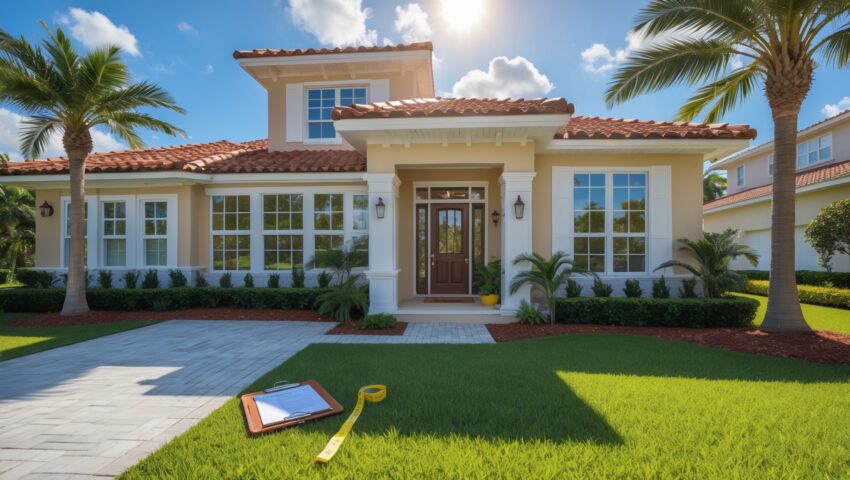
Introduction: The Truth About Florida Home Insurance Inspections
For Florida homeowners, the insurance inspection process can feel shrouded in anxiety and confusion. Are inspectors really searching for ways to deny your coverage? Do you need to overhaul your entire roof or replace windows just to get insured? These are common fears, but the truth is often far less dramatic—and far more manageable—than the myths suggest. In a state with unique risks like hurricanes, flooding, and high humidity, insurance companies require home inspections to evaluate a property’s risk profile and ensure homeowner safety. However, misinformation abounds regarding what these inspections truly entail, what triggers them, and how homeowners can prepare without overspending or falling for costly upgrades they may not even need. This comprehensive guide demystifies Florida home insurance inspections, clarifying what inspectors really look for, debunking persistent myths, and outlining realistic, actionable steps for a smooth process. If you’re buying a home, renewing your policy, or simply want to avoid surprise coverage denials, this is your essential resource.
Understanding the Basics: What Is a Florida Home Insurance Inspection?
Why Do Insurance Companies Require Inspections?
Florida’s unique weather patterns and risk factors make insurance inspections a standard part of homeownership. Carriers use inspections to:
- Assess the current condition of critical home systems (roof, electrical, plumbing, HVAC)
- Verify that homes meet underwriting requirements
- Identify hazards that could increase the likelihood of claims
- Confirm that wind mitigation features are in place for premium discounts
- Protect homeowners and insurers from future liability
Types of Insurance Inspections in Florida
- 4-Point Inspection: Focuses on roof, electrical, plumbing, and HVAC. Required for homes over 30-40 years old.
- Wind Mitigation Inspection: Evaluates features that reduce wind damage, such as roof shape, attachment, and window protection. Can lower premiums.
- Full Home or Underwriting Inspection: A comprehensive check of the property, sometimes triggered by insurer guidelines or policy renewal.
- Roof Certification: Verifies age and condition of the roof, crucial in Florida’s storm-prone climate.
Common Myths About Florida Home Insurance Inspections
Myth 1: Inspectors Are Looking for Reasons to Deny Your Policy
Fact: Inspectors are evaluating risk, not trying to fail your home. Most issues identified can be resolved with repairs or documentation—not total policy denial.
Myth 2: You Must Replace Your Roof if It’s Over 10 Years Old
Fact: Age alone is rarely a disqualifier. Inspectors look for current condition, materials, and expected remaining life. A well-maintained roof can pass even if it’s older.
Myth 3: You Need to Upgrade Everything to the Latest Code
Fact: Older homes are not expected to meet all current codes. Inspectors focus on safety, functionality, and evidence of hazards (e.g., outdated electrical panels, visible leaks).
Myth 4: Passing a Home Inspection Guarantees Claim Approval
Fact: Inspections determine eligibility for coverage, not claim outcomes. Claims are assessed based on the cause of damage and your policy’s specific terms.
Myth 5: All Insurance Inspections Are the Same
Fact: Each inspection type (4-point, wind mitigation, full) has different criteria and forms. Requirements can also vary by insurer.
What Inspectors Really Look For: The Key Areas
1. Roof Condition
- Visible damage: Missing shingles, sagging areas, water stains, or soft spots
- Roof age and type: Documentation may be required for newer roofs
- Signs of leaks or poor repairs
- Proper installation of hurricane straps or clips
2. Electrical System
- Type of wiring (aluminum wiring, knob-and-tube may be flagged)
- Age and manufacturer of electrical panel (certain brands like Federal Pacific and Zinsco are red flags)
- Presence of GFCI outlets in required locations
- Overall condition: exposed wires, amateur repairs
3. Plumbing System
- Type of supply lines (polybutylene pipes may be a problem)
- Visible leaks, corrosion, or water stains
- Age and condition of water heater
- Proper drainage and absence of DIY fixes
4. HVAC (Heating, Ventilation, and Air Conditioning)
- Age, condition, and installation of the system
- Evidence of proper maintenance
- Signs of leaks or mold growth around units
5. Wind Mitigation Features
- Roof shape (hip, gable, flat)
- Roof deck attachment method (nails, screws, spacing)
- Roof-to-wall connections (clips, straps, single wraps)
- Secondary water resistance (underlayment type)
- Opening protection (hurricane shutters, impact-rated glass)
What DOESN’T Matter as Much as You Think
- Cosmetic issues (paint, landscaping, minor cracks)
- Outdated but functional appliances
- Minor, non-structural wear and tear
- Decor choices or clutter (unless it blocks access to inspection points)
Preparing for Your Home Insurance Inspection: Practical Steps
1. Documentation Is Your Friend
- Gather permits for recent upgrades (roof, windows, HVAC, electrical, plumbing)
- Keep receipts for repairs or replacements
- Obtain wind mitigation and roof certification reports if available
2. Address Easy Fixes Beforehand
- Replace missing outlet covers and install GFCI outlets as needed
- Repair minor roof or plumbing leaks
- Clear obstructions to attic, electrical panels, and crawl spaces
- Test smoke detectors and carbon monoxide alarms
3. Be Present (If Possible)
Attending the inspection allows you to answer questions and provide missing paperwork in real time. If you can’t be there, leave documentation in a clearly labeled folder.
4. Don’t Hide Problems
Concealing issues (e.g., painting over stains, blocking access) can backfire. Inspectors are trained to spot these attempts and may flag your home for further review or even deny coverage.
5. Communicate With Your Agent
- Ask what specific inspection(s) your insurer requires
- Inquire about accepted forms, checklists, and documentation
- Discuss any pre-existing issues and how to document repairs
Cost Breakdown: What to Expect and How to Budget
- 4-Point Inspection: $75–$150
- Wind Mitigation Inspection: $80–$150 (often paid for by the homeowner, but some insurance agents offer discounts or free inspections to new clients)
- Full Home/Underwriting Inspection: $150–$400 (price varies based on home size and location)
- Roof Certification: $75–$200
These costs are typically paid by the homeowner, not the insurance company. However, the savings from wind mitigation discounts or avoiding policy cancellation can far outweigh the inspection fee.
After the Inspection: Managing Results and Next Steps
If You Pass
- Request a copy of the inspection report for your records
- Review any recommendations for future upgrades or repairs
- Ask your agent about additional discounts (e.g., wind mitigation features may qualify you for lower premiums)
If You Don’t Pass
- Carefully review flagged issues—most are fixable without major renovations
- Obtain quotes from licensed contractors for repairs
- Complete repairs promptly and provide documentation to your insurer
- Request a re-inspection if required
- Work with your agent to avoid lapses in coverage during the process
Frequently Overlooked Details That Can Lead to Surprises
- Unpermitted Additions: Rooms, sheds, or enclosures without permits can cause headaches. Insurers may require permits or refuse to cover unpermitted spaces.
- Outdated Electrical Panels: Certain brands are automatic red flags. If you have a Federal Pacific, Zinsco, or Challenger panel, replacing it can avoid insurance roadblocks.
- Polybutylene Plumbing: If present, insurers frequently require replacement due to a history of leaks.
- Flat Roofs Over 10 Years Old: May require additional documentation or replacement, even if they appear in good shape.
- Improperly Installed Hurricane Protection: DIY or non-compliant shutters won’t qualify for discounts and may even increase your risk profile.
Case Study: How a Wind Mitigation Inspection Saved a Florida Homeowner $1,200 Annually
Maria, a Tampa homeowner, was facing a steep insurance renewal increase. Her agent suggested a wind mitigation inspection, which cost $100. The inspection documented hurricane straps in the attic, impact-rated windows, and a secondary water barrier under her roof shingles. After submitting the report, Maria’s insurer applied additional discounts, lowering her annual premium by $1,200—far outweighing the inspection cost. She also learned about a minor issue with her garage door bracing, which she fixed for under $200. This case proves the value of understanding and leveraging insurance inspections for both savings and peace of mind.
Pro Tips: Maximizing Inspection Benefits and Avoiding Pitfalls
- Bundle inspections (e.g., 4-point and wind mitigation) to save on travel fees
- Schedule inspections before policy renewal, giving time to address issues
- Keep a digital folder with all inspection reports, permits, and repair receipts
- Ask about insurer-specific requirements (forms, photos, preferred inspectors)
- Consider upgrades that pay for themselves in discounts (impact windows, hurricane straps, electrical panel replacement)
- Stay proactive: regular maintenance reduces the risk of unpleasant inspection surprises
Conclusion: Empowering Florida Homeowners for Insurance Success
Florida’s home insurance inspection process doesn’t have to be a source of dread. With the right information and a proactive mindset, you can navigate inspections confidently, avoid unnecessary expenses, and even unlock meaningful savings. The key is to separate myth from reality: inspectors are not out to fail you, but to ensure your home is safe and insurable. By understanding what inspectors really look for—roof integrity, electrical and plumbing safety, wind mitigation features—you can focus your efforts where they matter most. Don’t get sidetracked by cosmetic worries or pressured into upgrades that aren’t strictly necessary. Instead, invest in critical repairs, keep your documentation organized, and communicate openly with your insurance agent. If you do encounter issues, remember that most are fixable, especially when addressed promptly by licensed professionals. Inspections can even be an opportunity: with wind mitigation discounts and improved risk profiles, many homeowners see substantial savings long-term. Ultimately, knowledge is your best ally. By demystifying the insurance inspection process and preparing strategically, you’ll protect your investment, avoid costly gaps in coverage, and keep your Florida home safe, secure, and fully insured for years to come.
How far in advance of my policy renewal should I schedule a home insurance inspection to ensure there are no last-minute surprises or delays with my coverage?
It’s best to schedule your home insurance inspection at least 4 to 6 weeks before your policy renewal date. This allows enough time for the inspection, report processing, and any recommended repairs or paperwork. Early scheduling helps prevent any delays or last-minute issues with your coverage.
Could you clarify if homeowners are typically given a checklist of what inspectors will focus on for the 4-point and wind mitigation inspections, or is it up to us to research that ahead of time?
Homeowners usually aren’t given an official checklist before a 4-point or wind mitigation inspection. Inspectors follow state guidelines, but the details they review can vary. It’s a good idea to ask your inspector what they’ll be looking at or check sample forms online, so you know what to expect and can prepare accordingly.
I noticed you mention that wind mitigation features can help with premium discounts. Is there a list of specific upgrades or improvements that usually qualify for these discounts, or is it different with each insurer?
Wind mitigation discounts are commonly offered for specific features like hurricane shutters, impact-resistant windows and doors, reinforced roof-to-wall connections, roof coverings rated for high winds, and a roof shape like a hip roof. While most insurers follow similar guidelines, some requirements or eligible improvements can vary, so it’s wise to check with your insurer for their approved list before making upgrades.
You mentioned that there are myths about needing to completely replace things like roofs or windows. How do I know if my property really needs upgrades, or if I can pass the inspection with what I have?
To determine if your current roof or windows are acceptable, check their age, condition, and maintenance history. Inspectors look for signs of damage, leaks, or deterioration rather than just age. If repairs have been done and materials are in good shape, you may not need full replacements. You can also request a pre-inspection from a qualified inspector for tailored advice on your specific property.
Can you clarify if insurance companies can actually deny or cancel your coverage based solely on the findings of a 4-point inspection, or do they typically allow time to make repairs first?
Insurance companies can deny or cancel coverage based on a 4-point inspection if serious issues are found, especially if they pose safety risks or violate underwriting guidelines. However, most companies usually give homeowners a period of time to address and repair the problems before taking such action. It’s best to discuss directly with your insurer about specific timelines and requirements.
The article says the inspection process isn’t as intimidating as some people think, but what’s the usual time frame from scheduling to getting the results and policy decision? Is it something that could delay a home sale or renewal?
Typically, once you schedule a home insurance inspection in Florida, it takes about a week or two to complete the inspection and receive the results. Insurers generally review the findings quickly, so the entire process rarely delays a home sale or policy renewal. However, if issues are found that need repairs, addressing those could add time, so it’s wise to start early.
How often do Florida home insurance companies require repeat inspections, especially after major storms or renovations? I’m trying to budget for possible inspection costs down the line.
Florida home insurance companies typically require an initial inspection when you first get a policy. Repeat inspections are not routine but may be requested after significant events, like major storms or substantial renovations, to reassess risk. Some insurers might also schedule periodic inspections every few years. It’s smart to budget for an inspection every few years, as costs usually range from $75 to $150 per visit.
You mentioned that wind mitigation inspections can help with premium discounts if certain features are in place. What are some of the most effective and cost-efficient upgrades that homeowners can do to maximize these discounts without overspending?
Some of the most effective and cost-efficient upgrades for wind mitigation discounts include installing hurricane-rated window shutters or impact-resistant windows, adding reinforced garage doors, and making sure your roof is properly secured with hurricane clips or straps. Sealing roof decks and addressing any weak points can also help. These improvements are generally less expensive than a full roof replacement but can still qualify you for significant insurance discounts.
How long does this insurance inspection process usually take from scheduling to getting results? I’m trying to plan my home purchase and not sure how much time to set aside for possible follow-up repairs or paperwork.
The inspection process in Florida usually takes about 1 to 2 weeks from the time you schedule it to when you receive the results. The actual inspection itself often lasts 1 to 2 hours. If the inspector notes issues that require follow-up repairs, the timeline can extend depending on how quickly repairs are completed and re-inspected. Be sure to allow extra time in your plans for any necessary paperwork or fixes after the initial report.
Does the article explain if a home can ever fail a Florida home insurance inspection completely, or do inspectors usually suggest repairs that give you a chance to fix things? I’m worried about being denied coverage right after an inspection.
The article explains that it’s rare for a home to completely fail a Florida home insurance inspection on the first try. Inspectors typically identify issues and recommend repairs, giving you the opportunity to fix them. Only in cases of major, unaddressed safety risks might coverage be denied outright, but most homeowners are given a chance to make corrections before any decisions are final.
You mention that misinformation can lead to overspending on upgrades. Are there particular home improvements that are often recommended but not really necessary for passing an inspection in most cases?
Yes, some upgrades are often suggested but aren’t required for most insurance inspections. For example, full roof replacements or installing the highest-rated hurricane windows are sometimes recommended even when your current ones are still compliant. Similarly, expensive electrical panel swaps may not be necessary if your existing panel meets current safety standards. It’s best to confirm with your insurance provider or inspector before making big improvements solely for inspection purposes.
I am in the process of buying my first home in Florida and I’m confused about whether I’ll need both a 4-point and a wind mitigation inspection. The article mentions they serve different purposes, so is it typical to get both at the same time, or does it depend on the insurance company’s requirements?
It’s common for homebuyers in Florida to get both a 4-point and a wind mitigation inspection, especially if the home is older. The 4-point inspection is usually required for insurance approval, while the wind mitigation inspection can help you qualify for discounts. Some insurance companies might require only one or both, so it’s best to check with your insurer before scheduling. Many inspectors offer both services during the same visit for convenience.
After an inspection, how long does it typically take for the results to reach my insurance company and for them to respond with their decision or any required next steps? I’m concerned about potential delays affecting my policy.
After a home insurance inspection in Florida, it usually takes between a few days to two weeks for the inspection report to reach your insurance company. Once received, most insurers review the results and respond with their decision or any required next steps within another week. If you’re worried about delays, you can check with your inspector or agent to confirm that the report was submitted promptly and ask your insurance company for a specific timeline.
If I’m in the process of renewing my policy and my home hasn’t had recent updates, is there anything specific I should look for or fix ahead of a required inspection to avoid surprise denials or expensive repairs down the line?
Before your inspection, check for any obvious issues like roof damage, leaks, or signs of water intrusion, as these are common red flags. Make sure electrical panels, heating systems, and plumbing are in good shape and up to code. Also, trim trees near your home and clear gutters. Addressing small problems now can prevent them from becoming reasons for denial or costly repairs later.
How much advance notice do insurance companies usually give homeowners before an inspection, and do I need to be present for the entire process or just make the house accessible?
Insurance companies in Florida typically give homeowners at least several days to a week of advance notice before scheduling a home insurance inspection. While you don’t usually need to be present for the entire inspection, you do need to ensure the inspector has access to the property, including any locked areas like garages or utility rooms. Some homeowners prefer to be present to answer questions, but it’s not mandatory.
You mention that inspectors verify if homes meet underwriting requirements. What usually happens if something like the plumbing system doesn’t fully comply—are we given a chance to fix it before being denied insurance?
If an inspector finds that your plumbing system or another aspect of your home doesn’t meet the insurance company’s underwriting requirements, you’re usually given a chance to address the issue. The insurer will often provide a list of needed repairs or upgrades, and you’ll have a set time frame to complete them before your policy is denied or canceled. It’s best to communicate with your agent to understand the exact steps and timeline.
The article mentions that wind mitigation features can qualify homeowners for premium discounts. Could you clarify which specific upgrades or features are most likely to result in significant savings, and whether these are typically worth the upfront investment in Florida?
Wind mitigation features that often lead to significant insurance discounts in Florida include impact-resistant windows and doors, reinforced roof-to-wall connections (like hurricane clips), a roof covering that meets Florida Building Code standards, and a roof shape such as a hip roof. These upgrades can result in noticeable savings on premiums. While the upfront investment can be substantial, in hurricane-prone areas of Florida, the long-term savings and increased protection usually make them worthwhile.
If I’m just renewing my policy and not buying a new home, is a full inspection required every time, or only when certain things change with the property?
A full home insurance inspection isn’t required every time you renew your policy. Inspections usually happen when there are significant changes to your property, major renovations, or sometimes at the insurer’s discretion if they need updated information. If nothing major has changed and your insurer hasn’t specifically requested an inspection, you typically won’t need a new one with each renewal.
For a homeowner whose property is just hitting that 30-year mark, what are the most cost-effective ways to prepare before scheduling a 4-point inspection? Are there common upgrades or fixes that actually matter, or is it best to address only what an inspector specifically requires?
For a 30-year-old home, it’s smart to address the major systems covered in a 4-point inspection: roof, electrical, plumbing, and HVAC. Focus on obvious issues like roof leaks, exposed wiring, or outdated electrical panels, leaky pipes, and malfunctioning HVAC units. Simple repairs or updates in these areas are often worthwhile and could prevent failing the inspection. It’s usually not necessary to upgrade items beyond what insurers require, but ensuring everything is safe and in good working order is key.
Could you clarify what specific types of issues with roofing, electrical, or plumbing tend to cause insurers to actually deny coverage during a Florida 4-point inspection? Are there common red flags I should look for before scheduling an inspection?
Insurers often deny coverage if a 4-point inspection finds serious roofing problems like missing shingles, leaks, or roofs nearing the end of their useful life. For electrical, common red flags include outdated panels (like Federal Pacific or Zinsco), exposed wiring, or lack of grounding. In plumbing, insurers look for old or deteriorating pipes, especially polybutylene or galvanized pipes prone to leaks. Addressing these issues beforehand can help you avoid coverage denial.
If my house is just over 30 years old and I need a 4-point inspection, are there specific things inspectors usually flag that could cause my insurance to be denied or get really expensive? Should I fix certain things before scheduling the inspection?
For homes over 30 years old, inspectors focus on four main areas: roof, electrical, plumbing, and HVAC. Common issues that may raise flags include an old or damaged roof, outdated electrical panels (like Federal Pacific or Zinsco), leaking or polybutylene plumbing, and old or malfunctioning HVAC systems. Addressing visible leaks, exposed wiring, and roof damage before the inspection can help avoid insurance denial or higher premiums.
For someone who recently bought a home that’s over 40 years old, what’s the best way to avoid spending on unnecessary repairs before the insurance inspection? Are there red flags that usually trigger required fixes versus just recommended ones?
For homes over 40 years old, focus on key areas inspectors often flag: the roof, electrical system, plumbing, and HVAC. Issues like old wiring, leaky roofs, or outdated plumbing are more likely to require immediate repairs for insurance approval. Cosmetic flaws or minor wear are usually just recommendations. Consider having a pre-inspection by a licensed home inspector to spot potential red flags so you can address only what’s necessary.
If a homeowner recently replaced their roof but not the windows, will that have a significant impact on their eligibility for insurance discounts based on wind mitigation, or is the roof the primary concern?
Replacing your roof will definitely help you qualify for wind mitigation discounts, as the roof is one of the most important factors insurers look at. While upgrading windows to be impact-resistant can also lead to additional savings, the roof typically has the greatest impact on your eligibility for discounts. So even if your windows haven’t been replaced, a new roof will still make a significant difference.
If I have a house in Florida that’s just over 30 years old, do I definitely have to get a 4-point inspection, or are there situations where it’s not required by the insurance company?
A 4-point inspection is commonly required by insurance companies in Florida for homes over 30 years old, but it’s not always mandatory. Some insurers might not require it, especially if your home has had recent updates or if you’re renewing with your current provider. It’s best to check directly with your insurance company, as their requirements can vary.
How much advance notice do insurance companies typically give for these inspections in Florida? I work long hours and need to plan ahead so I am home or can have someone else there.
Insurance companies in Florida usually give at least 7 to 14 days’ advance notice before scheduling a home inspection, though some may provide more. They will typically contact you by phone, email, or mail to arrange a convenient time. If you can’t be present, it’s fine to authorize someone else to let the inspector in. Always confirm the appointment details with your insurer.
How quickly do insurance companies usually respond after the inspection is completed, and is there a typical waiting period before coverage decisions are finalized?
Insurance companies in Florida generally respond within a few days to a couple of weeks after the home inspection is completed. The waiting period before a coverage decision is finalized can depend on the company’s workload and if further information is needed, but most homeowners can expect a decision within 7 to 14 days. If you haven’t heard back after two weeks, it’s a good idea to follow up directly with your insurer.
Can you clarify what kind of wind mitigation features qualify for insurance discounts in Florida? Are things like hurricane shutters and reinforced garage doors always counted, or does it depend on the insurance company?
Wind mitigation features like hurricane shutters, reinforced garage doors, impact-resistant windows, and roof-to-wall attachments can qualify for insurance discounts in Florida. However, the specific discounts and which features are recognized may vary between insurance companies. Generally, certified features that meet Florida Building Code standards are accepted, but it’s best to check with your insurer to find out exactly what they require and what documentation you need.
Is it true that replacing older windows isn’t always required to pass a Florida home insurance inspection, or could my policy still be at risk if I keep my original windows in a house over 30 years old?
Yes, it’s true that replacing older windows isn’t always required to pass a Florida home insurance inspection. Insurers often look for specific safety features, such as impact resistance or proper storm protection. However, if your original windows lack these features, your policy could be at risk or you may face higher premiums. It’s a good idea to check with your insurer about their requirements for older windows.
I see the article mentions wind mitigation inspections can lead to premium discounts. Realistically, how much do typical homeowners actually save after making recommended upgrades like hurricane straps or impact windows, and are these savings worth the investment?
Homeowners in Florida often see premium reductions of 10% to 40% after making upgrades like hurricane straps or installing impact-resistant windows, depending on the home’s age, location, and insurer. While these improvements can involve significant upfront costs, many homeowners recoup their investment over several years through lower insurance bills. Plus, you’ll benefit from added storm protection and possibly increased property value, making the upgrades worthwhile for many people.
If I’m about to buy a home in Florida, at what point in the process does the insurance inspection usually happen, and how long do the results take to come back?
The insurance inspection in Florida usually takes place after your offer on a home is accepted and while you’re in the due diligence or inspection period, but before you finalize the insurance policy. Most inspections are scheduled within a few days and the results are typically available in 24 to 72 hours, depending on the inspector’s workload and report complexity.
Do insurance companies in Florida still require a separate wind mitigation inspection if my house was built recently to updated codes, or does that information automatically come from city records?
Even if your house was built recently to updated codes, most Florida insurance companies still require a separate wind mitigation inspection to apply specific credits or discounts. While building code information is available in city records, insurers often need the official inspection report to verify features like roof shape, materials, or specific reinforcements. It’s a good idea to ask your insurer directly, but in most cases, the inspection is still needed.
You mention that some wind mitigation features can help lower premiums. Is there a list of the most cost-effective upgrades that actually make a difference on insurance rates in Florida?
Yes, some wind mitigation upgrades are particularly effective in reducing insurance costs in Florida. The most cost-effective improvements typically include installing hurricane straps or clips on your roof, using impact-resistant windows and doors, adding a secondary water barrier, and reinforcing your garage door. Having a roof with proper shape (hip roofs are preferred) and using reinforced roof decking can also make a noticeable difference. Insurers often provide the biggest discounts for these specific upgrades.
If my insurance company asks for a new inspection when I’m renewing my policy, is that usually because my house is aging, or might there be specific factors that trigger a re-inspection?
A request for a new inspection at renewal can be due to more than just the age of your home. Insurance companies might also ask for a new inspection if they’ve updated their underwriting guidelines, if there have been recent claims, changes in local risk factors, or if your last inspection is outdated. Sometimes, significant renovations or visible exterior changes can prompt a re-inspection too.
You mention wind mitigation features for premium discounts. What are some examples of these features, and are they usually worth the investment for homeowners who want to lower their insurance costs?
Wind mitigation features can include impact-resistant windows and doors, roof coverings rated for high winds, reinforced roof-to-wall connections (like hurricane clips), and properly sealed roof decks. These upgrades can lead to significant insurance discounts because they make your home more resistant to storm damage. For many Florida homeowners, especially those in high-risk areas, the savings on premiums over time often offset the upfront investment.
If an inspection identifies a hazard or something out of code, does the insurance company give you time to fix it before they adjust or cancel your coverage, or do they make changes immediately?
If an inspection finds a hazard or something not up to code, most insurance companies will notify you and give you a set timeframe to address the issues—usually between 30 and 60 days. They typically do not make immediate changes to your coverage unless the problem is extremely severe. It’s best to communicate with your insurer and resolve the issues promptly to avoid any coverage interruptions.