

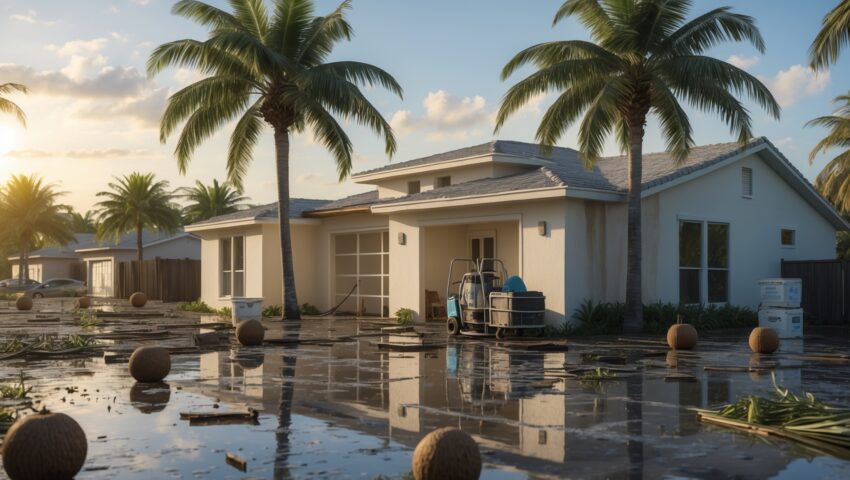
Introduction: Rising Flood Risks and Insurance Settlements in Florida
Florida homeowners face a unique challenge: managing the increasing risk of flooding and the often-complex process of securing fair insurance settlements after flood damage. With intensifying hurricanes, unpredictable storm surges, and aging drainage infrastructure, flooding has become a frequent and sometimes devastating event for Florida residents. Understanding the intricacies of home insurance settlements after a flood isn’t just about recovering costs—it’s about safeguarding your home, financial stability, and peace of mind. Many homeowners, especially those experiencing this for the first time, make critical missteps that delay recovery, reduce payouts, or even lead to claim denials.
This guide provides a step-by-step, practical roadmap for navigating home insurance settlements after flooding in Florida. We’ll detail actionable strategies to maximize your payout, avoid common pitfalls, and ensure compliance with state laws and insurance requirements. You’ll learn what to do immediately after a flood, how to document damages, communicate effectively with insurers, manage adjuster visits, understand policy fine print, and leverage legal resources if needed. Whether you’re recovering from a recent flood or preparing for the future, this comprehensive resource will help you take control of your settlement and get your home—and life—back on track.
Understanding Florida Flood Insurance: The Basics
Flood Insurance vs. Homeowners Insurance
Standard homeowners insurance policies do not cover flood damage. Flood insurance is typically purchased separately through the National Flood Insurance Program (NFIP) or private providers. Understanding this distinction is crucial. If your home is in a designated flood zone, your mortgage lender likely requires flood coverage. However, even homes outside high-risk areas can be at risk and can benefit from a dedicated flood insurance policy.
Key Policy Provisions to Know
- Coverage Limits: NFIP policies generally cover up to $250,000 for the structure and $100,000 for personal contents. Private insurers may offer higher limits.
- Exclusions: Most policies exclude items like landscaping, swimming pools, and certain outbuildings. Temporary housing costs are also not covered under NFIP policies.
- Deductibles: These can range substantially. Know your out-of-pocket responsibility before filing a claim.
Why Policy Review Matters
Before disaster strikes, review your policy for coverage gaps, exclusions, and claim limits. If you’re unsure, ask your insurance agent for clarification or consult a local insurance attorney specializing in flood claims.
Immediate Steps to Take After Flooding
1. Ensure Safety First
Before doing anything else, confirm that it’s safe to enter your property. Floodwaters may hide electrical hazards, structural damage, or contaminants. If in doubt, wait for professionals to clear the building.
2. Notify Your Insurance Provider Promptly
Time is of the essence. Contact your insurance company as soon as possible—most policies require notification within a set time frame (often 60 days for NFIP). Document the date, time, and content of your communication. Ask for a claim number and your adjuster’s contact information.
3. Document All Damage Thoroughly
- Take wide-angle and close-up photos/videos of every affected area, including walls, floors, ceilings, and damaged belongings.
- List all damaged items, including brand, model, purchase date, and estimated value.
- Save receipts for emergency repairs (e.g., tarping, water removal) and temporary lodging if applicable.
4. Prevent Further Damage
Most policies require you to take reasonable steps to prevent additional damage. This could include boarding up windows, starting water extraction, and moving undamaged property to a safe area. Document these actions—they show good faith and may be reimbursable.
Working With Insurance Adjusters: Dos and Don’ts
What to Expect from the Adjuster Visit
Your insurer will send an adjuster to inspect the damage, estimate repair costs, and gather documentation. The adjuster’s report will heavily influence your settlement, so preparation is critical.
Preparation Checklist
- Have your claim number, policy documents, and inventory of losses ready.
- Be present during the inspection and walk the adjuster through all affected areas.
- Point out hidden or less obvious damage (e.g., soaked insulation, warped flooring under carpets).
- Keep records of all conversations and request a copy of the adjuster’s report.
Common Mistakes Homeowners Make
- Not providing enough documentation: Insufficient photos or missing receipts can reduce your payout.
- Accepting the first settlement offer: Initial offers are often lower than the actual cost of repairs; you have the right to negotiate.
- Repairing before documentation: Don’t discard or repair damaged items until they’ve been documented by the adjuster unless necessary to prevent further damage.
Maximizing Your Settlement: Detailed Strategies
1. Compile a Comprehensive Loss Inventory
Create a spreadsheet or use inventory apps to log every affected item. Include details like age, original price, and estimated replacement value. Attach photos and receipts where possible. The more detailed your inventory, the stronger your claim.
2. Get Multiple Repair Estimates
Don’t rely solely on the insurance adjuster’s assessment. Obtain independent estimates from licensed Florida contractors. If discrepancies exist, submit these estimates to your insurer as evidence for a higher settlement.
3. Understand Depreciation and Replacement Cost
- Actual Cash Value (ACV): Payment reflects the depreciated value of items.
- Replacement Cost Value (RCV): Payment covers the cost to replace items at today’s prices, provided you actually replace them.
Check your policy to determine which method applies. If you have RCV coverage, you may receive an initial payment based on ACV and a supplemental payment after repairs or replacements are completed with proof.
4. Track All Expenses and Communications
Maintain a dedicated folder or digital file for every piece of correspondence, receipt, and estimate related to your claim. Meticulous records can resolve disputes and speed up payment.
5. Know When to Escalate
If your insurer denies your claim, undervalues damages, or delays payment, you have options. File a complaint with the Florida Office of Insurance Regulation, seek mediation, or consult a public adjuster or attorney experienced in flood claims.
Legal Protections and Rights for Florida Homeowners
Florida’s Homeowner Claims Bill of Rights
Florida law provides robust protections for policyholders. The Homeowner Claims Bill of Rights outlines your right to:
- Receive acknowledgment of your claim within 14 days.
- Receive a decision on your claim within 90 days.
- Be free from unfair claim denials or delays.
When to Hire Professional Help
- Public Adjusters: Licensed professionals who work on your behalf, not the insurer’s, to assess damages and negotiate settlements. They typically charge a percentage of the claim payout but can help maximize your recovery, especially in complex or high-value cases.
- Attorneys: If your claim is denied unfairly, significantly undervalued, or involves legal disputes (like bad faith), consult an attorney specializing in property insurance litigation. Most offer free consultations and work on contingency.
Common Legal Pitfalls
- Missing notification deadlines.
- Making permanent repairs before adjuster documentation.
- Failing to mitigate additional damage.
These missteps can result in claim denial or reduced settlements.
Flood Damage Restoration: Steps to a Safe Recovery
1. Choose Certified Restoration Professionals
Flood cleanup is hazardous work. Select contractors certified by the Institute of Inspection Cleaning and Restoration Certification (IICRC) or similar bodies. Check for proper Florida licensing and insurance.
2. Mold Remediation
- Mold can develop within 24-48 hours after flooding. Ensure your restoration company includes mold assessment and remediation in their service.
- Document pre-existing and post-flood conditions for your insurance claim and future resale disclosures.
3. Permits and Inspections
Depending on the extent of repairs (especially structural or electrical work), you may need permits and inspections from your local Florida building department. Unpermitted work can jeopardize future insurance claims and home sales.
Budgeting and Out-of-Pocket Costs
Understanding Deductibles and Coverage Gaps
Deductibles apply per claim, not per year, and can be a significant out-of-pocket expense. Review your policy for any coverage gaps—some policies exclude basements, certain flooring types, or detached structures. Consider these costs as you plan your recovery budget.
Financing Repairs
- Some contractors offer payment plans or work directly with insurers for direct payment.
- Explore state and federal disaster assistance programs (such as FEMA grants) for uninsured losses or gaps.
Preventing Future Losses: Upgrades and Insurance Adjustments
1. Elevate and Floodproof
After major flooding, consider upgrades like raising electrical systems, installing flood vents, or elevating the structure. These improvements can make your home more resilient and may reduce future premiums.
2. Update Your Insurance Policy
Once repairs and upgrades are complete, update your insurance to reflect the new value and features of your home. Ask your agent about discounts for mitigation measures.
3. Maintain Documentation
Keep all records of repairs, upgrades, and inspections. This documentation streamlines future claims and can be crucial for resale value.
Real Florida Case Study: Successful Flood Settlement
After a severe storm in 2022, a Tampa homeowner experienced significant flooding. By immediately documenting damage with photos and videos, promptly notifying their insurer, securing independent repair estimates, and hiring a public adjuster after the initial low settlement offer, they ultimately received a payout that covered full repairs and temporary housing. Their key to success: meticulous documentation, proactive communication, and professional advocacy.
Conclusion: Taking Charge of Your Flood Recovery
Flooding is a stressful, disruptive event for any Florida homeowner—but you’re not powerless. By understanding your insurance coverage, acting quickly and methodically after a flood, and proactively managing your claim, you can recover faster and more completely. Remember, your insurer is a business; it’s up to you to advocate for your rights, document every detail, and negotiate assertively. Don’t hesitate to seek professional help if you encounter delays, lowball offers, or legal obstacles.
Beyond immediate recovery, consider how this experience can make your home and finances more resilient. Explore upgrades that reduce future flood risk, adjust your insurance as needed, and maintain thorough documentation. With preparation, expert guidance, and a strategic approach, you can not only restore your home but strengthen it for the future. Whether you’re facing flood recovery now or preparing for what’s ahead, knowledge is your best defense—and your greatest asset—in navigating Florida’s complex world of home insurance settlements.
If my house was flooded and I only have a standard homeowners insurance policy, what immediate steps should I take if I haven’t purchased a separate flood insurance plan yet?
If you only have standard homeowners insurance, unfortunately, flood damage is usually not covered. Still, document all damage with photos and notes, and contact your insurance agent to confirm what your policy may cover, such as wind-driven rain or other related damages. You should also consider applying for disaster assistance through FEMA if a federal disaster is declared in your area.
I noticed the article mentions the importance of understanding policy fine print. Are there particular provisions in Florida flood insurance policies that commonly trip up first-time claimants or that are often misunderstood during the settlement process?
Yes, several provisions in Florida flood insurance policies can cause confusion. One common area is exclusions for certain types of water damage, such as sewer backups not directly caused by flooding. Many policyholders also misunderstand coverage limits and the requirement to document all damages thoroughly. Additionally, the timing for filing claims and submitting proof of loss forms can be strict, leading to denied or reduced settlements if deadlines are missed.
Can you clarify what kinds of documentation are most important to gather right after a flood to avoid delays or claim denials later in the insurance process?
After a flood, it’s crucial to document everything thoroughly. Take clear photos and videos of all damaged areas and belongings before you make any repairs or clean up. Save receipts for emergency repairs, temporary lodging, or cleanup costs. Gather copies of your insurance policy, home inventory lists, and any previous appraisals. Written descriptions of damage and timelines of events are also very helpful for your claim.
Are there any cost-effective ways Floridians can prepare documentation or repairs in advance that tend to maximize payouts, especially for those on a tight budget who don’t want to risk claim denials?
Absolutely—keeping detailed, up-to-date records is both cost-effective and helpful for claims. Take clear photos or videos of your home and belongings before any damage occurs. Save receipts for any repairs or upgrades, even if they’re small. Keep a simple inventory list of your possessions. For repairs, consider tackling minor maintenance yourself to prevent issues that could later be denied as neglect. These steps help prove losses and show responsible ownership, improving your chances of a fair payout.
The article mentions mistakes that can reduce settlements or cause denials. Can you share a few common pitfalls that Florida homeowners should look out for when communicating with adjusters after flood damage?
Absolutely. Common pitfalls include giving vague or incomplete information about the damage, accepting the adjuster’s first offer without question, or failing to document everything thoroughly with photos and lists. Also, avoid making repairs before the adjuster has inspected your property, as this can lead to disputes. Be honest, detailed, and keep records of all your communications with the insurance company.
For a business owner with property in a moderate-risk flood zone, how do I determine if upgrading my coverage is worth the extra cost, especially since storms seem less predictable now?
To decide if upgrading your flood coverage is worth it, weigh the potential financial loss from a flood against the increase in premium costs. Review your property’s value, the typical damage costs in moderate-risk zones, and how climate trends might affect your risk. It can also help to get quotes for higher coverage levels and compare them to the possible out-of-pocket expenses if a major storm hits.
I see the guide covers maximizing payouts after flooding. Does it address what to do if your insurer offers a settlement amount that seems too low, and what negotiation strategies Florida homeowners can use in that situation?
Yes, the article does discuss what to do if you receive a settlement offer that appears too low. It explains that Florida homeowners should carefully review the offer, gather documentation of all damages, and prepare a detailed counteroffer. The guide also suggests negotiating by highlighting overlooked damages, using independent contractor estimates, and involving a public adjuster if needed. These strategies can help ensure you get a fair settlement.
You mention legal resources might be necessary if claim issues come up. At what stage in the settlement process should a Florida homeowner consider contacting an attorney, and are there warning signs that suggest it’s time to seek legal help?
A Florida homeowner should consider contacting an attorney if the insurance company denies the claim, offers an unreasonably low settlement, delays payment without explanation, or disputes the extent of the damage. If you feel pressured to accept a quick settlement or the insurer stops communicating, these are also warning signs. It’s wise to seek legal advice early if any part of the process seems unfair or unclear to you.
You noted the importance of understanding policy fine print and leveraging legal resources if needed. At what point in the claims process should a homeowner consider consulting a lawyer, and what legal issues most commonly come up during Florida flood insurance settlements?
A homeowner should consider consulting a lawyer if their claim is denied, underpaid, or delayed for an unreasonable amount of time, or if they feel overwhelmed by confusing policy terms. Common legal issues in Florida flood insurance settlements include disputes about coverage exclusions, disagreements over repair costs or damage valuation, and challenges related to claim documentation. A lawyer can help interpret policy fine print and advocate for the homeowner’s rights at any stage, especially if negotiations with the insurer stall.
If you have both a standard homeowners policy and a separate flood insurance policy, how do you coordinate between them when filing a claim after flooding? Is there a specific order or process you need to follow?
When dealing with both a homeowners policy and a separate flood insurance policy, you should file your flood claim with your flood insurer first, since standard homeowners policies typically exclude flood damage. Make sure to document all damage thoroughly. Notify your homeowners insurer as well, because some water-related damage not caused by flooding might be covered under that policy. Each insurer will guide you through their claims process, but starting with the flood insurer is usually the correct first step.
You mentioned legal resources as a last resort—can you explain at what point it makes sense to contact a lawyer during the settlement process, and how expensive that typically gets for an average homeowner?
It makes sense to contact a lawyer if your insurance claim is denied, significantly underpaid, or if the insurer is unresponsive after you’ve tried negotiating. Legal help can also be useful if you feel pressured to accept a low offer. Costs vary, but many lawyers work on a contingency fee for insurance cases—meaning they only get paid if you win, often around 10% to 20% of your settlement.
If your mortgage lender doesn’t require flood insurance because your house is outside a high-risk zone, but you still get flooded, will regular homeowners insurance help at all? Or is a separate flood policy always necessary for any chance at a settlement?
Regular homeowners insurance usually does not cover damage caused by flooding, even if your home is outside a high-risk flood zone. To receive a settlement for flood damage, you generally need a separate flood insurance policy. Without flood insurance, it’s unlikely your homeowners policy will help with flood-related losses.
If a homeowner discovers additional flood damage after the initial adjuster visit, is there a recommended process for amending the claim, or are there risks of the claim being denied if supplemental damages are reported late?
If you find more flood damage after the adjuster’s first visit, you should notify your insurance company as soon as possible and file a supplemental claim. Most policies allow for amending claims, but delaying can complicate things or raise questions. Take photos, document new damages, and communicate promptly to reduce risks of denial.
The guide talks about managing adjuster visits and understanding policy fine print. How much time do I usually have to file a claim after a flood in Florida? I don’t want to miss any deadlines while sorting through everything.
In Florida, you typically have up to one year from the date of the flood event to file a claim with your flood insurance provider, such as through the National Flood Insurance Program (NFIP). However, starting the process as soon as possible is recommended, since some private insurers may have shorter deadlines. Double-check your policy for any specific requirements and notify your insurer promptly to avoid missing any important timeframes.
If my policy is through the NFIP but I also have private flood coverage, how does the claims process work in Florida? Do I need to file with both, and what are the common pitfalls to watch out for with overlapping coverage?
If you have both NFIP and private flood insurance, you should review both policies to see which is primary and which is excess. Usually, you file a claim with your primary insurer first, then the excess policy may cover what’s not paid. Be careful—double filing the same loss or relying on duplicate coverage can lead to claim denials. Make sure you coordinate with both insurers and keep clear records of all communications.
If my property is not located in a designated flood zone but still experiences flooding, will there be any issues with claiming through private flood insurance versus the NFIP? Is one option usually faster or more reliable for settlements?
You can file a flood insurance claim whether or not your property is in a designated flood zone, as long as you have an active policy. Private flood insurance sometimes offers faster claims processing and broader coverage compared to NFIP, but this can vary depending on the provider. With NFIP, the process is standardized but may take longer due to federal procedures. Review your policy details and contact your insurer promptly to understand the exact steps and timelines.
I saw that you recommend understanding the policy fine print. What are some common exclusions or limitations in Florida flood insurance policies that might surprise homeowners, especially when trying to maximize their payout after a flood?
Many homeowners are surprised to find that flood insurance often excludes damage to basements, pools, landscaping, and personal items stored below ground level. Policies also typically limit coverage for mold or mildew unless you can prove it was caused directly by the flood and not neglect. Additional living expenses, such as hotel stays during repairs, are often not covered either. Reviewing these details can help you avoid unexpected shortfalls when filing a claim.
How long does the insurance settlement process usually take after a flood in Florida? I’m trying to plan for how long we might need to stay somewhere else and cover expenses before any money actually comes in.
The insurance settlement process after a flood in Florida generally takes anywhere from a few weeks to several months, depending on the severity of the damage and how quickly documents and inspections are completed. If your claim is straightforward, you might see payments within 30 to 60 days, but more complex cases can take longer. It’s a good idea to budget for at least a couple of months of alternative living expenses just in case.
I noticed you mentioned avoiding common pitfalls that could lead to claim denials. Could you clarify what some of those mistakes are, especially for first-time claimants in Florida? Are there any state-specific steps I should be extra careful about?
Some common mistakes that can lead to claim denials in Florida include failing to document damage thoroughly, waiting too long to notify your insurer, starting repairs before the adjuster visits, or not understanding your policy’s specific flood coverage. In Florida, be careful to comply with deadlines for reporting and submitting documentation, and always keep clear records of your communications and expenses related to the claim.
If my house is outside a designated flood zone but I still want to be proactive, what are the main policy differences to look for when choosing between NFIP and private flood insurance providers?
When considering NFIP versus private flood insurance outside flood zones, key differences include coverage limits, waiting periods, and flexibility. NFIP policies have set coverage caps and a 30-day waiting period, while private insurers may offer higher limits, broader coverage options (like additional living expenses), and shorter waits. Review exclusions, claim processes, and whether replacement cost or actual cash value is used. Comparing these features helps you choose the best fit for your needs.
After a flood, how soon should we start communicating with our insurance company, and is there an optimal way to approach those first conversations to avoid claim delays or denials?
You should contact your insurance company as soon as it is safe to do so after a flood. Early communication helps prevent delays and shows your commitment to the process. When speaking with them, be factual and detailed about the damage, avoid exaggerations, and keep records of all conversations. Take photos and make a list of damaged items before cleaning up, as this documentation can be critical for your claim.
Since homeowners insurance and flood insurance are separate, what happens if someone only has regular homeowners insurance and flooding damages their property in Florida? Is there any help or recourse in that situation?
If a homeowner in Florida only has standard homeowners insurance, damage caused specifically by flooding is usually not covered, as flood damage is excluded from most homeowners policies. In that situation, the homeowner would not receive a payout for flood-related losses from their insurer. However, they may qualify for federal disaster assistance if a federal disaster is declared, or possibly low-interest loans from FEMA. These forms of help are generally limited and may not cover all losses.
If my adjuster’s damage estimate seems a lot lower than what repairs will actually cost, what’s the best way to challenge it or negotiate with the insurance company? Are there specific steps you recommend in Florida?
If the adjuster’s estimate seems too low, start by gathering detailed repair estimates from licensed Florida contractors to support your claim. Submit these to your insurance company along with photos and documentation of the damage. Clearly explain why you believe the adjuster’s estimate is insufficient. If needed, request a reinspection or invoke your policy’s appraisal clause, which allows an independent review. Keeping all communication in writing is also important for tracking progress.