

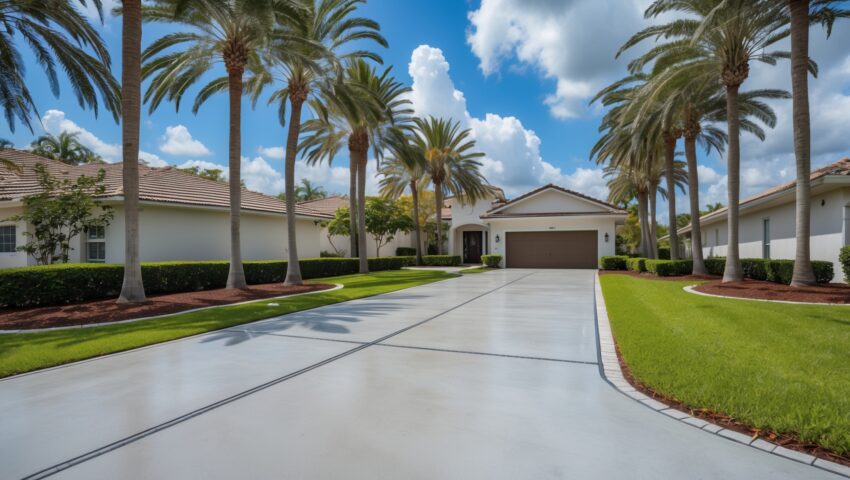
Introduction: Why Florida Driveway Expansions Demand Special Attention
Expanding your driveway may seem like a straightforward home improvement project, but in Florida, it comes with unique challenges and regulatory hurdles. From navigating local permitting requirements to budgeting for materials that withstand the subtropical climate, and ensuring you don’t inadvertently create drainage problems that can lead to fines or neighborhood disputes—the process can quickly become daunting. The state’s frequent storms and stringent code enforcement mean that what works in other regions may not apply here. This guide is designed to walk Florida homeowners through every step of a driveway expansion, focusing on compliance, cost management, and common drainage pitfalls. Whether you’re looking to add space for an extra vehicle, upgrade from gravel to pavers, or simply improve curb appeal, understanding the complexities of driveway projects in Florida will save you time, money, and headaches. Read on for detailed, practical advice from permit application to final inspection, so your upgrade is both flawless and future-proof.
Understanding Florida’s Driveway Regulations
Local Code Variations
Driveway regulations in Florida are governed primarily at the municipal and county levels. There’s no one-size-fits-all state code. For example, Miami-Dade, Broward, and Orange counties each have distinct rules regarding allowable materials, maximum width, setback requirements, and connection to public roads. Some neighborhoods with homeowners’ associations (HOAs) add another layer of approval. Always start with your local building department and HOA (if applicable) to obtain the latest requirements.
- Setbacks: Minimum distance from property lines—often 3 to 5 feet, but can vary.
- Maximum Coverage: Many municipalities limit how much of your front yard can be paved to maintain green space and manage runoff.
- Materials: Asphalt, concrete, and pavers are commonly permitted, but some areas restrict gravel or permeable options.
- Street Connection: Modifications to the curb or apron may require additional approvals from the public works department.
Permit Requirements
Most Florida jurisdictions require a permit for driveway expansions, especially if you’re increasing the impervious surface area or altering drainage. Failing to obtain a permit can result in stop-work orders, fines, and even forced removal of the driveway.
- Documents Needed: Site plan showing proposed expansion, property lines, utility locations, and existing landscaping.
- Typical Fees: $50–$300, depending on municipality and project scope.
- Timeline: Permitting can take 1–4 weeks; plan ahead if you’re on a deadline.
Step-by-Step Permit Application Process
1. Research Local Requirements
Visit your city or county building department’s website. Look for driveway permit checklists—many now provide downloadable forms and sample site plans. Don’t forget to check for HOA or deed restrictions before proceeding.
2. Prepare Your Site Plan
Sketch your property, marking existing structures, trees, utilities, and the proposed driveway boundaries. Precision matters: most jurisdictions require plans to scale. Consider hiring a professional if your lot is irregular or slopes significantly.
3. Submit Application and Pay Fees
Submit your permit application, site plan, and any supporting documents. Pay the required fee. Some counties now accept digital submissions, which can speed up the process.
4. Await Review and Respond to Comments
Reviewers may request clarifications, especially regarding drainage or proximity to utilities. Respond promptly to avoid delays.
5. Schedule Inspections
Once approved, you’ll typically need at least two inspections: one for the sub-base and forms before pouring concrete or laying pavers, and a final inspection upon completion.
Budgeting for Your Driveway Expansion
Material Cost Breakdown
- Concrete: $7–$15 per square foot installed. Durable and low-maintenance, but must be sealed and sloped properly for Florida rain.
- Asphalt: $5–$12 per square foot. Cools faster than concrete but softens in high heat and may require more frequent sealing.
- Pavers: $10–$25 per square foot. Excellent for drainage, customizable appearance, higher initial cost but easier to repair.
- Gravel: $2–$5 per square foot. Budget-friendly, but usually discouraged by HOAs and municipalities due to loose material concerns and runoff issues.
Labor and Site Preparation
- Excavation and Grading: $1–$4 per square foot. Critical for proper drainage; may require removal of old material and tree roots.
- Demolition (if expanding an existing driveway): $2–$6 per square foot for concrete removal.
- Drainage Solutions: $500–$2,500 for French drains, channel drains, or permeable base materials depending on site complexity.
Hidden Costs to Watch For
- Permit Fees: $50–$300 as noted above.
- Tree Removal or Root Barriers: $200–$2,000 if large trees are in the way.
- Utility Relocation: Varies greatly; always call 811 before digging.
- HOA Application Fees: $50–$500 in some communities.
Common Drainage Mistakes—and How to Avoid Them
Mistake #1: Inadequate Slope
Driveways must be sloped away from your home and toward the street or approved drainage areas. The recommended slope is 1–2% (about 1/8″ to 1/4″ per foot). Flat or reverse-sloped driveways lead to ponding, foundation damage, and code violations.
- Solution: Use a level and string line before pouring or paving to confirm slope. For complicated grades, hire a professional contractor or surveyor.
Mistake #2: Blocking Natural Drainage Paths
Expanding a driveway can obstruct swales or natural water routes, increasing flood risk for you and your neighbors. Florida law holds property owners liable for creating runoff nuisances.
- Solution: Consult your site plan and, if needed, a civil engineer. Install channel drains or trench drains at low points, and direct water to stormwater systems—never onto neighboring lots.
Mistake #3: Skipping Permeable Options
Impervious surfaces increase runoff. In some flood-prone zones, municipalities require permeable pavers or a permeable base to reduce the burden on storm drains.
- Solution: Ask your contractor about permeable paver systems, open-joint pavers, or reinforced grass systems where allowed.
Mistake #4: Ignoring Existing Landscaping
Driveway expansions often necessitate removing or replanting shrubs, sod, or trees, which can affect drainage patterns. Roots can also damage new driveways if not addressed.
- Solution: Include landscaping adjustments in your plan. Install root barriers where necessary and regrade planting beds to maintain proper water flow.
Step-by-Step Driveway Expansion Guide
1. Pre-Construction Checklist
- Obtain all required permits and HOA approvals.
- Call 811 to mark underground utilities before digging.
- Finalize material and drainage plans.
- Notify your neighbors, especially if you’re close to property lines.
2. Site Preparation
Remove sod, plants, and old paving as needed. Excavate to a depth of 6–12 inches depending on soil conditions and the chosen material. Grade the base for proper slope.
3. Base Installation
- For Concrete/Asphalt: Install a compacted gravel base, typically 4–8 inches thick.
- For Pavers: Lay a compacted sand or crushed stone base, plus a geotextile fabric if required by local code.
4. Drainage Installation
Install channel or trench drains at the driveway’s lowest point as needed. Connect drains to the approved stormwater system or a dry well. Check with your municipality for discharge restrictions.
5. Pouring or Laying Surface
- Concrete: Pour and finish in sections. Apply a control joint every 8–12 feet to prevent cracking.
- Asphalt: Lay hot mix, compact with a roller, and edge for a clean look.
- Pavers: Lay in your chosen pattern, fill joints with sand, and compact again.
6. Final Inspection and Cleanup
Schedule your final inspection before using the new driveway. Clear debris, repair landscaping, and allow curing time as specified by your contractor (typically 3–7 days for concrete and asphalt).
Maintenance Best Practices for Florida Driveways
Sealing and Cleaning
- Concrete: Seal every 2–3 years to prevent staining and moisture intrusion.
- Asphalt: Reseal every 1–2 years to maintain flexibility and color.
- Pavers: Top off joint sand and reseal every few years to prevent weed growth and settling.
Monitoring Drainage Over Time
After heavy rains, check for pooling or erosion. Address issues promptly to avoid larger repairs. Keep channel drains clear of leaves and debris.
Vegetation Control
Trim overhanging trees and roots. Remove weeds promptly from joints or cracks to prevent long-term damage.
Filing Insurance and Compliance Documentation
Notifying Your Insurer
While driveway expansions rarely affect home insurance premiums, any major improvement should be reported to your insurer. If the expansion increases your home’s value or changes liability exposure (such as a new parking area), provide documentation and updated site plans.
Maintaining Permit Records
Keep copies of permits, inspection reports, and contractor invoices. You’ll need these if you ever sell your home or if municipal inspectors request proof of compliance.
Case Study: Avoiding a Drainage Disaster in Orlando
The Problem: A homeowner in Orlando expanded their driveway without adjusting the slope or addressing a natural swale. During the next rainy season, water pooled near the foundation and spilled into the neighbor’s yard, causing property damage and resulting in a civil complaint.
The Solution: After a costly remediation, the homeowner installed a channel drain along the driveway’s edge and connected it to the city’s storm drain system. The city’s code enforcement officer required new grading and a final inspection. The lesson: always plan for drainage and consult with professionals when expanding in low-lying or flood-prone areas.
Conclusion: Planning for a Trouble-Free Florida Driveway Upgrade
Expanding your driveway in Florida is more than just a curb appeal project—it’s a process that demands careful planning, strict adherence to local codes, and a strong understanding of how water moves across your property. By following the steps outlined in this guide, you’ll avoid costly permitting mistakes, sidestep insurance or HOA issues, and prevent drainage problems that could affect your home or your neighbors. Start with detailed research, invest in a quality site plan, and don’t cut corners on slope or drainage solutions. Budget realistically, accounting for hidden expenses like utility location, landscaping adjustments, and potential drainage improvements. Remember, the upfront effort you put into permits and planning pays off in long-term durability, lower maintenance, and peace of mind—especially in Florida’s storm-prone climate. With the right approach, your driveway upgrade will add lasting value and functionality to your home without creating future headaches. If in doubt, consult with a local contractor or civil engineer familiar with your municipality’s requirements. Your driveway is the gateway to your home—make sure it’s built to last and compliant from day one.
If my property is in a neighborhood with an HOA, do I need to get their approval before applying for the county permit, or can the permits be coordinated at the same time?
If your property is in an HOA neighborhood, it’s important to check with your HOA first. Many HOAs require you to get their approval before you apply for a county permit, and the county may even ask for proof of HOA approval. Coordinating both at the same time can sometimes delay your project, so it’s usually best to secure HOA approval before starting the permit process with the county.
You mentioned budgeting for materials that withstand Florida’s climate. Are there any lower-cost options that still hold up well against heavy rain and heat, or does going cheap usually mean more repairs down the road here?
In Florida, concrete and asphalt are popular for driveway expansions because they handle heat and rain reasonably well without breaking the bank. While gravel is a cheaper option, it does require more regular upkeep due to shifting and water runoff. Going too cheap—like using thin asphalt or low-grade concrete—can mean more frequent repairs, so it’s important to balance initial savings with long-term durability.
The excerpt says drainage mistakes can lead to fines or disputes. Could you provide some real-life examples of common drainage errors people make when expanding a driveway in Florida, and how to avoid them?
Common drainage mistakes in Florida driveway expansions include blocking natural water flow, sloping the driveway toward a neighbor’s property, or not installing proper drainage channels. These errors can cause water pooling, erosion, or runoff onto adjacent properties, sometimes resulting in fines or neighbor disputes. To avoid these issues, always slope the driveway away from structures and property lines, use permeable materials if possible, and consider adding drains or swales to manage runoff.
Could you elaborate a bit more on the budget side? Are there any unexpected fees or costs during the permitting process in Florida that homeowners should be aware of when planning a driveway expansion?
When budgeting for a driveway expansion in Florida, permit fees themselves can vary by city or county, but there are some extra costs homeowners often overlook. These can include fees for site surveys, drainage assessments, or engineering reports if your project is near easements or water management areas. Additionally, you might face charges for revising plans if the initial submission doesn’t meet code requirements. It’s wise to ask your local permitting office for a full fee schedule and clarify if there are separate costs for inspections or plan reviews.
If I have an HOA in addition to city regulations, which approval should I seek first for a driveway expansion in Florida? And what happens if the HOA rules are stricter than the city’s requirements?
For a driveway expansion in Florida, it’s best to seek your HOA’s approval first since they may have stricter or more specific guidelines than the city’s regulations. If the HOA rules are stricter, you’ll need to follow their requirements, even if the city allows more leeway. Always get HOA approval in writing before submitting your permit application to the city to avoid conflicts or costly changes later.
We live in Broward County, and our HOA is very strict. Can you clarify if I need to get approval from the HOA before applying for a permit with the county, or can I do both at the same time?
In Broward County, it’s important to get your HOA’s written approval before applying for a permit. The county permitting process often asks for proof of HOA consent, especially if your community has strict rules. Starting with HOA approval will help avoid delays or rejections from the county later on.
After getting approval from my HOA, what are typically the next steps with the local building department for a driveway expansion? I want to make sure I’m not missing any permits or required inspections you mentioned in the permit application process.
Once you have HOA approval, your next step is to submit a permit application with your local building department, including the required site plans and details of your expansion. After the permit is reviewed and approved, you can start the work. Most areas also require inspections during and after construction to ensure code compliance, especially for drainage and setback requirements. Check with your local department to confirm specific inspection stages so nothing gets missed.
If setbacks vary from 3 to 5 feet depending on the county, what is the best way to confirm the exact setback for my property before I get too far into the planning or spend money on plans?
To confirm the exact setback for your property, contact your local county building or zoning department directly. They can tell you the precise setback requirements for your address. You can also check your county’s official website for zoning maps or ordinances. Verifying this information early will help you avoid costly revisions later.
Our HOA has some strict landscaping rules, but you mentioned that municipalities also limit how much of the front yard can be paved. How do I find out which rules take precedence if they seem to conflict?
If your HOA and the city both have rules about driveway size or paving limits, you must comply with both sets of regulations. Typically, the stricter rule applies, so check your HOA guidelines and then contact your local permitting office to confirm city requirements. If there’s a conflict, your city planning department can tell you which standard legally prevails in your area.
I live in an HOA neighborhood and I’m a bit confused—should I get approval from my HOA before even applying to the city for a permit, or can I do both at the same time to speed things up?
It’s best to get approval from your HOA before applying for a city permit. Many HOAs have specific guidelines, and getting their approval first helps avoid conflicts or wasted permit fees if your project doesn’t meet HOA rules. Once you have HOA approval, you can proceed smoothly with the city permit process.
If I plan to upgrade from gravel to pavers, are there additional permitting steps or drainage considerations to be aware of compared to sticking with concrete?
Switching from gravel to pavers may require additional permitting steps, as many Florida cities treat pavers differently from concrete due to drainage implications. Pavers are typically more permeable, so local authorities might require a drainage plan to ensure proper water runoff. While concrete permits often address surface water flow, pavers may need extra documentation showing how stormwater will be managed. Check with your local building department for specific requirements before starting your project.
I’m worried about accidentally causing drainage problems since you mentioned it could lead to fines. What practical steps can a DIYer take during the planning phase to make sure water runoff won’t be an issue after expanding a driveway in Florida?
To avoid drainage problems when expanding your driveway, assess how water currently flows on your property and plan the new driveway to direct runoff away from your home and neighbor’s property. Consider installing swales or French drains, and use permeable pavers if possible. Check your local guidelines, as some areas require a minimum setback from property lines or specific drainage solutions. Consulting with your local building department before you start can help you avoid costly mistakes and fines.
After finishing a driveway expansion, are there specific inspections I should prepare for in Florida, and how long does it usually take for the final approval once construction is done?
Yes, after completing a driveway expansion in Florida, your local building or permitting department usually requires a final inspection to ensure the work meets code, zoning, and drainage standards. You should schedule this inspection as soon as construction is finished. Approval times can vary by county, but if there are no issues, you can typically expect a decision within a few days to a week after the inspection.
The article mentions budgeting for materials that can handle Florida’s climate. Can you provide specific examples of which driveway materials tend to last longest in heavy rain and extreme heat?
Concrete and brick pavers are popular choices in Florida because they hold up well in heavy rain and extreme heat. Concrete is durable and resists cracking from temperature changes, while brick pavers allow for drainage and are easy to repair if needed. Asphalt is also used but may soften in high heat over time. These options generally provide good longevity in Florida’s challenging climate.
I’m planning to switch from gravel to pavers for my driveway expansion. Since the article suggests materials are regulated and have to withstand Florida’s climate, are there specific types of pavers local authorities prefer or recommend avoiding, especially regarding drainage?
Local Florida authorities usually prefer permeable or porous pavers because they allow water to drain through, reducing runoff and helping prevent flooding. Solid, non-permeable pavers are often discouraged unless you have an approved drainage plan. It’s also best to avoid slick or non-durable materials that can’t handle Florida’s heat and rain. Check with your local building department for their approved list or standards before starting your project.
How long does the typical permit approval process take for a driveway expansion project in cities like Miami or Orlando, especially if an HOA is involved along with county permitting?
In cities like Miami or Orlando, the permit approval process for a driveway expansion usually takes between 2 to 6 weeks. If an HOA is involved, you’ll need their approval first, which can add 1 to 3 weeks. After HOA approval, you submit your plans to the city or county, where the review and approval time can vary depending on current workloads and the complexity of your project.
You mentioned the importance of drainage to avoid fines. Is there a standard or recommended way to slope a driveway addition in Florida to comply with most local codes, or does each municipality have its own specific drainage requirements I need to ask about?
In Florida, while the general principle is to slope driveways away from structures and toward appropriate drainage areas, there isn’t a single statewide slope requirement. Most municipalities typically require a minimum slope—often around 2% (about a quarter inch per foot)—but exact details and permitted drainage directions can vary. It’s best to check with your local building department for their specific code and approved drainage solutions before starting your project.
Could you clarify how the maximum front yard coverage is calculated for paver driveways in areas like Miami-Dade? I want to make sure I don’t exceed the allowance but I’m having trouble figuring out what counts as paved area.
In Miami-Dade, maximum front yard coverage typically refers to the percentage of the front yard that can be covered with impervious materials like pavers, concrete, or asphalt. To calculate this, measure the total area of your front yard (from property line to the front of the house) and then the area you plan to pave. Features like paver driveways, walkways, and parking pads all count as paved area, but landscaping, grass, and planting beds do not. Check your city’s zoning code for the exact percentage allowed, as it can vary by neighborhood.
I’m in Orange County and I’ve noticed neighbors using different driveway materials—are there any benefits to choosing pavers over concrete in terms of maintenance or withstanding Florida weather?
Pavers generally offer better resistance to cracking from Florida’s heat compared to concrete, since they can flex slightly with ground movement. If a paver is damaged, you can replace individual pieces without redoing the whole driveway. They also tend to handle drainage better because water can flow in the gaps between pavers, which helps in heavy rain. However, pavers may need more frequent cleaning and weed control than concrete.
You mentioned HOAs might have extra approval steps. Do they usually have stricter rules than the city or county, and is there a typical order I should follow for getting both permits and HOA approvals?
HOAs often do have stricter rules than city or county regulations, particularly about materials, colors, and driveway size. It’s best to check with your HOA first, since they may require plans or approval before you apply for local permits. That way, you avoid having to redo your application if the HOA wants changes. So, start with your HOA, then move on to city or county permitting.
Once the permit is approved, about how long does it usually take to actually complete a driveway expansion in Florida, counting weather delays and final inspections? Any tips for speeding up the process without cutting corners?
After your permit is approved, most driveway expansions in Florida take about 1 to 3 weeks to complete, depending on the project’s size, weather, and contractor availability. To keep things moving, schedule your contractor as soon as you have permit approval, confirm materials are ready, and maintain clear communication with both the contractor and inspectors. Avoid last-minute changes to your plans to prevent delays.
If I’m just looking to widen my driveway by a few feet for an extra car, do the same permit steps and code requirements apply as they would for a completely new driveway, or is it a simpler process for minor expansions?
Even for minor driveway expansions like adding just a few feet, most Florida municipalities require you to follow the same permitting steps and code requirements as a new driveway. This helps ensure proper drainage and compliance with zoning rules. However, the review process might be a bit quicker for small expansions, so check with your local permitting office—they may offer streamlined procedures for minor projects.
Can you explain more about the types of drainage mistakes that lead to fines? I want to avoid any issues but not sure what specific problems inspectors look for in Florida.
Inspectors in Florida commonly look for driveway expansions that block natural water flow or direct runoff onto neighboring properties, streets, or sidewalks. Common mistakes include failing to install proper slopes, omitting required drainage channels, or using materials that prevent water from absorbing into the ground. These issues can result in fines because they contribute to flooding or erosion. Always make sure your plans include designated pathways for water and comply with local drainage codes.
If a neighbor complains about drainage problems after my expansion is complete, what steps should I take to demonstrate that I followed regulations and avoid potential fines or having to redo the work?
If a neighbor raises concerns about drainage after your driveway expansion, gather your permit documents, inspection records, and any approved site plans to show you followed regulations. You can also share photos taken during construction and evidence of proper drainage measures. Contact your local permitting office to clarify compliance and ask for an inspection if necessary. This approach demonstrates your due diligence and can help resolve issues without fines or rework.
The article mentions maximum front yard coverage to manage runoff. How do I calculate if my planned driveway size will stay within these limits, or are there common tools homeowners use to figure this out before submitting plans?
To check if your planned driveway fits the maximum front yard coverage, first measure your total front yard area. Then, calculate the proposed driveway area (length times width). Divide the driveway area by the total front yard area and multiply by 100 to get the coverage percentage. Most local codes list a maximum percentage, like 40%. Many homeowners use simple graph paper or free online area calculators to help visualize and add up these measurements before submitting plans.
If I want to switch from gravel to pavers in my driveway expansion, what should I consider in terms of drainage issues that could lead to fines? Are pavers generally a safer bet for Florida’s stormwater rules compared to concrete?
When switching from gravel to pavers, it’s important to ensure proper drainage so water doesn’t run off onto streets or neighboring properties, which could lead to fines. Permeable pavers are generally safer for meeting Florida’s stormwater requirements compared to traditional concrete, as they allow water to filter through. Be sure to have a well-designed base and consider professional installation to avoid drainage mistakes. Always check with your local permitting office for specific stormwater guidelines.
How long does the whole permitting and inspection process usually take in Florida from application to final approval? I need to coordinate with contractors and don’t want unexpected delays.
The permitting and inspection process for driveway expansions in Florida typically takes anywhere from two to six weeks, depending on your local municipality’s workload and how complete your application is. Delays can happen if documents are missing or if inspections uncover issues, so double-check your paperwork before submitting and stay in touch with your contractor and local permitting office for updates.
I’m in a neighborhood in Broward County and our HOA is pretty strict. If I want to expand my driveway by just a few feet, should I get HOA approval before applying for a permit with the county, or do those steps happen at the same time?
It’s best to get your HOA’s approval first before applying for a permit with Broward County. Many HOAs have specific guidelines and may require documentation or plans before you can submit anything to the county. Getting HOA approval first helps avoid delays or conflicts later in the process.
What are some common mistakes homeowners make with setbacks or coverage limits that could lead to fines or problems after expanding a driveway in Florida?
Homeowners often misjudge the required setbacks from property lines or overlook local coverage limits meant to control how much of a lot can be paved. Expanding a driveway too close to the edge or exceeding the maximum impervious surface allowed can result in fines, demands to remove the addition, or trouble selling later. Always check local regulations and property surveys before starting any expansion to avoid these problems.