

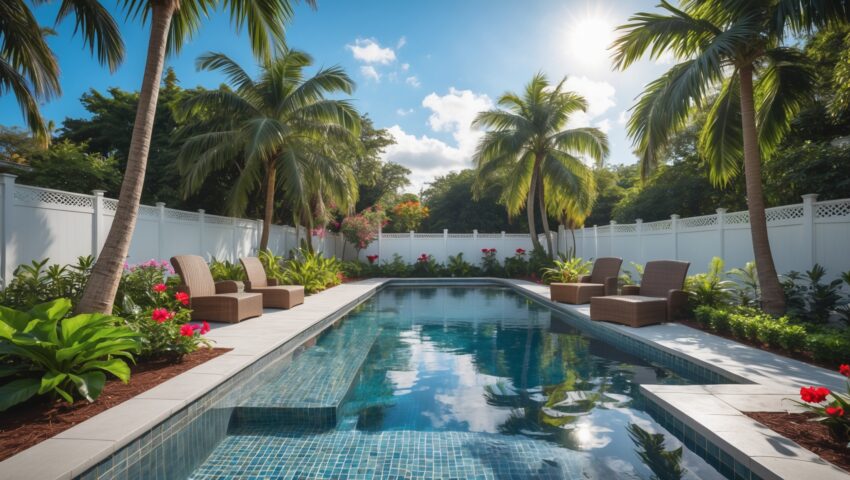
Florida’s year-round sunshine and warm climate make backyard pools a staple of the state’s residential landscape. Upgrading a pool—whether to enhance its appearance, improve safety, or boost property value—can be a smart investment for Florida homeowners. However, the process comes with unique legal, financial, and practical considerations. From obtaining the right permits to understanding the full cost breakdown and avoiding potential legal pitfalls, a pool remodel in Florida isn’t as simple as picking out new tiles or a fancy water feature. In this comprehensive guide, we’ll explore the essential steps, common mistakes to avoid, detailed budgeting advice, and legal insights specific to Florida pool upgrades. Whether you’re planning a modest resurfacing or a full-scale transformation, this article will arm you with the knowledge needed for a smooth, compliant, and rewarding remodel.
Understanding the True Costs of Pool Upgrades in Florida
Major Components of a Pool Remodel Cost
Pool upgrades can range from minor cosmetic changes to major structural overhauls. Understanding where your money goes helps you budget realistically and avoid sticker shock. Here’s a detailed breakdown of typical cost categories for Florida pool renovations:
- Resurfacing: $4,000–$10,000 depending on material (plaster, pebble, quartz, tile).
- Tile and Coping Replacement: $2,500–$8,000 based on material choice and pool size.
- Deck Upgrades: $3,000–$12,000 for pavers, concrete, or travertine.
- Lighting: $1,000–$4,000 for modern LED systems or color-changing effects.
- Water Features: $1,500–$10,000 for waterfalls, fountains, or spas.
- Pool Equipment Upgrades: $2,000–$7,000 for pumps, heaters, saltwater systems, and automation.
- Safety Fencing: $1,200–$3,500 (required for code compliance).
- Permits and Inspections: $300–$1,000+ depending on project scope and municipality.
- Landscaping: $1,500–$7,000 for privacy, shade, and aesthetics.
Smaller projects, like just resurfacing, may cost as little as $5,000–$8,000. Larger, all-inclusive renovations can exceed $50,000, especially if you add spas, decks, or major landscaping.
Hidden Costs and Budget Busters
- Structural Repairs: Underlying issues like leaks or cracks discovered mid-project can add $2,000–$10,000.
- Permit Delays: Waiting for permits or failed inspections often increases labor costs.
- Material Upgrades: Changing your mind on finishes or features after work begins can drive up costs.
- Utility Upgrades: Electrical panel upgrades or plumbing changes may be required for new equipment.
- Insurance Premiums: Some upgrades may affect homeowner’s insurance rates.
Always add a 15–20% contingency to your initial budget for unexpected expenses.
Permitting and Compliance: Navigating Florida’s Rules
When is a Permit Required?
Most pool upgrades in Florida require permits, especially if you’re making structural changes, installing new equipment, or modifying electrical or plumbing systems. Common permit triggers include:
- Resurfacing with material changes (e.g., plaster to tile)
- Reconfiguring pool shape or depth
- Deck or patio expansions
- Adding spas, waterfalls, or major water features
- Upgrading pumps, heaters, or automation systems
- Installing or replacing safety barriers
Cosmetic-only upgrades (like simple tile replacement with no structural changes) may not always require permits, but always check with your local building department. Florida’s building codes can vary significantly by county and municipality.
The Permit Application Process
- 1. Gather Plans: Obtain detailed plans from your contractor, including layouts, materials, and equipment specs.
- 2. Submit Application: Apply through your city or county’s building department, either online or in person.
- 3. Pay Fees: Fees vary but typically range from $300–$1,000 depending on project scope.
- 4. Compliance Review: Your plans will be reviewed for compliance with the Florida Building Code, energy efficiency standards, and local ordinances.
- 5. Inspections: Multiple inspections (pre-pour, electrical, final) are required throughout the project.
- 6. Final Approval: Project sign-off allows you to legally use your upgraded pool.
Attempting to skip permits can result in stop-work orders, fines, or forced removal of noncompliant upgrades. Unpermitted work may also complicate future home sales or insurance claims.
Special Florida Pool Requirements
- Safety Barriers: All residential pools must have code-compliant barriers (fencing, self-latching gates, alarms) under Florida Statute 515.29. Failure to comply can result in fines and liability risks.
- Anti-Entrapment Devices: Pools must include compliant drain covers to prevent suction entrapment, per the Virginia Graeme Baker Pool & Spa Safety Act.
- Energy Efficiency: Upgraded equipment (pumps, heaters) must meet Florida Energy Conservation Code requirements.
- Flood Zones: In FEMA-designated flood zones, additional engineering or elevation requirements may apply.
Legal Tips: Protecting Yourself During a Pool Remodel
Choosing Licensed Contractors
Florida law requires pool contractors to hold a state-issued license (CPC or RP). Verify licensure and check for complaints or disciplinary actions via the Florida Department of Business & Professional Regulation. Never hire unlicensed workers—doing so can void your insurance and create legal exposure.
Written Contracts and Change Orders
- Detailed Scope: Ensure your contract includes a full scope of work, payment schedule, timeline, and materials list.
- Change Orders: Document all changes in writing, including any additional costs or delays.
- Lien Waivers: Obtain lien releases from contractors and suppliers as work progresses to avoid future claims against your property.
Insurance Considerations
- Builder’s Risk Insurance: Some projects benefit from a builder’s risk policy covering damage during construction.
- Homeowner’s Policy Updates: Notify your insurer of upgrades; some improvements or added features may affect your premium or require coverage adjustments.
- Worker’s Compensation: Confirm your contractor carries worker’s comp to avoid liability for on-site injuries.
Resolving Disputes and Legal Claims
If disputes arise, document all communications, retain receipts, and photograph progress. Florida law requires contractors to address construction defects, but homeowners must follow specific steps to preserve their legal rights, including sending written notice and allowing time for repairs. If necessary, consult a construction attorney experienced in Florida law before pursuing litigation or settlement.
Step-by-Step Pool Upgrade Planning in Florida
1. Assess Your Pool and Set Clear Goals
Begin with a professional pool inspection to identify issues and prioritize needs. Decide whether your focus is on aesthetics, functionality, safety, or all three. Write down must-haves, nice-to-haves, and dealbreakers.
2. Set a Realistic Budget
- Research costs for desired upgrades and add a 15–20% cushion.
- Obtain written estimates from at least three licensed contractors.
- Factor in permit fees, inspections, and possible insurance changes.
3. Vet and Select Your Contractor
- Check Florida licensure and insurance.
- Ask for references and inspect previous projects.
- Clarify warranty terms and timelines.
4. Obtain Necessary Permits
- Work with your contractor to prepare and submit plans.
- Confirm all required safety and code features are included.
5. Schedule and Communicate
- Set a clear timeline with milestones for payments and inspections.
- Maintain regular communication and request updates after each project phase.
6. Monitor Progress and Inspections
- Attend required inspections and keep records of approvals.
- Don’t issue final payment until all work passes inspection and you receive a certificate of completion.
Common Mistakes Florida Homeowners Make—and How to Avoid Them
- Skipping Permits: Leads to fines, liability, and resale headaches.
- Hiring Unlicensed Contractors: Risks shoddy work and legal exposure.
- Underestimating Costs: Failing to budget for hidden repairs or code upgrades.
- Neglecting Safety Requirements: Non-compliance on barriers or drains can result in serious accidents and legal claims.
- Poor Documentation: Not keeping detailed contracts, receipts, and change orders can undermine your legal rights.
- Ignoring Insurance: Not updating your policy after upgrades may leave you exposed in the event of damage or injury.
Florida Pool Upgrade Checklist
- Professional inspection and assessment
- Written list of upgrade priorities
- Realistic, itemized budget (with contingency)
- Three or more written contractor estimates
- Verification of contractor license and insurance
- Detailed written contract and timeline
- Permit applications and approved plans
- Compliance with safety and energy codes
- Scheduled inspections and progress photos
- Final walk-through and certificate of completion
- Updated homeowner’s insurance policy
Conclusion: Upgrading Your Florida Pool the Smart Way
Investing in a pool remodel can bring years of enjoyment, improved safety, and increased home value—but only if you approach the project with the right knowledge and preparation. In Florida, the interplay between cost, compliance, and legal risks can be daunting, but it’s manageable with careful planning. Start with a clear understanding of your goals and budget, and only work with licensed, insured professionals who know the local regulations inside and out. Don’t cut corners on permits or safety features, as these shortcuts can cost far more in the long run, both financially and legally.
By following the step-by-step planning process outlined above, maintaining thorough documentation, and staying engaged throughout your project, you’ll protect your investment and your family. Remember, every upgrade—no matter how small—should be considered through the lens of Florida’s unique climate, laws, and insurance requirements. Consult local experts, review your insurance, and prioritize code compliance. With the right approach, your upgraded pool will be a safe, beautiful, and lasting addition to your Florida home.
The cost range for landscaping seems pretty wide. For families who want basic privacy hedges and some shade around the pool, what’s a realistic budget to set? Are there any low-maintenance plant options that work well in Florida’s climate?
For basic privacy hedges and some shade, you can expect to spend around $2,000 to $5,000, depending on plant size and installation labor. Low-maintenance options that thrive in Florida include clusia, podocarpus, and viburnum for hedges, while small palms or native oaks provide shade. These choices require minimal upkeep once established and handle Florida’s humidity and sun well.
If I want to upgrade my pool equipment in Florida, like installing a new pump and saltwater system, does the city usually require separate permits for each component or can you bundle them together under one permit?
In most Florida cities, you can typically bundle multiple pool equipment upgrades, like a new pump and saltwater system, under a single permit. However, requirements vary by municipality, so it’s best to check with your local building department. They may have specific forms or guidelines for combined permits, which can simplify the process and reduce fees.
I noticed resurfacing costs vary a lot based on materials. For a first-time DIYer, is there a particular surface material that balances durability and ease of maintenance without pushing the budget too high?
For first-time DIYers, quartz-based pool finishes are a solid choice. They offer good durability, are more forgiving than pure plaster, and require less maintenance than exposed aggregate or tile. While quartz costs a bit more than plain plaster, it tends to last longer and is easier to keep clean, making it a cost-effective option for many homeowners starting out.
If I wanted to upgrade my pool lighting to a modern LED system, would I need a separate permit just for that, or does the main renovation permit usually cover those electrical upgrades too?
In most cases, if your LED lighting upgrade is part of a larger pool renovation covered by a main permit, you likely won’t need a separate permit for just the lighting. However, if you’re only upgrading the lights and not doing other major work, a specific electrical permit may be required. It’s always wise to check with your local building department to confirm the exact requirements for your project.
With so many cost categories involved in a pool remodel, what’s a good way to prioritize upgrades if I’m trying to stay under a strict budget but still want to boost my home’s resale value?
When working with a tight budget, focus first on upgrades that have the biggest impact on both functionality and visual appeal. Prioritize resurfacing the pool, repairing damaged tiles, and updating the pool deck for a fresh look. Energy-efficient equipment like pumps and lighting are also smart investments—they save money over time and attract buyers. Cosmetic extras like waterfalls or luxury finishes can wait until essentials are covered.
Your article highlights safety fencing as required for code compliance. Are there particular features or styles mandated in Florida, or does it just need to meet a certain height and locking standard?
In Florida, pool safety fences must meet specific legal standards. The fence usually needs to be at least 4 feet high, with no gaps larger than 4 inches, and should not be easily climbable. Gates must be self-closing and self-latching, with latches placed out of reach of small children. While the law doesn’t dictate a particular style, these safety features and measurements must be met.
With so many options for resurfacing materials like plaster, pebble, quartz, or tile, what are the main pros and cons of each in terms of durability and maintenance for Florida’s climate?
Plaster is affordable but tends to stain and wear faster in Florida’s heat and humidity. Pebble finishes are highly durable and resist chemicals and staining, though they can feel rougher underfoot. Quartz is also durable, resists algae, and is smoother than pebble, with a mid-range cost. Tile is the most durable and easiest to clean, but is also the most expensive and can be slippery. Consider how much time you want to spend on maintenance versus your budget when making a choice.
Can you clarify if upgrading to a saltwater system falls under the pool equipment upgrades category, and are there any unexpected costs or code issues that come up with saltwater compared to a standard chlorine pool in Florida?
Upgrading to a saltwater system is definitely considered a pool equipment upgrade. When switching to saltwater, you may face extra costs such as purchasing a salt chlorine generator, possible electrical work, and replacing any pool components that aren’t salt-compatible, like certain metals. Also, Florida code typically requires all equipment changes to be permitted and installed according to manufacturer and local guidelines. It’s wise to check with your county permitting office, as some regions have specific rules for salt systems.
The price range for deck upgrades seems pretty broad. What tends to drive up the cost the most—material choice, labor, or the size of the area? Is travertine usually more expensive than pavers or concrete?
Material choice is usually the biggest factor in deck upgrade costs, followed by the size of the area and then labor. Travertine is generally more expensive than both pavers and concrete, mainly due to its higher material cost and more complex installation. If you’re watching your budget, concrete is typically the most affordable option, with pavers sitting in the middle.
I noticed landscaping can add a significant amount to the total pool renovation budget. Are there any cost-effective landscaping ideas that still offer good privacy and shade, especially considering Florida’s harsh sun and heavy rains?
Absolutely—there are several affordable landscaping options that work well in Florida. Consider using fast-growing native plants like clumping bamboo or wax myrtle for privacy. For shade, small trees like crepe myrtle or magnolia are hardy and low-maintenance. Mulch and gravel beds can help with drainage during heavy rains. Keeping designs simple with native species also means less upkeep and better resilience to Florida’s climate.
For homeowners considering automation upgrades for their pool systems, is there a typical timeline for permitting and installation, or do these projects tend to face delays in certain Florida municipalities?
Automation upgrades for pool systems in Florida usually have a shorter permitting timeline compared to full pool remodels, often taking one to two weeks for approval in most areas. However, some municipalities, especially in South Florida, may have stricter requirements or backlogs, causing delays. Once permitted, installation itself typically takes a few days. It’s best to check with your local building department to understand current timelines and any specific documentation needed.
If I want to upgrade my pool equipment to a saltwater system and add LED lights at the same time, would I need to pull two separate permits, or can this be combined into one? Also, are there any hidden fees in the permitting process I should watch out for?
You can typically combine both the saltwater system upgrade and LED lighting installation under a single permit, as they’re both considered pool equipment modifications. However, requirements can vary by municipality, so it’s wise to double-check with your local permitting office. Watch out for fees like plan review charges, administrative fees, or impact fees that may be added on top of the basic permit cost.
If I’m mainly interested in upgrading my pool equipment, like pumps and automation, is there a certain order these upgrades should be tackled in to avoid issues with permitting or inspections? The article hints at legal pitfalls, so I’m wondering about best practices.
For pool equipment upgrades, it’s usually best to start with essential components like pumps and filters before moving on to automation systems. This ensures your core systems are up to code before adding smart features. Check with your local permitting office, as some areas require inspections or permits even for equipment swaps. Doing upgrades in this order can help avoid delays or re-inspections since automation installations often depend on your main equipment being properly installed and approved.
When budgeting for a remodel, should I expect many unexpected costs beyond the categories listed here, or are those numbers generally reliable if I stick to a straightforward resurfacing and lighting upgrade?
If your remodel is limited to resurfacing and a lighting upgrade, the cost estimates listed in the article should be fairly reliable. As long as there are no underlying structural issues with your pool, unexpected expenses are usually minimal. However, you might want to allow a small contingency fund just in case there are minor repairs needed once work begins or if you choose upgraded materials.
With the cost ranges listed for resurfacing and deck upgrades, do you have any tips for prioritizing which upgrades give the most value or appeal if we’re working with a limited budget?
When budget is tight, start by resurfacing your pool if the surface is worn or damaged, as this improves safety and appearance. For deck upgrades, focus on simple repairs or adding slip-resistant coatings rather than full replacements. Small touches like updated pool lighting or fresh landscaping can also boost appeal without high costs. Prioritize projects that enhance safety and curb appeal, as these add the most value.
How long does a typical full-scale pool remodel take in Florida, considering both construction and waiting for permits and inspections? I’m trying to plan around the weather and potential downtime for my household.
A full-scale pool remodel in Florida generally takes between 6 to 10 weeks from start to finish. This includes time for securing permits, waiting for inspections, and completing the construction. Weather delays, especially during rainy season, can add extra days. It’s wise to plan for some flexibility in your household schedule to accommodate any unexpected downtime.
You mention that safety fencing is required for code compliance. Is it possible to upgrade an older pool without having to install new fencing if one already exists, or are there specific standards that must be met with each remodel?
If your pool already has a safety fence, you may not need to install a new one, but the existing fencing must still meet current Florida code standards during your remodel. Inspectors will typically check for correct height, gate self-closing/latching features, and proper spacing. If your current fence doesn’t meet these updated requirements, upgrades or modifications might be necessary for compliance.
If my main goal is to boost property value, which upgrade categories from your breakdown—like resurfacing, new equipment, or landscaping—tend to provide the best return on investment in Florida?
If you’re aiming to increase property value in Florida, pool resurfacing and modernizing equipment like energy-efficient pumps or heaters usually offer the highest return on investment. These upgrades improve both the look and functionality of your pool, which appeals to buyers. While landscaping adds curb appeal, it typically has a lower direct ROI compared to core pool improvements.
With the cost of pool equipment upgrades running up to $7,000, are there any rebates or incentives in Florida for energy-efficient pumps or automation systems that could help lower the budget?
Yes, Florida residents can often take advantage of rebates and incentives for installing energy-efficient pool equipment, especially variable-speed pumps. Many local utility companies offer rebates when you upgrade to ENERGY STAR certified pumps. Some manufacturers also provide incentives on automation systems that improve efficiency. It’s best to check with your utility provider and ask your pool contractor about current rebate programs in your area before purchasing new equipment.
For budgeting purposes, does the $300–$1,000+ estimate for permits and inspections account for all required approvals, or should homeowners expect additional unexpected fees during the process?
The $300–$1,000+ estimate generally covers the main permit and inspection fees required by most Florida municipalities for pool remodels. However, some homeowners might face extra costs if special approvals are needed, such as for electrical work, structural changes, or if your property is in a flood zone or has a homeowners association. It’s wise to check with your local permitting office to confirm all possible fees for your specific project.
For budgeting purposes, are there any commonly overlooked expenses in Florida pool remodels, like unexpected landscaping repairs or permit fee increases, that might catch a homeowner off guard?
Yes, homeowners often overlook costs like repairing landscaping that may be disturbed during construction, or additional fees if permits take longer or require revisions. Other surprises can include electrical upgrades to meet code, increased insurance premiums, and unforeseen repairs if existing pool structures have hidden damage. It’s wise to build a contingency buffer of 10–20% into your budget for these possibilities.
With such a wide range in landscaping costs, can you share tips for prioritizing which landscaping upgrades offer the best return on investment alongside a pool remodel?
When considering landscaping upgrades during a pool remodel, focus first on essentials like pavers or decking, as these boost both safety and visual appeal. Next, add low-maintenance greenery and strategic lighting, which increase curb appeal and usability. Features like privacy hedges or smart irrigation systems can also offer good long-term value. Prioritize upgrades that enhance both functionality and the overall look, as these typically provide the best return on investment.
Does the cost of landscaping typically include things like irrigation adjustments and adding privacy trees, or is that something we’d need to handle separately when upgrading our pool area in Florida?
Landscaping costs for a pool remodel in Florida often cover basics like grading and basic sod replacement, but more specialized items such as irrigation adjustments and planting privacy trees are usually not included in standard packages. It’s a good idea to discuss these specific needs with your contractor, as they may need to be quoted and handled as separate line items or through a dedicated landscaper.
If I want to upgrade both pool equipment and add a saltwater system at the same time, do I need separate permits, or is this typically covered under one remodeling permit in Florida?
In most Florida cities and counties, pool equipment upgrades and adding a saltwater system can usually be included under one comprehensive remodeling permit. However, requirements can vary depending on your local building department. It’s a good idea to check with your local permitting office to confirm if separate permits are needed, as some areas might have specific rules for saltwater conversions.
For homeowners wanting to upgrade decking, how do pavers, concrete, and travertine compare in terms of long-term maintenance and durability in Florida’s climate?
In Florida’s climate, pavers are popular for their flexibility and ease of repair, since individual pieces can be replaced if damaged. Concrete is durable but may crack over time due to shifting soils or heat, and repairs can be more noticeable. Travertine is highly durable, stays cool underfoot, and resists mildew, but it does need occasional sealing to protect against stains. All three handle Florida’s sun and rain well, but pavers and travertine usually offer the easiest long-term maintenance.
I noticed safety fencing is required for code compliance. If our backyard already has a privacy fence, do we still need to install a separate pool safety fence to pass inspection in Florida?
If your existing backyard privacy fence meets Florida’s pool safety requirements—such as height (at least 4 feet), no gaps wider than 4 inches, self-closing and self-latching gates, and no easy climb points—you may not need a separate pool safety fence. Inspectors will check if your current fence fully complies with these standards before approving your remodel.
If I want to upgrade just the pool lighting and add some water features, do I need separate permits for each upgrade, or is one permit usually enough for both in Florida?
In Florida, you can usually cover multiple pool upgrades like lighting and water features under a single permit application, especially if they’re part of the same remodeling project. However, some cities or counties may require more detailed descriptions or even separate permits depending on the type and extent of the work. It’s best to check with your local building department to confirm their specific requirements.
For a homeowner aiming to remodel mainly for safety compliance, like adding fencing and upgraded lighting, is there a typical timeline from permit application to project completion in Florida, or can delays be expected due to local regulations?
For safety-related upgrades like fencing and lighting in Florida, the typical timeline from permit application to project completion can range from a few weeks to a couple of months. Permitting itself may take anywhere from a few days to several weeks, depending on your local building department’s workload and specific requirements. Delays sometimes occur if additional documentation or inspections are needed, so it’s wise to check with your city or county for their average processing times and prepare for some flexibility in your schedule.
The article mentions that smaller projects like resurfacing may cost less, but can you clarify what usually drives resurfacing prices up toward the higher end of the $10,000 estimate?
Several factors can push pool resurfacing costs toward the higher end. These include using premium materials like pebble finishes or glass tiles, repairing underlying structural damage, addressing extensive cracks, increasing the pool size, or adding custom colors and designs. Labor rates in your area and any necessary upgrades to pool equipment can also add to the total price.
The article lists a wide range for things like deck upgrades and landscaping. What are some of the main factors that impact those costs, and are there affordable materials that still hold up well in Florida’s climate?
Several factors impact the cost of deck upgrades and landscaping, including the size of the area, material choices, complexity of the design, and labor rates. For affordable but durable options in Florida’s climate, consider concrete pavers for decks and native plants for landscaping. These materials resist humidity and heat, require less maintenance, and tend to be budget friendly compared to imported stone or exotic plants.
For someone who wants to add modern LED lighting and automate their pool equipment at the same time, does it make sense to hire one contractor for both upgrades, or is it better to use separate specialists for each part to avoid issues later?
Hiring one experienced contractor for both the LED lighting and pool automation is often more efficient and can help streamline your project. Many pool contractors are skilled in both areas, which makes coordination easier and ensures compatibility between systems. However, make sure the contractor has proven expertise in both lighting and automation. If you have very specific or high-tech needs, consulting a specialist for each part could be worthwhile to guarantee the best results.
For someone mainly interested in upgrading pool equipment like pumps and automation, would you recommend handling these improvements separately to save on total permit costs, or does it make more sense to bundle them with other upgrades?
If your main focus is on upgrading pool equipment like pumps and automation, handling these improvements separately can often save you on permit costs, since smaller projects might only require minimal or specialty permits. Bundling them with larger upgrades could increase permit fees and review requirements. However, if you plan to tackle several upgrades soon, bundling them can streamline inspections and reduce repeated paperwork. Consider your priorities and timeline before deciding.
I’m debating between resurfacing and a full tile replacement for my pool in South Florida. Based on your cost ranges, is there a significant difference in longevity or maintenance costs between plaster, pebble, and quartz finishes?
Plaster finishes are the most affordable but tend to last around 7–10 years and may require more frequent maintenance. Pebble finishes are more durable, lasting 15–20 years, and are more resistant to staining, but they cost more upfront. Quartz finishes fall in between, usually lasting about 10–15 years with moderate maintenance needs. While initial costs are higher for pebble and quartz, they often save you money on repairs and upkeep over time compared to plaster.
The article lists a wide range for deck upgrade costs, from $3,000 to $12,000. How can homeowners determine whether pavers, concrete, or travertine is the best investment for their budget and long-term durability in Florida’s climate?
To choose between pavers, concrete, or travertine, consider both your budget and how each material handles Florida’s humidity, rain, and heat. Concrete is generally the most affordable and easy to maintain. Pavers cost more but allow for repairs and resist cracking better. Travertine is the priciest but stays cool underfoot and handles heat and moisture well. Weigh initial cost against durability and maintenance for the best long-term value.
Given how much landscaping costs can add up, do you recommend budgeting for landscaping before or after the pool upgrades are finished? I want to avoid overspending but still have privacy and shade.
It’s smart to consider landscaping early in your planning. I recommend setting a separate landscaping budget before starting your pool upgrades. This way, you’ll have a clearer idea of the total project cost and can prioritize privacy and shade features without overspending. Coordinating both projects also helps avoid rework and ensures your new pool area blends well with your yard.
I’m a little confused about the permitting process you mentioned. If I’m just resurfacing my pool and not changing the size or adding features, do I still need a full permit, and how long does it usually take to get one approved in Florida?
If you’re only resurfacing your pool without altering its size or adding new features, you typically still need a permit in most Florida jurisdictions. The permit ensures the work meets safety standards. The approval process can vary, but it usually takes anywhere from a few days to a couple of weeks, depending on your local city or county office. It’s a good idea to check directly with your local building department for their specific requirements and timelines.
When budgeting for a pool remodel in Florida, do the permit and inspection costs usually vary a lot depending on the city or county you’re in, or are they pretty standard across the state?
Permit and inspection costs for pool remodels in Florida can vary quite a bit depending on the city or county. Each local government sets its own fee schedules, so you might find significant differences between neighboring areas. It’s best to check with your local building department for the exact costs in your location before you start budgeting.
I see that pool resurfacing costs can vary a lot depending on the material. Are there any materials you’d recommend for durability in Florida’s climate that won’t blow my budget?
For Florida’s climate, quartz and pebble finishes are both popular choices for durability and affordability. Quartz is more budget-friendly and resists algae, while pebble finishes last even longer and offer a natural look. Both handle heat, sun, and pool chemicals well, making them solid options without the high cost of premium materials like glass or tile.
With all the different materials for resurfacing and decking listed, how do homeowners usually decide between durability and upfront price? For example, is travertine actually worth the extra investment compared to concrete for decks?
Homeowners typically weigh how long they plan to stay in the home, their budget, and their maintenance preferences. Travertine is more expensive upfront than concrete but offers better durability, stays cooler underfoot, and has a luxe look. If you want a low-maintenance, long-lasting surface and are okay with the higher price, travertine is often seen as worth it. For tight budgets or short-term needs, concrete may be the more practical choice.
Can you break down which aspects of a pool upgrade are most likely to cause budget overruns in your experience, especially for more extensive renovations that include new equipment and landscaping?
Budget overruns in major pool renovations often happen due to unexpected issues with old plumbing or electrical systems that need updates to meet code. Upgrading to new equipment, like pumps or heaters, can also reveal hidden repair needs. Landscaping can add unexpected costs if there are drainage problems or custom features. Always build in a cushion for unexpected repairs or changes during the project.
The article mentions a wide range for deck upgrades from $3,000 to $12,000. What factors influence this cost the most—is it mainly the material, the size, or something else?
The cost of deck upgrades is influenced most by the material you choose—options like concrete, pavers, natural stone, or wood all have different price points. Size is another major factor, since a larger deck requires more materials and labor. Design complexity, custom features like lighting or built-in seating, and site preparation needs can also impact the final price.
Could you clarify if the permit fees mentioned in the breakdown typically cover both the pool remodeling and any required safety fencing, or do those usually require separate permits and additional costs in Florida?
In Florida, permit fees for pool remodeling and safety fencing are often separate. While some cities might bundle them under a single permit, it’s common for pool upgrades and new safety barriers to require individual permits, each with its own application and fee. Always check with your local building department to confirm exactly what permits and costs apply in your area.
You mentioned a wide range in costs for resurfacing and tile replacement. Can you clarify what drives the price differences between materials like plaster, pebble, quartz, and tile, and how durable each option is in Florida’s climate?
The price differences mainly come from the materials’ quality, longevity, and appearance. Plaster is usually the most affordable but can stain and needs resurfacing every 5–8 years. Quartz surfaces last longer—around 10–15 years—and resist stains better. Pebble finishes are pricier but extremely durable, often lasting 15+ years. Tile is the most expensive due to labor but can last decades if installed well. In Florida’s climate, pebble and tile hold up best to heat, chemicals, and frequent use.
When it comes to budgeting for pool upgrades, how accurate are these estimates in the article if unexpected repairs or issues are discovered during the remodel? Should I set aside a certain percentage extra just in case, and what sorts of surprises are common in older Florida pools?
The cost estimates in the article are based on typical scenarios, but unexpected repairs—like leaks, outdated plumbing, electrical issues, or structural damage—can definitely raise costs, especially in older pools. It’s smart to set aside an extra 10-20% of your budget for unforeseen issues. Common surprises in Florida pools include cracked shells, rusted rebar, or problems with old pool equipment.
I noticed the breakdown includes permits and inspections, which can vary a lot. How far in advance should I start the permitting process before my pool project, and are there any common issues Florida small business owners run into during inspection?
Starting the permitting process at least 4 to 6 weeks before beginning your pool project is a good idea, as approvals can take time depending on your location. Common issues for Florida small business owners during inspections include incomplete paperwork, not meeting local safety codes, or missing signage. Double-check your documentation and make sure your contractor is familiar with local regulations to help avoid delays.
For the permit and inspection fees you mentioned, do all municipalities in Florida require the same paperwork and approvals, or can the process vary a lot between cities and counties? I want to avoid any surprises during my remodel.
The permit and inspection requirements can vary significantly between different cities and counties in Florida. Each municipality may have its own paperwork, fees, and approval process for pool upgrades. It’s a good idea to contact your local building department before starting your remodel to make sure you know exactly what’s required in your area and prevent any unexpected delays.