

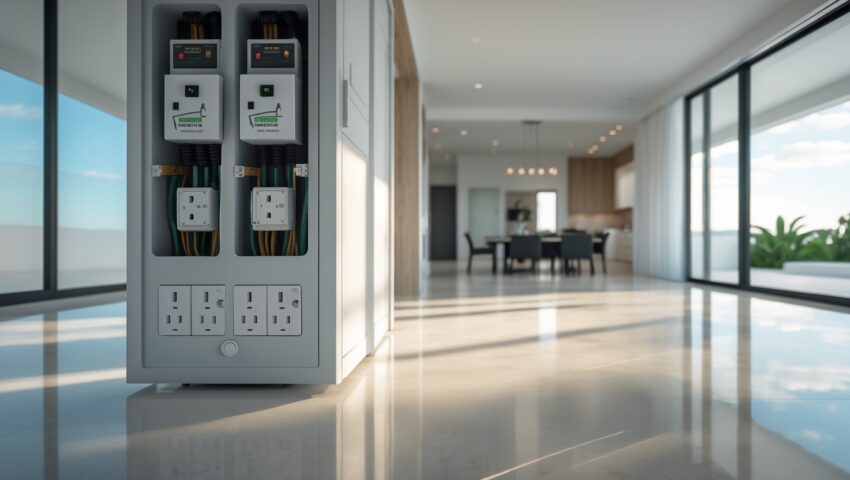
Introduction: The High Stakes of Electrical Upgrades in Florida Homes
Florida homeowners face unique challenges when it comes to upgrading residential electrical systems. From the state’s intense storms and high humidity to strict building codes and evolving insurance requirements, every electrical improvement must balance safety, compliance, and cost. Many Floridians embark on electrical upgrades—panel replacements, circuit additions, generator installations, or smart home wiring—only to encounter pitfalls that result in safety hazards, permit violations, or unexpected expenses. Whether you’re a seasoned DIYer or hiring a licensed electrician, understanding the nuances of Florida’s electrical landscape is critical to a successful project.
This in-depth guide dives into the most frequent mistakes homeowners make during electrical upgrades and provides practical advice to avoid them. We’ll cover essential safety protocols, common compliance missteps, cost breakdowns, how to select qualified professionals, and maintenance practices that keep your investment secure. With a focus on Florida’s latest regulations and insurance trends, you’ll learn how to protect your home, wallet, and peace of mind.
Understanding Florida’s Electrical Upgrade Landscape
Why Electrical Upgrades Are Different in Florida
Florida’s climate and regulatory environment set it apart from most other states. High winds, frequent lightning, and extreme humidity accelerate wear and tear on electrical components. Electrical code enforcement is also stringent, especially in hurricane-prone coastal counties. Insurance companies are increasingly scrutinizing electrical systems before issuing or renewing policies, making compliance not just a legal requirement but a financial necessity.
- Storm Readiness: Upgrades must withstand severe weather and power surges.
- Humidity & Corrosion: Electrical enclosures and wiring need to resist moisture and salt air, especially near the coast.
- Insurance Scrutiny: Outdated or non-compliant systems can result in higher premiums or policy denial.
Beginner Mistakes to Avoid During Electrical Upgrades
1. Skipping Professional Assessment
Many homeowners underestimate the complexity of electrical work. Before any upgrade, a comprehensive assessment by a licensed electrician is vital. DIY approaches or hiring unlicensed contractors can lead to code violations, unsafe wiring, or overloaded circuits.
- Tip: Always request a written evaluation and itemized estimate before starting any work.
2. Neglecting Permit Requirements
Florida law mandates permits for most electrical upgrades, including panel changes, circuit additions, generator hookups, and major rewiring. Skipping permits may seem like a shortcut, but it can result in failed inspections, fines, and insurance claim denials.
- What Needs a Permit? Panel upgrades, whole-home surge protectors, generator installations, EV charging stations, and major rewiring projects.
- How to Get One: Licensed electricians typically handle permitting, but homeowners should verify permits are filed and approved before work begins.
3. Underestimating Load Calculations
Adding new appliances, smart home devices, or a home office can overload existing electrical panels. Failing to calculate load requirements is a common cause of breaker trips, overheating, or fire risk. Florida code requires proper load analysis for any significant upgrade.
- Tip: Request a load calculation report. It’s required for most major electrical permits in Florida.
4. Choosing the Wrong Materials
Not all electrical components are suited for Florida’s environment. Using non-weatherproof boxes, low-grade wiring, or indoor-rated panels outdoors can lead to rapid corrosion and electrical failure.
- What to Look For: UL-listed, weather-resistant, and corrosion-proof materials for all outdoor or coastal applications.
5. Ignoring Grounding and Surge Protection
Florida’s lightning frequency is among the highest in the nation. Failing to install proper grounding and surge protection is a costly oversight. Many insurance policies now require surge protectors for coverage eligibility.
- Best Practice: Upgrade to a whole-home surge protector and confirm that all outlets are properly grounded, especially in older homes.
6. Overlooking Inspection and Documentation
After an upgrade, passing city or county inspection is mandatory. Incomplete paperwork, missing permits, or non-compliant work can delay occupancy or insurance coverage.
- Tip: Keep detailed records of all permits, inspection reports, and contractor licenses for future reference or insurance claims.
Cost Breakdown and Budgeting for Florida Electrical Upgrades
Understanding Typical Costs
Electrical upgrade costs in Florida vary based on home size, project scope, and local permit fees. Here’s a breakdown of common project costs:
- Panel Upgrade (100 to 200 amps): $1,800 – $4,000
- Whole-Home Rewiring: $8,000 – $15,000
- Dedicated Circuit Addition: $300 – $800 per circuit
- Whole-House Surge Protector: $350 – $800 installed
- Generator Transfer Switch: $500 – $2,000
- Permit Fees: $100 – $600 (varies by municipality)
Budgeting Strategies
- Get Multiple Quotes: Always compare at least three licensed electricians for pricing and scope.
- Factor in Permits and Inspections: Include all soft costs in your total budget.
- Plan for Contingencies: Reserve 10–20% extra for unexpected repairs (e.g., hidden wiring damage or outdated panels).
- Rebate Opportunities: Check with your utility provider or state energy programs for rebates on surge protectors, panel upgrades, or smart thermostats.
Hidden Costs to Watch For
- Wall Repairs: Rewiring or panel upgrades may require drywall patching and repainting.
- Old Wiring Removal: Removing outdated aluminum or knob-and-tube wiring often adds labor costs.
- Insurance Mandates: Some insurers may require upgrades before issuing a policy, impacting move-in timelines and costs.
Permitting, Compliance, and Code Essentials in Florida
Statewide and Local Codes
Florida follows the National Electrical Code (NEC) with state-specific amendments. Many counties and cities enforce additional requirements, especially in flood zones or coastal areas.
- Flood-Resistant Installations: Electrical panels and outlets must often be installed above the base flood elevation in flood-prone areas.
- Arc-Fault and Ground-Fault Protection: Required for most new circuits in living spaces.
- Hurricane Mitigation: Outdoor equipment must be wind-rated and securely anchored.
Common Compliance Mistakes
- Unlicensed Contractors: Always verify state licensing at myfloridalicense.com.
- Improper Labeling: Panels must have clear, permanent circuit labels.
- Incorrect Breaker Sizing: All breakers and wires must match manufacturer and code specifications.
Permit Application Process
- Obtain plans or a detailed scope of work from your electrician.
- Submit permit application to your local building department (online or in-person).
- Schedule required inspections at project milestones (rough-in, final).
- Maintain all inspection records as proof of compliance.
Insurance Essentials for Electrical Upgrades
How Upgrades Affect Your Policy
Electrical improvements can lower your insurance premiums—if upgrades meet code and are properly documented. Conversely, non-compliant or DIY work may void coverage in case of a claim.
- Notification: Inform your insurer of all major upgrades. Provide permits and inspection reports.
- Discounts: Some insurers offer discounts for surge protection, updated wiring, or generator hookups.
- Denials: Policies may be denied or canceled for homes with outdated panels (e.g., Federal Pacific, Zinsco) or aluminum wiring.
Documenting Electrical Work for Claims
- Keep digital copies of permits, inspection reports, and contractor invoices.
- Photograph completed work, including panel labels and equipment installation.
- Review your policy for specific electrical requirements or exclusions.
Step-by-Step Setup: Upgrading Your Main Electrical Panel in Florida
Overview
Upgrading the main service panel is a common project that requires careful planning and compliance. Here’s a step-by-step overview to ensure safety and code adherence:
1. Assessment and Load Calculation
- Have a licensed electrician perform a full home load calculation to determine the required panel size.
- Identify any non-compliant or recalled panels currently installed.
2. Permit Application
- Submit detailed plans and load calculations with your permit application.
- Obtain written approval before proceeding.
3. Power Shutoff and Panel Removal
- Utility company disconnects main power (scheduled in advance).
- Electrician removes the old panel, labeling and securing all wires.
4. Panel Installation and Wiring
- Install new, code-approved panel with appropriate weather and surge protection.
- Reconnect all circuits, upgrading any outdated wiring as needed.
- Label every circuit clearly.
5. Inspection and Utility Reconnection
- Schedule city or county inspection before utility reconnects power.
- Address any corrections if cited by the inspector.
6. Documentation and Insurance Notification
- Store all permits, inspection reports, and photographs.
- Send copies to your insurer to update your policy and confirm eligibility for discounts.
Essential Tools & Equipment for Safe Electrical Work
- Voltage Tester: Always verify circuits are de-energized before work.
- Insulated Hand Tools: Use only tools rated for electrical work.
- Circuit Label Maker: For clear, permanent panel labeling.
- Weatherproof Boxes and Conduit: Required for all outdoor or exposed locations.
- Whole-Home Surge Protector: Protects appliances and sensitive electronics.
- Fire Extinguisher (Class C): Keep nearby in case of electrical fire.
Maintenance Best Practices for Florida Electrical Systems
Routine Inspections
Schedule electrical system inspections every 3–5 years, or annually for older homes. Focus on:
- Panel integrity and rust/corrosion
- Breaker operation and labeling
- GFCI/AFCI outlet testing
- Outdoor equipment weatherproofing
Post-Storm Safety Checks
- Inspect outdoor panels and conduit for water intrusion or damage after major storms.
- Test all GFCIs and surge protectors after lightning events.
DIY vs. Professional Maintenance
- Homeowners can test GFCIs and check panel labels.
- Leave all repairs, breaker replacements, or rewiring to licensed electricians.
Debunking Common Myths About Florida Electrical Upgrades
- Myth: “I don’t need a permit for replacing outlets or fixtures.”
Fact: Simple swaps are fine, but new circuits, panel upgrades, and generator installs always require permits. - Myth: “Outdoor-rated components aren’t needed if the area is covered.”
Fact: Florida code requires weatherproofing for all exterior installations, even under a roof. - Myth: “Insurance will cover any electrical fire regardless of upgrade status.”
Fact: Insurers can deny claims if non-compliant or DIY work contributed to the loss.
Case Study: Navigating a Safe, Compliant Electrical Upgrade in Tampa
After purchasing a 1980s home in Tampa, the Rodriguez family faced an insurance ultimatum: update the outdated Federal Pacific panel and add whole-house surge protection or risk policy cancellation before hurricane season. Working with a licensed local electrician, they:
- Scheduled a comprehensive electrical assessment and load calculation.
- Secured city permits and scheduled all inspections.
- Upgraded the panel to 200 amps and installed a UL-listed surge protector.
- Documented the entire process with photos, permits, and inspection sign-offs.
- Submitted all documents to their insurer, resulting in a 10% premium discount and a safe, storm-ready home.
This case underscores the value of professional guidance, thorough permitting, and proactive insurance communication.
Conclusion: Upgrade Smarter, Safer, and More Cost-Effectively
Electrical upgrades are among the most impactful—and most regulated—home improvements for Florida residents. By understanding common pitfalls and prioritizing safety, code compliance, and proper budgeting, homeowners can avoid costly mistakes and legal hurdles. Always start with a professional assessment, secure all required permits, and use materials rated for Florida’s demanding climate. Don’t overlook the importance of surge protection and routine maintenance, especially in the aftermath of storms. Meticulous documentation is your best defense for insurance claims and future resale value.
Above all, resist the temptation to cut corners with unlicensed work or skipped inspections. The risks—fire, shock, property loss, or denied insurance—far outweigh any short-term savings. Instead, invest in qualified professionals, follow all permitting protocols, and maintain detailed records. With these strategies, you’ll not only protect your family and property but also maximize your home’s value and insurability for years to come.
Electrical upgrades are an investment in safety, comfort, and long-term peace of mind. Approach your project with the diligence and expert guidance it deserves, and your Florida home will be powered safely and reliably through any season.
Could you elaborate on the best types of electrical enclosures or wiring materials that hold up well against the coastal humidity and salt air here in Florida? I want to make sure my upgrades last.
For Florida’s coastal conditions, it’s best to use weatherproof, NEMA-rated electrical enclosures made from corrosion-resistant materials like fiberglass, polycarbonate, or marine-grade stainless steel. For wiring, opt for copper conductors with THWN-2 or XHHW insulation, which are designed to resist moisture and salt air. Proper sealing and regular maintenance also help ensure longevity in these harsh environments.
If I recently had some circuits upgraded but didn’t get a permit because it seemed like a small job, what are the potential problems I might run into with local code enforcement or my homeowner’s insurance?
Doing electrical work without a permit, even for small jobs, can cause issues if local code enforcement discovers the unpermitted upgrade. You might face fines, be required to redo or remove the work, or have difficulty selling your home later. For homeowner’s insurance, unpermitted work could lead to denied claims if an electrical problem causes damage, since the work wasn’t inspected or approved.
If we’re planning to add circuits for a generator and smart home system at the same time, is there a way to save on permitting fees or streamline the approval process in Florida?
When adding circuits for both a generator and a smart home system, you can often combine them into a single permit application rather than applying separately. This usually reduces overall permitting fees and can make the approval process smoother. Make sure your electrician lists all planned upgrades in the application and consult your local permitting office to confirm their requirements.
Our insurance carrier flagged our outdated electrical panel as a liability. Could you describe the typical process and timeline for getting that upgraded, permitted, and approved by both local authorities and insurers in Florida?
Upgrading an outdated electrical panel in Florida typically involves hiring a licensed electrician, who will assess your needs and obtain the necessary permit from your local building department. The work is then scheduled, often taking a day for installation. Afterward, a city inspector reviews the upgrade to ensure it meets code. Once approved, documentation is provided to your insurer. The whole process usually takes 1 to 3 weeks, depending on scheduling and permit turnaround times.
You mentioned corrosion issues near the coast—are specific brands or types of electrical panels and wiring better suited for humid, salty environments in Florida?
Yes, in coastal Florida, it’s best to choose electrical panels and wiring specifically rated for corrosion resistance. Look for panels with NEMA 3R or 4X ratings, as these are designed for outdoor or harsh environments. Brands like Square D and Eaton often offer corrosion-resistant models. For wiring, use copper conductors with protective coatings or marine-grade wiring to withstand humidity and salt exposure. Consult your electrician about options approved for coastal use.
I’m in a coastal area of Florida and want to upgrade my electrical panel, but I’m worried about corrosion from salt air and meeting stricter local codes. Are there specific materials or enclosures you recommend for these conditions, and how do I make sure they’ll meet county inspection requirements?
For coastal Florida, choose electrical panels and enclosures rated NEMA 3R or NEMA 4X, as they offer strong protection against salt air and corrosion. Stainless steel or fiberglass enclosures are especially durable. To ensure county code compliance, consult your local building department for approved products and have a licensed electrician handle the installation and permitting process. This will help you pass inspections and keep your system safe.
You mentioned insurance companies are getting stricter about electrical systems in Florida. If I upgrade my panel or circuits, is there a way to ensure the installation will satisfy insurance requirements before I invest in the upgrade?
To make sure your upgrade satisfies insurance requirements, contact your insurance company before starting the work and ask for their specific electrical standards. Share these requirements with your licensed electrician before installation, and request documentation or certification upon completion. Also, keep all permits and inspection records, as insurers often require proof that the work meets current codes.
I’m curious about what specific materials or types of wiring hold up best against Florida’s humidity and salt air, especially near the coast. Are there brands or products you’d recommend for maximum corrosion resistance when upgrading a panel or outdoor circuits?
For Florida’s humid and salty coastal environment, you’ll want to use copper wiring with insulation rated for wet locations, such as THWN-2 or XHHW-2. For outdoor circuits and panels, choose weatherproof, NEMA 3R or 4X enclosures—stainless steel or fiberglass is ideal. Brands like Southwire and Siemens offer corrosion-resistant products. Always ensure fittings, connectors, and conduit are also rated for coastal or marine use to maximize longevity.
If my property is close to the ocean, are there special materials or protective measures you recommend for wiring and enclosures to handle the salt air and high humidity mentioned in the article?
Yes, coastal properties face extra challenges from salt air and humidity. It’s best to use corrosion-resistant materials like marine-grade stainless steel or aluminum for enclosures and weatherproof, UV-resistant conduit for wiring. Also, choose wiring with robust insulation rated for damp environments and make sure all outdoor connections are tightly sealed. Regular inspection and maintenance can help prevent corrosion and electrical issues over time.
When budgeting for a full panel replacement in a Florida home, what hidden costs tend to surprise homeowners the most? I’m trying to avoid unexpected expenses and would love any tips on predicting the total cost more accurately.
Homeowners are often surprised by costs like permit fees, updates to grounding or bonding, bringing older wiring up to current code, patching and repainting walls after panel work, and potential utility company charges for disconnecting and reconnecting power. To predict total costs more accurately, ask your electrician for a detailed quote that includes possible code upgrades and repairs. Also, check with your local permitting office about specific requirements and associated fees.
For someone planning to add a generator, what are some of the most common permitting or code issues you see in Florida? Is there anything unique about the process here compared to other states that could trip up a homeowner during installation?
In Florida, permitting for generator installation often requires detailed site plans, electrical load calculations, and sometimes hurricane-rated enclosures due to local weather risks. Unique to Florida, you may face stricter requirements for flood zones and setbacks from property lines. Homeowners are sometimes surprised by the need for coordination with utility companies and inspections before activation. Always check with your local building department, as requirements can vary by county and municipality.
If I want to do some minor wiring upgrades myself, what are the most common mistakes Florida DIYers make that could lead to safety issues or failed inspections, especially considering the climate challenges mentioned?
DIYers in Florida often run into trouble by using the wrong type of wiring or electrical boxes that aren’t rated for the humid climate, which can lead to corrosion or even fire hazards. Another common pitfall is not installing proper ground fault protection in wet areas like bathrooms or outdoors. Skipping permits or not following local codes can result in failed inspections. Always use weather-resistant materials, follow code requirements, and ensure connections are secure to avoid these issues.
Your article mentions the cost breakdowns of electrical upgrades. Do you have any tips on where homeowners can smartly save money during the process without compromising on safety or code compliance, especially in hurricane-prone areas?
Homeowners can save money by getting multiple quotes from licensed electricians and choosing reputable local professionals familiar with Florida codes. Consider scheduling upgrades during off-peak seasons when contractors may offer better rates. Opt for quality, hurricane-rated materials upfront to avoid costly repairs later. If your home needs several electrical improvements, bundling them into one project can also reduce overall labor costs while ensuring everything stays up to code and safe.
If I want to install a generator for hurricane season, how do I make sure I’m choosing one that will meet Florida’s insurance and permitting requirements? Are there specific brands or features to look for in coastal areas?
To ensure your generator meets Florida’s insurance and permitting requirements, start by choosing a unit that is UL-listed and rated for residential use. Check with your local permitting office about required inspections and paperwork. For coastal areas, look for generators with corrosion-resistant enclosures and those designed to handle humidity and salt air. While there aren’t insurance-approved brands, reputable names like Generac and Kohler often offer models tailored for harsh climates. Always have a licensed electrician handle installation to stay compliant.
If a previous owner did unpermitted electrical work, how should I handle bringing everything up to code without running into huge unexpected expenses or legal issues? I’m worried about both safety and potential problems if I try to sell the house later.
You should start by hiring a licensed electrician to inspect the existing electrical work and identify any code violations or safety risks. Discuss which issues are most urgent and request a written estimate for corrections. If permits are needed, have the electrician handle the permitting process to ensure everything is legal. This approach helps you avoid fines, ensures safety, and provides documentation you may need when selling the house in the future.
The article mentions cost breakdowns for electrical upgrades, but I’m curious about any hidden expenses that Florida homeowners frequently overlook. Could you highlight a few of the most common unexpected costs?
Some hidden expenses homeowners often overlook include permit fees, which can vary by county, and the cost of updating or repairing old wiring discovered during the upgrade. You might also need to pay extra for bringing your home up to current code, moving or repairing drywall, or upgrading your electrical panel to handle modern loads. Always ask your electrician for a detailed estimate that includes these possibilities.
The article mentions that insurance companies are getting stricter about electrical systems during renewals. Are there any specific panel brands or types that Florida insurers prefer or flag as problematic more often?
Florida insurers often flag certain older electrical panels as problematic, especially Federal Pacific (FPE), Zinsco, Sylvania-Zinsco, and Challenger panels, due to known safety issues. Panels with fuses instead of breakers can also be a concern. Insurers generally prefer modern panels from reputable brands like Square D, Siemens, Eaton, or GE that meet current safety codes. Replacing flagged panels can help with insurance renewals and safety.
For routine electrical maintenance after an upgrade, are there any Florida-specific tips to prevent corrosion from humidity and salt air, or should we just follow standard recommendations?
In Florida, it’s wise to go beyond standard recommendations due to the high humidity and salt air. Choose corrosion-resistant materials like stainless steel or coated wiring for exposed areas, and use weatherproof enclosures for outdoor outlets. Regularly inspect for rust or corrosion, especially near the coast, and keep connections tightly sealed to block moisture. These steps help ensure your electrical system stays safe and reliable in Florida’s climate.
When budgeting for a full panel replacement in Florida, what kind of price range should a homeowner realistically expect, considering the stricter codes and permitting fees in coastal counties?
For a full electrical panel replacement in Florida, especially in coastal counties with stricter codes and permitting requirements, homeowners can typically expect costs between $2,500 and $5,000. This range includes labor, the new panel, permit fees, and any code upgrades. Unique site conditions or larger service sizes can push costs higher, so it’s wise to get detailed, local quotes and confirm exactly what’s included.
If I want to install a generator for storm preparedness, is it usually better to go with a portable unit or a whole-home system in terms of long-term maintenance and insurance approval in Florida?
For long-term maintenance and insurance approval in Florida, a whole-home generator system is generally a better option. Whole-home systems are permanently installed, often require less frequent but more thorough maintenance, and are typically seen as a positive by insurers because they’re professionally installed with permits. Portable generators require more hands-on upkeep, present higher safety risks, and may not offer any insurance benefits. However, whole-home systems do involve higher upfront costs, so your choice may depend on your budget and specific needs.
The article mentions cost breakdowns for upgrades—could you share more about potential unexpected expenses that typically catch homeowners off guard during panel replacements or circuit additions?
Unexpected expenses during panel replacements or circuit additions often include fees for permitting, electrical inspections, and possible code upgrades required by your local authority. Sometimes, outdated wiring or hidden damage behind walls is discovered during the work, leading to extra labor and materials. Upgrading grounding systems or relocating panels to meet safety regulations can also add to costs. It’s wise to set aside a contingency budget of about 10–20% for these surprises.
Living in coastal Florida, I’m worried about how humidity and salt air might affect any new electrical panels or wiring I install. Are there specific materials or brands that hold up better in these conditions, or is it mainly about the way they’re installed?
Humidity and salt air can accelerate corrosion of electrical components, especially near the coast. It’s important to choose panels and enclosures rated for outdoor or coastal environments—typically those made of stainless steel or with NEMA 4X/3R ratings. Proper installation also matters: using weatherproof boxes, anti-corrosion coatings, and sealing entry points helps extend the life of your system. Some brands offer corrosion-resistant products, but quality installation is just as crucial as material choice.
If my electrical panel is only a few years old but my homeowner’s insurance is asking for an inspection, what are the most common issues that could come up under Florida’s stricter codes?
Even with a newer electrical panel, Florida’s stricter codes mean inspectors often look for proper labeling of circuits, correct breaker sizing, secure grounding and bonding, AFCI and GFCI protection where needed, and evidence that only approved materials and methods were used. Sometimes, panels installed just a few years ago may still lack surge protection or tamper-resistant outlets, which are now increasingly required by insurers. Double-check these areas before your inspection to avoid surprises.
Could you give a rough idea of what the cost difference might be between hiring a licensed electrician for a whole-home rewire versus just upgrading certain high-risk circuits to meet code and insurance demands?
Hiring a licensed electrician for a full home rewire in Florida can range from $8,000 to $20,000 or more, depending on the home’s size and complexity. In contrast, upgrading only select high-risk circuits, such as those for the kitchen or main appliances, typically costs between $1,500 and $4,000. The exact cost depends on how many circuits need work and the accessibility of wiring, but targeted upgrades are significantly less expensive than a complete rewire.
If I already had some electrical work done without a permit in the past, what are the best next steps to get back into compliance, especially given how strict enforcement seems in hurricane-prone counties?
If previous electrical work was done without a permit, consider contacting your local building department to discuss your situation. Usually, you can apply for a retroactive permit, which may involve inspections to ensure everything meets current codes. If issues are found, you may need a licensed electrician to make corrections. Taking these steps now helps you avoid penalties and ensures your home is safe and insurable, especially in Florida’s hurricane-prone areas.
The article mentions that insurance companies are closely examining electrical systems before renewing policies. What kind of documentation or proof do insurers expect after an upgrade to make sure everything is compliant and up to code?
Insurers typically want to see official documentation showing the electrical upgrade was done properly. This usually includes a copy of the permit issued by your local building department, the final inspection report indicating the work passed code, and sometimes an invoice from a licensed electrician. Having these on hand demonstrates that your system is compliant and helps avoid issues when renewing your policy.
The article mentioned cost breakdowns for electrical work in Florida, but what’s a realistic budget range for a basic panel replacement versus more extensive smart home wiring? I’m trying to figure out what to prioritize given rising insurance costs.
For a basic electrical panel replacement in Florida, you can typically expect to spend between $1,500 and $3,500, depending on factors like panel size and necessary permits. If you’re considering more extensive smart home wiring, the range is usually $5,000 to $15,000 or more, based on the scope and complexity. Given insurance concerns, prioritize bringing your panel up to code first, as this can directly impact your coverage and safety.
How much of a price difference should I expect between a standard panel replacement and one that’s specifically rated for storm resistance in hurricane-prone areas of Florida?
You can generally expect a storm-rated electrical panel to cost 20 to 40 percent more than a standard panel. This is because hurricane-resistant panels are built to handle wind, water, and corrosion, and often have stricter certification. For a typical home, the price difference might range from several hundred to over a thousand dollars, depending on the brand and features.
If I’m hiring an electrician for smart home wiring near the coast, do I need to ask for any special certifications or materials to deal with the salt air and humidity you talked about?
Yes, it’s wise to ask your electrician about their experience with coastal homes and if they use corrosion-resistant materials like stainless steel, coated wiring, or weatherproof boxes. Electricians working near the coast should be familiar with local codes and might have additional certifications for coastal or marine environments. Confirm they use materials rated for high humidity and salty air to prevent future issues with your smart home wiring.
I noticed you brought up the possibility of permit violations and unexpected expenses during upgrades. Could you break down what some of the most common hidden costs are when updating electrical systems in older Florida homes?
Some frequent hidden costs when updating electrical systems in older Florida homes include bringing outdated wiring up to current code, replacing old or unsafe electrical panels, and rewiring areas with knob-and-tube or aluminum wiring. You might also encounter the need for additional permits, repairs to walls or ceilings after electrical work, or even upgrades to your main service line if the existing capacity is insufficient for modern appliances.
Could you elaborate on what specific electrical upgrades or materials are most effective for preventing corrosion due to Florida’s humidity and salt air, especially for homes located near the coast?
For coastal Florida homes, it’s best to use corrosion-resistant materials like copper wiring and stainless steel or brass hardware, as they withstand humidity and salt air better than standard materials. Look for weatherproof, marine-grade electrical boxes, connectors, and outdoor-rated outlets. Applying anti-corrosion compounds to connections can also help. Additionally, ensure all outdoor fixtures are sealed and rated for coastal environments to prevent moisture intrusion and rust.
If I’m looking to upgrade my breaker panel to meet Florida’s stricter codes, how can I be sure I’m selecting materials that actually hold up to our high humidity and salt air? Are there specific brands or product types recommended for coastal homes?
To handle Florida’s humidity and salt air, look for electrical panels and breakers specifically labeled as corrosion-resistant or designed for coastal environments. Stainless steel or NEMA 4X-rated enclosures are a solid choice. Brands like Siemens, Square D, and Eaton offer these types of panels. Always confirm with your local electrician that your chosen materials meet local codes and are rated for the environmental conditions in your area.
How do recent changes in Florida’s insurance policies impact homeowners who want to install smart home wiring or generators? Are there certain upgrades that insurers favor or require?
Recent changes in Florida’s insurance policies often mean stricter requirements for electrical upgrades, especially when adding smart home wiring or generators. Insurers may require that any electrical work is fully permitted and inspected for safety. Upgrades like whole-house surge protection, modern circuit breakers, and professionally installed generators are frequently favored by insurers. Some companies may even require these upgrades for coverage renewal, so it’s best to check with your insurer before starting any projects.
When adding circuits or upgrading panels in Florida, what are the biggest permitting hurdles people tend to overlook that can lead to costly re-inspections or delays?
A common permitting hurdle is incomplete or incorrect documentation—like missing load calculations or outdated panel specs—which can cause rejections or delays. Homeowners sometimes overlook the need for clear labeling of new circuits and fail to update grounding and bonding to meet current code. Not coordinating with the utility for panel upgrades can also stall the process, as utilities often require advance notice and may have their own inspection steps.
You mention that electrical upgrades in hurricane-prone areas need to withstand power surges and harsh weather. Are there specific types of panels or wiring materials that are strongly recommended here, and can a DIYer safely install them, or is a pro always required?
In hurricane-prone areas like Florida, weather-resistant panels and surge-protected circuit breakers are commonly recommended, along with corrosion-resistant wiring such as copper. These components are designed to withstand both moisture and power surges. However, Florida law generally requires a licensed electrician for installation due to permitting and safety standards, so DIY installation is not advised for these upgrades.
How much of a price difference should I expect between standard electrical components and the weather-resistant options required for Florida’s climate? I’m trying to budget for an upgrade but don’t want to be caught off guard by higher material costs.
Weather-resistant electrical components typically cost 20 to 50 percent more than standard versions, depending on the specific item and brand. For example, outdoor-rated outlets, covers, and enclosures are generally pricier due to their protective features. When budgeting, it’s wise to allow some flexibility for these higher costs, especially if your upgrades will be exposed to Florida’s humidity and storms.
When it comes to insurance requirements, how far in advance of renewing a policy should homeowners have their electrical systems inspected or upgraded to avoid any coverage gaps or last-minute issues?
It’s wise for homeowners to schedule an electrical inspection or upgrade at least 2 to 3 months before their insurance policy renewal date. This allows enough time for any necessary repairs, permitting, and inspections, ensuring your home meets insurance requirements without risking a lapse in coverage or facing last-minute surprises.
We live close to the beach, so corrosion and moisture are constant issues. Are there specific brands or types of electrical enclosures and wiring especially recommended for salt air environments in Florida?
For homes near the beach in Florida, it’s best to use electrical enclosures rated NEMA 4X or made from non-corrosive materials like fiberglass or stainless steel. For wiring, look for marine-grade or tinned copper wire, as these handle moisture and salt air much better. Brands like Eaton, Hoffman, and Legrand often offer products designed for coastal environments. Always check that products are rated for outdoor and corrosive conditions.
For permitting in Florida, especially in hurricane-prone coastal counties, what are some early warning signs that a contractor might not be pulling permits correctly before starting a panel replacement? Any red flags to watch for during the hiring process?
If a contractor tells you permits aren’t needed for a panel replacement, that’s a major red flag in Florida, especially in coastal areas. Also, be wary if they want to start work immediately without showing any permit paperwork or refuse to provide a copy. Another sign is if they ask you to pull the permit yourself or suggest doing the job for cash to avoid ‘extra costs.’ Always ask to see proof of a valid permit and their license before any work begins.
For someone hiring a licensed electrician in Florida, what are the key questions to ask to be sure they’re experienced with local codes and insurance requirements? I’m worried about hiring someone who misses critical compliance details.
When interviewing electricians, ask if they are licensed in Florida and request their license number for verification. Check if they carry both liability and workers’ compensation insurance. Also, ask about their experience with local permitting, recent projects in your area, and how they stay current with Florida’s electrical codes. These steps help ensure you hire someone who knows and follows all required compliance details.
How much should I budget for a panel replacement in an older Florida home, considering the extra costs that come from humid weather and stricter codes? Does coastal location make a big difference in price or requirements?
For a panel replacement in an older Florida home, you should budget between $2,000 and $4,500. Humid weather and updated codes often mean using corrosion-resistant materials and may require additional weatherproofing, which can raise costs. If your home is near the coast, expect stricter permitting and possibly more expensive, specialized equipment. Coastal locations can add several hundred dollars or more due to these extra requirements.
The article talks about storms and power surges. For homeowners considering generator installations, what are the key permitting or code requirements unique to Florida that we should watch out for compared to other states?
In Florida, generator installations often require specific permits and must comply with the Florida Building Code and National Electrical Code. Local counties may have rules about safe placement and minimum distances from windows or doors to prevent carbon monoxide risks. You should also ensure that your generator is rated for hurricane conditions and that any electrical work is done by a licensed contractor. Always check with your local building department, as requirements can differ by municipality.
The article talks about how humidity speeds up wear and tear on wiring. Does this mean that electrical upgrades in Florida need to happen more often than in other states, or is regular maintenance usually enough to offset the harsh environment?
Humidity in Florida does tend to accelerate the aging of electrical wiring, but regular maintenance and inspections are usually enough to catch issues before they require a full upgrade. Upgrades don’t necessarily need to happen more often than in other states if you keep up with routine checks, replace corroded components, and address any problems promptly.
Could you explain a bit more about what insurance companies look for during electrical inspections? If I recently added a generator, is there something specific inspectors focus on in Florida?
Insurance companies in Florida generally check that your home’s electrical system is up to code, with updated panels, proper wiring, and no visible hazards like outdated fuse boxes or exposed wires. If you’ve recently added a generator, inspectors will want to see that it’s installed according to manufacturer and local code requirements, especially regarding transfer switches and proper grounding. They look for safe connections to prevent backfeeding and will verify that all work was done with the right permits.
I saw the article mention that insurance companies in Florida are now closely inspecting electrical systems before renewing policies. How can I make sure my electrical upgrades meet these new insurance requirements, and is there a checklist most insurers use?
To ensure your electrical upgrades meet insurance requirements in Florida, always hire a licensed electrician and secure the proper permits. After the work, request detailed documentation and an inspection report. While there isn’t a universal checklist, insurers often look for updated electrical panels, grounded outlets, and code compliance. Contact your insurer directly to ask for their specific criteria before starting any work.
The article mentions insurance companies are becoming stricter about electrical systems before issuing or renewing policies. Is there a list of upgrades or certifications that typically satisfy most insurers in Florida?
Most insurers in Florida want to see updated electrical panels (often requiring replacement of old fuse boxes or certain brands like Federal Pacific), grounded outlets, and proper GFCI/AFCI protection in kitchens, bathrooms, and outdoors. Having a licensed electrician provide a detailed inspection report or a Certificate of Compliance after upgrades is often required. Checking directly with your insurer for their specific list is always best since requirements can vary.
I’m planning to add a generator to my house near the coast. Can you give some examples of what materials or types of enclosures are best for handling Florida’s humidity and salt air?
For coastal Florida homes, it’s important to choose generator enclosures and materials that resist corrosion from humidity and salt air. Stainless steel and aluminum enclosures are popular choices because they hold up well in salty environments. Powder-coated finishes also add extra protection. For electrical components, look for marine-grade wiring and weatherproof, sealed covers to prevent moisture damage. These options help ensure lasting performance and safety for your generator setup.
Are there any cost-saving strategies for homeowners who need to upgrade old wiring to comply with insurance requirements but are working within a tight budget in Florida’s high-cost environment?
Homeowners on a budget can save by getting multiple quotes from licensed electricians and asking about phased upgrades, tackling critical areas first. Some electricians may offer discounts for off-peak scheduling or let you handle prep work, like clearing access to wiring. Always confirm that any shortcuts still meet code and insurance requirements, and check for local rebates or low-interest financing from utility companies or city programs.
I’m curious about what specific electrical components are most vulnerable to Florida’s humidity and salt air. Are there certain brands or types of wiring and enclosures that are known to last longer in coastal areas?
In Florida’s humid and salty air, metal components like circuit breakers, outlets, and especially wiring in unsealed or poorly protected enclosures are most vulnerable to corrosion. For coastal areas, look for marine-grade or corrosion-resistant materials, such as tinned copper wiring and stainless steel or NEMA 4X rated enclosures. Brands offering weatherproof or corrosion-resistant products tend to perform better, so it’s worth asking your electrician for recommendations tailored to your home’s location.
You mention humidity and corrosion near the coast—are there particular materials or brands of electrical enclosures that Florida electricians recommend to best resist these issues?
Yes, electricians in Florida often recommend using NEMA 4X or stainless steel enclosures for coastal areas, as these are specifically designed to resist corrosion from humidity and salt air. Brands like Hoffman and Eaton are popular choices due to their durability and weather resistance. Fiberglass enclosures are also a good option for their non-corrosive properties. Always check that the enclosure is rated for outdoor or marine use.
If I want to upgrade my home’s wiring for a generator, do I need to pull permits myself or will a licensed electrician take care of that? I’m not sure how the permitting process works in Florida.
In Florida, a licensed electrician typically handles the permitting process for electrical upgrades like wiring for a generator. They will apply for the necessary permits with your local building department and ensure all work meets code requirements. You won’t need to pull the permits yourself if you hire a licensed professional, but it’s a good idea to confirm that permits are being secured before work begins.
Could you break down a rough estimate of total costs for a typical service panel upgrade in a Florida home, including permits and any surge protection needed for storms? I’m trying to figure out a realistic budget before reaching out to electricians.
For a typical service panel upgrade in Florida, you can expect to pay between $1,500 and $3,000 depending on your panel size and home requirements. Permit fees usually range from $100 to $300, depending on your local municipality. Adding whole-home surge protection is typically $250 to $500 extra. So, a realistic budget for everything combined is around $1,900 to $3,800. Costs can vary, so it’s wise to get a few detailed quotes from licensed electricians.
If I want to install a standby generator for storm season, what’s the typical timeframe for permitting and inspections in Florida? Does the process usually cause long delays compared to simpler upgrades like adding circuits?
Installing a standby generator generally takes longer to permit and inspect than adding circuits. In Florida, the permitting process for a generator usually takes 2 to 4 weeks, depending on local demand and your municipality. Inspections are typically scheduled shortly after installation but can add a few extra days. Compared to simpler upgrades, generator projects do face longer lead times due to additional safety and code requirements.
You mentioned common compliance missteps homeowners make. What are some lesser-known permit requirements in Florida that might catch someone off guard during an electrical upgrade?
Some lesser-known permit requirements in Florida include needing permits for replacing main service panels, upgrading circuit breaker sizes, or even relocating outlets and light fixtures in certain areas. Homeowners are sometimes surprised that even minor work, like adding outdoor lighting or installing a generator transfer switch, often requires permits and inspections. Additionally, some local jurisdictions require a permit for low-voltage wiring projects, such as installing security systems or smart home components. Always check with your county or city permitting office to avoid unexpected delays or issues.
Given Florida’s frequent storms, do you recommend surge protection devices as part of an upgrade, and how much can that add to the overall cost for an average-sized home?
Including surge protection devices is highly recommended in Florida due to the frequency of storms and lightning strikes. These devices help shield your home’s electrical system and appliances from power surges. For an average-sized home, installing a whole-house surge protector typically adds about $300 to $700 to your upgrade costs, depending on the device quality and installation fees.
I’m prepping for a DIY electrical project, but I’m worried about violating Florida’s building codes. Where can I find clear guidelines or checklists for what actually requires a permit versus what I can do myself?
In Florida, your local city or county building department is the best source for specific guidelines on which electrical projects need permits. They often provide checklists or FAQs on their websites outlining what homeowners can do themselves and what requires a licensed electrician. It’s also a good idea to call or visit the permitting office directly to clarify any uncertainties before starting your project.
If a homeowner upgrades their electrical panel to prepare for storm season, what are the most important maintenance steps to keep that system safe and compliant year-round in Florida’s climate?
To keep your upgraded electrical panel safe and compliant in Florida’s climate, schedule annual inspections by a licensed electrician, especially before storm season. Regularly check for signs of corrosion or rust, as humidity can affect connections. Make sure no breakers are overloaded and that panel covers remain securely closed. Also, keep the area around the panel dry and free from debris, and verify that all updates remain in line with the latest local code requirements.
You talk about corrosion and moisture issues affecting wiring in coastal areas. If my house is just a couple miles inland from the coast, do I still need to use the corrosion-resistant products you mention, or is that level of protection more for beachfront homes?
Even if your home is a few miles inland, using corrosion-resistant electrical products is still a good idea in Florida. Salt air and high humidity can travel inland and affect wiring over time, not just right on the beach. While beachfront properties face the highest risk, inland homes close to the coast can still benefit from added protection to ensure long-term safety and reliability.
If I want to add smart home wiring while upgrading my electrical panel, do I need separate permits for each part or can everything be included under one permit in Florida? I’m trying to avoid running into permit violations halfway through.
In Florida, you can usually include both your electrical panel upgrade and smart home wiring under a single electrical permit, as long as you describe all planned work in your permit application. Be sure to list each aspect clearly, so the permitting office can review everything together. Always check with your local building department for any specific requirements or exceptions in your area.
Can you provide a ballpark estimate for how much it might cost to update wiring and make my home more storm-ready, especially for homes built before the year 2000? I want to budget realistically but not cut corners on code requirements.
For homes built before 2000 in Florida, updating wiring and making your home more storm-ready usually ranges between $8,000 and $20,000, depending on size and existing conditions. This estimate includes upgrading circuits, grounding, surge protection, and code-compliant materials. Be sure to factor in permit fees and the possibility of repairs to walls after work is completed. Getting quotes from licensed electricians will help you fine-tune your budget.
You mentioned that electrical upgrades can lead to unexpected expenses. Could you provide a general price range for panel replacement in Florida and any hidden costs homeowners often overlook?
In Florida, replacing an electrical panel typically costs between $1,500 and $3,500, depending on panel size and home complexity. Hidden costs can include permitting fees, required code upgrades, correcting wiring issues discovered during the job, and possible service provider coordination charges. Sometimes homeowners also need to budget for drywall repair if walls are opened up during the replacement process.
The article mentions that insurance companies are strict about electrical upgrades in Florida. How can I find out which specific requirements my insurance company has before starting a panel replacement to avoid permit or coverage issues?
To find out your insurance company’s specific requirements before a panel replacement, contact your agent or the company directly and ask for their guidelines on electrical upgrades. Request written documentation of their standards, such as approved panel types and necessary permits. This will help ensure your upgrade meets their coverage criteria and avoids any post-upgrade issues.
Can you explain a bit more about how recent changes to Florida’s building codes or insurance requirements might affect someone planning to add a standby generator? Are there extra permits or inspections compared to previous years?
Recent updates to Florida’s building codes and insurance requirements have increased the need for permits and inspections when installing standby generators. Homeowners now often need electrical and sometimes structural permits, plus an inspection of the installation to ensure code compliance and safe operation. Insurers may also ask for proof of professional installation. These steps are more rigorous than in past years, aiming to address safety and storm resilience.
Can you elaborate on the most common DIY mistakes people make when adding new circuits in Florida homes? I’m pretty handy, but I want to avoid any violations that could impact my insurance.
Absolutely, some common DIY mistakes include failing to get the proper permits, using undersized wiring, overloading circuits, and not installing GFCI or AFCI protection where required by code. Many homeowners also neglect bonding and grounding rules or make improper connections inside panels. Even if you’re handy, Florida regulations are strict—so double-check local codes, use correctly rated materials, and always have your work inspected. These steps help avoid insurance issues and ensure safety.
You talked about the impact of Florida’s humidity and salt air on electrical systems, especially near the coast. Are there specific types of wiring or enclosures that hold up best in these harsh conditions, and do they add much to the overall cost of an upgrade?
In coastal Florida, using corrosion-resistant wiring like tinned copper and enclosures made from fiberglass or high-grade stainless steel can really improve durability. Weatherproof or NEMA-rated boxes and fittings also help protect against salt and moisture. These materials do cost more—typically 10% to 20% above standard options—but they can prevent costly repairs and replacement later on, making them a smart investment for homes in harsh environments.
I’m thinking of DIY-ing some smart home wiring, but the article warns about compliance mistakes. What are the most common code violations homeowners run into with smart technology installs, and how might I avoid them?
Homeowners often run into code violations like overloading circuits, improper wire connections, using non-listed devices, and not installing proper ground fault (GFCI) protection. Another common issue is making changes without the necessary permits or inspections. To avoid these mistakes, always follow the National Electrical Code, use approved devices, and consult local permitting requirements. If in doubt, it’s wise to have a licensed electrician review your plans.
If I already have smart home wiring but want to add a generator, are there any conflicts or additional surge protection steps I should consider because of Florida’s frequent lightning?
With Florida’s high lightning activity, it’s wise to add extra surge protection when installing a generator, even if your home already has smart wiring. Make sure both your main electrical panel and generator have surge protectors rated for whole-house use. Also, have a licensed electrician check that your transfer switch and grounding meet local codes to prevent conflicts between your generator and existing smart systems.
When upgrading electrical systems to prepare for hurricane season, what are some common issues that delay projects, and how early should homeowners plan to start given permitting and inspection wait times?
Common delays during electrical upgrades before hurricane season include waiting for permits, scheduling inspections, and finding qualified electricians during peak demand. Unexpected issues like outdated wiring or concealed damage can also slow things down. It’s wise to start planning upgrades at least two to three months ahead of hurricane season to account for these potential holdups and avoid last-minute stress.
For maintenance, are there any specific checks or routines you suggest to ensure electrical systems in Florida homes stay compliant with evolving regulations, especially as it relates to insurance or new smart home upgrades?
Regularly scheduling a licensed electrician to inspect your home’s electrical panel, wiring, and outlets is key—especially after any smart home upgrades. Check for proper labeling, GFCI and AFCI protection, and up-to-date permits. Also, review your insurer’s current requirements annually, as they may change with new regulations. Keeping maintenance records can make future insurance renewals or claims simpler.
When hiring an electrician in Florida, what kind of certifications or insurance should I look for to make sure they’re up to date with both hurricane standards and local regulations?
Look for an electrician who holds a state of Florida Electrical Contractor’s license and is insured with both liability and workers’ compensation coverage. Confirm they have experience meeting Florida Building Code and hurricane readiness standards. It’s also smart to check if they stay updated with local permitting requirements and ask for proof of recent continuing education or training in storm-resistant installations.
Could you elaborate on what specific electrical components are most vulnerable to Florida’s intense humidity and salt air? Are there particular materials or brands that tend to hold up better in coastal environments?
In Florida’s humid and salty coastal environments, metal components like circuit breakers, electrical panels, outlets, and wiring are especially vulnerable to corrosion. Standard steel and untreated metals can degrade faster. For better durability, look for components made from stainless steel or those with corrosion-resistant coatings. Brands that offer weatherproof or marine-grade parts, such as Leviton and Eaton, are often recommended for coastal homes. Always confirm that materials are rated for outdoor or damp environments to ensure long-term reliability.
What maintenance steps would you recommend after an electrical upgrade to make sure the investment stays compliant with Florida’s evolving codes and insurance requirements? Should we schedule periodic inspections, or is self-checking enough?
After an electrical upgrade, it’s wise to schedule periodic inspections by a licensed electrician, ideally every 2–3 years, since Florida’s codes and insurance requirements can change. While regular self-checks for obvious issues like breaker trips or exposed wiring are helpful, only a professional can verify compliance with the latest standards. Keeping records of all work and inspections will also support any future insurance claims or property sales.
Can you clarify how Florida’s stricter building codes impact the process for getting permits approved, especially for homeowners living in hurricane-prone coastal counties?
Florida’s stricter building codes in hurricane-prone coastal counties mean permit applications are scrutinized more closely. Homeowners must provide detailed plans that show compliance with wind-resistance standards, approved materials, and safety measures. This can lead to longer review times and the need for extra documentation. It’s important to work with a licensed electrician familiar with local code requirements to ensure your permit application is complete and accurate, which helps avoid delays or rejections.
If I want to add new circuits for a generator and some smart devices, what are the most common permitting mistakes homeowners in Florida make that I should avoid from the start?
When adding new circuits for a generator or smart devices, homeowners in Florida often skip required permits or don’t get proper inspections, which can lead to fines and safety issues. Another common mistake is not following local codes, especially regarding generator connections and load calculations. Be sure to check with your city or county building department, use a licensed electrician, and keep documentation for inspections to avoid delays or extra costs.
For someone budgeting a panel replacement in an older Florida home, can you give any insight into hidden costs or permitting fees that might catch us off guard during the upgrade process?
When budgeting for a panel replacement in an older Florida home, keep in mind that permitting fees can vary by city or county and may be higher if your home needs additional code upgrades, such as grounding or GFCI/AFCI protection. Unexpected costs often arise if the wiring or meter needs to be updated, or if there’s termite or water damage near the panel. Electrical inspections may also require corrections to older wiring, which can add to your total cost.
As a DIYer, I’m confident with basic wiring but have never tackled a project in such a humid climate before. Are there specific maintenance routines or checks you recommend to keep upgraded systems safe and functioning long term in Florida’s environment?
In Florida’s humid climate, it’s helpful to regularly inspect electrical panels and junction boxes for signs of corrosion or moisture buildup. Ensure outdoor outlets and fixtures are fitted with weatherproof covers and check that all wiring connections remain tight. Periodically test GFCI outlets and circuit breakers, since humidity can affect their function over time. Keeping areas around your electrical systems dry and well-ventilated also helps prevent problems.
If I’m planning a panel replacement, what’s the typical permitting process like in Florida, and how long does it usually take to get everything approved and inspected before switching over to the new system?
In Florida, replacing an electrical panel usually requires a permit from your local building department before any work begins. After submitting your application—often with details or plans—a review may take a few days to a couple of weeks, depending on local workloads. Once approved, your electrician completes the installation, then an inspector checks the work. If everything passes, you can switch to the new panel. The whole process can take one to three weeks, but staying in touch with your contractor and local office can help you plan better.
The article discusses common mistakes during panel replacements. What would be your advice for a homeowner trying to identify a truly qualified electrician who understands both safety protocols and Florida’s latest code updates? Are there certifications or red flags to watch for?
To find a qualified electrician, look for a state-licensed contractor with up-to-date insurance and strong references. Ask about their recent training on Florida’s electrical code, and if they belong to reputable organizations like the National Electrical Contractors Association. Avoid anyone who hesitates to show their credentials, doesn’t provide a written estimate, or suggests skipping permits—those are significant red flags.
If I’m considering generator installation for storm preparedness, what should I look for in terms of corrosion-resistant components? Is there a certain type or brand of enclosures and wiring that’s recommended for homes near salt air?
For homes near salt air, look for generator enclosures made from aluminum or stainless steel, as they resist corrosion much better than standard steel. For wiring and electrical components, marine-grade or tinned copper wiring and weatherproof, UV-stabilized conduit are good choices. Brands like Generac and Kohler offer corrosion-resistant options specifically designed for coastal environments. Always confirm that components are rated for outdoor and coastal use to ensure long-term durability.
The article mentions that insurance companies are more closely examining electrical systems before policy renewals. How far in advance should homeowners plan electrical upgrades to avoid gaps in coverage or unexpected premium increases?
It’s a good idea for homeowners to start planning electrical upgrades at least several months before their insurance policy is up for renewal. This allows time to schedule inspections, complete any necessary work, and provide documentation to your insurer. Acting early helps reduce the risk of coverage gaps or sudden premium increases due to outdated or non-compliant electrical systems.
For homeowners trying to stay within a reasonable budget, which electrical upgrades typically yield the biggest increase in insurance eligibility or premium savings in Florida?
Upgrades that usually have the biggest impact on insurance eligibility and potential premium savings in Florida are replacing outdated electrical panels (like those with known safety issues), upgrading old wiring, and installing whole-home surge protection. These improvements address major safety concerns for insurers and can help you qualify for better rates or coverage. Prioritize these if you’re balancing safety with budget.
I live pretty close to the coast and salt air is definitely a problem. Are there specific types of electrical panels or wiring materials that hold up better against corrosion and humidity in Florida homes?
Living near the coast, it’s smart to consider corrosion-resistant materials. For electrical panels, look for those made from stainless steel or panels specifically rated for coastal or marine environments. For wiring, copper is generally preferred over aluminum due to better corrosion resistance. Also, using wiring with moisture-resistant insulation, like THWN or XHHW, can help protect against humidity. Sealed or weatherproof enclosures for outdoor components are also recommended.
I’m in the process of adding some smart home features and outdoor lighting to my house near the coast. How can I make sure the new wiring and enclosures will actually resist the humidity and salt air, like the article mentions? Are there specific materials I should look for or ask my electrician about?
When upgrading wiring and enclosures near the coast, make sure your electrician uses materials rated for wet or corrosive environments. Look for enclosures labeled as NEMA 4X or made of stainless steel or fiberglass, which resist salt and humidity. Ask about marine-grade wiring and weatherproof connectors. These materials help prevent corrosion and ensure your upgrades last longer in Florida’s coastal climate.
If I want to do some electrical work myself but still need to meet Florida’s strict regulations, are there specific tasks that are generally safe and permitted for DIY versus ones that absolutely require a licensed electrician?
In Florida, simple tasks like changing light fixtures, outlets, or switches are generally allowed for homeowners, as long as you follow safety precautions and local codes. However, anything involving new wiring, panel changes, or circuit additions usually requires a licensed electrician and a permit. Always check with your local building department before starting; some cities have stricter rules even for small projects.
The article covers common mistakes, but if a homeowner already hired an electrician and suspects corners were cut (like missing surge protection or improper weatherproofing), what are the best first steps to catch and fix issues before an inspection or storm hits?
If you suspect shortcuts were taken during your electrical upgrade, it’s wise to request a walkthrough with the electrician and ask them to explain each upgrade, especially surge protection and weatherproofing. Consider hiring a licensed third-party electrical inspector for an unbiased review. Address any concerns immediately so corrections can be made before official inspections or severe weather, helping ensure your home’s safety and compliance.
If insurance companies are checking electrical systems more closely now, should I expect a big increase in my premium if I delay upgrades? Or is it better to budget for a full upgrade now even if nothing is failing yet?
Insurance companies in Florida are definitely paying closer attention to electrical systems due to increased risk concerns. If your system is outdated or doesn’t meet current code, delaying upgrades could lead to higher premiums or even difficulty renewing your policy. Even if nothing is failing now, proactively budgeting for a full upgrade can reduce long-term costs, improve safety, and make insurance renewals smoother. It’s usually more cost-effective to address these issues before they become urgent or impact your insurance.
Can you clarify what kinds of maintenance practices I should follow after upgrading my panel, especially in coastal areas where there’s a lot of salt in the air? I’m worried about corrosion over time.
After upgrading your panel, especially in coastal areas, it’s important to regularly inspect for signs of corrosion like discoloration or rust on metal parts. Keep the panel area dry and well-ventilated, and avoid storing anything against it. Have a licensed electrician check connections and internal components at least once a year. Applying a protective anti-corrosion spray to exposed metal surfaces can also help extend the panel’s life in salty environments.
You talk about maintenance being important after upgrades—could you clarify what kind of routine checks I should do myself versus what needs a licensed electrician’s attention in Florida?
You can handle simple checks yourself, like looking for signs of wear on outlets, making sure circuit breakers are labeled, and ensuring switches and outlets aren’t loose or discolored. However, anything involving wiring changes, panel inspections, or if you notice flickering lights, frequent breaker trips, or burning smells, should be handled by a licensed electrician in Florida. Annual professional inspections are also a wise precaution after any major upgrade.
How do insurance companies typically evaluate updated electrical systems during policy renewals in Florida? Are there certain upgrades, like surge protection or smart panel installs, that have a bigger impact on insurance approval or rates?
Insurance companies in Florida usually look for updates that improve safety, such as replacing old wiring, updating electrical panels, and adding whole-home surge protection. Upgrades like smart panels and surge protectors can positively impact your approval and may even lower your premiums, since they help reduce the risk of damage from power surges or outdated systems. Be sure to have proper documentation and permits for any upgrades when you renew your policy.
The article covers choosing a qualified electrician, but what specific questions should I ask to make sure they’re familiar with Florida’s strict codes and the kind of storm-proofing my home might need?
When interviewing electricians, ask if they are licensed in Florida and how often they work with local permitting offices. Request examples of experience with hurricane-resistant upgrades, such as surge protection and wind-rated panels. Ask which recent projects they’ve done that involved meeting Florida Building Code and National Electrical Code updates specific to storm safety. You might also inquire how they ensure compliance with local inspection requirements.
For budgeting purposes, could you provide a ballpark cost range for a typical panel upgrade in Florida, including permit fees and possible upgrades needed for insurance compliance? I want to avoid unexpected expenses.
For a typical electrical panel upgrade in Florida, you can expect total costs to range from $2,500 to $5,000. This estimate includes permit fees, which are usually a few hundred dollars, and may cover additional upgrades required by insurance, such as replacing outdated wiring or grounding improvements. Costs can vary based on home size, panel location, and specific insurance requirements, so it’s wise to get a detailed quote from a licensed electrician.
You mentioned strict code enforcement in hurricane-prone counties. If a homeowner accidentally misses a permit or makes a minor compliance mistake during an upgrade, is there a typical process for correcting it, or could it affect your insurance coverage right away?
If a permit is missed or a minor code mistake happens during an electrical upgrade, most Florida counties allow homeowners to correct the issue by applying for the proper permit and scheduling an inspection. If corrected promptly, this usually avoids immediate insurance problems, but unpermitted or non-compliant work could affect coverage if left unresolved. It’s best to address any mistakes quickly and keep documentation of corrections.
You mention that insurance companies are getting stricter about electrical systems before they’ll renew policies. What are some common electrical upgrades that insurance inspectors tend to flag in Florida, and how can I make sure I’m compliant before an inspection?
Insurance inspectors in Florida often flag outdated panels (like Federal Pacific or Zinsco), aluminum wiring, lack of GFCI outlets in kitchens and bathrooms, and unpermitted DIY electrical work. To stay compliant, check if your panel brand is on any recall lists, ensure GFCI protection in wet areas, replace old wiring with copper when possible, and have a licensed electrician review your setup before inspection. Always pull permits for major upgrades to avoid future issues.
The article mentions that insurance companies are getting more strict about electrical systems in Florida homes. If my panel is older but still working fine, would an upgrade help lower my insurance rates, or is that not guaranteed?
Upgrading an older electrical panel may make your home more attractive to insurance companies, and in some cases, it could help lower your rates or make you eligible for coverage that was previously unavailable. However, a rate reduction isn’t guaranteed, as each insurer has its own criteria. It’s a good idea to check with your insurance provider first to see what impact an upgrade might have on your policy.
You mentioned insurance companies are getting stricter about electrical systems. If I upgrade my panel, how can I make sure I won’t have issues with getting or renewing my homeowner’s insurance later?
To avoid insurance issues after upgrading your electrical panel, be sure to use a licensed electrician and get the necessary permits. Keep all documentation, like permits, inspection reports, and proof of the electrician’s license. Notify your insurance company about the upgrade and provide them with these records to show the work was done safely and to code.
You mentioned that insurance companies are getting stricter about electrical systems before issuing policies. If I do a panel upgrade, what specific documentation or inspection proof do most insurers require in Florida now?
When you upgrade your electrical panel in Florida, most insurance companies want to see proof that the work was completed by a licensed electrician and that it passed the required local inspections. Typically, you’ll need to provide the final inspection approval or a Certificate of Completion from your city or county’s building department, as well as an itemized invoice from the electrician. Having clear before-and-after photos can also help strengthen your case if requested.
You mentioned that insurance companies in Florida are putting extra scrutiny on electrical systems during policy renewals. What specific electrical upgrades do insurers typically require to avoid coverage issues, and how can homeowners prepare for potential inspections?
Insurers in Florida often require that homes have updated breaker panels—old panels like Federal Pacific or Zinsco are red flags. They may also want to see aluminum wiring replaced with copper, all outlets and fixtures properly grounded, and GFCI outlets installed in kitchens, bathrooms, and outdoor areas. Homeowners can prepare by having a licensed electrician inspect their system, address any outdated components, and keep documentation of work done to show the insurance company during inspections.
With Florida’s strict building codes and insurance requirements, is it generally faster or more cost-effective to handle electrical upgrades through a licensed contractor rather than attempting a DIY approach, especially in coastal areas?
In Florida, especially in coastal areas, using a licensed contractor for electrical upgrades is usually both faster and more cost-effective in the long run. Contractors are familiar with local codes and permitting, which speeds up approval and avoids costly mistakes or insurance issues. DIY work often leads to delays, failed inspections, and even higher insurance premiums if not done to code.
I’m curious about how homeowners can balance insurance requirements with staying within budget. Are there affordable electrical upgrades that still meet the stricter standards set by insurance companies?
Yes, there are affordable ways to meet insurance requirements while keeping costs down. Focus on targeted upgrades like replacing old circuit breakers with modern, code-compliant panels or installing GFCI outlets in key areas. These updates often satisfy insurance standards without requiring a full rewiring. Also, discuss your needs with a licensed electrician, who can recommend the most cost-effective improvements for your situation.
I’d like to hire a professional for a generator install, but I’m on a tight budget. Based on your breakdown, which upgrades can a cautious DIYer tackle to save some money, and what should always be left to a licensed electrician in Florida?
Installing a generator involves tasks like wiring and connecting to your electrical panel, which should always be handled by a licensed electrician in Florida due to safety and permit requirements. However, as a cautious DIYer, you might prep the site by clearing space, installing a concrete pad, or handling basic landscaping. Leave all electrical connections, load calculations, and permitting to a professional to ensure code compliance and safety.
If my home is near the coast and exposed to a lot of humidity and salt air, what are the best practices or recommended materials for wiring and enclosures to prevent corrosion over time?
For coastal homes exposed to humidity and salt air, use marine-grade or corrosion-resistant wiring such as tinned copper. Select non-metallic or fiberglass enclosures, or stainless steel rated for marine environments. All connections should be properly sealed, and weatherproof boxes and fittings should be used. Regular inspections and maintenance are also important to catch early signs of corrosion.
If a homeowner tries some DIY electrical work and unknowingly violates permit rules, what are the possible consequences in Florida? Is it possible to fix these issues retroactively, or will it affect insurance eligibility?
If a homeowner does unpermitted DIY electrical work in Florida, consequences can include fines, being required to redo the work with proper permits, and delays if you sell the house. Insurance claims could be denied if damage is linked to unpermitted work. Usually, you can fix these issues retroactively by obtaining what’s called an after-the-fact permit and having the work inspected and corrected as needed, but it’s best to address it promptly.
How do generator installations in Florida homes differ in terms of safety protocols and permitting compared to other electrical projects like adding circuits or smart home wiring, especially with all the storm-related risks mentioned?
Generator installations in Florida require stricter safety protocols and permitting than typical projects like adding circuits or smart home wiring. Due to storm risks, proper placement, secure anchoring to withstand wind, and adherence to flood guidelines are essential. Permits often involve inspections for safe fuel connections and automatic transfer switches. These steps ensure the generator operates safely during outages and doesn’t endanger utility workers or your home.
For homes in coastal areas with high humidity and salt exposure, are there particular types or brands of electrical panels or enclosures you recommend to minimize corrosion and future maintenance costs?
For coastal areas with high humidity and salt exposure, I recommend using electrical panels and enclosures made from corrosion-resistant materials like stainless steel or fiberglass-reinforced polyester. Look for NEMA 4X-rated enclosures, as they offer extra protection against moisture and salt. Brands such as Eaton, Siemens, and Square D offer suitable models designed for harsh environments. Choosing these can help reduce corrosion risks and minimize future maintenance needs.
When it comes to updating electrical wiring near the coast, what specific types of enclosures or materials are best for resisting corrosion from humidity and salt air? I want to make sure any upgrades I make will actually last in these conditions.
For coastal areas, it’s best to use weatherproof, corrosion-resistant enclosures made from materials like fiberglass, polycarbonate, or marine-grade stainless steel. For wiring, use conductors with insulation rated for wet or corrosive environments, such as THWN-2 or XHHW-2. Also, ensure junction boxes and all fittings are rated for outdoor or coastal use, and consider using sealed gaskets to prevent salt air from entering.
If an older home near the coast has recurring corrosion issues with its electrical enclosures, are there particular materials or products you recommend to better resist moisture and salt air over the long term?
For coastal homes facing corrosion, it’s best to use electrical enclosures made from non-corrosive materials like fiberglass-reinforced polyester or high-grade stainless steel (such as 316 stainless). These resist both moisture and salt air much better than standard metal boxes. Also, look for enclosures rated NEMA 4X, which are specifically designed for harsh, wet, and salty environments. Regularly check and replace gaskets to maintain a good seal and keep moisture out.
If I’m planning to add a backup generator to meet insurance requirements, how do I make sure I’m not accidentally violating any permitting rules in my county? Do the permitting processes vary a lot across different parts of Florida?
Permitting processes for backup generators do vary quite a bit between Florida counties, so it’s important to check with your local building department before starting installation. Contact them directly to confirm the exact permits, inspections, and documentation required in your area. Also, using a licensed electrician familiar with local codes can help ensure your project meets all regulations and avoids any compliance issues.
You mentioned insurance companies scrutinizing electrical systems before renewing policies. What are the most common electrical upgrade issues that cause delays or denials with homeowner insurance in Florida?
Insurance companies in Florida often look for older electrical panels like Federal Pacific or Zinsco brands, outdated wiring such as aluminum or knob-and-tube, lack of GFCI protection, and unpermitted DIY upgrades. These are frequently cited as reasons for delays or denials. Upgrading to modern, code-compliant systems and ensuring work is properly permitted can help avoid insurance issues.
You mentioned cost breakdowns for electrical upgrades, but I didn’t see much detail. Can you provide examples of typical costs for generator installations versus a full panel upgrade in Florida homes?
Certainly! For Florida homes, a typical standby generator installation, including labor and basic equipment, often ranges from $5,000 to $12,000 depending on size and features. A full electrical panel upgrade commonly costs between $1,500 and $3,500, depending on panel size and complexity. Costs can vary with permit fees, home age, and any additional wiring needs.
The article mentions that insurance companies in Florida are becoming more strict with electrical systems before issuing policies. Are there specific electrical upgrades or certifications that tend to make a bigger difference with insurers, or is it primarily about meeting code requirements?
Insurers in Florida generally want to see that your electrical system meets the current code requirements, as this ensures safety and reduces risk. However, having upgrades like a new circuit breaker panel, modern wiring (such as copper instead of aluminum), and GFCI/AFCI protection can also be viewed favorably. Sometimes, a certified inspection by a licensed electrician can help demonstrate your system’s safety to insurance companies.
I know Florida’s building codes are pretty strict, but are there any particular permit issues or inspection delays I should expect when upgrading an old electrical panel in a coastal area? Would love some insight on how to speed up the approval process.
Upgrading an electrical panel in a coastal Florida area often involves extra scrutiny due to salt exposure and hurricane risks. Permits may require detailed plans showing weather-resistant materials and proper panel elevation. Inspection delays can occur if documentation isn’t complete or if there’s high local demand. To speed things up, ensure your contractor submits thorough plans, uses approved corrosion-resistant equipment, and schedules inspections well in advance. Communicating regularly with your local permitting office also helps keep the process moving.
The article mentions unexpected expenses during upgrades. Can you share a realistic range of what a homeowner should budget for common electrical projects in Florida, like a generator install or full panel replacement, considering all the permitting and compliance steps?
For a generator installation in Florida, homeowners should typically budget between $5,000 and $12,000, depending on generator size and complexity, with permitting and compliance steps included. For a full electrical panel replacement, expect to spend between $2,000 and $4,500. These ranges cover permits, code upgrades, and labor, but costs can increase if your home’s wiring needs significant updates or if unexpected issues arise during inspection.
If I want to add a standby generator, does the permitting process differ much between inland and coastal Florida counties? Any tips for streamlining approval, especially given the strict code enforcement in hurricane zones?
Yes, permitting for standby generators can differ between inland and coastal counties in Florida. Coastal areas, especially those in hurricane zones, often have stricter code enforcement due to higher risks from wind and flooding. To streamline approval, make sure to submit detailed plans that address local wind and flood requirements, get a licensed installer familiar with local codes, and check with your county’s building department early to clarify any special documentation or inspections needed.
You mention that insurance companies are paying more attention to electrical systems before issuing or renewing policies. If I upgrade my panel or add smart wiring, what specific documentation or inspections do insurers typically require in Florida?
When you upgrade your electrical panel or add smart wiring in Florida, insurers usually want to see proof of permits pulled for the work, a final inspection approval from your local building department, and sometimes a detailed electrician’s certificate stating the type of upgrades completed. Keep copies of your permit, the inspection report, and any electrician-provided paperwork to streamline the insurance process.
I am planning to add a standby generator to my Florida home. Are there particular local permit challenges or compliance steps I should be aware of, especially given the stricter hurricane-related codes mentioned in the article?
When adding a standby generator in Florida, you’ll need to secure a local permit, and inspections are typically required. Local codes often mandate hurricane-rated enclosures and proper anchoring for equipment due to storm risks. You’ll also need to ensure your electrical connections are up to code and may be asked to provide a site plan. Consulting your county’s permitting office early in the process is a good idea to clarify specific requirements for your area.
I’m about to start a panel replacement in my home on the Gulf Coast and I know humidity and salt air can be a big issue here. Could you explain what specific types of enclosures or wiring materials you recommend to guard against corrosion in Florida’s climate?
For homes on the Gulf Coast, it’s wise to use NEMA 3R or NEMA 4X-rated electrical panel enclosures, as they’re designed to withstand moisture and salt air. For wiring, opt for copper conductors with corrosion-resistant coatings and use PVC conduit for extra protection. Stainless steel or aluminum hardware is also recommended to prevent rust. These materials will help ensure your panel replacement lasts longer despite the harsh coastal environment.
Reading about insurance companies inspecting electrical systems has me worried. If my house had some older wiring that still passed previous inspections, do I need to upgrade immediately to keep my coverage, or can existing systems be grandfathered in under older codes?
Insurance companies in Florida often require that your electrical system meets current safety standards, even if older wiring passed previous inspections. Some insurers may allow older systems to remain under a ‘grandfathered’ status, but others might require updates to maintain coverage. It’s best to contact your insurance provider directly to see if your existing wiring is acceptable or if upgrades are necessary to avoid potential issues with your policy.
The article mentions that insurance companies are increasingly scrutinizing electrical systems before renewing policies. What are the most common electrical upgrade issues that cause insurers to deny coverage, and how can homeowners avoid them?
Insurers often deny coverage if a home has outdated wiring, such as knob-and-tube or aluminum, overloaded panels, or missing GFCI outlets in kitchens and bathrooms. Homes with no permit records for past electrical work can also be flagged. To avoid issues, homeowners should replace old wiring, upgrade panels to meet current codes, ensure all work is properly permitted, and have a licensed electrician inspect for compliance before seeking insurance renewal.
If I’m looking to DIY some smart home wiring upgrades, are there certain projects where Florida code specifically requires a licensed electrician, or is permitting the bigger hurdle?
In Florida, both state and many local codes require a licensed electrician for most electrical work beyond basic low-voltage tasks. Permitting is indeed essential, but even with a permit, you’re usually not allowed to do wiring upgrades yourself unless you’re the homeowner working on your own primary residence. Anything involving new circuits, panel changes, or modifying existing wiring should be done by a licensed pro. It’s always wise to check with your county building department before starting any project.
When budgeting for a generator installation in Florida, what are the realistic hidden costs homeowners often miss—like surge protection upgrades or required inspections—that can pop up during the process?
When planning for a generator installation in Florida, homeowners often overlook costs like upgrading or adding surge protection to safeguard the whole house. You may also need multiple inspections—both electrical and permitting—which come with their own fees. Other potential hidden costs include updating your main electrical panel to handle the generator load and possible trenching or wiring upgrades if your current setup isn’t sufficient.
Regarding the strict building codes in coastal counties, what are some common permitting mistakes homeowners make when upgrading their panels, and how can those be avoided when hiring a contractor?
Homeowners often make mistakes like not obtaining the proper permits, assuming their contractor will handle all paperwork, or using contractors who aren’t familiar with local coastal code requirements. To avoid these pitfalls, always verify that your contractor is licensed in your county, request copies of all permits before work begins, and double-check that the contractor understands any special coastal code rules in your area.
You mentioned common compliance missteps that can lead to unexpected expenses. Can you give a few examples of these mistakes so I know what to double-check before signing off on any electrical work?
Absolutely. Some common compliance mistakes include: failing to get the proper permits before starting work, not using licensed electricians, installing panels or wiring that don’t meet Florida’s current electrical codes, and overlooking required inspections at various stages. Double-check permits, credentials, code compliance, and that all inspections are scheduled before considering the job complete.
You mention that panel replacements can trigger unexpected expenses. Could you elaborate on which upgrades tend to cause the biggest budget overruns, and any tips for Floridians to avoid hidden costs during the permit process?
Panel replacements often reveal outdated wiring, insufficient grounding, or code violations, which can drive up costs. Upgrading to higher-capacity panels or correcting old electrical work are frequent reasons for overruns. To avoid hidden costs, request a detailed inspection before starting, ask your electrician about potential code issues, and confirm with your local permitting office what upgrades might require extra fees or revisions. Getting everything in writing can also prevent surprises.
Could you expand on how Florida’s high humidity and salt air specifically impact the longevity of electrical panels or components? For homeowners close to the coast, are there certain materials or brands that have proven more resistant to corrosion in your experience?
Florida’s high humidity and salt air can accelerate corrosion on metal parts inside electrical panels, leading to rust, component failure, and even unsafe conditions. For homes near the coast, panels and breakers made with stainless steel or coated with anti-corrosive finishes tend to last longer. Brands like Square D and Siemens offer models rated specifically for harsh, coastal environments. Enclosures labeled as NEMA 3R or higher are recommended for extra moisture and salt protection.
The article stresses the importance of permitting for electrical work in Florida. If someone does a DIY upgrade and later needs to sell the house, how big of an issue can unpermitted electrical changes become during an inspection or insurance renewal?
Unpermitted electrical work can cause significant problems when selling your home. Inspectors often spot unpermitted changes, which can delay or derail a sale until proper permits are obtained and the work is inspected and approved. Insurers may also deny coverage or claims if they discover unpermitted upgrades, and you could face fines or be required to redo the work to code. It’s always safer to have permits for any electrical upgrades.
The article mentions that Florida’s insurance companies are increasingly scrutinizing electrical systems. If I recently upgraded my electrical panel, what specific documentation or inspections should I prepare to provide for insurance renewal or a new policy?
After upgrading your electrical panel, you should keep copies of the final inspection report from your local building department, the permit approval documents, and a detailed invoice or certificate from your licensed electrician. Insurance companies may also ask for photos of the new panel and proof that the work was done by a licensed professional. Having these documents ready will make the renewal or application process much smoother.