

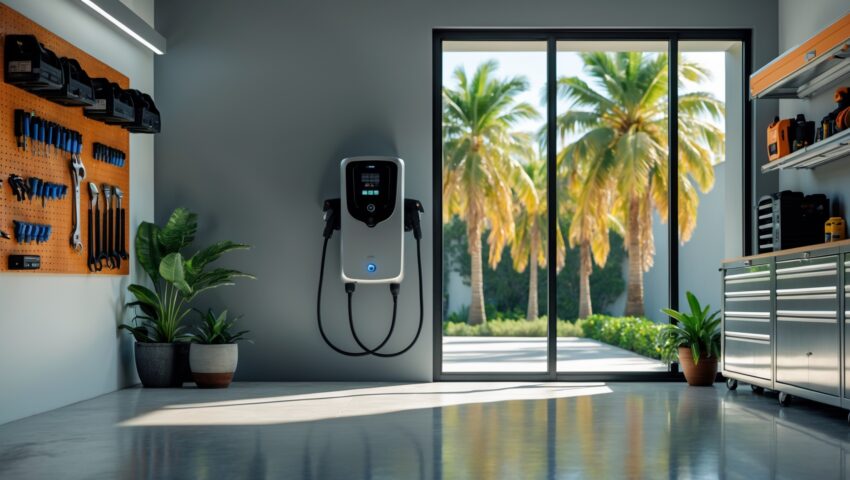
Introduction: Why EV Chargers Are the Next Big Home Upgrade in Florida
Electric vehicles (EVs) are surging in popularity across Florida, fueled by rising gas prices, ambitious state climate goals, and a growing network of public charging stations. But for many homeowners, the real convenience comes from charging their EV overnight in their own garage or driveway. Adding a residential EV charger is an upgrade that not only makes daily life easier but also boosts property value and future-proofs your home. However, Florida homeowners face unique challenges—and opportunities—when it comes to EV charger installations. From navigating the permit process with local building departments, to leveraging lucrative utility rebates and incentives, and even sidestepping costly setup mistakes, there’s a lot to consider before plugging in.
This comprehensive guide is tailored for Floridians thinking about installing a Level 2 EV charger at home. We’ll walk you through the nuts and bolts of permitting, the essential tools and equipment you’ll need, the most common mistakes that lead to code violations or wasted money, and how to tap into utility rebate programs that could save you hundreds. Whether you’re a DIYer planning to tackle the project yourself, or you’re hiring a licensed electrician, you’ll find practical, expert-backed advice to ensure your upgrade is smooth, safe, and compliant with Florida’s evolving regulations.
Understanding Residential EV Charging: Types and Requirements
Level 1 vs Level 2 Chargers: What’s Best for Florida Homes?
Most Florida homeowners will choose between two main types of EV chargers:
- Level 1: Plugs into a standard 120V outlet. Slow—adds about 3-5 miles of range per hour. No special wiring, but limited practicality for daily use.
- Level 2: Requires a dedicated 240V circuit. Much faster—adds 20-40 miles of range per hour. Most popular for home installations. May require electrical upgrades and always demands proper permitting.
What Does a Level 2 Installation Involve?
Installing a Level 2 charger typically means:
- Adding a 240V circuit (like a clothes dryer or oven uses)
- Mounting a wall unit or pedestal charger
- Ensuring safe, code-compliant wiring
- Coordinating with your local utility for metering or rebate eligibility
The Florida Permit Process: What Homeowners Must Know
Why Permits Matter for Home EV Chargers
Florida law treats Level 2 EV charger installations as significant electrical upgrades. Skipping permits can void your home insurance, create safety hazards, and result in hefty fines. Many resale transactions now require proof of permitted work for EV charger installations.
Step-by-Step: Pulling a Permit for a Home EV Charger
- Contact Your Local Building Department: Requirements can vary by city and county. Most require a detailed permit application and electrical plans.
- Submit Plans: You’ll need a diagram showing the charger’s location, amperage, and wiring route. Some cities require load calculations to ensure your main panel can handle the additional draw.
- Hire a Licensed Electrician (if not DIY): In Florida, most cities require a licensed contractor for electrical work unless you’re the homeowner and pulling a “homestead” permit.
- Inspection: Once installed, an inspector will check for code compliance, proper grounding, and safe connections before final sign-off.
Common Permit Pitfalls to Avoid
- Not upgrading the main service panel when needed (overloaded panels are a major code violation)
- Missing ground fault protection (required by the National Electrical Code for EV outlets)
- Improper cord routing or outdoor weatherproofing
- Skipping the final inspection—permits aren’t closed until this is done
Utility Rebates and Incentives: How to Maximize Your Savings
Florida’s Major Utility Rebate Programs
Many Florida utilities offer rebates to encourage home EV charger installations. Here are some of the most notable:
- Duke Energy: Rebates up to $1,000 for qualifying Level 2 installations, plus time-of-use rates for EV charging.
- Florida Power & Light (FPL): Offers the “EV Home Charging Pilot,” with up to $500 for smart chargers and discounted charging rates during off-peak hours.
- Tampa Electric (TECO): Rebates up to $400 for approved Level 2 chargers.
- Local Municipal Utilities: Many city-owned utilities have their own programs; always check with your provider before starting the project.
Federal Tax Credits and Other Incentives
The IRS currently offers a tax credit of 30% (up to $1,000) for residential EV charger hardware and installation costs. This is in addition to any utility rebates, making it possible to offset a significant portion of your total investment.
How to Apply for Rebates
- Save all receipts and detailed invoices
- Submit rebate forms and required documentation (usually within 90 days of installation)
- For IRS credits, complete Form 8911 with your annual tax return
Tips for Getting Approved
- Choose utility-approved charger models and licensed installers
- Double-check documentation requirements before purchasing equipment
- Install a “smart” charger if time-of-use rates or monitoring are offered
Cost Breakdown and Budgeting for a Florida Home EV Charger
Typical Costs You’ll Encounter
- Charger unit: $400–$900 (depending on features and brand)
- Electrical work: $500–$1,800 (varies by panel location, wiring, and need for upgrades)
- Permit fees: $50–$200 (city/county dependent)
- Inspection and utility fees: $0–$100 (if required)
Factors That Increase Costs
- Main panel upgrades (if your panel is less than 200 amps or nearly full)
- Long wiring runs (detached garages or chargers far from the main panel)
- Trenching or concrete work for outdoor installations
- Smart charger upgrades, network fees
Sample Budget Worksheet
- Level 2 Charger: $700
- Wiring & Labor: $1,200
- Permit: $120
- Panel Upgrade: $1,000 (if needed)
- Total Before Incentives: $3,020
- Less Utility Rebate: -$500
- Less Federal Tax Credit: -$900
- Net Cost: $1,620
Essential Tools & Equipment for a Safe Installation
What You’ll Need
- Level 2 EVSE (Electric Vehicle Supply Equipment) charger
- Dedicated 240V circuit breaker (amperage based on vehicle and charger spec)
- Appropriate gauge wire (usually 6 or 8 AWG for 40-50 amp circuits)
- Weatherproof electrical boxes (for outdoor or garage wall installs)
- Conduit, cable clamps, and fasteners
- Voltage tester, drill, fish tape, and basic hand tools
- GFCI protection (required by code for wet locations)
Choosing the Right Charger for Florida’s Climate
- Look for NEMA 4-rated enclosures (for humidity and rain)
- Consider smart chargers with Wi-Fi for energy monitoring and scheduling
- Check for compatibility with your vehicle and utility programs
Common Mistakes That Lead to Costly or Unsafe Installations
DIY Errors and Code Violations
- Ignoring Permit Requirements: Unpermitted work may be red-tagged by inspectors and may void insurance.
- Underestimating Panel Load: Overloading an old panel is a fire risk; always perform a load calculation.
- Poor Weatherproofing: Outdoor chargers must have appropriate covers and watertight connections—Florida’s storms are no joke.
- Improper Grounding: Failing to bond and ground correctly can lead to shock hazards.
- Using Undersized Wire: Causes overheating and fails inspection.
- Incorrect Breaker Sizing: The breaker must match the charger’s continuous load rating, not just the peak output.
Hiring Unqualified Contractors
- Always verify your electrician is licensed in Florida and has experience with EVSE installations.
- Check references and request photos of past completed projects.
- Get written confirmation that the contractor will handle permits and inspections.
Overlooking Future Needs
- Installing a charger with too low an amperage if you plan to upgrade vehicles later
- Not leaving conduit access for future dual charger setups
Step-by-Step Home EV Charger Setup: From Planning to Inspection
1. Assess Your Electrical Panel
Locate your main panel and check the available amperage and open breaker slots. Most Level 2 chargers need a 40-50 amp breaker. If your panel is 100 amps or less, or nearly full, budget for an upgrade.
2. Choose the Charger Location
Pick a spot close to where your EV will park, minimizing cable length and wiring runs. For outdoor setups, ensure the area is sheltered and has drainage.
3. Obtain Permits
File the necessary paperwork with your city or county. Include a wiring diagram, load calculation, and charger specs. Wait for approval before starting work.
4. Hire a Licensed Electrician (or DIY if Qualified)
If you’re not experienced with high-voltage work, hire a pro. For DIYers, follow all NEC and local codes, and don’t cut corners with materials or safety gear.
5. Install the Circuit and Charger
Run conduit and wiring from the panel to the charger location, install the breaker, connect the unit, and follow all manufacturer instructions.
6. Schedule and Pass Final Inspection
Contact your building department for a final inspection. Inspectors will check for proper breaker sizing, GFCI protection, secure mounting, and labeling. Don’t use the charger until you’ve passed inspection and closed the permit.
Safety Checklist for Florida Home EV Charger Installations
- Permit pulled and visible on-site
- Panel load calculation performed
- Correct wire gauge and breaker size used
- GFCI protection installed for all outdoor and garage chargers
- Weatherproof enclosures for any exterior components
- Proper grounding and bonding verified
- Final inspection scheduled and passed
- User manual and warranty registered with manufacturer
Insurance and Home Value: What to Expect
Notifying Your Insurance Provider
Adding a permitted, code-compliant EV charger typically has little impact on premiums, but you must notify your insurance provider and submit documentation. Unpermitted work can result in denied claims if an electrical fire occurs.
Boosting Property Value and Appeal
Homes with EV charging infrastructure are increasingly attractive to buyers, especially in Florida’s competitive real estate markets. Multiple listing services (MLS) now allow you to highlight EV charger features, increasing visibility and potential sale price.
Maintaining Your Home EV Charger in Florida’s Climate
Best Practices
- Inspect all wiring, enclosures, and connections at least twice a year—especially after storms or hurricanes.
- Clean vents and check for insect nests or debris that could block cooling fans.
- Test GFCI functionality monthly by using the built-in test button.
- Check for corrosion or rust, particularly on outdoor units.
- Update software/firmware for smart chargers when prompted.
Conclusion: Future-Proofing Your Florida Home with Smart, Safe EV Charging
Residential EV charger installations are one of the smartest upgrades a Florida homeowner can make—not just to keep pace with the state’s shifting transportation landscape, but to enhance daily convenience, tap into robust financial incentives, and add long-term value to your property. However, navigating the maze of permitting, utility rebates, and electrical safety codes requires careful planning and vigilance. Cutting corners, skipping permits, or hiring unqualified installers can lead to fines, insurance headaches, or even dangerous electrical hazards.
By understanding the full scope of the process—from choosing the right charger and preparing your electrical panel, to securing the necessary permits and maximizing rebates—you can avoid common pitfalls and ensure your installation is safe, compliant, and future-ready. Don’t forget to maintain your charger regularly, notify your insurer, and document all work for peace of mind. As Florida continues to embrace clean energy and electric vehicles, investing in a properly installed home charger keeps you ahead of the curve and positions your home for the next wave of innovation. Take the time to do it right, and enjoy the confidence and convenience of plugging in at home—rain or shine.
How difficult is it to upgrade your home’s electrical system if you currently don’t have a dedicated 240V circuit for a Level 2 charger? I’m worried about unexpected costs and whether this means opening up walls or major changes.
Upgrading your electrical system for a Level 2 charger can vary in difficulty and cost, depending on your panel’s capacity and the home’s wiring layout. If your panel has space and enough capacity, the electrician may only need to run a new 240V line—sometimes requiring minimal wall openings. However, older homes or full panels might need upgrades, which can increase costs and require more extensive work. Getting a quote from a licensed electrician can help clarify your home’s specific needs and avoid surprises.
For homeowners planning to do the installation themselves, what are some of the most common code violations or mistakes you see in Florida that could cause problems during inspection or void rebates?
Some frequent mistakes include using undersized wiring that can’t handle the charger’s load, not installing a dedicated circuit breaker, improper grounding, or using non-weatherproof equipment outdoors. Many homeowners also skip the required permit or inspection, which can lead to insurance or rebate issues. Double-check panel capacity, follow local code for conduit and mounting height, and make sure all connections are secure and professionally finished.
We’re on a tight budget and our home’s electrical system is a bit older. Before I commit to a Level 2 charger, what steps can I take to estimate potential upgrade costs or avoid expensive mistakes upfront?
To gauge upgrade costs, start by having a qualified electrician inspect your panel to see if it can support a Level 2 charger. Get written quotes for any needed upgrades. Ask if your utility offers rebates not just for chargers but for panel upgrades too. Finally, check with your local permitting office about specific requirements so you’re not surprised by unexpected costs.
I’m curious about the permit process you mention for installing a Level 2 EV charger in Florida. How long does it typically take to get approved by local building departments, and are there big differences in requirements depending on which city or county you live in?
Permit approval times for Level 2 EV charger installations in Florida can vary quite a bit, but most local building departments process permits within a few days to two weeks. Requirements do differ between cities and counties—some places need detailed electrical plans or contractor licensing, while others are more straightforward. Checking your local building department’s website or contacting them directly is the best way to learn about the specific process and timelines in your area.
Could you clarify the typical timeline for getting the proper permit approved for a residential Level 2 EV charger installation in Florida? Are there significant delays homeowners should be aware of when planning their install?
In most parts of Florida, getting a permit for a residential Level 2 EV charger usually takes about 1 to 2 weeks, though it can vary by city or county. Delays sometimes occur if the application is missing details or during busy seasons. It’s a good idea to check with your local permitting office early to confirm current processing times and required documents, so you can plan your installation schedule accordingly.
You mention common mistakes with setup that could waste money or cause code violations. Can you share examples of these mistakes and how to avoid them during a Florida home installation?
Absolutely, some common mistakes to avoid include using undersized wiring, which can overheat, not installing a dedicated circuit for the charger, or failing to get the proper permit. Another error is installing chargers in locations exposed to rain without proper weatherproofing. To avoid these, always work with a licensed electrician, ensure all local codes and permit requirements are followed, and verify that materials used are rated for outdoor use if needed.
Since home EV chargers can boost property value, do you have any advice on what documentation or inspections I should keep on file in case I ever sell my house down the line?
It’s smart to keep organized records for future resale. Hold onto all permits, the final inspection approval from your local building department, and any receipts or warranties from the installation. If your utility provided rebates, save that paperwork too. These documents show the charger was installed safely and to code, which buyers and their lenders may want to see.
I’m considering a DIY installation of a Level 2 charger, but I’m a little worried about potential code violations. What are some of the most frequent mistakes homeowners make that could lead to expensive redos or safety issues?
Some common mistakes homeowners make with DIY Level 2 charger installations include using undersized wiring, skipping or incorrectly installing a dedicated circuit breaker, not following proper grounding requirements, and failing to obtain the necessary permits or inspections. These errors can lead to safety hazards, failed inspections, or costly rewiring. It’s important to follow local electrical codes carefully and consider consulting a licensed electrician to ensure everything is up to standard.
How significant is the impact of a Level 2 EV charger on a typical Florida home’s electrical panel, especially older homes? Is upgrading the panel usually required, or are most panels up to the task without major changes?
A Level 2 EV charger typically draws 30–50 amps, which can be a significant load, especially for older Florida homes with 100-amp panels. Many older panels may not have enough capacity for the charger alongside other household usage, so an upgrade is sometimes necessary. However, some homes with 150- or 200-amp panels can often accommodate a Level 2 charger with minor or no changes. Always have a licensed electrician assess your specific panel to determine if an upgrade is required.
If a home’s existing electrical panel isn’t set up for a dedicated 240V circuit, how much should we realistically budget for electrical upgrades on top of the charger and installation costs?
Upgrading an electrical panel to handle a new 240V circuit can add anywhere from $1,000 to $3,000 or more to your total costs, depending on your home’s existing setup and local rates. This estimate is in addition to the charger and basic installation fees. It’s a good idea to get a licensed electrician to assess your panel and provide a detailed quote before starting the project.
For someone considering a DIY installation versus hiring a pro, what are the most frequent mistakes people make in Florida that lead to code violations or failed inspections, and how can those be avoided?
In Florida, the most common mistakes with DIY EV charger installations include improper wire sizing, using the wrong type of circuit breaker, failing to install a dedicated circuit, and not following local grounding or conduit requirements. Many also skip getting a permit or inspection. To avoid issues, always check local code, use materials rated for your charger, and obtain necessary permits. Hiring a licensed electrician ensures compliance and safety.
For students renting off-campus, do you know if landlords in Florida typically allow charger installations, and is there an easier process for renters who want to set up Level 2 chargers?
Landlords in Florida aren’t required to allow EV charger installations, so it varies—some are open to it, while others may not permit changes to the property. Renters usually need written approval from the landlord before starting any installation. The permitting and inspection process is the same as for homeowners, so there isn’t an easier path for renters, but having clear communication and offering to cover costs may help in getting landlord approval.
How much can I expect to pay if my house needs an electrical upgrade before I install a Level 2 EV charger? Does the guide break down typical costs or tips to avoid overspending?
If your home needs an electrical upgrade, like a panel upgrade or new wiring, costs can range from $1,000 to $3,000 or more, depending on complexity and your local electrician rates. The guide mentions these potential expenses and suggests getting several quotes, checking for utility rebates, and ensuring the upgrade is truly necessary to avoid paying more than you need.
You mentioned that Level 2 chargers might require electrical upgrades. Could you clarify what types of electrical upgrades are usually needed in Florida homes, and how much they typically add to the overall installation cost?
Level 2 chargers often need a dedicated 240-volt circuit, which may require upgrading your electrical panel if it lacks capacity. Common upgrades include adding a new circuit breaker, running new wiring, or replacing an undersized panel. In Florida, these upgrades can add anywhere from $500 to $2,500 or more to your installation, depending on your home’s existing setup and the extent of changes needed. It’s best to get a licensed electrician to assess your home’s readiness before starting.
Are there certain utility rebate programs in Florida that cover the installation costs for older homes that might need electrical upgrades for a Level 2 charger?
Some utility rebate programs in Florida do help offset the costs of installing Level 2 chargers, but coverage for electrical upgrades in older homes can vary. For example, Florida Power & Light and Duke Energy have offered rebates that primarily focus on charger installation and may not fully cover significant electrical panel upgrades. It’s a good idea to check with your local utility and ask specifically about incentives for electrical system updates, as some programs occasionally include additional support for necessary upgrades.
Are there any major differences in utility rebate programs across different Florida regions, or do most homeowners qualify for similar incentives when installing a Level 2 charger?
There are definite differences in utility rebate programs depending on where you live in Florida. Some utilities offer generous rebates for Level 2 charger installations, while others have limited or no incentives. Program amounts, eligibility, and application steps can all vary. It’s important to check with your specific utility provider to see what rebates are currently available in your area.
Could you clarify what kind of electrical upgrades are most commonly needed for Level 2 charger installations in older Florida homes? I’m worried my house might need a major panel upgrade, and I’d like to know what to expect before getting an electrician involved.
For older Florida homes, the most common electrical upgrades for Level 2 EV charger installations are main panel upgrades (to increase overall capacity), dedicated 240V circuit installation, and sometimes replacing outdated wiring. Many older homes have 100-amp panels, which might not be sufficient for both the charger and other household needs, often prompting a panel upgrade to 150 or 200 amps. An electrician can assess your current setup and let you know if these upgrades are necessary.
Does installing a Level 2 charger outdoors in Florida (like on a driveway) require different permitting or extra weatherproofing steps compared to a garage installation?
Yes, installing a Level 2 charger outdoors in Florida does require some extra considerations compared to a garage installation. While the permitting process is usually the same, outdoor setups must use weatherproof, outdoor-rated charging equipment and enclosures. Installers also need to ensure all wiring and components are protected from rain and humidity, following local electrical codes. Always mention your intended outdoor location during the permitting process so inspectors know to look for these features.
You mentioned that utility rebate programs could save homeowners hundreds of dollars. Is there a specific timeframe within which the installation must be completed or paperwork submitted to qualify for these rebates, or do the timelines differ significantly by utility company?
The timeframe to qualify for utility rebates can vary quite a bit depending on the specific utility company. Some may require that you complete the installation and submit the paperwork within 60 or 90 days, while others might allow a longer period. It’s important to check directly with your utility provider for their exact deadlines so you don’t miss out on the rebate.
Since Level 1 chargers just use a basic outlet and Level 2 chargers need a dedicated 240V line, is there any value in starting with a Level 1 setup while I plan and budget for the more complex Level 2 installation?
Starting with a Level 1 charger can be a practical interim solution. It lets you begin charging at home immediately using a standard outlet, which is helpful if you need time to budget or arrange permits for a Level 2 setup. Just keep in mind that Level 1 charging is much slower, so it’s best if your daily driving needs are modest until you upgrade.
For homeowners considering both DIY and hiring a licensed electrician, what are the main setup mistakes that typically lead to code violations in Florida? Would you recommend one approach over the other in terms of minimizing costly errors?
Common setup mistakes that lead to code violations in Florida include improper wiring, lack of required permits, incorrect circuit sizing, and not following local setback or mounting rules. Hiring a licensed electrician is highly recommended because they are familiar with Florida’s codes and inspection process, which greatly reduces the risk of costly errors or failed inspections. DIY installations can save money upfront but often result in mistakes that are expensive to fix later.
I noticed you mentioned utility rebates—do these rebates usually apply to both the charger equipment and any electrical upgrades needed, or just to the charger itself?
Utility rebates for home EV charger installations in Florida tend to vary by provider. Some rebates cover only the cost of the charger itself, while others may also include necessary electrical upgrades like panel upgrades or dedicated circuits. It’s a good idea to check your specific utility’s rebate program details to see exactly what expenses are eligible before making any purchases or upgrades.
Is it usually necessary to upgrade your home’s electrical panel when adding a Level 2 EV charger, or are most Florida homes already set up for this kind of installation?
Most Florida homes built in recent decades can often handle a Level 2 EV charger without a major electrical panel upgrade, especially if they have a 200-amp service. However, older homes or those with less capacity (like 100 amps) might need an upgrade. It’s best to have a licensed electrician assess your panel’s load before installing the charger to ensure safety and code compliance.
I’d like to better understand the timeline involved. After deciding to install a Level 2 charger and hiring a licensed electrician, how long does the permitting and inspection process usually take in Florida?
In Florida, the permitting process for a Level 2 home EV charger typically takes anywhere from a few days to a couple of weeks, depending on your local government’s workload. After your electrician submits the permit application, approval can be fairly quick in some areas, but plan for 1 to 2 weeks just in case. Once installation is complete, inspection is usually scheduled within a week. So, from start to finish, expect about 2 to 3 weeks for permitting and inspection combined.
I’m interested in learning more about the utility rebates mentioned in the article. Are the rebates available statewide in Florida, or do they vary by county or electricity provider?
The utility rebates for home EV charger installations in Florida are not offered statewide; they vary depending on your local electricity provider. Each utility may have its own rebate program, eligibility criteria, and application process. It’s a good idea to check directly with your electricity company or local government to see what specific incentives or rebates are available in your area.
If I mainly use my EV for short commutes, would sticking with a Level 1 charger be realistic in Florida, or do you still recommend going through the hassle of upgrading to Level 2?
If your daily driving is limited to short commutes, a Level 1 charger can be perfectly sufficient, especially since it typically adds about 3–5 miles of range per hour. Many EV owners with modest driving needs find Level 1 charging at home works well. However, if you expect to need faster top-ups or anticipate longer trips, a Level 2 charger provides much quicker charging and added convenience.
What are some of the most common permitting mistakes that Florida DIYers make when setting up a Level 2 charger? I want to make sure I pass inspection smoothly the first time and avoid any code violations.
Some common permitting mistakes in Florida include not pulling the required electrical permit, using undersized wiring, skipping GFCI protection, and not following local codes on charger placement. DIYers sometimes miss getting utility approval or fail to use a licensed electrician when required by their county. Double-check that your installation matches the approved plans, use proper conduit and breakers, and ensure your charger is UL-listed. Careful preparation and following manufacturer as well as local code guidelines will help you pass inspection the first time.
I’m planning to install a Level 2 charger in my Florida home but my breaker panel is already pretty full. Does the permitting process usually flag this as an issue, and will I be required to upgrade my whole panel before I can get approval?
During the permitting process, inspectors will check if your existing panel can safely handle the additional load from a Level 2 charger. If your panel is already near capacity, it’s possible you’ll be required to upgrade your panel before approval is granted. An electrician can assess your current setup and advise on whether an upgrade is necessary before you apply for the permit.
If I want to install a Level 2 charger myself in my Florida garage, what are the main code violations that people accidentally make and how do I avoid them during the permit process?
Some common code violations during DIY Level 2 charger installs include using the wrong wire gauge, not installing a dedicated circuit breaker, poor grounding, and incorrect outlet or connector types. To avoid these, always follow the charger’s installation manual, use the proper materials rated for the charger’s amperage, and ensure your work meets the National Electrical Code (NEC) and local regulations. Document your plans and submit them for a permit; your city may require an inspection to confirm compliance before you can legally use the charger.
For Florida homeowners, what is the usual timeline between applying for a permit to install a Level 2 charger and actually getting approval? I’m trying to get a sense of how long this process might hold up my project.
For most Florida homeowners, the permit approval process for a Level 2 EV charger usually takes anywhere from a few days up to two weeks, depending on your local municipality’s workload and requirements. Some areas process permits online more quickly, while others may take a bit longer, especially if additional inspections are needed. It’s a good idea to check with your local building department for the most accurate estimate.
For a household with two electric cars, would installing two Level 2 chargers require doubling the electrical upgrades mentioned, or is there a practical way to share one setup efficiently without running into code violations?
You don’t necessarily need to double the electrical upgrades. Many households with two EVs install a single upgraded circuit and use a smart splitter or a load sharing device, which safely manages charging both cars without overloading the circuit. This approach is usually code-compliant, but it’s important to have a licensed electrician confirm your local code requirements and ensure proper permitting.
For DIYers in Florida, what are some common code violations to watch out for when installing a 240V circuit for an EV charger? I’m fairly handy, but I don’t want to end up with a failed inspection or safety issue.
When installing a 240V circuit for an EV charger in Florida, common code violations include using undersized wire (usually 6 AWG is needed for 40-50 amp circuits), incorrect breaker sizing, improper grounding, and not using a GFCI breaker if required. Also, make sure your conduit type and fittings are rated for outdoor use if applicable, and that all connections are secure inside approved electrical boxes. Always ensure the permit and inspection process is followed to prevent issues later.
If I wanted to switch from a Level 1 to a Level 2 charger but my current electrical panel is almost at capacity, does the guide recommend any cost-effective approaches, or should I expect to pay for a full panel upgrade in Florida?
If your electrical panel is nearly full, the article suggests a few alternatives before committing to a full panel upgrade, which can be expensive. You might consider load management devices or smart panels that help balance your home’s electrical use. Consulting with a licensed electrician is important—they can assess if these options work for your situation or if an upgrade is unavoidable.
If I wanted to install a Level 2 charger in my garage but my current panel is older, how can I find out if I need an electrical upgrade before applying for a permit in Florida?
To determine if your older electrical panel can support a Level 2 charger, it’s best to have a licensed electrician assess your panel’s capacity and condition. They can check if it meets the charger’s electrical requirements and let you know if an upgrade is necessary. This evaluation should be done before you apply for a permit, as Florida permitting offices often require proof that your panel can handle the additional load.
I noticed you referenced utility rebate programs that could offset installation costs. Are there any income or equipment restrictions I should know about before applying for these rebates?
Yes, many utility rebate programs in Florida have specific eligibility requirements. Some may set income limits, while others only apply to certain charger models or require the charger to be UL-listed or ENERGY STAR certified. It’s important to check with your local utility for the exact program details, including any restrictions on equipment brands or residential income thresholds before purchasing or installing your charger.
Is there a list of Florida utilities that currently offer rebates or incentives for home EV charger installations, and do those programs vary a lot depending on the utility company?
The article explains that rebate and incentive programs for home EV charger installations do vary significantly among Florida utilities. While there isn’t a single comprehensive list included, it recommends checking directly with your local utility, as some offer rebates for installation, equipment, or time-of-use charging. The availability, amount, and eligibility criteria can differ widely, so it’s a good idea to contact your utility for the latest details.
If I hire a licensed electrician for the EV charger install, is it still my responsibility to handle the permit paperwork, or do most electricians in Florida take care of that as part of the service?
Most licensed electricians in Florida typically handle the permit application process for you as part of their installation service. However, some may charge a separate fee or expect you to file the paperwork yourself. It’s a good idea to ask your electrician upfront about who will manage the permits to avoid any confusion and ensure everything is completed properly.
We’re thinking of installing a Level 2 EV charger in our garage, but I’m not clear on how complicated the permit process is in Florida. Is this something a homeowner can realistically handle themselves without running into major headaches, or is hiring an electrician usually safer?
In Florida, the permit process for a Level 2 EV charger typically involves submitting an electrical permit application and getting an inspection after installation. While some handy homeowners handle it themselves, most people find it less stressful to hire a licensed electrician. Electricians are familiar with local codes, can ensure a safe installation, and often handle permits on your behalf, reducing the chances of delays or costly mistakes.
For DIY installations, what are the most common mistakes that lead to code violations or failed inspections in Florida? I’m pretty handy but don’t want to overlook something that could become an expensive setback.
Some frequent issues with DIY EV charger installs in Florida include using undersized wiring, not installing a dedicated circuit breaker, improper grounding, incorrect conduit sizing, and failing to use weatherproof equipment for outdoor setups. Many also neglect required permits or inspections. Double-check local code requirements, and if you’re unsure about anything, consulting with a licensed electrician can save you from costly fixes down the road.
I’d love more info on potential mistakes you’ve seen Florida homeowners make when setting up their home chargers. What are the top errors that can lead to code violations or unexpected costs, especially for DIYers?
Some common mistakes Florida homeowners make include installing chargers on circuits that can’t handle the load, using improper wire sizes, or failing to get the right permits. DIYers also sometimes skip grounding requirements or use outdoor-rated equipment indoors (or vice versa). These errors can lead to code violations, safety hazards, or expensive rework if an inspection fails. Always double-check local codes and, when in doubt, consult a licensed electrician.
Does installing an EV charger usually require significant rewiring or just adding a new circuit? I’m trying to figure out how much disruption or mess to expect if I hire an electrician.
Installing a typical Level 2 home EV charger often just requires adding a new dedicated circuit to your electrical panel, so the disruption is usually minimal. Significant rewiring is only needed if your panel can’t handle the extra load or if your desired charger location is far from the panel. An electrician can assess your setup and let you know what to expect before starting work.
Can you clarify if all Florida municipalities require a permit for installing a Level 2 home EV charger, or do permitting standards vary by county or city?
Permitting requirements for installing a Level 2 home EV charger in Florida do vary by county and city. While many municipalities require a permit, some may have different standards or exceptions. It’s important to check with your local building department to confirm whether a permit is necessary in your area before starting installation.
If my home’s electrical panel is older, how can I tell if it needs an upgrade for a Level 2 charger, and what kind of additional costs should I expect during the permitting and installation process?
To check if your older electrical panel can handle a Level 2 charger, look at its amperage rating—most chargers need a 200-amp panel, though some work with 100 amps. An electrician can confirm if you have enough capacity and if the wiring meets code. Upgrading a panel can cost $1,000 to $3,000 or more, depending on your home. Permitting fees and inspection costs can add a few hundred dollars. Always include these possible expenses when planning your installation.
How long does it typically take to go from applying for a permit to actually having a fully installed and operating EV charger at home in Florida, assuming you hire a licensed electrician?
In Florida, the whole process usually takes about one to three weeks. This includes a few days for permit approval (though some areas may take up to a week), scheduling with a licensed electrician, and the installation itself, which often takes just half a day. After installation, a city inspection may be required, adding a few more days before you can start using your charger.
If I hire a licensed electrician, how long does the permitting and installation process usually take for a Level 2 EV charger in Florida, from start to finish?
When you hire a licensed electrician for a Level 2 EV charger in Florida, the permitting and installation process usually takes about one to three weeks from start to finish. This includes permit application and approval, scheduling the installation, and a final inspection. Timelines can vary depending on your local permitting office and the electrician’s availability.
How long does the full process—from permitting to final inspection—usually take for a Level 2 home charger installation in Florida? I’m trying to plan around some upcoming travel and want to avoid any surprises.
In Florida, the entire process for a Level 2 home charger installation—starting from permit application to final inspection—typically takes anywhere from one to three weeks. The timeline can be influenced by your local permitting office’s turnaround time and your electrician’s schedule. It’s a good idea to check with your installer for their recent experience with your municipality to get a more precise estimate before making travel plans.
I’m really interested in maximizing property value with a home EV charger upgrade. Are there any specific setup mistakes that could actually lower property value or cause problems during future home sales in Florida?
Yes, certain installation mistakes can hurt property value or create complications during a sale. Not getting the required permits or using unlicensed installers can lead to code violations, which may delay or derail a sale. Poor placement of the charger, like blocking access or creating safety hazards, can also be a turn-off for buyers. Make sure everything is up to local code and documentation is available for future buyers.
Can you give some real-world examples of mistakes people make during the installation that end up causing code violations or extra costs in Florida, especially for DIYers?
Absolutely. Common mistakes include installing the wrong type of circuit breaker, using undersized wiring that can’t safely handle the charger’s load, or mounting the charger in a location that doesn’t meet local setback or accessibility codes. DIYers also sometimes skip getting a permit, which can lead to costly corrections and fines later on. Another pitfall is failing to use a licensed electrician, which can invalidate warranties or insurance coverage.
You mentioned utility rebates for EV chargers in Florida. How do I find out which rebates I’m eligible for in my area, and do I have to apply before or after installation?
To find out which utility rebates you’re eligible for, start by checking your local utility company’s website or contacting their customer service—many utilities list current EV charger incentives online. Some rebates require you to apply before installation, while others accept applications after. It’s important to review the specific rules and deadlines for your utility’s program to make sure you don’t miss out.
For homeowners in Florida looking to install a Level 2 EV charger, what are the most common mistakes that lead to costly code violations, and how can we avoid them during the permitting process?
Some of the most common mistakes include using undersized wiring, skipping a dedicated circuit, or failing to use a licensed electrician. These can lead to code violations and failed inspections. To avoid problems, confirm your electrician is familiar with Florida’s electrical codes, use the correct wire gauge for your charger’s amperage, and ensure you submit all required documents when applying for permits. Double-check local permit requirements before starting any work.
You mentioned utility rebates that could save homeowners hundreds—are there any specific rebates currently available in South Florida, and what steps do I need to follow to make sure I qualify before starting installation?
Yes, several utilities in South Florida offer rebates for home EV charger installations. For example, Florida Power & Light (FPL) has periodically offered incentives for residential customers. To ensure you qualify, first check your local utility’s website for the latest programs. Typically, you’ll need to apply before installation, use a licensed electrician, and submit proof of purchase and installation afterward. Review all requirements carefully to avoid missing out.
You mentioned there are some common mistakes that lead to code violations with EV charger installs. Can you share examples of those mistakes so I can avoid them if I decide to go the DIY route?
Absolutely. Some common mistakes include using undersized wiring that can’t handle the charger’s electrical load, failing to install a dedicated circuit breaker, and skipping proper grounding. People also sometimes place the charger in locations that aren’t weatherproof or don’t have the required clearances. Be sure to use the correct wire gauge, follow local code for placement, and always pull a permit so your work gets inspected for safety.
If we want to install a Level 2 charger but aren’t sure if our driveway setup or existing garage wiring is suitable, are there steps we can take to evaluate our situation ahead of time before calling an electrician?
Absolutely, there are a few things you can check yourself. First, look at your electrical panel to see if there’s enough available capacity for a Level 2 charger, which usually needs a dedicated 240-volt circuit. Check if there’s already a 240V outlet in your garage. Additionally, consider how easy it is to route wiring from the panel to your desired charger location. Make note of any obstacles or distances—this will help the electrician give you a more accurate estimate.
Can you explain what the permit process actually looks like for a homeowner in Florida who wants to install an EV charger? Are there any steps that usually catch people by surprise or cause delays?
For a homeowner in Florida, the permit process for installing an EV charger usually starts with submitting an electrical permit application to your local building department. You’ll likely need to provide a detailed plan or diagram of the installation. After approval, a licensed electrician can do the work, followed by an inspection. Delays often happen if paperwork is incomplete, if the electrician isn’t licensed for your area, or if your home’s electrical panel needs an upgrade—so double-check those details before starting.
For those on a budget, how much should I expect to spend on electrical upgrades for a Level 2 charger beyond the cost of the charger itself in Florida?
If your home’s electrical panel can already handle the extra load, you might only spend $300 to $800 for professional installation. However, if you need a panel upgrade or new wiring, costs can rise to $1,200–$2,500 or more. Each home is different, so it’s wise to get quotes from local electricians before moving forward.
In terms of resale value, have you seen evidence that installing a Level 2 EV charger in your garage actually makes a noticeable difference when selling a Florida home?
While there’s no hard data specific to Florida, many real estate agents report that homes with installed Level 2 EV chargers can be more attractive to buyers, especially as electric vehicles become more popular. A charger may not dramatically increase your home’s appraised value, but it can make your property stand out in listings and potentially speed up the sale.
I’m thinking about upgrading to a Level 2 charger in my garage, but my house is about 25 years old. Are there common electrical issues in older Florida homes that might complicate the installation process or permit approval?
Yes, in older Florida homes like yours, some common issues can arise during Level 2 charger installations. You may encounter outdated electrical panels, undersized service capacity (like 100-amp panels), or deteriorated wiring that can’t safely support the high current. These issues could require upgrades, and inspectors will look for code compliance before approving a permit. It’s a good idea to have a licensed electrician assess your panel and wiring first, so you know what upgrades, if any, will be needed before you start the permit process.
If my daily driving needs are fairly low, does it make financial sense to stick with a Level 1 charger rather than upgrading to a Level 2, given the potential electrical upgrade and permitting costs in Florida?
If your daily driving is light and you typically have plenty of time to charge overnight, a Level 1 charger could be the most cost-effective option. Level 1 uses a standard outlet, so you avoid the extra costs of electrical upgrades, permits, and installation. Consider upgrading to Level 2 only if you find that Level 1 charging doesn’t keep up with your needs.
You mentioned common mistakes that lead to code violations or wasted money. Could you give examples of what to watch out for when choosing where to place the charging unit in a typical suburban garage?
Absolutely. When choosing a spot for your EV charger, make sure the unit is mounted near your vehicle’s charging port to avoid needing an overly long cable. Avoid placing it where it might be exposed to water or where you’ll need to run cords across walkways, which is a tripping hazard and a code issue. Also, don’t install over existing electrical panels or anywhere that blocks access to them. Ideally, pick a location close to your main electrical panel to minimize installation costs and complications.
How long does the whole process usually take from starting the permit application to having the charger up and running at home in Florida? Are there ways to speed things up if I need a faster turnaround?
From start to finish, the process in Florida typically takes anywhere from 2 to 4 weeks. This includes permit approval, scheduling a licensed electrician, the actual installation, and final inspections if required. To speed things up, you can hire an experienced installer who handles permitting and inspections, submit all necessary documents promptly, and check with your city or county for expedited permit options. Scheduling your electrician and inspection as soon as you have permit approval also helps minimize delays.
If I want to install a Level 2 charger myself, could you outline some of the most common code violations or mistakes people make that end up costing more to fix later?
Some common mistakes when installing a Level 2 charger yourself include using undersized wiring, not installing a dedicated circuit, failing to use GFCI protection where required, and improper grounding. Skipping permits or not following local codes can also cause issues during inspections, leading to expensive rework. Make sure to double-check amperage ratings, use approved materials, and consult local code requirements before starting.
I’m interested in the utility rebate programs you mentioned. Do these rebates generally cover just the charger purchase, or can they help offset labor and electrical upgrade costs too?
Utility rebate programs in Florida vary, but many cover more than just the cost of the charger itself. Some rebates can help offset installation labor costs and, in certain cases, a portion of necessary electrical upgrades. It’s a good idea to check the specific terms from your local utility, as the coverage details and required documentation can be different depending on your provider.
I’m curious about the permit process in Florida—how long does it usually take to get approval for a Level 2 home EV charger, and are inspections always required after the installation?
In Florida, the permit approval process for a Level 2 home EV charger typically takes anywhere from a few days up to two weeks, depending on your local municipality’s workload. After installation, inspections are almost always required to ensure the work meets electrical codes and safety standards. It’s best to check with your local permitting office for the most accurate timeline and specific inspection requirements.
Does the permit process for installing a Level 2 EV charger in Florida differ much between counties, or are there statewide standards homeowners should be aware of before starting?
The permit process for installing a Level 2 EV charger in Florida does vary between counties and even cities, as local building departments set their own requirements. However, statewide electrical codes apply to safety and installation standards. Before starting, it’s important to check with your local permitting office to confirm documentation, fees, and inspection steps specific to your area.
Could you give more details about which utility rebate programs in Florida offer the best savings for small businesses installing multiple chargers, not just homeowners?
For small businesses in Florida, some of the best rebate programs come from utilities like Florida Power & Light (FPL) and Duke Energy. FPL’s EV Charger Incentive Program can cover a significant portion of the installation costs for commercial properties. Duke Energy also offers business customers rebates based on charger type and number installed. Requirements and funding caps vary, so check with your local utility for the most up-to-date details and to see which program fits your specific business needs.
I’m curious about the typical timeline from starting the permit process to actually using the charger at home. If I’m doing everything myself (except for parts that require a licensed electrician), how long should I expect this whole project to take in Florida?
In Florida, the entire process from applying for a permit to using your home EV charger usually takes around 2 to 4 weeks. This includes permit approval (which can take 1 to 2 weeks depending on your local authority), the installation itself (often 1 to 2 days if you’re handling most tasks), and the final inspection. Delays can happen if paperwork is incomplete or the inspector’s schedule is busy.
You mention that there are some common mistakes that could lead to code violations or wasted money. Can you provide examples of these mistakes and how to avoid them during the installation process?
Some common mistakes during home EV charger installation include using undersized wiring, failing to install a dedicated circuit, skipping the permit process, or choosing an incompatible charger for your electrical panel. To avoid these, always hire a licensed electrician, follow local permitting rules, confirm your panel’s capacity before buying a charger, and ensure all materials meet code requirements. This helps prevent safety hazards and costly rework.
How do I figure out if my current electrical panel is powerful enough to support a Level 2 charger, or if I’ll need an expensive upgrade before installation?
To determine if your electrical panel can handle a Level 2 charger, first check your panel’s amperage rating, usually listed inside the door (commonly 100 or 200 amps). Next, add up your home’s major appliances’ amperage loads with the charger’s requirements (typically 30–50 amps). An electrician can perform a load calculation to confirm if your panel can support the charger or if an upgrade is needed.
For someone on a tight budget, how much should I realistically expect to spend out-of-pocket for a permitted Level 2 EV charger setup, after considering utility rebates in Florida?
For a permitted Level 2 EV charger installation in Florida, the typical out-of-pocket cost ranges from $500 to $1,500 after utility rebates. The final amount depends on factors like your home’s wiring, the charger model, and permit fees. Some utilities offer rebates of $200–$500, which help reduce costs. Getting multiple installer quotes can also help you find the best price.
If my home’s electrical panel is a bit older, how can I tell if I’ll need an upgrade before installing a Level 2 charger, and is there an average cost range for these upgrades in Florida homes?
To determine if your older electrical panel can support a Level 2 charger, check its amperage—most chargers need a dedicated 40-50 amp circuit. If your panel is already near capacity or shows signs of wear, an upgrade may be necessary. In Florida, panel upgrades typically cost between $1,500 and $3,500, depending on your home’s specifics. A licensed electrician can provide a precise assessment.
Can you give examples of the kinds of electrical upgrades that might be needed for a Level 2 charger in a typical older Florida home?
Certainly! In older Florida homes, you might need upgrades like adding a dedicated 240-volt circuit for the Level 2 charger, replacing or updating the electrical panel if it lacks capacity, and sometimes upgrading old wiring to handle higher loads safely. A licensed electrician can assess your home’s setup and recommend exactly what needs to be updated before installation.
How long does it typically take from start to finish to get a Level 2 EV charger installed in a Florida home, including the permit approval process? I’d love some realistic timeframes so I can plan around it.
For a Level 2 EV charger installation in Florida, the whole process typically takes 2 to 4 weeks. This includes about 1 week to select a contractor and finalize the charger, 1 to 2 weeks for permit approval (exact timing depends on your local building department), and 1 to 2 days for the actual installation. Delays can happen if your home needs an electrical upgrade or if the permitting office is especially busy, so it’s good to check with your installer and local authorities for the most accurate timeline.
The article mentions that Level 2 chargers might require electrical upgrades. How can I estimate whether my current home’s electrical panel can handle a Level 2 charger before getting started, and what costs should I budget for such upgrades in Florida?
To estimate if your panel can support a Level 2 charger, check your main electrical panel’s amperage rating (usually labeled inside the panel door) and see if it meets the charger’s requirements, often 40–50 amps. Also, add up the existing circuit loads to ensure capacity. An electrician can provide a load calculation for accuracy. In Florida, panel upgrades typically range from $1,200 to $3,000, depending on complexity and local rates.
Does the permit process for installing a Level 2 EV charger in Florida vary by county, or are there statewide standards everyone has to follow? I want to make sure I don’t miss any local requirements.
The permit process for installing a Level 2 EV charger in Florida does vary by county and even by city. While there are general state safety codes, each local building department may have its own application forms, fees, inspections, and documentation requirements. It’s important to check with your local permitting office to confirm exactly what’s needed in your area before starting the installation.
If my home’s current electrical panel isn’t set up for a dedicated 240V circuit, what kind of electrical upgrades should I expect, and does that make me ineligible for any of the utility rebates mentioned?
If your electrical panel lacks space or capacity for a 240V circuit, you might need a panel upgrade or subpanel installation. This is a common situation and usually involves extra cost. However, needing an upgrade does not typically make you ineligible for utility rebates—as long as you install a qualifying EV charger and meet the utility’s requirements, you should still be able to apply for incentives.
If I’m comparing the costs, how much more should I budget for going with a Level 2 charger versus sticking with a Level 1, when you factor in permitting and potential electrical upgrades in Florida?
For a Level 2 charger in Florida, you should typically budget an extra $1,000 to $2,500 compared to a Level 1 setup. This covers the cost of the charger itself, permitting fees (often around $100–$300), and potential electrical upgrades which can vary based on your home’s panel capacity and wiring. Level 1 chargers usually require no upgrades or permits. Utility rebates may help offset some of these costs.
If a Florida homeowner wants to DIY the installation of a Level 2 EV charger, what are some common mistakes that could lead to code violations, and are there particular parts of the process that most often trip people up?
Homeowners who DIY Level 2 EV charger installations often run into code issues with improper wiring, skipping permits, or not using a dedicated circuit and the correct amperage breaker. A common mistake is failing to use a licensed electrician when required by local rules. Incorrect ground fault protection or improper conduit and wire sizing also trip people up. Checking local codes and securing permits before starting the project is crucial.
You mentioned Florida utility rebate programs could save homeowners hundreds. Are these rebates available statewide, or do they vary depending on the utility provider and location?
The availability and amount of home EV charger rebates in Florida depend on your specific utility provider and location. Not all utilities offer rebates, and program details can vary quite a bit across the state. It’s a good idea to check directly with your local electric utility to find out what incentives or programs they currently offer for EV charger installations.
We’re considering a Level 2 charger but are worried about possible electrical upgrades. How big of a project is it if our home’s panel is older, and what common mistakes should we watch out for during installation?
If your electrical panel is older, you may need an upgrade to safely support a Level 2 charger. This can mean replacing or expanding your panel, which adds both cost and time. Common mistakes include underestimating the panel capacity needed, skipping the permit process, or hiring non-licensed installers. It’s wise to get an electrician to assess your current setup before starting, so you can budget and plan accordingly.
Are there specific factors in Florida, such as humidity or hurricane risk, that should influence the choice of outdoor vs. indoor EV charger placement and the type of enclosure or hardware needed for a safe, long-lasting setup?
Yes, Florida’s high humidity and hurricane risk do play a big role in choosing where and how to install your EV charger. For outdoor installations, pick a charger with a high NEMA or IP weatherproof rating to resist moisture and corrosive salt air. Consider surge protection against lightning, and place equipment above potential flood levels. If possible, install the charger indoors or in a garage for extra protection and longer hardware life.
If I want to install a Level 2 charger myself in my Florida home, what steps should I take to make sure I don’t accidentally violate any permitting rules or local electrical codes?
To avoid violations, start by checking with your local building department about the required permits for a Level 2 charger. Review your city or county’s electrical codes to ensure your installation meets safety standards. If your utility offers rebates, confirm if they require professional installation. It’s important to schedule inspections after installation, and if you’re unsure about any step, consider consulting a licensed electrician to double-check your work.
For someone considering doing the installation themselves, what are the most common mistakes Florida homeowners make that could end up costing extra or causing code violations? I want to avoid any issues down the line.
Many homeowners underestimate the specific electrical requirements for EV chargers, such as using the wrong wire gauge or not installing a dedicated circuit. Skipping the permit process or not following local code is also common and can lead to fines or failed inspections. Always ensure proper grounding, weatherproofing for outdoor installations, and GFCI protection where required. It’s also important to check panel capacity before starting. Taking these steps will help you avoid costly fixes or compliance issues later.
If I want to future-proof my home, should I consider wiring for more than one EV charger at a time, or is that overkill given current Florida trends? Curious if people are already doing this to anticipate household needs.
Wiring for more than one EV charger is becoming more common, especially for households anticipating multiple EVs in the future. While not everyone is doing it yet in Florida, planning ahead can save you money and hassle if your family or guests might need to charge more than one car. It also adds value and flexibility to your home as EV adoption rises.
Can you give more details on what kind of electrical upgrades might be needed for a Level 2 charger, especially for older Florida homes? I want to know what to expect before I call an electrician.
For older Florida homes, installing a Level 2 charger often requires upgrading the electrical panel if it lacks enough capacity, since these chargers usually need a dedicated 240V circuit rated for 30-50 amps. You might also need new wiring from the panel to your garage and possibly a subpanel if the main one is full. An electrician will check your panel’s amperage and wiring condition to determine exactly what’s needed.
The permitting process seems pretty important for EV charger installations in Florida. On average, how long does it take to get the permit approved, and is it something I can do online with most local building departments?
In most Florida cities and counties, you can apply for an EV charger installation permit online, though some areas may still require an in-person visit. Approval times can vary, but typically it takes anywhere from a few days up to two weeks. It’s a good idea to check your specific local building department’s website for details and current processing times.
How strict are Florida’s local building departments when it comes to DIY installations of Level 2 EV chargers? Should I expect to need inspections or face pitfalls if I try to handle this without hiring a licensed electrician?
Florida’s local building departments are generally quite strict about Level 2 EV charger installations. Most areas require permits, and inspections are standard practice regardless of whether you hire a professional or do it yourself. If you install a charger without a licensed electrician, you may risk code violations, failed inspections, or even insurance issues. To avoid these pitfalls, it’s highly recommended to use a licensed electrician and always get the necessary permits and inspections.
I’m planning an EV charger setup at my Florida home and want to avoid making expensive mistakes. What are the most common wiring or breaker issues that cause people to waste money or fail inspection during the permitting process?
Common mistakes include using undersized wiring that can’t handle the charger’s load, failing to install a dedicated circuit breaker, or choosing an incorrectly rated breaker for the charger. Many homeowners also overlook grounding requirements and weatherproofing for outdoor installations. These issues can cause failed inspections or require costly rework, so it’s important to follow manufacturer specs and local electrical codes closely.
If my house currently only has standard 120V outlets in the garage, what kind of upgrades and costs should I expect if I want to install a Level 2 charger? Does this usually require major electrical work?
To install a Level 2 charger, you’ll need a dedicated 240V circuit in your garage, as these chargers require more power than standard 120V outlets provide. This typically involves having an electrician upgrade your electrical panel if there’s not enough capacity, run new wiring, and install a compatible outlet or hardwire the unit. The total cost for parts and labor in Florida usually ranges from $800 to $2,000, depending on the complexity of the work and your home’s existing electrical setup.
You mentioned that some utility rebates can help save hundreds on the setup costs. Do these rebates require me to use a specific brand or type of charger, or could I qualify if I’m doing a DIY project with a generic Level 2 unit?
Most utility rebates do have certain requirements about the type of charger you use, but these vary by utility. Some programs require using specific brands or ENERGY STAR certified models, while others are more flexible and just require the charger to be a Level 2 unit. DIY installations may also affect eligibility, since some rebates are only available if the work is done by a licensed electrician. Be sure to check your utility’s exact rebate terms before starting your project.
If I want to install a Level 2 charger in my Florida garage myself, what kind of electrical upgrades should I expect before even applying for a permit? Are there common code issues DIYers run into during this process?
Before applying for a permit, check if your garage has a dedicated 240-volt circuit and if your electrical panel has enough capacity for the charger’s amperage—often 30 to 50 amps. You may need to upgrade your panel or wiring. Common code issues DIYers face include improper wire size, lack of GFCI protection, incorrect breaker types, and failing to use outdoor-rated materials for exterior runs. Consulting a licensed electrician early helps avoid costly mistakes and code violations.
I’m curious about the permit process mentioned for Level 2 EV chargers. Approximately how long does it take for most Florida municipalities to issue approval, and are there any ways to speed up the process if I’m hiring a licensed electrician?
In most Florida municipalities, getting a permit for a Level 2 EV charger usually takes anywhere from a few days up to a couple of weeks, depending on local workload and requirements. Hiring a licensed electrician can help speed things up, as they are familiar with the application process and can ensure all paperwork and site details meet code. Some cities offer online permitting, which can also cut down waiting time.
As someone considering DIY installation, what are the most frequent code violations Florida homeowners run into with Level 2 chargers, and how can I avoid making those mistakes myself?
Common code violations with DIY Level 2 charger installations in Florida include improper wire sizing, lack of GFCI protection, inadequate grounding, and using non-listed or non-approved equipment. To avoid these mistakes, always use the correct gauge wire for the charger’s amp rating, install a GFCI breaker, follow NEC grounding requirements, and choose UL-listed chargers and components. Consulting local codes and, if in doubt, having your work inspected can also help ensure compliance.
If my home’s electrical panel is older, how can I determine whether it’s sufficient for a Level 2 charger, or if I’ll need an upgrade before applying for permits in Florida?
To check if your older electrical panel can handle a Level 2 charger, start by looking at its amperage rating—most Level 2 chargers need a 40-amp circuit, and your panel should have enough capacity to support that. Consult a licensed electrician to assess your current panel’s load and safety. Their evaluation will let you know if an upgrade is necessary before you apply for permits in Florida.
What are some common code violations specific to Florida that homeowners run into when installing a Level 2 charger, especially if they try a DIY approach without an electrician?
Some common code violations in Florida when homeowners install a Level 2 EV charger themselves include using improper wire gauge, failing to install a dedicated circuit, inadequate grounding, and not using weatherproof materials for outdoor setups. Skipping the required permit and inspection is another frequent issue. These mistakes can lead to fire hazards or failed inspections, so it’s important to follow local electrical codes and consider hiring a licensed electrician.
If I go with a licensed electrician instead of DIY, about how long does the permit approval and installation process usually take in Florida, from start to finish?
When you hire a licensed electrician in Florida, the whole process—from permit application to completed installation—typically takes about 1 to 3 weeks. This depends on your local permitting office and the electrician’s schedule. Permitting often takes a few days to over a week, and installation itself is usually completed within a day once approved.
Could you clarify what the most common code violations are when Florida homeowners try to install Level 2 EV chargers themselves? I’d like to know what pitfalls to be especially careful about if I want to attempt a DIY installation.
When homeowners install Level 2 EV chargers themselves, common code violations include using undersized wiring, improper breaker sizing, inadequate grounding, not using a dedicated circuit, failing to install a GFCI-protected outlet, and skipping required permits or inspections. Overlooking these details can lead to safety hazards and may void insurance or warranties. If you choose to do a DIY installation, carefully review the National Electrical Code and your local Florida regulations to avoid these pitfalls.
Could you clarify what the most common code violations are when installing an EV charger yourself? I want to make sure I avoid any mistakes that could cost me more down the line or cause delays with permitting.
Absolutely, some of the most common code violations with DIY EV charger installations include using undersized wiring, not installing a dedicated circuit breaker, failing to use a GFCI-protected outlet when required, and improper grounding. Make sure the charger is mounted at the correct height and that all connections are securely fastened. Double-check that your installation meets the local permitting requirements and the National Electrical Code. If you’re unsure, consulting a licensed electrician can help you avoid expensive corrections later.
I’m interested in the permit process you described. How long does it typically take for a homeowner in Florida to get approval for a residential EV charger, and are there ways to speed it up if I have a tight schedule?
For most Florida homeowners, getting permit approval for a residential EV charger usually takes anywhere from a few days to a couple of weeks, depending on your local permitting office’s workload. To speed up the process, have all required documents ready (like your charger specs and a detailed installation plan) and consider working with a licensed electrician familiar with local codes. Some jurisdictions also offer expedited permitting for simple projects—it’s worth asking your local office about this option.
I’m curious about the permit process you described. Roughly how long should I expect it to take from submitting my application until I can actually start installing the charger, and are there any typical delays I should watch out for?
You can generally expect the permit process in Florida to take anywhere from a few days to a couple of weeks, depending on your local municipality. Some areas process permits quickly, while others may have backlogs. Common delays include missing documentation, incomplete applications, or waiting for inspections. It’s a good idea to check your local permitting office’s average timeframes and make sure you have all required paperwork ready to help avoid slowdowns.
I see Level 2 chargers require a dedicated 240V circuit. How long does it typically take to get the necessary permits and electrician work completed in Florida, especially in peak home improvement seasons?
In Florida, getting permits approved for a Level 2 EV charger installation can take anywhere from a few days to a couple of weeks, depending on your local municipality and how busy they are. During peak home improvement seasons, expect the process, including scheduling with a licensed electrician, to take 2 to 4 weeks overall. It’s a good idea to contact your city’s permitting office and local electricians early to check their current timelines.
Does the permitting process for a Level 2 charger in Florida differ much between counties, or is there a standard statewide approach homeowners can expect?
The permitting process for installing a Level 2 EV charger in Florida is not standardized statewide—each county or city may have its own specific requirements and procedures. While most areas require a permit and an inspection, the documentation, fees, and timelines can vary. It’s best to check with your local building department to understand the exact steps and ensure compliance.
You mentioned common mistakes that might lead to code violations—could you highlight a few examples specifically, and suggest how a homeowner might avoid the most expensive ones when hiring an electrician?
Some examples of common code violations during EV charger installation include using undersized wiring, improper breaker sizing, and failing to install a dedicated circuit. To avoid costly mistakes, always hire a licensed electrician experienced with EV charger installs, verify they pull the correct permits, and ensure they follow local code requirements. Ask for a detailed estimate and inspection after completion to catch any issues early.
How long does the entire process typically take in Florida, from applying for the EV charger permit to actually having the charger up and running? I’m trying to plan around my next electric vehicle delivery.
In Florida, the whole process from applying for the EV charger permit to having your charger fully installed usually takes about 2 to 4 weeks. This timeline depends on your local permitting office and the electrician’s schedule. It’s a good idea to start the permit application as soon as possible, so you’re ready when your new vehicle arrives.
We’re considering a Level 2 charger but are on a tight budget. Can you estimate the average total out-of-pocket costs after permitting and possible utility rebates for a typical Florida homeowner?
For a typical Florida homeowner, the total out-of-pocket cost for a Level 2 charger usually ranges from $800 to $1,800 after accounting for permits and available utility rebates. This estimate includes the charger unit, professional installation, and permit fees. Utility rebates can reduce your costs by $100 to $500, depending on your local provider, so be sure to check with your utility for specifics.
If my property is part of a homeowners association, are there any additional steps or approvals I should be aware of when planning to install a home EV charger in Florida?
Yes, if your property is part of a homeowners association (HOA), you’ll likely need to review the HOA’s rules and possibly get written approval before installing a home EV charger. Some HOAs have guidelines about exterior modifications, visible cabling, or parking area changes. It’s a good idea to check your HOA’s covenants and contact the board early in your planning to ensure a smooth approval process.
For a student on a tight budget, what are some common setup mistakes that could lead to wasted money or failed inspections when installing a home EV charger here in Florida?
Some common mistakes to avoid are skipping the permit process, which can lead to fines or failed inspections, and using undersized wiring that isn’t rated for EV charger loads. Also, hiring unlicensed contractors or doing DIY work without proper knowledge often results in costly errors. Always check that your installation meets local electrical codes and coordinate with your utility for possible rebates before starting the project.
Is it usually cheaper in the long run to go with a basic Level 2 charger and upgrade my electrical panel now, or would it be smarter to look for a more advanced charger that might have rebate eligibility through my utility company?
If your current panel is near capacity, upgrading now can save future headaches, especially if you plan to add more EVs or appliances. Basic Level 2 chargers are often cheaper upfront, but some advanced chargers qualify for utility rebates, which could bring their cost down and add useful features like energy monitoring. Check your utility’s rebate list, compare total costs after rebates, and consider your long-term charging needs before deciding.
When you talk about costly setup mistakes, can you share examples of what tends to cause code violations during installation? I want to make sure I avoid the most common errors before starting my project.
Common code violations during EV charger installation in Florida include using undersized wiring, improper grounding, installing outlets too close to water sources, and not using a dedicated circuit breaker for the charger. Sometimes, homeowners skip permits or fail to use weatherproof equipment outdoors. Double-check that your electrician follows local codes and pulls the necessary permits to prevent these issues.
Can you explain more about what the permitting process is actually like for a DIYer in Florida? I’m not sure if it’s something manageable for a beginner or if I’ll run into major roadblocks with inspections.
For a DIYer in Florida, the permitting process usually starts by submitting an application to your local building department, detailing your installation plans and sometimes including diagrams or product specs. Once approved, you can begin work, but it’s crucial to follow all electrical codes. After installation, you’ll schedule an inspection so an official can ensure everything is safe and up to code. The main challenges are paperwork, meeting code requirements, and passing the inspection. If you have a basic understanding of electrical work and follow guidelines closely, it’s manageable, but beginners may find the process time-consuming and should be prepared for possible corrections.
Could you clarify the typical permitting process timeline for a residential Level 2 charger in Florida? I’m trying to figure out how long I should expect the approval and installation to take from start to finish.
In Florida, the permitting process for a residential Level 2 EV charger generally takes between 1 to 3 weeks, depending on your local jurisdiction’s workload. After you submit your permit application (often handled by your electrician), approval can take a few days up to two weeks. Once approved, installation is usually scheduled within a week, and inspection may add a few more days. Overall, expect the full process from permit application to final inspection to take about 2 to 4 weeks.
How long does the typical permit approval process take for a home EV charger installation in Florida? I’m trying to plan out my project timeline and would like to know if there are ways to speed it up.
In most Florida cities, permit approval for a home EV charger installation usually takes about 1 to 2 weeks after you submit your application. Processing times can vary depending on your local permitting office and how busy they are. To help speed things up, make sure your application is complete with all required documents and hire a licensed electrician familiar with local codes, as they can help avoid common delays.
Can you explain a bit more about the permit process for installing a Level 2 charger in Florida? I’m wondering how much time the permitting typically takes and if there are big differences between counties.
In Florida, getting a permit for a Level 2 EV charger usually involves applying through your local building department. The process often takes anywhere from a few days to a couple of weeks, depending on how busy your county is. Requirements and timelines can differ significantly between counties—for example, some may ask for detailed electrical plans or inspections, while others might streamline the process. It’s a good idea to check directly with your local permitting office for the most accurate information.
If my home currently has only the standard 120V outlets, what kind of electrical upgrades should I expect to need for a Level 2 charger, and what might these upgrades typically cost in Florida?
To install a Level 2 charger, you’ll need a dedicated 240V circuit, which most homes with only 120V outlets don’t have in their garage or parking area. This usually means hiring a licensed electrician to run new wiring from your electrical panel to the charger location and installing a compatible circuit breaker. In Florida, these upgrades typically cost between $500 and $1,500, but the price can be higher if your panel needs an upgrade or is far from where you want the charger.
You mentioned code violations being a common issue—what are the top electrical mistakes homeowners should watch out for if they DIY the installation?
Some of the most common electrical mistakes during DIY EV charger installations include using undersized wiring, not installing a dedicated circuit, improper grounding, skipping required permits or inspections, and failing to use a GFCI breaker where needed. These errors can lead to safety hazards or costly rework. It’s important to follow local electrical codes closely and, when in doubt, consult a licensed electrician.
The article mentions that most Florida homeowners go for Level 2 chargers, but what are the most common mistakes people make during installation that could lead to failed inspections or extra costs? Any specific Florida building code quirks I should be aware of before getting started?
Some common mistakes include using undersized wiring, not installing a dedicated circuit, or placing the charger in a spot without proper clearance. These issues often lead to failed inspections or added costs for rework. In Florida, make sure your installer pulls the proper electrical permit and follows NEC Article 625 for EV charging. Also, check for local amendments to the building code, as some areas require surge protection or additional weatherproofing if the charger is outdoors.
Do Florida utility rebates for EV chargers vary a lot depending on the electric company, or are there standard incentives statewide? I’m trying to budget and see if rebates will really make a difference.
Florida utility rebates for EV chargers do vary significantly depending on the electric company. There isn’t a standard statewide incentive, so each utility sets its own programs, eligibility, and rebate amounts. Some companies offer generous rebates, while others may have none at all. It’s a good idea to check directly with your local utility to see what’s available and factor that into your budget.
If someone tries to handle the installation themselves to save money, what are the top mistakes they could make that would lead to code violations or end up wasting money, based on what you’ve seen in Florida?
DIY installations can often lead to costly mistakes in Florida. Common issues include using undersized wiring, improper grounding, and failing to install a dedicated circuit, all of which violate code. Missing the required permitting process is another frequent problem. If the work isn’t inspected, you might face fines, have to redo the job, or even void your home insurance. It’s important to follow all local codes and permit requirements to ensure safety and avoid extra expenses.
I see Level 2 chargers are faster and more popular, but for someone who drives infrequently, would sticking to a Level 1 charger make more sense? Are there scenarios where a Level 1 might be the better option despite the slower charge rate?
If you drive infrequently and your daily mileage is low, a Level 1 charger can be a practical and cost-effective choice. Level 1 chargers use a standard outlet and don’t require installation costs. They’re especially suitable if you typically leave your car plugged in overnight or don’t need to recharge quickly. It’s a better option when the increased speed of Level 2 isn’t necessary for your driving habits.
I’m trying to estimate my total investment. Do most utility rebates in Florida cover the cost of hiring a licensed electrician for installation, or are they limited just to the charger hardware?
Most utility rebates in Florida are primarily aimed at reducing the cost of the charger hardware itself, rather than covering installation labor by a licensed electrician. However, a few utility programs may offer partial reimbursement for installation expenses, but this isn’t the norm. It’s a good idea to check with your specific utility provider to see exactly what their rebate covers before making your investment.
The article mentions utility rebates for EV charger installations. Do you know if these rebates can be combined with any federal tax credits, or are there restrictions homeowners should be aware of before applying?
Yes, many utility rebates for EV charger installations can be combined with federal tax credits, which can help maximize your savings. However, it’s important to check the specific terms of both the utility rebate and the federal tax credit. Some utility programs may have rules about stacking incentives, and documentation requirements can differ. Before you apply, review each program’s guidelines or consult with your utility provider and a tax professional to ensure eligibility and compliance.