

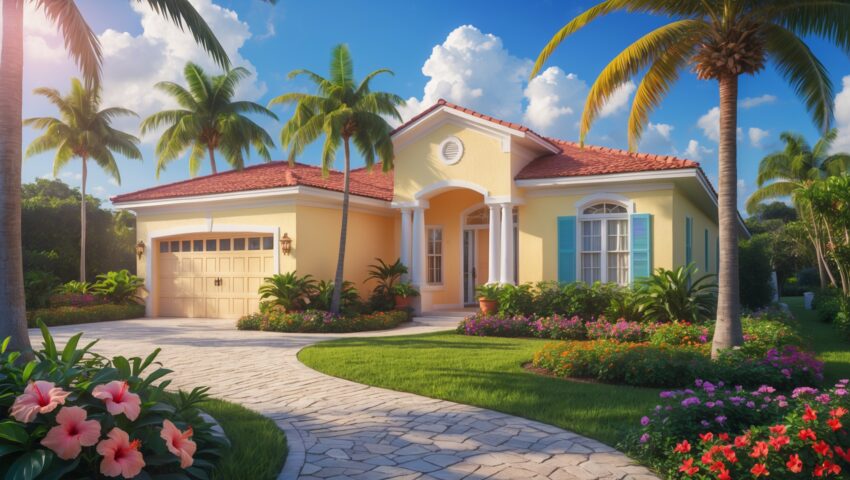
Introduction: Painting Your Florida Home’s Exterior the Right Way
Florida’s vibrant sunshine, torrential rains, salty air, and powerful storms all conspire to make exterior painting a unique challenge for homeowners. A fresh coat of paint can boost curb appeal, extend the life of your siding, and even help with energy efficiency, but only if you navigate the state’s permitting requirements and unpredictable climate. Many Florida homeowners underestimate the importance of timing, product selection, and legal compliance, leading to peeling paint, HOA disputes, or even fines. Whether you’re tackling a DIY project or hiring a contractor, understanding the state’s regulations, climate considerations, and industry best practices is critical for a lasting and hassle-free result. In this detailed guide, we’ll walk you through each stage of the process—from determining if you need a permit, to picking weatherproof paints, to maintaining your home’s vibrant look year after year. You’ll also learn how to avoid common pitfalls, budget wisely, and ensure your exterior painting project enhances your home’s value and resilience.
Do You Need a Permit to Paint Your Home’s Exterior in Florida?
Understanding Local Regulations
In Florida, whether you need a permit for exterior painting depends largely on your municipality and the type of property you own. While most single-family homes do not require a permit for standard exterior painting, multifamily properties, historic districts, and HOA-governed communities often have specific requirements.
- Check With Your Municipality: Some cities (like Miami Beach, St. Augustine, and Key West) have historic preservation boards that regulate exterior color choices and may require review or approval.
- Homeowners Associations (HOAs): Many HOAs require pre-approval of color choices to maintain neighborhood aesthetics. Submit your color swatches and wait for written approval before starting.
- Condominiums and Townhomes: Shared properties often have strict rules about exterior modifications—including paint. Always check your association’s bylaws.
- Historic Homes: Painting a home in a registered historic district almost always requires a permit and adherence to approved color palettes.
Ignoring permitting or approval requirements can result in fines, mandatory repainting, or legal action. Always verify with your local building department and HOA before you buy a single can of paint.
Timing Your Paint Job: Navigating Florida’s Climate
Why Weather Timing Matters
Florida’s climate presents unique challenges for exterior painting. High humidity, frequent afternoon thunderstorms, salt spray near the coast, and intense UV rays can all impact both application and longevity. Selecting the right time of year is crucial for a successful, long-lasting finish.
- Dry Season (November–April): This is typically the best window for exterior painting. Lower humidity and fewer rainstorms help paint cure properly.
- Avoid Hurricane Season (June–November): Heavy rain, wind, and humidity can cause paint to blister or not adhere properly.
- Optimal Temperature Range: Most exterior paints perform best between 50°F and 85°F. Avoid painting in direct midday sun, as surface temperatures can exceed safe ranges even if air temperature is moderate.
- Watch Dew Points: Early morning dew or evening humidity can ruin freshly applied paint. Plan to finish painting by early afternoon.
Weather-Related Painting Tips
- Check the forecast for at least 48 hours of dry weather after painting.
- Use moisture meters to ensure surfaces are dry (especially after rain or pressure washing).
- Near the coast, rinse surfaces to remove salt residue before painting.
Budgeting for an Exterior Paint Project in Florida
Typical Cost Breakdown
The cost of an exterior paint job in Florida can vary widely depending on home size, paint quality, surface prep, and whether you hire professionals or DIY. Here’s a breakdown of typical costs for a 2,000 sq. ft. home:
- Paint and Materials: $400–$1,200 (higher for premium, UV-resistant paints)
- Surface Preparation: $300–$800 (pressure washing, scraping, caulking, repairs)
- Labor: $1,800–$5,000 (depends on complexity, number of stories, and regional labor rates)
- Permits/HOA Fees: $0–$250 (if required)
- Equipment Rental: $50–$300 (ladders, scaffolding, sprayers)
Always budget an extra 10–15% for unforeseen repairs, extra paint, or weather delays.
Saving Money Without Sacrificing Quality
- Buy paint during manufacturer rebates or local hardware store sales.
- Consider doing surface prep yourself to reduce labor costs.
- Get multiple estimates from licensed, insured contractors.
- Factor in the cost of high-quality paint—cheap paint will need to be redone sooner, costing more in the long run.
Choosing the Best Exterior Paint Products for Florida Homes
What to Look For in Paint
Florida’s climate demands paints that can handle moisture, salt, mildew, and UV exposure. Look for these features:
- 100% Acrylic Latex: Offers superior adhesion and flexibility, vital for withstanding Florida’s temperature swings.
- Mildew and Algae Resistance: Especially important in coastal and humid inland areas.
- UV Protection: Prevents fading and chalking from intense sun.
- Salt-Resistance: Essential for homes within 10 miles of the coast.
- Low-VOC Formulas: Safer for families and the environment.
Recommended Brands and Products
- Behr Premium Plus Ultra Exterior: Known for mildew resistance and color retention.
- Benjamin Moore Aura Exterior: Excellent UV and water resistance.
- Sherwin-Williams Duration: Formulated for extreme weather durability.
- PPG Timeless Exterior: Good for coastal homes, offers enhanced salt protection.
Always consult with a local paint specialist, as product lines and formulations can change, and some stores offer Florida-specific blends.
Surface Preparation: The Foundation of Long-Lasting Results
Step-by-Step Preparation Checklist
- Pressure Wash: Remove dirt, mildew, and chalky residue from all surfaces. Let dry completely.
- Scrape & Sand: Remove loose or flaking old paint. Sand rough spots smooth.
- Repair: Patch cracks, fill holes, and replace any rotted wood or damaged stucco.
- Caulking: Reseal joints around windows, doors, and trim to prevent moisture intrusion.
- Prime: Use a high-quality exterior primer, especially on bare wood, repaired areas, or stains.
Thorough prep can add years to your paint job and prevent costly water intrusion.
Tools & Equipment Guide for Florida Exteriors
Essential Tools for DIY and Pro Results
- Pressure washer (2,000–3,000 PSI)
- Extension ladders or scaffolding
- Quality brushes, rollers, and roller covers (3/4″ nap for textured surfaces)
- Paint sprayer (for large, even coverage)
- Caulking gun and elastomeric caulk
- Drop cloths and painter’s tape
- Moisture meter (to confirm surfaces are dry)
- Protective gear: respirators, gloves, eye protection
Rent or borrow expensive tools if you’re not planning future projects.
Compliance, Insurance, and Contractor Considerations
Hiring a Contractor: Legal and Insurance Essentials
- Verify the contractor’s state license on myfloridalicense.com.
- Request proof of liability insurance and workers’ compensation.
- Get a written contract outlining scope, materials, timeline, and payment schedule.
- Check for recent, local references and online reviews.
- Never pay in full upfront. Limit deposits to 10–20%.
Homeowner’s Insurance Impacts
- If painting exposes or repairs hidden damage (like rot or leaks), document with photos and receipts—these may be relevant to future insurance claims.
- Notify your insurer if major repairs or color changes are part of the project, as some policies require updates to property descriptions.
- Unpermitted work may jeopardize future claims or complicate sales disclosures.
Seasonal Maintenance and Touch-Up Strategies
Keeping Your Paint Job Fresh in Florida’s Harsh Climate
- Inspect your home’s exterior every spring and fall for peeling, mildew, or cracks.
- Pressure wash annually to remove mildew, pollen, and salt deposits.
- Touch up chips and exposed wood promptly to prevent moisture intrusion.
- Trim back shrubs and trees to reduce moisture and sun damage to painted walls.
- Check caulking and reapply if gaps develop.
Well-maintained exteriors in Florida can delay full repainting by several years, saving money and preserving your home’s value.
Common Myths About Painting Florida Homes—Debunked
- Myth: Any exterior paint is fine in Florida.
Fact: Only paints formulated for high humidity, salt, and UV exposure will last. - Myth: You can paint any time of year.
Fact: Rain, humidity, and temperature swings can ruin paint if you ignore timing. - Myth: Power washing right before painting is always good.
Fact: Surfaces must be 100% dry—trapped moisture causes bubbling and peeling. - Myth: Permits are never required.
Fact: Many HOAs and historic districts require approval and even city permits. - Myth: You can skip primer on old paint.
Fact: Bare patches, repairs, and chalky surfaces all need primer for proper adhesion.
Case Study: Navigating a Smooth Exterior Paint Project in Central Florida
Background
The Martinez family in Winter Park wanted to refresh their 1950s ranch home with a modern color palette. Their home is in an HOA-regulated neighborhood and subject to local historic review.
Steps Taken
- Submitted color swatches and application to both the HOA and city’s historic board. Approval took two weeks.
- Chose a high-quality, mildew-resistant acrylic latex paint in a pale blue with white trim, recommended by a local paint store for sun and humidity resistance.
- Scheduled painting for March (dry season) after checking the forecast for a rain-free week.
- Hired a licensed, insured contractor who pressure washed, repaired wood rot, primed, and applied two coats of paint.
- Final inspection by the HOA confirmed full compliance.
Results
The finished job has remained vibrant and mildew-free for three years, with the family performing annual pressure washing and minor touch-ups. No compliance or insurance issues arose, and the home’s appraised value increased by $15,000.
Conclusion: Achieving a Lasting, Legal, and Beautiful Paint Job in Florida
Painting your Florida home’s exterior is more than just a weekend project—it’s an investment in your property’s durability, beauty, and value. Take time to understand your municipality’s and HOA’s requirements, as skipping permits or approvals can lead to expensive headaches down the road. Budget for quality—not just in paint, but in thorough preparation and proper timing, which are both crucial for withstanding Florida’s relentless sun, humidity, and storms.
Choose paints specifically formulated for the state’s unique challenges, and always prep surfaces meticulously for best results. Consider hiring licensed, insured professionals for complex jobs, and document all work for insurance peace of mind. Don’t fall for common myths—what works up north won’t hold up in Florida’s demanding environment. With smart maintenance, you can enjoy a vibrant, weatherproof exterior for years, increase your home’s curb appeal, and protect your investment. Whether you’re restoring a charming bungalow in a historic district or updating a coastal property, following these expert strategies will help you navigate the legal, financial, and practical aspects of exterior painting—ensuring your home stands out for all the right reasons.
Are there significant price differences between regular exterior paints and the weatherproof options you mentioned? I’m trying to plan our budget and wondering if the more durable paints are really worth the extra cost in Florida’s climate.
Weatherproof exterior paints generally cost more than regular options—usually by 20 to 50 percent, depending on the brand and specific features like UV and moisture resistance. While the upfront price is higher, weatherproof paints tend to last longer in Florida’s humid, storm-prone climate. This can mean fewer repaints over time, lower maintenance costs, and better protection for your home, which often makes the investment worthwhile.
You mentioned that salty air and storms affect the durability of exterior paint in Florida. Are there specific paint brands or types that hold up best under those conditions, or should I focus more on certain application techniques?
Both paint choice and application technique matter for Florida’s salty, storm-prone climate. Look for high-quality exterior acrylic latex paints labeled as resistant to mildew, UV, and salt air—brands like Benjamin Moore Aura, Sherwin-Williams Duration, and Behr Marquee are often recommended here. For best results, make sure surfaces are clean and primed, apply at least two coats, and follow the manufacturer’s instructions about weather conditions during application.
If my house is in a historic district, does that mean I need to get a special permit or just an approval for paint color? And how long does that approval process usually take?
If your house is in a historic district, you’ll typically need to get approval for both the paint color and possibly a special permit, depending on your local historic preservation board’s rules. The process often involves submitting your chosen color and sometimes samples for review. Approval time varies by city, but it commonly takes about 2 to 4 weeks. It’s best to contact your local historic district office to get specific requirements and timelines.
I’m planning to repaint the exterior of my house in central Florida and I’m a little confused about the whole permit process. If my house is in a historic district, do I need both city and HOA approval for color choices, or does one override the other?
If your house is in a historic district in central Florida, you typically need approval from both the city (or local historic preservation board) and your HOA for exterior paint colors. The city reviews your choices for historic compatibility, while the HOA may have its own guidelines. Neither overrides the other, so it’s best to check with both before starting your project.
What type of paint works best for homes near the coast given the salty air and storms? I’m hoping to avoid having to repaint every couple of years, so I’d love tips on products with proven durability.
For coastal homes in Florida, look for high-quality 100% acrylic latex exterior paints, as they’re especially resistant to salt, moisture, and harsh weather. Paints labeled as ‘marine-grade’ or specifically designed for coastal environments offer extra protection. Brands that feature mildew resistance and UV blockers will also help extend the life of your paint job. Be sure to properly clean and prime surfaces before painting for the best, longest-lasting results.
The article mentions that picking the right weatherproof paint is important in Florida. Are there any specific brands or types of paint you recommend for both sun and salt exposure?
For Florida’s intense sun and salty air, look for exterior paints labeled as 100% acrylic latex, since they resist fading and peeling. Brands such as Sherwin-Williams Duration, Benjamin Moore Aura, and Behr Premium Plus Ultra are often recommended for coastal and sunny climates. Make sure the paint you choose specifically mentions UV resistance and salt tolerance on the label for the best long-term results.
For multifamily properties or condos, you mention extra permitting requirements. Can you clarify what additional documentation or steps are needed compared to single-family homes, especially when working in cities with stricter regulations like Miami Beach?
For multifamily properties or condos, you’ll often need approval from the homeowners association or condo board before starting exterior painting. In stricter cities like Miami Beach, permits may require detailed project descriptions, color samples for city approval, and proof of licensed contractors. You might also need to provide insurance certificates and follow specific work hour restrictions. Always check with both your local building department and your property management for exact requirements.
If I live in a neighborhood with an HOA in Florida, how long does it usually take to get written approval for my paint color? I want to plan my timeline, but I have no idea if this process takes days or weeks.
HOA approval times for exterior paint colors in Florida can vary, but most homeowners receive a decision within one to three weeks after submitting their request. Some HOAs may respond faster if they have regular meetings or allow for online submissions. It’s a good idea to check your HOA’s guidelines or contact the board directly to get a more specific estimate for your community.
If my HOA requires pre-approval for color but the municipality does not require a permit, do I still need to notify the city about my project, or is HOA approval enough?
If your municipality does not require a permit for exterior painting, you typically do not need to notify the city about your project. As long as you receive pre-approval from your HOA for your color choice, that should be sufficient. It’s always wise to double-check your city’s website or call their office in case there are any updates or neighborhood-specific rules, but usually, HOA approval alone is all that’s needed in your situation.
I live in a neighborhood with a pretty strict HOA, and I’m planning on painting my house this summer. About how long does it usually take to get HOA approval for exterior paint colors, and what happens if I accidentally start painting before getting the OK?
HOA approval times for exterior paint colors can vary, but it often takes anywhere from a week to a month, depending on your HOA’s processes and meeting schedule. If you start painting before getting their official approval, you could face fines or be required to repaint your home in an approved color, which can be costly and inconvenient. It’s always safest to submit your color choices early and wait for written approval before beginning any work.
The article mentions that cities like Key West have historic preservation boards that regulate color choices. How would I find out if my own neighborhood is subject to those kinds of regulations, and what does the approval process usually involve?
To check if your neighborhood has regulations on exterior paint colors, contact your local city or county planning department or historic preservation office. They can confirm if your area is designated as a historic district or has an oversight board. If approval is required, you’ll typically need to submit a color sample or design proposal for review, and the board will let you know if your choices meet their guidelines before you begin painting.
I run a small painting business and sometimes work with clients in historic districts like St. Augustine and Key West. How can I find out ahead of time what colors or finishes are allowed so we don’t run into last-minute approval issues?
To avoid last-minute approval issues in historic districts, contact the local Historic Preservation Board or Planning Department before starting a project. They typically have guidelines or approved color palettes for homes in those areas. Reviewing these requirements early and submitting any necessary color samples for approval will help ensure your projects proceed smoothly.
Can you clarify whether certain paint brands or products are more resilient against Florida’s salty air and heavy storms? The article mentions weatherproof paints, but I’m curious which specific features or labels homeowners should look for when shopping.
When shopping for exterior paint in Florida, look for products labeled as ‘marine grade,’ ‘salt air resistant,’ or ‘coastal formula.’ These paints are designed to withstand salty air and high humidity. Also, check for features like UV protection, mildew resistance, and elastomeric qualities, which help paint remain flexible during storms. Well-known brands often offer specialty lines for coastal climates, so reading labels for these features will help you choose the most resilient option.
I’m in an HOA community and understand that color approval is required, but is there a typical turnaround time for getting that written approval, and what happens if I start painting before receiving it?
HOA color approval turnaround times can vary, but many associations respond within one to three weeks after you submit your request. It’s important to wait for official written approval before starting your paint job. Painting without approval may result in fines, a demand to repaint, or other HOA penalties. Always check your HOA’s specific guidelines for exact timelines and consequences.
If I’m painting a multifamily property here and not just a single-family home, what’s usually involved on the permitting side? Is it a more complicated process or just extra paperwork?
For multifamily properties in Florida, the permitting process for exterior painting is generally more involved than for single-family homes. You’ll likely need to submit more detailed documentation, such as building plans and HOA approvals, and ensure compliance with additional safety and fire regulations. The review process might also take longer, so be prepared for some extra paperwork and coordination with your local permitting office.
Are there any budget-friendly paint brands that still hold up well against Florida’s salty air and storms, or is it always better to pay more for high-end weatherproof paints?
You don’t always have to go for the highest-priced paints to get good protection. Some mid-range brands like Behr and Valspar offer exterior paints specifically rated for humidity and salt air, and they’ve performed well in Florida conditions. Just make sure you choose products labeled for exterior use and weather resistance, and follow application instructions closely for the best durability.
In situations where a painted exterior starts peeling sooner than expected despite following regulatory steps, what are the most common mistakes Florida homeowners make—product choice, prep work, or weather timing?
Peeling often happens faster when surface preparation is rushed or incomplete—like not cleaning, sanding, or priming properly. Using low-quality or incompatible paint is the next common mistake. Weather timing matters too, since painting during high humidity, rain, or extreme heat can prevent proper adhesion. Making sure all three factors are handled carefully is key to long-lasting results in Florida.
Our business property is in a historic district, and you mentioned some cities have preservation boards that oversee color choices. How far in advance should I start the approval process, and what typically happens if the board rejects my initial paint color selection?
For a property in a historic district, it’s wise to start the approval process at least 4 to 6 weeks before your planned project date, as boards can have set meeting schedules and may require detailed submissions. If your initial color selection is rejected, you’ll usually receive feedback explaining the decision and may be invited to submit revised color choices that better fit district guidelines.
Could you clarify what kind of documentation HOAs typically require when submitting color swatches for exterior painting approval, and about how long the approval process usually takes in Florida communities?
HOAs in Florida usually ask for a completed application form along with physical or digital color swatches of your proposed paint choices. You may also need to include labeled photos of your home, a diagram showing where each color will be used, and possibly manufacturer details. The approval process often takes around 2 to 4 weeks, but this can vary depending on the HOA’s meeting schedule and workload.
If you live in a Florida HOA community, about how long does the color approval process usually take? I want to time my project around the rainy season but I’m worried about delays waiting for HOA sign-off.
In most Florida HOA communities, the color approval process typically takes anywhere from one to four weeks, depending on how often the HOA review board meets and how quickly you submit all required documents. It’s a good idea to check your HOA’s meeting schedule and guidelines so you can plan your project timeline and avoid running into the rainy season.
I’m planning to do a DIY paint job, but my home is a townhome with a shared exterior wall. Does Florida law say anything specific about permits or coordination with my neighbors in this situation?
For townhomes with shared exterior walls, Florida often requires HOA approval before any exterior changes, including painting, since these areas may be considered common property. Permits may not be needed for painting alone, but always check local city or county regulations. It’s also good practice to coordinate with your neighbors and HOA to avoid disputes or violations.
If my home is in a historic district in somewhere like St. Augustine, do I need both city approval and HOA approval before painting, or just one? The layers of rules are a bit confusing.
In a historic district like St. Augustine, you’ll likely need approval from both the city (often through a historic preservation board) and your HOA if your community has one. The city ensures changes fit historic guidelines, while the HOA checks for neighborhood standards. It’s a good idea to contact both before starting to avoid any compliance issues.
Our home is in a historic district in Miami Beach. Does choosing a non-traditional paint color mean we’ll automatically get denied by the preservation board, or is there wiggle room with approvals?
Choosing a non-traditional paint color in a historic district like Miami Beach doesn’t automatically mean your request will be denied, but the preservation board does prioritize maintaining the area’s historic character. There is some flexibility, especially if the color complements the neighborhood’s aesthetic or is historically appropriate. It’s best to check the district’s guidelines and consider submitting sample colors along with your application to discuss options with the board.
The article mentions timing the paint job due to Florida’s unpredictable weather. Is there a specific time of year that’s usually best for exterior painting to avoid rain and humidity issues?
In Florida, the best time for exterior painting is typically during the late fall and early spring months. These periods usually bring less rain and lower humidity compared to the summer, giving paint a better chance to dry and cure properly. Avoid the hurricane season and the peak of summer to minimize weather-related issues.
When it comes to planning around Florida’s unpredictable weather, is there a best time of year or even a best time of day for getting the most durable exterior paint results?
For the most durable exterior paint results in Florida, aim to schedule painting during the cooler, drier months—typically late fall through early spring. Humidity is usually lower, and there’s less rain, allowing paint to cure properly. As for time of day, painting in the morning is ideal; it lets you avoid both overnight dew and intense midday sun, which can affect how the paint dries.
Could you expand a bit more on the budget implications? Are there significant cost differences in permitting or product selection when painting a single-family home versus a multi-unit property or one in a historic district?
Absolutely, there are cost differences to consider. Permitting fees can be higher for multi-unit properties or homes in historic districts, since stricter guidelines or additional reviews may apply. For product selection, historic homes might require special paints that meet preservation standards, which can be pricier. In general, expect higher overall costs for permits, labor, and materials when compared to painting a standard single-family home.
The article says permitting depends on the municipality and property type. If I belong to an HOA, should I reach out to them first before I even look at paint samples, or is it better to narrow down some options before getting their approval?
If your home is part of an HOA, it’s a good idea to check with them before picking out paint samples. Many HOAs have guidelines or pre-approved color palettes, so getting their requirements upfront can save you time and prevent possible rejections. Once you know their rules, you can narrow down paint options that fit their criteria.
What happens if I accidentally repaint my home without checking with the HOA first—will I automatically face a fine, or do most associations give a warning and time to repaint if needed?
Most HOAs typically provide a warning first if you repaint your home without prior approval. They usually ask you to correct the issue within a set timeframe. However, some associations may issue fines right away, especially if their rules are strict. It’s best to check your HOA’s guidelines to see how they handle these situations.
You mentioned that the timing of painting is important because of the weather. What months are typically best for exterior painting in Florida to make sure the paint dries properly and lasts longer?
In Florida, the best months for exterior painting are usually from late October through April. During this period, humidity is lower, temperatures are milder, and there’s less rain, which helps paint dry and cure properly. Avoid painting in the peak summer months when afternoon storms and high humidity can interfere with drying and affect the longevity of the paint job.
If our local city doesn’t require a permit for exterior painting but we’re part of an HOA, what kind of fines or issues could we face for starting the project before getting formal color approval?
If your HOA requires formal approval for paint colors and you start the project without it, you could face fines, be asked to repaint at your own expense, or even receive a stop-work order. Some HOAs can also charge daily penalties until the issue is resolved. Always check your HOA rules and get written approval before painting to avoid these complications.
If I hire a contractor for my home’s exterior painting, will they typically handle all the permit paperwork and check with the local boards, or is that something I need to do myself as the homeowner?
Most reputable contractors in Florida will handle the permit paperwork and coordinate with local boards as part of their service for exterior painting jobs. However, it’s a good idea to clarify this upfront before hiring. Ask your contractor directly about who is responsible for permits and any required approvals to avoid confusion or delays.
I’m on a tight budget for my DIY exterior paint project. What are some cost-effective paint brands or products that still offer strong protection against Florida’s sun and humidity, as recommended in the article?
For a budget-friendly yet durable option, consider Behr Premium Plus or Glidden Essentials. Both are affordable and have formulas designed to withstand Florida’s intense sun and humidity. The article highlights the importance of choosing exterior paints labeled as mildew resistant and UV protected, so check for those features when selecting your product to ensure longer-lasting results.
How do Florida’s weather patterns, like super humid summers and hurricane season, affect the best time of year to paint a home’s exterior for the longest-lasting results?
Florida’s humid summers and hurricane season can make exterior painting tricky. High humidity and frequent rain in summer can prevent paint from drying properly and may lead to peeling or mildew. For the longest-lasting results, it’s best to paint in the cooler, drier months, typically from late fall to early spring. This timing helps paint cure well and ensures a more durable finish.
If I start painting and Florida weather suddenly changes, like a pop-up thunderstorm, what’s the best way to prevent damage or streaking on partially finished surfaces? Any tips for handling weather surprises mid-project?
If a sudden storm approaches, stop painting right away and cover any wet areas with plastic sheeting or tarps to protect them from rain. Try to finish a section fully to the nearest break point before stopping. Once the weather clears and surfaces dry, check for streaks or damage—lightly sand and recoat those areas as needed. Keeping an eye on the weather and having covers ready helps manage these unexpected interruptions.
If I’m tackling the painting project myself, how do I check if my city or county actually requires a permit, and what’s the process like if I do need one? I want to avoid any fines or compliance problems down the road.
To find out if you need a permit for exterior painting, visit your city or county’s official website and search for their permitting or building department section. You can also call them directly to confirm the rules for your address. If a permit is required, they’ll guide you through an application, which typically asks for project details and sometimes proof of ownership. Always get written confirmation to keep for your records.
We get a lot of salty air where we live near the coast, and our current paint is peeling badly. Could this be an issue with the type of product we used, or is it more likely from skipping a required maintenance step? Any suggestions for preventing this next time?
Peeling paint near the coast is often caused by both the harsh salty air and the type of paint or preparation used. Coastal homes need high-quality, salt-resistant exterior paints, and it’s crucial to clean and prime surfaces before painting. For lasting results, use paints labeled for coastal conditions, wash surfaces regularly to remove salt, and consider applying a protective sealant. Regular inspections and touch-ups also help prevent peeling.
For homeowners doing a DIY paint project, what are the most common mistakes you see that lead to peeling or premature fading? Beyond product selection and timing, are there prep steps people often overlook in Florida’s climate?
In Florida, one of the biggest mistakes is not cleaning the exterior thoroughly before painting—mildew, dirt, and chalky residue can prevent paint from sticking. Skipping proper scraping and sanding of old, flaking paint is also common. Other overlooked steps include not repairing cracks or sealing gaps, and failing to use appropriate primers for high-humidity or previously painted surfaces. Attention to these prep steps helps your paint job last much longer in Florida’s challenging climate.
If my property is part of an HOA, what typically happens if I paint the exterior before getting their written approval? Are there standard consequences or ways to resolve disputes if that occurs?
If you paint your home’s exterior without written HOA approval, you may be required to repaint it in an approved color or style at your own expense. Many HOAs can also issue fines or penalties. To resolve disputes, you can appeal to the HOA board or attend a hearing, but it’s usually best to communicate openly and cooperate to reach a solution.
I noticed the article talked about historic preservation boards in places like St. Augustine. If my home is in a historic district, does that mean I’m limited to only a few color options for repainting, or can I propose new colors?
If your home is in a historic district, you’ll likely face some restrictions on exterior paint colors to preserve the area’s historic character. Most historic preservation boards have approved color palettes, but you can usually propose new colors by submitting your choice for review. The board will consider whether your proposal fits the district’s guidelines and overall look.
Could you elaborate on how Florida’s humid climate affects the longevity of exterior paint? Are there certain types of weatherproof paints or finishes that perform noticeably better in these conditions?
Florida’s humid climate can make exterior paint more prone to issues like blistering, peeling, and mildew. Moisture in the air may seep into surfaces, affecting paint adhesion and durability. To combat this, look for paints labeled as mildew-resistant or designed for high humidity. Acrylic latex paints typically perform well in these conditions, and choosing a high-quality exterior primer also helps extend paint life. Satin or semi-gloss finishes are often better at resisting moisture than flat finishes.
If my house is in a historic district in Florida, what’s the typical process for getting paint colors approved, and how long does that usually take? I want to avoid any delays that might mess up scheduling with my contractor.
If your house is in a historic district, you’ll typically need approval from the local historic preservation board or review commission before painting. Submit an application with your proposed color choices, often including paint samples. Review times vary but usually take anywhere from two to six weeks, depending on the district and their meeting schedule. It’s best to apply as early as possible to avoid delays with your contractor.
Since product selection and budget can make or break a paint job, could you share any insight on how to balance choosing weatherproof paints with keeping costs manageable for a small business managing several properties?
Balancing durability and cost for multiple properties starts with selecting mid-range, high-quality weatherproof paints rather than premium lines. Look for reputable brands offering commercial-grade options that come with bulk purchase discounts. Many suppliers will negotiate prices for larger orders. Also, consider lighter colors—they reflect heat and may last longer in Florida’s sun, reducing repaint frequency. Investing a bit more upfront in better paint typically saves money and time on future maintenance.
Could you elaborate on how much budgeting should factor in weather-related delays? For someone hiring a contractor during Florida’s rainy season, is it common for projects to run over due to unpredictable storms?
Weather-related delays are a real concern during Florida’s rainy season. It’s wise to budget for possible extra days, as storms can halt work unexpectedly. Many contractors include a cushion in their timelines, but you might want to set aside an additional 10–20% of your budget for unforeseen delays, especially if you’re working against a tight schedule or have specific finish dates in mind.
If I schedule an exterior paint job during Florida’s rainy season, what steps should I take to ensure proper drying and long-lasting results? Do you recommend certain products or weather monitoring tools?
Scheduling a paint job during Florida’s rainy season requires extra care. Aim for days with low rain forecasts and humidity below 85%. Use high-quality exterior paints formulated for humid, wet climates—look for products labeled as mildew-resistant. Weather apps like AccuWeather or NOAA can help monitor hourly forecasts. Allow each coat to dry fully before applying the next, and if rain is expected, postpone painting to avoid moisture issues. Using quick-dry paints can also help.
If I’m painting a multifamily property in Florida and not just a single-family home, are the permitting requirements or HOA processes significantly different? What should I watch out for when dealing with shared walls or common areas?
When painting a multifamily property in Florida, permitting requirements can be stricter compared to single-family homes. You’ll likely need to coordinate with your HOA or property management for approval, especially since exterior changes affect all residents. Be sure to clarify who is responsible for shared walls or common areas, as these often require additional permissions and clear communication with neighbors. Always check local building codes and HOA guidelines before starting your project.
You mentioned weatherproof paints help in Florida’s climate, but do certain brands or types last noticeably longer with all the rain and salt air? I want to avoid repainting every few years.
Yes, some brands and types of exterior paint are formulated specifically for harsh, humid, and salty climates like Florida’s. Acrylic latex paints labeled as ‘marine grade’ or ‘weatherproof’ tend to last longer against rain and salt air. Brands like Sherwin-Williams Duration and Benjamin Moore Aura are often recommended because they resist fading, peeling, and mildew better than standard paints. Investing in these higher-quality options and proper surface prep can help you avoid frequent repainting.
You touched on the importance of maintenance for ensuring long-lasting paint results in Florida’s challenging climate. Can you share what a regular maintenance routine should look like after the paint job is finished and how often homeowners should inspect or touch up the exterior?
After your exterior paint job, it’s a good idea to inspect your home’s exterior every six months. Look for signs of mildew, peeling, or fading, especially after Florida’s rainy season. Clean the surface with mild soap and water as needed, and promptly touch up any chipped or damaged areas to prevent further deterioration. Regular gutter cleaning and trimming vegetation away from walls can also help protect your paint job.
I live in a neighborhood with an HOA, and the article mentions submitting color swatches for approval. How long does that process usually take, and have you faced delays if the HOA disagrees with your choices?
HOA approval times for paint color swatches can vary quite a bit, but it’s common for the process to take anywhere from one to three weeks. If the HOA disagrees with your initial choices, you may need to submit alternative colors, which can add extra days or even another week or two. To avoid delays, check your HOA’s specific guidelines before submitting and consider calling the board or management company for a timeframe estimate.
You mention that Florida’s climate can really affect paint longevity. Are there specific brands or types of exterior paint you’ve found to hold up best in areas with both salty air and lots of rain?
In coastal Florida areas with salty air and frequent rain, high-quality 100% acrylic latex paints are usually the most durable. Brands like Sherwin-Williams Duration and Benjamin Moore Aura are popular choices, as they’re formulated to resist both moisture and salt damage. Look for paints labeled as mildew-resistant and designed for exterior use in marine or tropical climates for the best long-term results.
If the weather unexpectedly turns rainy halfway through painting, what’s the best way to deal with partially painted siding? Should I wait for the surface to dry and repaint, or are there products that can go over slightly damp areas without peeling later on?
If rain interrupts your painting, it’s best to let the surface dry completely before repainting. Painting over damp siding can lead to peeling and poor adhesion. Most exterior paints are designed for dry surfaces, so there aren’t reliable products for painting over wet areas. Once everything is dry, inspect the siding for any streaks or damage and touch up as needed.
For single-family homes outside of HOAs, are there particular types of weatherproof paint you recommend for Florida’s salty air and humidity, or do standard exterior paints suffice?
For homes in Florida’s salty, humid climate, it’s best to choose high-quality exterior paints specifically labeled as mildew-resistant and formulated for coastal or marine environments. Acrylic latex paints with UV and salt resistance work well. Standard exterior paints may not last as long in these conditions, so investing in weatherproof or premium coastal paints will help your paint job endure the elements.
With Florida’s climate being so harsh, are there particular brands or types of exterior paint that hold up better against both sun and salty air? I’d love some recommendations to make sure our paint job lasts.
For Florida’s intense sun and salty air, look for high-quality, 100% acrylic latex paints that are specifically labeled for exterior use in coastal or high-UV environments. Brands like Sherwin-Williams Duration, Benjamin Moore Aura, and Behr Marquee are often recommended for their durability and resistance to fading, cracking, and mildew. Choosing paints with UV protection and mildew resistance will definitely help your paint job last longer in Florida’s climate.
I’m based in a Florida neighborhood with a pretty strict HOA, and I’m trying to avoid any issues with them over exterior paint colors. Do you have any tips for approaching HOAs about color approval, or examples of what paperwork or swatches they usually require?
When dealing with a strict HOA, it’s best to contact them early in your planning process. Most HOAs require you to submit a formal request for color approval, which typically includes paint swatches, the paint brand and color codes, and sometimes photos or renderings of how your home will look. Check your HOA’s guidelines for any pre-approved color palettes, and consider asking neighbors about their experience to ensure you follow the correct procedure.
We work in HOA neighborhoods and sometimes run into conflicts about approved exterior colors. If our submitted color swatch gets denied, what’s the usual process for appealing or negotiating with the HOA board, and how long can those approvals typically take?
If your color swatch is denied by the HOA, the typical next step is to review the association’s guidelines for approved colors, then submit a written appeal or request a meeting with the board. Some HOAs also allow for negotiation or compromise on specific shades. Approval times can vary, but expect anywhere from a few days to several weeks, depending on how often the board meets and the complexity of your request.
How much should I budget for quality exterior paint that is weatherproof and suitable for Florida’s humid conditions? Are there significant price differences between products that really make a difference in durability?
For a quality, weatherproof exterior paint suitable for Florida’s humidity, expect to budget around $35 to $60 per gallon for premium acrylic latex paints. Cheaper paints may cost $20 to $30 per gallon, but investing in higher-end products does make a significant difference in durability, fade resistance, and protection against mold and mildew. Superior paints typically last longer and perform better in Florida’s challenging climate.
You mentioned that weather timing is critical for Florida exterior paint jobs. Is there a particular month or season that’s considered best for painting, and how long do you usually need to avoid rain after finishing?
In Florida, the best time to paint home exteriors is typically in the late fall or early spring. These seasons usually bring lower humidity and less frequent rain than summer. After painting, it’s important to avoid rain for at least 24 hours to let the paint cure properly, though some paints may set faster—always check your specific product’s recommendations.
I’m planning to hire a contractor, but I’m not sure how to verify if they know about local permit rules and HOA guidelines. What’s the best way to make sure they handle all the legal requirements and approvals?
When interviewing contractors, ask them directly about their experience with local permitting and HOA guidelines for exterior painting. Request references from recent clients in your area and confirm that the contractor will handle all permits and approvals as part of their service. It’s also a good idea to check with your city’s permitting office and your HOA to verify requirements and to ensure your contractor is properly licensed and insured.
I live in a Florida neighborhood with a strict HOA, and I’m not sure if their color restrictions are stricter than the city’s rules. If my HOA approves a color but the city has other requirements, which one do I have to follow?
In Florida, you need to comply with both your HOA’s guidelines and your city’s regulations. Even if your HOA approves a color, you must also make sure that it meets city requirements. If there’s a conflict, the more restrictive rule usually applies. It’s a good idea to check with your city’s permitting office before starting your project.
Can you explain a bit more about what happens if someone paints their house without checking with their HOA or city? Are fines common, or could it result in having to repaint the house with a different color?
If someone paints their house without approval from their HOA or city, there can be consequences. HOAs often issue fines for unapproved paint colors, and they may require you to repaint the house in a compliant color, which can be costly. Some cities also have rules, and ignoring them could lead to additional fines or stop-work orders. It’s always best to check first to avoid these issues.
If I hire a contractor to paint the outside of our house, who’s responsible for making sure all the permits and HOA approvals are sorted out—the homeowner or the contractor?
Typically, the contractor takes care of pulling any necessary permits and can often help with HOA paperwork, but it’s important to confirm this before hiring. Ultimately, as the homeowner, you are responsible for making sure everything is in place. Double-check with your contractor and your HOA to avoid surprises or delays.
If my property is in a historic district and I pick a neutral color close to the original, will I still need to go through a lengthy approval process, or are there any ways to streamline the permitting when repainting with similar colors?
If your property is in a historic district, even repainting with a neutral color similar to the original often requires approval from the local historic preservation board. However, some districts offer a pre-approved palette or a simplified review for minor changes like repainting with similar colors. Check with your local board—they may have an expedited process or administrative approval for minor, in-kind color changes, which could save you time.
If paint starts peeling or bubbling a year after I finish, is that usually caused by the climate, poor product choice, or could it be from skipping a permit or HOA approval step? I want to avoid making mistakes that could waste time and money.
Peeling or bubbling paint within a year is usually due to improper surface preparation, poor-quality paint, or painting in unsuitable weather—high humidity or rain can be big factors in Florida. Skipping permits or HOA approval doesn’t directly cause paint to fail, but it could lead to fines or having to redo the job, which is costly in a different way. Always follow prep steps, use good exterior paint, and paint in dry weather to get the best results.
You touched on paint selection for Florida’s climate—are there particular brands or types of paint that truly hold up best against the humidity and salt air, or is it more about the application method?
Both the paint type and application method matter, but in Florida’s humid, salty air, high-quality 100% acrylic exterior paints generally perform best. Brands like Sherwin-Williams Duration or Benjamin Moore Aura are popular for their durability and mildew resistance. Look for paints labeled for coastal or high-humidity environments. Proper surface prep, priming, and applying two coats are also key for long-lasting results.
For someone doing a DIY project, what steps should I take to ensure my paint job won’t peel due to the salty air or heavy rain common in coastal Florida towns?
To keep your paint job from peeling in Florida’s coastal conditions, start by thoroughly cleaning and drying your exterior surfaces. Use a high-quality, mildew-resistant primer before applying a premium exterior paint made for coastal climates. Paint during dry spells, avoiding rainy or humid days, and allow each coat to fully cure. Sealing edges and joints helps block out moisture and salty air.
Could you clarify the best months to start an exterior paint job in Florida to avoid heavy rain and humidity issues? I’m having a hard time figuring out the ideal weather window for a DIY project.
For Florida, the best months to start an exterior paint job are typically between late October and early May. During this period, the weather is drier, humidity is lower, and there’s less chance of heavy afternoon rain or storms. Scheduling your project outside of the rainy summer season helps ensure the paint adheres properly and dries evenly.
How far in advance should I submit color swatches to my HOA for approval, and what happens if my paint job is delayed because of unpredictable Florida weather?
It’s a good idea to submit your color swatches to your HOA at least 2–4 weeks before your planned start date. This gives them enough time for review and possible feedback. If weather delays your paint job, let your HOA know as soon as possible. Most HOAs will understand and may grant an extension if you communicate the reason clearly and provide a new estimated timeline.
Is there an ideal time of year to schedule an exterior paint job in Florida to minimize both weather delays and the risk of poor paint adhesion, or do you recommend breaking the project into stages to work around unpredictable rain?
In Florida, the best time to schedule an exterior paint job is typically during the spring or early fall. These seasons usually have lower humidity and less frequent rain, which helps paint adhere better and dry properly. Breaking the project into stages isn’t usually necessary if you plan around the local weather forecast, but always avoid painting right before or after heavy rains.
I read that picking the right weatherproof paint is really important in Florida, but how can I tell which products actually hold up best against all the humidity and salt air? Are there certain ingredients or brands that work better for coastal homes?
In Florida’s humid and salty coastal climate, look for exterior paints labeled specifically as mildew-resistant and formulated for high humidity. Acrylic latex paints are generally a top choice because they resist peeling and fading. Brands like Sherwin-Williams, Benjamin Moore, and Behr have products rated for coastal conditions. Check for ingredients like 100% acrylic resin, UV blockers, and added mildewcides to ensure the best durability.
If I’m painting my Florida home myself to save money, are there certain types of paints or primers that actually hold up better against the salty air and storms? I want to make sure I’m not cutting corners and end up repainting too soon.
For Florida’s salty air and frequent storms, choose 100% acrylic exterior paints, as they resist fading, chalking, and mildew much better than latex or oil-based options. Look for paints labeled as mildew-resistant and specifically formulated for coastal or high-humidity environments. For primer, use a high-quality acrylic or alkyd primer suited for exteriors—especially if your siding is wood or previously unpainted. Proper surface prep and two finish coats will also help your paint job last longer.
What should I do if I finish painting and the new color immediately starts peeling because of the weather? Are there any quick fixes, or is it usually a sign that surface prep or product choice went wrong?
If your new paint starts peeling right after you finish, it’s often due to poor weather conditions during application or issues with surface prep or paint choice. Quick fixes like touch-ups might help temporarily, but the underlying problem will likely persist. For a lasting solution, you’ll need to let the surface dry thoroughly, scrape off the peeling areas, re-prep the surface, and repaint—ideally when the weather is dry and mild.
After painting, are there recommended maintenance routines or specific products for keeping the color vibrant and preventing peeling, given Florida’s humidity and salty air?
To preserve your exterior paint in Florida, regularly rinse your walls with a garden hose to remove salt and mildew buildup. Inspect for cracks or peeling every few months, and touch up any spots immediately to prevent further damage. Using a high-quality, UV-resistant exterior paint and a clear acrylic sealer can help maintain color vibrancy and shield against humidity and salt air. Avoid harsh cleaners; mild soap and water are best for cleaning.
If I start painting my house without realizing our municipality requires a permit or approval, what kind of fines or penalties might I face, and how can I fix things if I’m already partway through?
If your municipality requires a permit and you begin painting without one, you could face fines that vary depending on local rules—sometimes these are flat fees or daily penalties until you comply. To fix this, stop the work and contact your local building department right away. They’ll guide you on how to apply for the necessary permit after the fact and let you know if any inspections or additional steps are needed.
The article mentions certain cities like Miami Beach and Key West having more strict rules. If I want to use a bright or unusual color for my house, are there any steps I can take to improve my chances of getting approved by a historic board?
When applying for approval in cities with strict color rules, it’s helpful to research the historic board’s guidelines and select colors from any recommended palettes they provide. Submitting detailed renderings or photos showing how the color fits with neighboring homes can also support your case. Sometimes boards are more flexible if the color choice respects the area’s historic character, so including a short explanation of your design intent may improve your chances.
If I live in a neighborhood with an HOA and want to repaint my house a slightly different shade of the current color, do I still need to go through the full approval process, or are minor color changes treated differently?
In most HOAs, even minor changes to your home’s exterior color usually require going through the full approval process. HOAs often have strict guidelines to keep neighborhood aesthetics consistent, so it’s best to check your HOA’s rules first. Even a slight shade difference could need written approval before you start painting.
If my HOA already approved my color selection, do I still need to double-check with my city for permit requirements before I start painting, especially since I live in a neighborhood with some older homes?
Yes, it’s a good idea to double-check with your city, even if your HOA has approved your color choice. Many Florida cities have their own permit rules, especially in neighborhoods with older or historic homes. Checking with your local building or planning department ensures you won’t face any unexpected fines or delays once you start your painting project.
You mentioned that Florida’s weather can really mess with exterior paint. If I want the paint job to last as long as possible, what season or specific weather conditions should I aim for, and what should I absolutely avoid?
To get the best and longest-lasting results for your Florida home exterior paint job, aim for early spring or late fall when temperatures are moderate (ideally between 50°F and 85°F) and humidity is lower. Avoid painting during the rainy season, in extreme heat, or when humidity is high, as these conditions can prevent paint from adhering and curing properly.