

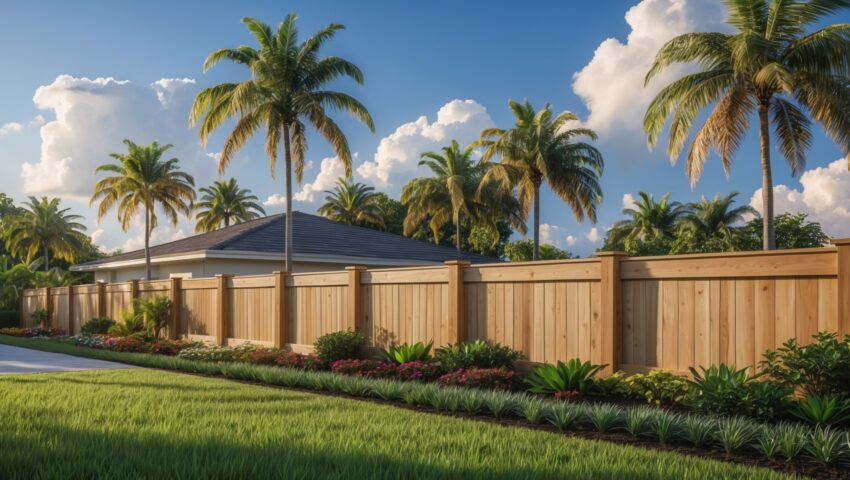
Introduction: Why Fence Upgrades Matter for Florida Homeowners
For Florida homeowners, a well-chosen fence is far more than just a property boundary. It can provide enhanced privacy, security, storm protection, and even increase your home’s value—if you get it right. Florida’s unique climate, strict permitting requirements, and frequent hurricanes make fence upgrades a project that demands careful planning and execution. Whether you’re replacing a dated wood fence, installing hurricane-rated panels, or upgrading for curb appeal, there are critical steps and regulations to consider. Neglecting these can lead to costly fines, forced removals, or insurance headaches. This comprehensive guide demystifies the process of upgrading your fence in Florida, detailing permit requirements, realistic cost breakdowns, hurricane compliance essentials, and practical tips to avoid common pitfalls. With the right approach, your new fence can be both an asset and a safeguard for years to come.
Understanding Florida’s Fence Regulations
Statewide Standards versus Local Ordinances
Florida does not have a single statewide fence code. Instead, regulations are set at the county or city level, often guided by the Florida Building Code (FBC). Most counties require permits for new fences or significant upgrades. Beyond permits, zoning rules may dictate setbacks, maximum heights, and approved materials—especially in coastal zones or historic districts.
- Setbacks: Fences must usually be set back a specified distance from property lines, sidewalks, or roads. Urban and HOA communities may have stricter standards.
- Height Limits: Residential fences commonly have a 4-foot limit in front yards and 6-foot limit in backyards, but this varies.
- Material Restrictions: Some communities ban certain materials—like chain link in front yards or barbed wire—while others mandate hurricane-rated panels.
Special Considerations in Flood and Hurricane Zones
Florida’s Building Code requires wind load resistance for structures, including fences, especially in coastal or high-velocity hurricane zones. Most municipalities reference ASCE 7-16 for wind design. If your home is in a designated flood zone, you may face extra requirements for fence posts and materials to allow water flow and prevent debris hazards.
Permit Steps for Fence Upgrades in Florida
Step 1: Property Survey and Boundary Confirmation
Before any upgrade, confirm your exact property lines with a recent survey. Many permit offices require you to submit a survey, marked with the proposed fence location. Installing a fence—even an inch onto a neighbor’s property—can spark legal disputes and force costly removal.
Step 2: Select Your Fence Type and Materials
Choose materials that meet your needs and comply with local rules. The most common options in Florida include:
- Vinyl: Low-maintenance, weather-resistant, available in privacy or picket styles.
- Aluminum: Rust-resistant, durable, often used for decorative or pool fencing.
- Pressure-Treated Wood: Affordable, classic look, but susceptible to rot and termite damage without proper care.
- Composite: Combines wood fibers and plastics for durability and aesthetics.
- Concrete or Masonry: Premium option, often for privacy or noise reduction, but requires engineering approval.
Step 3: Prepare Your Permit Application
- Required Documents: Most cities/counties demand a completed permit application form, property survey with fence location, construction details, and sometimes HOA approval letters.
- Engineering Plans: For fences over 6 feet or in hurricane zones, you may need signed and sealed plans from a Florida-licensed engineer.
- Contractor Selection: If hiring a pro, ensure they are licensed and insured for your county. Many localities require the contractor to pull the permit on your behalf.
Step 4: Submit and Track Your Permit
Apply online or in-person at your local building department. Typical review times range from 2–14 days, but can be longer during peak construction seasons or after major storms.
Step 5: Inspections and Final Approval
Most municipalities require at least one inspection after installation. Some require both a post-setting inspection (after posts are set, before panels) and a final inspection upon completion. Do not skip these—failure to pass can mean fines or forced fence removal.
Cost Breakdown: Budgeting for a Florida Fence Upgrade
Material Costs (per linear foot, as of 2024)
- Vinyl: $25–$40
- Aluminum: $30–$45
- Pressure-Treated Wood: $15–$28
- Composite: $35–$55
- Concrete/Masonry: $60–$120 (plus engineering)
Labor Costs
Professional installation averages $15–$25 per linear foot, depending on site conditions, fence type, and local rates. Complex installations (rocky soil, tree roots, slopes, or demolition of old fencing) can push costs higher.
Permitting and Fees
- Permit Fees: $75–$300, depending on municipality and fence length.
- Survey Costs: If you lack a recent survey, expect to pay $300–$700 for a new one.
- Engineering Fees: For hurricane-rated or tall fences, engineering plans can add $300–$1,200.
Hidden and Optional Costs
- HOA Approvals: Some HOAs charge application or review fees, typically $25–$100.
- Land Clearing: Removing brush, old fencing, or large roots can add $5–$15 per linear foot.
- Gates and Hardware: Expect $250–$1,000 per gate, depending on width and material.
- Storm Upgrades: Hurricane-rated hardware, thicker posts, or reinforced panels can add 10–20% to material costs.
Hurricane Compliance: Protecting Your Investment
Wind Load Requirements
Florida’s coastal and high-wind zones require fences to withstand specific wind speeds—often 120–150 mph or more, depending on location. This means:
- Deeper Posts: Posts are typically set 30–36 inches deep, sometimes with concrete footers.
- Stronger Materials: Vinyl and aluminum fences must use reinforced panels and heavy-duty fasteners rated for hurricane winds.
- Spacing: Picket and shadowbox styles, which allow wind to pass through, are less likely to fail than solid privacy fences.
Fencing Types Best Suited to Hurricanes
- Aluminum: Open designs (like spear-top or picket) offer less wind resistance and are often favored in hurricane-prone zones.
- Vinyl: Look for hurricane-rated panels with steel-reinforced rails and posts.
- Concrete/Masonry: Very durable but must be properly engineered for wind and water flow.
Retrofitting Existing Fences
- Upgrade Posts and Anchors: Replace wood posts with steel or concrete, and ensure deep, well-set footings.
- Strengthen Panels: Add horizontal or diagonal bracing to wood or vinyl fences.
- Replace Rusted Hardware: Use stainless steel or hot-dip galvanized hardware for all connections.
Insurance and Legal Considerations
Does Homeowners Insurance Cover Fence Damage?
Most policies cover fences under “other structures,” but with limits (usually 10% of dwelling coverage) and exclusions for gradual wear, termites, or pre-existing damage. Storm damage is often covered, but only if the fence met code and was permitted.
Insurance Discounts for Hurricane-Rated Fences
Some insurers offer minor discounts for hurricane-rated upgrades, especially if you document compliance. Submit engineering certificates and final permit approvals with your policy.
Liability and Neighbor Disputes
Fences on shared property lines can spark disputes. Always confirm boundaries via survey and communicate with neighbors before work begins. Florida’s “fence law” (Chapter 588, F.S.) governs shared fence responsibilities, but local ordinances and HOA rules can override state law. Put any cost-sharing or maintenance agreements in writing.
Common Mistakes Florida Homeowners Should Avoid
- Skipping the Permit: Unpermitted fences can be reported, fined, or ordered removed. Insurance may deny claims for unpermitted structures.
- Ignoring HOA Rules: Many HOAs have stricter standards than the city or county. Fines for violations can be steep, and you may be forced to remove non-compliant fences.
- Choosing the Wrong Materials: Wood fences are classic but require frequent maintenance in Florida’s humid climate. Cheap hardware can rust quickly in salty air.
- Improper Post Installation: Shallow or poorly anchored posts are the number one reason fences fail in storms.
- Not Planning for Utilities: Always call 811 before digging to avoid hitting water, gas, or electrical lines.
- Poor Drainage Planning: Solid fences along low areas can block water flow and worsen flooding.
Step-by-Step Setup Tutorial: From Planning to Completion
1. Research and Preparation
- Review your local city/county fence codes and HOA rules.
- Order a property survey if needed.
- Select fence type and materials compliant with local codes and hurricane requirements.
2. Permit Application
- Fill out the permit application and gather all documents (survey, plans, HOA approval).
- Submit to the building department and pay the fee.
- Track your permit status online or via phone.
3. Site Preparation
- Mark fence lines and gate locations with string and stakes.
- Call 811 to mark underground utilities.
- Clear vegetation and debris from the fence path.
4. Installation
- Set posts to the required depth (usually 30–36 inches) with concrete footers.
- Allow concrete to cure as directed (typically 24–48 hours).
- Attach rails and panels, ensuring all hardware is corrosion-resistant.
- Hang gates and check for smooth operation.
5. Inspections and Final Steps
- Schedule required inspections with your building department.
- Address any corrections if the inspector notes deficiencies.
- Receive final approval and retain documentation for insurance.
Maintenance Best Practices for Long-Lasting Fences in Florida
- Annual Inspection: Check for loose posts, damaged panels, or rusted hardware each spring and after major storms.
- Cleaning: Wash vinyl and aluminum fences with mild soap and water. Pressure wash wood fences annually, but avoid high pressure that can damage fibers.
- Stain and Seal: Wood fences require fresh stain or sealant every 2–3 years to resist rot.
- Vegetation Control: Trim back vines, shrubs, and grass to prevent moisture buildup and termite access.
- Gate Lubrication: Oil hinges and latches annually to prevent sticking and rust.
Conclusion: Investing Wisely in Your Florida Fence Upgrade
Upgrading your fence in Florida is a smart investment in security, privacy, and storm resilience—but only if you navigate the maze of local codes, permit requirements, and hurricane standards correctly. Armed with the information above, you can avoid costly mistakes, ensure your fence is built to last, and even qualify for insurance benefits or property value boosts. Remember, the key steps include confirming your boundaries, choosing the right materials for Florida’s climate, securing all required permits, and hiring qualified professionals where needed. Don’t be tempted to cut corners—unpermitted or substandard fences are a liability, not an asset.
Take the time to plan, budget realistically, and comply with all local and insurance requirements. The result will be a fence that stands the test of time—and storms—while enhancing your property’s appeal and functionality. Should you run into complications, consult with your local building department or a licensed contractor experienced in Florida’s fencing regulations. With each step completed diligently, your new fence will be a lasting improvement you can enjoy for years, rain or shine.
If my HOA rules conflict with the setback or height guidelines listed by my city, which do I have to follow? I’m worried about accidentally violating one while trying to comply with the other.
When HOA rules and city regulations conflict, you must comply with both. Usually, the stricter rule applies, so if your HOA is more restrictive than the city’s guidelines, you should follow the HOA’s standard. However, city codes are legally enforceable, so make sure you also meet those requirements. Checking with both your HOA and your city’s building department before making any decisions is the safest approach.
Could you give an estimate of how much longer the permitting and inspection process might take if I live in a historic district versus a regular neighborhood in Florida?
Living in a historic district typically adds extra review steps to the permitting process, since your fence plans may need approval from a local historic preservation board in addition to the usual city or county permitting office. This can add anywhere from a week to several weeks to the timeline, depending on meeting schedules and required documentation. Inspections might also take a bit longer due to added scrutiny for historical compatibility.
The article talks about material restrictions in some areas, like bans on chain link in front yards. If I live in a neighborhood with an HOA, could their rules override the city’s fence regulations, or do both sets of rules apply?
Both the HOA rules and the city’s fence regulations apply to your property. You’ll need to comply with the stricter of the two if they differ. Even if the city allows a certain type of fence, your HOA can enforce more restrictive guidelines, including material bans or design requirements. Be sure to check with both your HOA and the city before making any decisions or starting your fence project.
About the permit process—how long does it typically take for a fence permit to be approved in Florida, and is it possible to start any part of the project before the permit is finalized?
In most areas of Florida, fence permit approval usually takes anywhere from a few days to two weeks, depending on your local building department’s workload and whether your application is complete. It’s important to wait for full permit approval before starting any construction, as beginning work early can lead to fines or delays. You can, however, use this waiting period to finalize your plans and gather materials.
If my city has stricter fence height rules than the general Florida guideline you mentioned (like only allowing a 5-foot backyard fence), do I have any options for increasing privacy, or do I have to strictly follow the city’s height limit?
You’ll need to follow your city’s specific fence height limits, since local rules override the general state guideline. However, you can boost privacy in other ways, such as adding landscaping like tall shrubs or hedges inside your yard, or using privacy screens that don’t count as permanent structures. Always check with your local permitting office before making any changes to ensure compliance.
If I want to switch from a wood fence to a different material that meets hurricane compliance, are there certain materials generally not allowed in coastal zones or historic districts in Florida?
When upgrading from wood to another material in Florida, materials like vinyl, composite, and metal are often popular for hurricane compliance, but local rules can be strict. In coastal zones, lightweight materials like chain link may be restricted, while historic districts may require specific styles or materials to preserve the area’s character. Always check with your city or county’s building department and, if applicable, your historic preservation board to find out which materials are approved in your neighborhood.
I want to budget carefully—what factors tend to drive up the cost of a fence replacement in Florida besides just the material price? Are there hidden fees for permits or inspections that aren’t obvious at first?
Several factors can increase the cost of a fence replacement in Florida beyond just the material. Labor costs, the complexity of the installation, property slope, removal of old fencing, and custom designs can all add to your budget. Additionally, permit fees and mandatory inspections are often required and can vary by county or city, so it’s important to check local regulations up front to avoid unexpected expenses.
Do you have any ballpark numbers on what a hurricane-compliant fence installation might cost for an average-sized suburban yard? I want to budget realistically but I have no idea what to expect with all the new regulations.
For an average-sized suburban yard in Florida, installing a hurricane-compliant fence typically ranges from $4,000 to $10,000. The final cost depends on materials (vinyl and metal are often pricier but sturdier), fence height, and any extra labor needed for deeper posts or reinforced structures required by new codes. Be sure to include permit fees, which can add a few hundred dollars, when planning your budget.
The article mentions setbacks and zoning rules in urban communities. How do I actually find out what the exact setback distances are for my property before I buy materials or hire a contractor?
To find the exact setback distances for your property, contact your local city or county building department or zoning office. They can provide property-specific information and zoning maps, and may even have this data available online. It’s also helpful to check your property survey or deed, which sometimes notes setback lines. Verifying these details before purchasing materials or hiring a contractor ensures your fence complies with regulations.
If I want to upgrade my fence mainly for storm protection, are there specific installation techniques or anchoring systems I should ask contractors about to actually meet wind load requirements?
Yes, for better storm protection, ask contractors about reinforced posts set in deep concrete footings, heavier gauge materials, and hurricane-rated brackets or fasteners. Panels should be spaced to allow some wind flow, reducing pressure. Ensure the fence design and anchoring meet local wind load codes, which vary by county in Florida. A reputable contractor should be familiar with these requirements and able to explain their approach.
You mentioned hurricane-rated panels as a safer option for Florida homes. Are there certain materials or brands that are more reliable for hurricane protection, or does compliance mostly depend on how the fence is installed?
Both the material and the installation matter when choosing hurricane-rated fence panels. Many homeowners in Florida opt for reinforced vinyl, steel, or aluminum panels, as these materials are known for their strength and wind resistance. While there are reputable brands, local building codes and proper installation—such as correct post depth and spacing—are just as important for hurricane compliance. Always check for products that meet Florida’s hurricane standards and have them installed by experienced professionals.
Can you give more details about what counts as a ‘significant upgrade’ that would require a new permit? For example, if I just replace a couple of damaged panels or change out the gate, does that trigger new permitting in most Florida counties?
A ‘significant upgrade’ usually means replacing the entire fence, increasing its height, altering its footprint, or switching to a different material type. Replacing just a few damaged panels or swapping out the gate typically does not require a new permit in most Florida counties, as these are seen as minor repairs. However, if your repairs alter the structure or location, you may need to check with your local building department to be sure.
The article mentions hurricane-rated panels being required in some areas. Is there a specific certification or rating I should look for when choosing hurricane-resistant fence materials in Florida?
When selecting hurricane-resistant fence materials in Florida, look for products tested and rated to meet the Florida Building Code (FBC) or Miami-Dade County standards. These certifications indicate that the panels can withstand specific wind loads and impact requirements. Always ask your supplier about compliance documentation or labels verifying these ratings before purchasing.
Could you clarify what kind of documentation or engineering proof builders usually need to show to meet hurricane compliance? Is it enough to pick hurricane-rated panels, or are there specific certificates or wind load calculations required during permitting?
To meet hurricane compliance in Florida, it’s not enough to simply choose hurricane-rated panels. Builders usually need to provide engineering documents that detail wind load calculations specific to your location and fence design. These documents might include a signed and sealed engineering letter or certificate proving that the installation meets local wind resistance standards. Permit applications often require these documents alongside product approval sheets, so make sure your builder supplies them before starting the project.
Could you break down what a realistic total budget looks like for a basic 6-foot wood fence upgrade in a typical Florida backyard, including both permit fees and materials? I want to avoid underestimating costs.
For a basic 6-foot wood fence in a typical Florida backyard, expect materials and installation to run between $20 and $35 per linear foot. For a 100-foot fence, that’s about $2,000 to $3,500. Permit fees usually range from $50 to $300 depending on your city or county. Don’t forget to budget for extras like concrete, hardware, and possible removal of your old fence, which could add a few hundred dollars. Planning for a total budget of $2,500 to $4,000 is usually safe.
You mentioned certain materials aren’t allowed in some neighborhoods, especially in historic districts. Is there a resource or checklist homeowners can use to make sure their chosen fence materials won’t run into zoning or permit issues before buying?
To avoid issues with fence materials, it’s best to start by checking with your local city’s planning or zoning department, since they usually have published guidelines or handouts specific to your area. Many city or county websites offer downloadable checklists or brochures for fence regulations. If you live in a historic district or an HOA community, contact the relevant board for their approved materials list. Reviewing these resources before purchasing materials helps ensure compliance and saves time.
After reading about setback and height restrictions, what would be the first step you recommend for someone unsure about exact property line locations before applying for a fence permit?
If you’re unsure where your exact property lines are, the best first step is to check your property survey or plat map, which is often included with your home purchase documents. If you can’t locate these, consider hiring a licensed surveyor to mark the boundaries accurately before submitting a fence permit application. This helps you avoid future disputes and ensures your fence meets local regulations.
Could you clarify how strict the setback requirements are for fences in HOA communities compared to standard city regulations? I’m concerned about maximizing my backyard space without running into permit issues.
HOA communities often have stricter setback requirements for fences than those set by city or county regulations. HOAs may limit how close a fence can be to property lines, sometimes requiring a larger setback than city rules. Before starting your project, always check with both your HOA and local permitting office. This ensures you maximize your backyard space while staying compliant with all rules and avoiding costly changes later.
If my property is in a flood zone, are there extra fence requirements or restrictions I should be aware of besides hurricane code compliance? I’m worried about both flooding and wind damage.
In Florida flood zones, you may face additional requirements for fences beyond hurricane code compliance. Local building codes often require that fences in flood-prone areas allow water to flow freely, which can mean using materials like chain link or designing fences with gaps. You may also need to avoid solid barriers that could obstruct water during floods. It’s best to check with your local building department for specific rules in your area.
If I want to upgrade an existing wood fence to meet new wind load requirements, do I have to replace it entirely, or are there approved reinforcements that satisfy current hurricane codes?
You may not need to replace your entire wood fence to meet new wind load requirements. In many Florida municipalities, approved reinforcements like stronger posts, added bracing, or upgraded fasteners can bring an existing fence up to current hurricane codes. However, requirements can vary by county, so check with your local building department to confirm which reinforcements are acceptable and whether a permit is needed for modifications.
If my property is in a flood zone, will the county require any special documentation or engineering reports before approving a fence permit, or is it just a matter of choosing hurricane-rated panels?
If your property is in a flood zone, most Florida counties will ask for additional documentation with your fence permit application. This can include an elevation certificate or site plan, and in some cases, an engineering report to confirm that your fence design won’t obstruct water flow. Simply choosing hurricane-rated panels may not be enough—be sure to check your county’s specific requirements for flood zones before proceeding.
Can you clarify how the permit requirements for fence upgrades differ between counties in Florida? For example, are there any notable differences in the process for coastal areas compared to more inland neighborhoods?
Permit requirements for fence upgrades do vary between counties in Florida, and coastal areas often have stricter regulations due to environmental and hurricane safety concerns. Coastal counties may require additional engineering documents, wind load certifications, or specific materials to withstand storms, while inland areas might have more standard permit processes. It’s important to check with your local building department for exact requirements, as the process and paperwork can differ based on your county and how close your property is to the coast.