

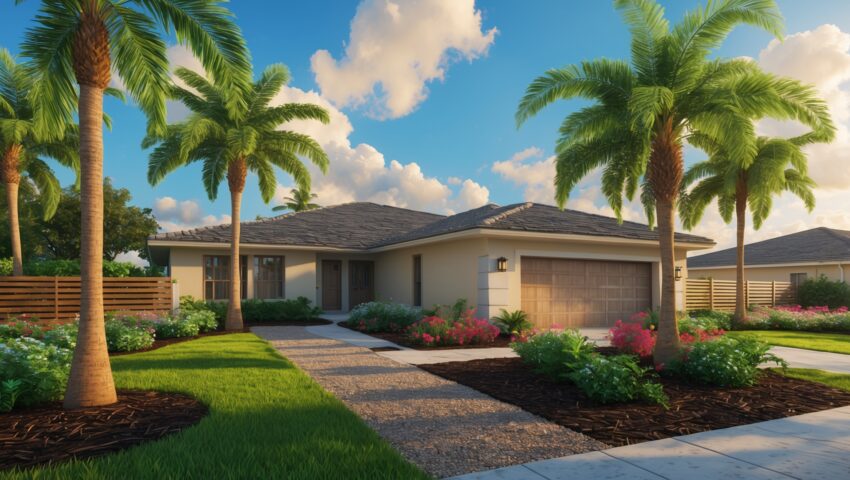
Introduction: Why Hurricane-Ready Landscaping Matters in Florida
Florida homeowners are no strangers to hurricane season. While most focus on windows, roofs, and insurance, the landscape surrounding your home is a first—and often overlooked—line of defense. Hurricane-ready landscaping isn’t just about curb appeal; it’s a critical investment that can mitigate storm damage, lower insurance costs, and even speed up post-storm claims. Yet, many Floridians underestimate the complexities: permit requirements for tree removal and planting, the true costs of resilient upgrades, and the direct link between landscaping choices and insurance outcomes. In this comprehensive guide, we’ll break down practical, cost-effective strategies to hurricane-proof your yard, demystify Florida’s permitting process, reveal how insurers assess landscape damage, and share step-by-step advice for selecting the right plants, hardscape, and maintenance routines. Whether you’re planning a new landscape or retrofitting an existing one, you’ll leave with actionable tips to protect your property, your budget, and your peace of mind.
Understanding Florida’s Hurricane Risks and Your Landscape
How Wind and Water Threaten Florida Yards
Hurricanes bring more than just high winds. Flying debris, saltwater intrusion, saturated soil, and flooding all wreak havoc on traditional landscaping. Trees with shallow roots topple, fences collapse, and decorative stones become dangerous projectiles. Recognizing these risks is the first step toward making your landscape an asset rather than a liability during storms.
Insurance Implications of Landscaping Damage
Standard homeowner policies in Florida often exclude or severely limit coverage for landscaping losses. However, the right hurricane-ready upgrades can reduce overall property damage—something insurers notice. In some cases, strategic plantings and hardscape choices can even help support claims for other storm-related losses. Understanding your policy’s stance on landscaping is essential before you invest.
Permits, Codes, and Compliance: What Florida Homeowners Must Know
Common Permit Triggers in Florida Landscaping
- Tree Removal or Major Pruning: Many municipalities require permits to remove or heavily trim trees, especially native or protected species.
- Retaining Walls and Fences: Any structure over a certain height (often 4 feet) usually needs a permit and must meet wind-load standards.
- Driveways, Drainage, and Earthwork: Altering the grading or drainage patterns can affect neighboring properties and requires approval.
- Coastal and Wetland Areas: Extra layers of permitting apply if your property interfaces with protected environments.
Tips for Navigating Local Regulations
- Check your city or county website for permit forms and code guides before starting any significant project.
- When in doubt, consult a licensed landscape contractor familiar with hurricane mitigation and local ordinances.
- Keep records of all permits and compliance documentation—insurance adjusters may request these after a storm.
Budget Breakdown: The Real Costs of Hurricane-Ready Landscaping
Initial Installation Costs
- Tree and Shrub Replacement: $100–$1,000 per tree, $25–$300 per shrub, depending on species and size.
- Root Barriers and Wind Bracing: $8–$30 per linear foot.
- Permeable Hardscape (paths, patios): $10–$20 per sq. ft.
- Hurricane-Rated Fencing: $30–$75 per linear foot (installed).
- Professional Design and Permitting Fees: $500–$2,500, based on project scope.
Ongoing Maintenance
- Annual pruning, mulch refresh, and inspection: $300–$800 per year for an average lot.
- Storm-prep services (pre-storm tie-downs, debris removal): $100–$400 per event.
Budgeting Tips
- Prioritize upgrades that offer both hurricane resilience and year-round benefits (e.g., shade, water savings).
- Phase projects over several seasons to spread costs and minimize disruption.
- Ask your insurer if certain upgrades (like hurricane-rated fencing) can yield premium discounts.
Insurance Essentials: Maximizing Coverage for Your Landscape
What Homeowner Policies Typically Cover
Most standard Florida homeowner policies offer limited coverage for landscaping—often capped at $500–$2,000 per tree or shrub, and subject to an overall sub-limit. This coverage usually applies only to specific perils (e.g., fire, lightning, explosion—not windstorm). Coverage for hardscape elements (fencing, patios) may be included under other structures but is subject to deductibles and exclusions.
Endorsements and Riders: Boosting Your Protection
- Landscape Endorsements: Some insurers offer riders that increase coverage for plant materials, irrigation, and hardscape.
- Debris Removal: Check if your policy covers the cost of removing fallen trees and storm debris—often a major expense after hurricanes.
Documenting Your Upgrades
- Take “before and after” photos of your landscape projects.
- Keep receipts, contracts, and permit records for all hurricane-resilient improvements.
- Update your insurer with a list of upgrades—especially those that mitigate potential damage (e.g., new root barriers, wind-rated fencing).
Step-by-Step Setup: Designing a Hurricane-Resistant Florida Yard
1. Assess Your Existing Landscape
- Identify vulnerable trees: shallow-rooted, dead, or leaning species should be addressed first.
- Note areas prone to flooding or soil erosion.
- Map out hardscape elements and their current condition.
2. Choose the Right Plants
- Native and Wind-Resistant Trees: Live oak, sabal palm, southern magnolia.
- Deep-Rooted Shrubs: Simpson’s stopper, coontie, firebush.
- Groundcovers: Perennial peanut, beach sunflower, which reduce soil erosion.
- Avoid: Australian pine, shallow-rooted ficus, and invasive exotics.
3. Strategic Plant Placement
- Plant larger trees at least 15–20 feet from structures and power lines.
- Use staggered rows of shrubs to slow down wind.
- Cluster plantings for mutual wind protection.
4. Hardscaping with Hurricane Resilience
- Permeable Pavers: Reduce runoff and flooding risk.
- Wind-Rated Fencing: Choose designs with gaps (e.g., shadowbox) for airflow; anchor posts 3 feet deep with reinforced concrete.
- Secure Loose Elements: Avoid gravel mulch and decorative stones that can become projectiles.
5. Install Root Barriers & Drainage Solutions
- Install root barriers near sidewalks and foundations to direct roots downward, anchoring trees more securely.
- French drains and swales direct water away from vulnerable zones.
Seasonal Checklist: Maintaining a Storm-Ready Yard
- Spring: Inspect trees and shrubs; prune dead wood; refresh mulch (use shredded bark, not gravel).
- Summer: Check drainage systems; trim back overhanging branches; secure potted plants and garden décor.
- Fall: Review insurance and update documentation; perform a pre-storm walkthrough; stake or guy new plantings.
- Winter: Address soil erosion; schedule professional tree inspections if needed.
Common Myths About Hurricane-Ready Landscaping—Debunked
- Myth: “Palm trees are always hurricane-safe.”
Fact: Only certain palms (like sabal) have proven wind resistance; others can snap or uproot. - Myth: “More mulch is better.”
Fact: Excessive mulch can retain water and promote root rot; stick to a 2–3 inch layer. - Myth: “Removing all trees is safest.”
Fact: Well-placed, healthy trees can shield your home from wind and flying debris. - Myth: “Any fence will do.”
Fact: Only hurricane-rated, properly anchored fences perform reliably in high winds.
Case Study: How Smart Landscaping Saved One Florida Homeowner
After Hurricane Ian, Naples homeowner Maria S. credits her hurricane-resistant landscape design for minimizing damage. By replacing shallow-rooted ficus with live oaks and installing permeable pavers, her property avoided the flooding and toppled trees that plagued her neighbors. Because she documented the upgrades and permits, her insurance claim for minor fence damage was processed quickly—and she even received a premium discount for her wind-rated fencing. Maria’s story illustrates how upfront investment and careful planning pay off when storms strike.
Safety Checklist: Pre-Storm Prep for Florida Landscapes
- Prune dead or weak branches from trees and shrubs.
- Secure or store loose outdoor furniture and décor.
- Check all fences and gates for stability; reinforce as needed.
- Inspect drainage systems for clogs or blockages.
- Stake or guy new trees and large shrubs.
- Photograph the entire yard—date-stamped—for insurance documentation.
Conclusion: Investing Wisely in Hurricane-Ready Landscaping
Florida’s hurricane season is inevitable, but the extent of damage to your home doesn’t have to be. By understanding local permit requirements, budgeting for the right upgrades, and aligning your landscaping choices with insurance best practices, you transform your yard from a potential risk to a powerful shield. Strategic plantings, hurricane-rated hardscape, and ongoing maintenance not only safeguard your property but also help avoid costly insurance surprises and claims headaches. Remember, compliance and documentation are as vital as the right choice of trees or fences—skipping these steps can undercut your investment and slow recovery after a storm.
Ultimately, hurricane-ready landscaping is less about aesthetics and more about resilience, safety, and long-term value. Whether you’re starting from scratch or gradually upgrading, each smart decision—rooted in Florida’s unique climate and legal environment—pays dividends in peace of mind and property protection. Leverage local experts, communicate with your insurer, and stay proactive with seasonal prep. Your landscape can be your home’s best defense—invest in it wisely, and you’ll weather every storm with greater confidence.
If my insurance policy has limited coverage for landscaping losses, what kinds of documentation or upgrades could actually help strengthen a future claim after a hurricane?
To support a landscaping claim, keep detailed records like receipts for plants, trees, and installation, plus before-and-after photos of your yard. An updated inventory listing plant types and their costs is useful. Installing storm-resistant landscaping, such as wind-resistant trees and proper drainage, can show you took preventive steps and may help with future claims.
If my homeowner’s insurance has limited coverage for landscaping losses, what specific types of hurricane-ready improvements could actually help strengthen a claim for other storm damage according to Florida insurers?
Florida insurers often look favorably on proactive hurricane-resistant upgrades. Installing wind-resistant fencing, impact-resistant windows, and using native, wind-tolerant plants can show that you’ve taken reasonable steps to minimize overall property risk. Keeping trees trimmed and removing dead wood also helps. While these may not increase landscaping coverage, they can strengthen your claim for other storm-related damages by demonstrating responsible maintenance and mitigation efforts.
After a major storm, what’s the best way to document landscaping damage for a potential insurance claim, especially if most policies only cover certain aspects of yard loss as you mentioned?
To document landscaping damage after a storm, take clear, date-stamped photos and videos of all affected areas from multiple angles. Make a list of damaged plants, trees, and features, noting their species, size, and approximate value. Gather any receipts or records of previous landscaping work. Review your insurance policy to focus on what’s actually covered, as most limit compensation for certain items like trees or fences. Submit your evidence promptly with your claim.
How do you balance choosing resilient plants with keeping costs reasonable? Are there specific low-cost options that still do a good job at reducing storm damage?
Balancing resilience and cost is definitely possible. Native plants like saw palmetto, coontie, and firebush are budget-friendly and naturally suited to Florida’s climate, making them more resistant to storm damage. Grouping these plants strategically as windbreaks can further help protect your property. Buying smaller plants or using cuttings from local swaps can also cut costs while still building a strong, hurricane-ready landscape.
I’m a bit confused about the permitting process for tree removal and new planting in Florida. Are permits usually required for all tree work, or only for certain species or tree sizes? Any tips for avoiding permit issues during hurricane season?
In Florida, permits for tree removal are typically required for certain species, especially protected or heritage trees, and for trees above a specific size or trunk diameter. The rules can vary by city or county, so always check with your local government before starting any tree work. To avoid permit issues during hurricane season, plan ahead and submit applications early, as approval times may be longer during peak storm months.
I understand that shallow-rooted trees are risky, but how can I tell if my existing trees need to be removed or can be reinforced? Is there a particular inspection process you recommend before hurricane season starts?
To assess your trees, look for signs like leaning trunks, exposed roots, cracks in the soil around the base, or dead branches, as these may indicate instability. Hiring a certified arborist for a pre-season inspection is the safest approach—they can evaluate root health, suggest reinforcement (such as cabling or staking), or recommend removal if necessary. Regular inspections each year before hurricane season are best.
I’m planning to retrofit my yard for hurricane season, but I’m struggling to estimate the total costs upfront. Are there any typical price ranges or cost-effective strategies for making a landscape hurricane-ready without overspending?
Retrofitting your yard for hurricanes can range from a few hundred to several thousand dollars, depending on the size and scope. To keep costs down, focus on mulching with pine bark or gravel, planting native wind-resistant trees, and pruning existing trees regularly. Avoid large, expensive new plantings and instead strengthen what you already have. Getting quotes from local landscapers can help you narrow down the budget for your specific needs.
I get that shallow-rooted trees are a big risk during hurricanes, but what practical maintenance routines would you recommend to strengthen existing mature trees that I don’t want to remove? Are there techniques or schedules you’ve found to be especially important in Florida’s climate?
To help your mature trees withstand hurricanes in Florida, regular pruning is essential—remove weak, dead, or crossing branches to reduce wind resistance and prevent breakage. Mulch around the base to retain moisture and reduce soil erosion, but keep mulch a few inches from the trunk. Water deeply during dry spells, especially ahead of hurricane season. Annual inspections by a certified arborist can spot hidden weaknesses early and recommend cabling or bracing if needed.
How do I find out whether my city or county requires a permit to remove or replace certain types of trees on my property? Are there common mistakes homeowners make with the permitting process during hurricane-proofing projects?
To find out if you need a permit for tree removal or replacement, contact your city or county’s planning or environmental department directly. Their websites often list specific rules for protected tree species and permit applications. A common mistake is starting work before getting approval, which can lead to fines. Also, some homeowners miss required inspections afterward, so always confirm all steps before beginning your project.
Can you provide more details about the permitting process for tree removal in Florida? I want to replace some shallow-rooted trees but have heard that my city can be pretty strict about permits and replanting. How involved is this process?
The tree removal permitting process in Florida varies by city, but it often requires submitting an application to your local government. You may need an arborist’s assessment to justify removal, especially if the tree is healthy. Many cities require you to specify your replanting plan, sometimes mandating replacement with certain native or wind-resistant species. The process can include a site inspection and fees. It’s best to check with your city’s planning or environmental department for their specific rules and forms.
When budgeting for hurricane-resistant landscaping upgrades, what are the biggest hidden costs that homeowners often overlook and how can I plan for them upfront?
Homeowners often overlook costs like soil improvement, irrigation adjustments, and permits when budgeting for hurricane-resistant landscaping. Removing old trees, stump grinding, and disposing of debris can also add up. To plan ahead, get detailed quotes from professionals, factor in permit fees, and budget extra for unexpected site work. It’s wise to set aside a contingency fund—about 10–15%—for surprises that come up during installation.
You mention that certain landscaping upgrades might lower insurance costs or aid in post-storm claims. Can you clarify which specific types of plantings or hardscape improvements insurers typically look on most favorably in Florida?
Insurers in Florida usually favor landscaping choices that reduce storm damage risk. Sturdy native trees and wind-resistant shrubs, when placed strategically away from your home, are often viewed positively. Hardscape improvements like strong retaining walls, permeable pavers, and well-anchored fences help prevent erosion and property damage. These features show proactive risk management, which can support lower premiums or smoother claims, but always check directly with your insurer for their specific requirements.
If my home is already surrounded by mature trees with shallow roots, what are some practical maintenance or retrofitting strategies to minimize their risk during hurricane season aside from total removal?
To help protect mature trees with shallow roots, consider regular pruning to reduce wind resistance and remove weak branches. Mulching around the base can improve root moisture and stability. Consult a certified arborist to assess structural integrity and possibly install flexible cabling or bracing. Also, check that trees are not overcrowded and clear any debris from around the roots to minimize hazards during storms.
If I’ve already had some landscaping damaged in past hurricanes, what should I focus on first to both prevent future issues and make my property more favorable in the eyes of my insurance company?
Start by removing any damaged or hazardous trees and limbs, as insurers look favorably on proactive risk reduction. Next, choose wind-resistant native plants and secure loose landscaping materials to prevent debris during storms. Also, keep documentation of improvements and maintenance, since this can help with insurance claims and show your commitment to reducing future risks.
When choosing plants for hurricane resistance, is it generally better to retrofit an existing landscape with new species, or start fresh with a new design? What should homeowners factor in when making that decision, especially if they’re on a tight budget?
Retrofitting an existing landscape can often be more budget-friendly, as it lets you gradually replace vulnerable plants with hurricane-resistant species over time. Starting fresh can offer a cohesive design but is more costly. When deciding, consider your current plant health, risk of damage, project scope, and ongoing maintenance costs. If your budget is tight, prioritize removing the most hazardous trees or plants first and add resilient options as funds allow.
If most insurance policies in Florida limit landscaping damage coverage, what are some affordable upgrades that could still make a big difference in reducing my risk and possibly influencing my overall claim approval after a hurricane?
You can reduce your risk and protect your property by installing wind-resistant trees and shrubs, using mulch instead of gravel to prevent debris, and trimming weak branches regularly. Anchoring outdoor features and choosing native plants can also lessen storm damage. While these upgrades may not increase your insurance payout, they help minimize damage, which could make your overall claim more straightforward and prevent costly losses.
The article talks about permits for tree removal and planting. How complicated is that process, and are there penalties if I skip the permit for minor landscaping changes?
The permit process for tree removal or planting in Florida can vary by city or county, but it’s usually a straightforward application—often just a form and a small fee. However, even minor landscaping changes can sometimes require approval, especially for larger or protected trees. Skipping the permit can lead to penalties, including fines or orders to restore what was changed, so it’s a good idea to check with your local authorities before making any changes.
If my landscape does get damaged in a hurricane, what steps should I take right after the storm to make sure any insurance claim goes smoothly, especially since I’ve made some hurricane-ready upgrades?
After a hurricane, start by taking clear photos or videos of all landscape damage, focusing on your hurricane-ready upgrades. Keep any receipts or documentation for plants, trees, or features you upgraded. Contact your insurance company promptly and report the damage, providing all evidence and paperwork. It’s smart not to start repairs or cleanup until your insurer advises, so they can properly assess the loss. Keep records of all communication with your insurance provider.
For those who have experienced flooding in their yards before, what specific hardscape features have you found to be most effective at minimizing water damage or debris movement during hurricanes?
In areas prone to yard flooding, many homeowners report that features like permeable pavers, gravel paths, and well-placed French drains help redirect water away from structures. Raised beds and sturdy retaining walls can also prevent soil erosion and limit debris movement. Swales—shallow, grassy channels—are another favorite for managing runoff during heavy storms.
If I want to remove a couple of older trees that might fall during a storm, what’s the process for getting the right permits in Florida? Is it handled by the city or the county, and is there usually a wait time I should factor in before hurricane season?
Tree removal permits in Florida are typically handled by your local city or county government, depending on where you live. Start by contacting your local building or planning department to ask about tree removal requirements. There’s often an application process, and you may need to provide photos or an arborist’s report. Processing times vary, but it’s smart to allow several weeks, especially before hurricane season, as demand can spike.
For homeowners on a tight budget, which hurricane-ready landscaping improvements give the best bang for your buck? Are there specific plants or hardscape elements you recommend prioritizing to maximize storm protection without overspending?
Focusing on native, deep-rooted plants like saw palmetto, yaupon holly, and dwarf yaupon can boost storm resilience without straining your budget—these plants hold soil well and are naturally adapted to Florida’s climate. For hardscape, prioritize gravel or mulch instead of decorative stones, as they’re less likely to become dangerous projectiles. Pruning existing trees and removing weak branches also offers great protection at minimal cost.
For homeowners on a tight budget, what are some of the most cost-effective strategies to hurricane-proof an existing yard without doing a full landscape overhaul?
To hurricane-proof your yard on a budget, focus on pruning weak tree branches, clearing debris, and choosing low-cost, wind-resistant plants for any new additions. Mulch garden beds with heavier materials like shredded bark to minimize wind scatter. Secure loose outdoor items and use gravel instead of lightweight mulch where possible. These targeted measures strengthen your landscape’s resilience without requiring a full overhaul.
Can you clarify how the permitting process works in Florida if I want to remove a tree that has shallow roots? Is there a risk of fines if I skip the permit or act after a storm warning?
In Florida, removing a tree—regardless of root depth—often requires a permit from your local city or county. Skipping the permit or removing a tree after a storm warning without approval can result in fines. Regulations vary by municipality, so check with your local building or environmental department before taking action. Emergency removals after a storm may be allowed, but proper documentation is usually needed afterward.
What are some maintenance routines you recommend for existing yards to reduce the chances of trees or debris causing damage during hurricanes, especially for older properties?
For older properties, it’s important to regularly prune trees to remove weak branches and keep canopies thinned so wind can pass through more easily. Secure or store loose outdoor items like patio furniture and garden tools before storms. Check that trees are healthy and not leaning or showing signs of rot, and remove any that pose a risk. Also, keep gutters and drains clear of debris to help prevent flooding and wind-blown blockages.
Given the additional costs of resilient landscaping upgrades, do you have any advice on the most cost-effective strategies for homeowners on a tight budget? I’m curious which changes offer the best protection without a huge investment.
Focusing on native, wind-resistant plants is one of the most budget-friendly ways to improve your landscape’s hurricane resilience. Mulch with pine bark or wood chips can also reduce erosion and is affordable. Prioritize pruning existing trees to remove weak branches instead of full replacements. Reinforcing fences with proper anchoring and grouping smaller potted plants together before storms are low-cost steps that add protection without major expenses.
The guide points out that typical homeowner policies may exclude landscaping losses. If storm damage to landscaping ends up causing further property damage, like a tree falling on the house, how do insurers usually handle those claims in Florida?
If a storm causes a tree or other landscaping to fall and damage your home or another insured structure, most Florida homeowner policies will cover the damage to the structure itself, even if they exclude direct coverage for landscaping losses. The cost to remove the debris might also be partially covered, but limits and exclusions can apply. Always review your policy or check with your insurer for exact details.
If my yard floods frequently during storms, are there certain types of plants or soil modifications that work better in saturated conditions and still help protect my property during hurricanes?
Yes, for yards that flood often, consider planting native wetland species like bald cypress, swamp hibiscus, or sawgrass, as they tolerate saturated conditions and help absorb excess water. Amending your soil with organic matter can also boost drainage. Creating rain gardens or installing swales helps manage runoff, reducing flood risk and providing extra hurricane protection by slowing and filtering stormwater.
The article touches on the costs of resilient landscaping, but do you have practical advice for homeowners with a tight budget? What are the most cost-effective changes that still make a meaningful difference in storm protection?
For those on a tight budget, focus on strategic, high-impact changes. Mulch garden beds with pine straw or shredded bark to prevent soil erosion affordably. Plant native, deep-rooted shrubs—they’re cost-effective and help anchor soil against wind and water. Trim existing trees regularly to remove weak branches instead of full replacements. Reinforce fences with sturdy posts and consider gravel instead of expensive pavers for paths to improve drainage. These targeted steps provide meaningful protection without a big investment.
Could you clarify which specific types of plants are considered most resilient to both high winds and saltwater intrusion here in Florida? I want to make sure I’m not investing in landscaping upgrades that might still be vulnerable during hurricanes.
For hurricane-prone and coastal areas in Florida, some of the most resilient plants to both high winds and saltwater intrusion include sea grape, saw palmetto, yaupon holly, cocoplum, and wax myrtle. These native species have deep or flexible root systems and tough foliage, making them strong choices for storm resistance. Always check if the specific variety is suitable for your part of Florida before planting.
Could you clarify what types of tree removal or planting projects actually require a permit in Florida? I know the rules can vary by city or county, so I’m trying to avoid any headaches before starting a hurricane-proofing project.
Permit requirements for tree removal or planting in Florida do depend on your specific city or county. Generally, you’ll need a permit if you’re removing protected species, large or heritage trees, or if your property is in a designated conservation area. For planting, permits are less common unless you’re making significant landscape changes or working in regulated zones. It’s a good idea to check with your local building or environmental department before starting, so you can be sure you’re in compliance.
I understand that decorative stones can become projectiles during storms. What would you suggest as the safest alternatives for hardscape materials in a hurricane-prone yard?
In hurricane-prone areas, it’s best to use heavier hardscape materials that are less likely to be picked up by strong winds. Concrete pavers, poured concrete, large flagstones, and brick are all good choices because their weight keeps them in place. If you prefer mulch, opt for shredded bark instead of gravel or small stones, as it’s less likely to cause damage if displaced.
When it comes to post-hurricane insurance claims, how do I document landscape damage properly so it helps my claim? Is there a process or checklist I should follow right after a storm hits my property?
To document landscape damage for an insurance claim, take clear photos and videos of all affected areas from multiple angles immediately after the storm. List damaged trees, plants, fences, and structures, noting their condition before and after. Keep receipts for any recent landscaping work. Notify your insurer promptly and ask if they require specific documentation. Avoid making repairs or removing debris until your adjuster has seen the damage, unless there’s an urgent safety risk.
If I plant hurricane-resistant trees and shrubs this season, how long before they provide meaningful protection? Is there a recommended timeframe to allow new plantings to establish before the next storm season, or are there ways to speed up their effectiveness?
Newly planted hurricane-resistant trees and shrubs usually need at least 2 to 3 years to establish strong roots and offer meaningful protection. The first year is mainly for root growth, so significant wind resistance develops over time. You can help them establish faster by watering deeply and regularly, mulching to retain moisture, and staking young trees for support, but they still need at least a couple of years before offering real storm protection.
If I need to remove an old oak tree that’s too close to my house for hurricane season, what kind of permits should I expect to need, and is there a typical processing timeframe in Florida before I can start work?
For removing an oak tree in Florida, most counties and cities require a tree removal permit, especially for mature or protected species like oaks. The specific permits depend on your local regulations and whether your property is within city or county jurisdiction. Processing times can vary, but it’s common for approvals to take anywhere from a few days up to a couple of weeks. It’s best to contact your local building or environmental department for exact requirements and timing.
Your article mentions that strategic landscaping upgrades can sometimes help support insurance claims for other storm-related losses. Could you explain how homeowners should document these upgrades, and what evidence insurers typically require after a hurricane?
To help support insurance claims, homeowners should keep detailed records of all landscaping upgrades, including receipts, contractor invoices, and before-and-after photos. After a hurricane, insurers usually ask for photos showing the damage and proof of the pre-storm condition. It’s also helpful to keep a written inventory of plants and landscaping features. Documenting everything thoroughly makes your claim easier to process.
You mention that some landscaping upgrades might help lower insurance costs or affect claims. Can you give specific examples of features or plant choices that insurers prefer or reward in their coverage assessments?
Insurers tend to favor landscaping choices that reduce property risk. For example, using wind-resistant trees like live oak or sabal palm, keeping large trees a safe distance from your home, and installing gravel or mulch instead of loose gravel can help. Features like proper drainage, impact-resistant fencing, and trimmed shrubs may also be viewed positively when assessing your coverage or claims.
I’m trying to budget for some hurricane-resistant plants and upgrades, but I’m not sure how to estimate the long-term costs versus just replacing damaged landscaping every few years. Do you have examples or ballpark figures for what these upgrades might typically cost in Florida?
In Florida, installing hurricane-resistant landscaping can cost anywhere from $1,000 to $5,000 for an average yard, depending on plant selection and size. While this is higher upfront compared to less resilient plants, you’ll likely save in the long run—replacing storm-damaged landscaping every few years can quickly add up. Native, wind-tolerant trees usually cost $100–$500 each to install, and professional wind-firm landscaping upgrades can run $2,000–$10,000 for larger properties.
You mention that certain landscaping upgrades can actually lower insurance costs in Florida. Are there specific plants or hardscapes that insurers tend to favor, or is it mainly about reducing the risk of property damage overall?
Insurers in Florida mainly look for landscaping choices that reduce the risk of property damage during hurricanes, rather than specific plants or materials. Features like wind-resistant trees (such as live oaks or sabal palms), well-anchored fences, and permeable hardscapes that manage water runoff are generally viewed favorably. The focus is on how your landscaping helps protect your home, so choosing sturdy, well-placed plants and durable hardscapes can make a difference.
I didn’t realize permits were sometimes needed just to remove or plant trees in Florida. How do I know if my city requires one for backyard projects, and is it usually a long process to get approved before hurricane season?
Cities and counties in Florida often have different rules about tree removal or planting, so it’s best to check directly with your local building or environmental department. Most have information online or can answer questions by phone. The permit process can vary—sometimes it’s quick, but if inspections or reviews are needed, it might take a few weeks. Starting early, especially before hurricane season, is always a good idea.
You mentioned that some hurricane-ready landscaping upgrades could potentially lower insurance costs. What are some specific examples of these upgrades, and how do I communicate them to my insurer to maximize any possible discounts?
Specific upgrades that can help lower insurance costs include installing wind-resistant trees and shrubs, using gravel or mulch instead of loose stones, and securing or reinforcing fences and outdoor structures. To communicate these to your insurer, document your upgrades with photos, receipts, and any relevant permits, then share these details directly with your insurance agent and ask if they offer discounts for hurricane-resistant landscaping improvements.
You mentioned that certain landscaping upgrades can actually help lower insurance costs. Are there specific plants or hardscape elements insurers tend to favor, or is it mostly about overall yard design?
Insurers typically focus on how your landscaping reduces wind and water damage risk, rather than specific plant types. Native, wind-resistant trees like live oaks and palms are often looked upon favorably, especially when properly spaced and maintained. Hardscape elements such as retaining walls or permeable pavers can also help by managing runoff and stabilizing soil. Overall, a well-designed yard that buffers your home from storms is most likely to positively influence insurance assessments.
You mentioned permit requirements for tree removal and planting in Florida. How complicated is the permitting process for homeowners who just want to swap out a few trees or shrubs for more hurricane-resistant options?
For most homeowners in Florida, the permitting process for swapping out a few trees or shrubs is usually straightforward, especially if you’re replacing them with hurricane-resistant varieties. However, requirements can vary widely by city or county. Some areas may only require a simple notification or permit for certain tree removals, while others might have stricter rules, particularly for protected species. It’s best to check with your local building or environmental department to confirm what’s needed before making changes.
Do you have any recommendations for fast-growing, hurricane-resistant plants that can help strengthen my yard’s defenses quickly, especially if storm season is coming up soon and I don’t have much time to wait for plants to mature?
For quick results before storm season, consider planting saw palmetto, Simpson’s stopper, or silver buttonwood—these native Florida plants are both fast-growing and well-adapted to withstand strong winds. Sea grape and dwarf yaupon holly are also good options. Plant them in groups for better wind buffering, and remember to keep them well-watered while they establish themselves.
How much time should a homeowner realistically set aside to complete a hurricane-resilient landscaping project, from securing permits to actual planting and installation? I’m worried about starting too close to hurricane season.
For a hurricane-resilient landscaping project, you should set aside about 4 to 8 weeks from start to finish. This includes time to research and apply for permits (which can take a few weeks depending on your area), sourcing hurricane-resistant plants and materials, and the actual installation. Starting in late winter or early spring is ideal so you can finish before hurricane season begins.
You talked about choosing the right plants to withstand hurricanes, but how do I actually know which ones have deeper roots or are less likely to topple? Are there resources or lists you can recommend for Florida homeowners?
To find plants with strong, deep root systems suitable for Florida hurricanes, look for native species like live oak, sabal palm, or yaupon holly. Local county extension offices and the University of Florida’s IFAS Extension are excellent resources—they publish lists and guides for hurricane-resistant trees and shrubs specific to different Florida regions. Visiting a reputable local nursery can also help you identify sturdy options for your property.
Do you have any advice on distinguishing which types of trees are more likely to require permits for removal or planting in Florida? I’m worried about starting a project and getting hit with fines because I missed a step in the permitting process.
In Florida, permit requirements often depend on tree species, size, and local regulations. Protected trees like oaks, cypresses, and palms usually need permits for removal, especially if they’re large or native. Exotic or invasive species, like Brazilian pepper, often don’t need permits. Before starting, check your city or county’s list of protected trees and talk to your local planning department to confirm rules for both removal and new planting. This will help you avoid fines and delays.
The costs of upgrading to hurricane-ready landscaping seem like they could add up fast. Do you have tips for prioritizing which parts of the yard to reinforce first if I’m working within a tight budget?
If your budget is limited, start by focusing on areas closest to your home and any major structures. Reinforce or replace large, vulnerable trees that could fall, secure loose items like fences or sheds, and consider mulching or using groundcovers to prevent soil erosion. Prioritize trimming branches near power lines and windows. Gradually improve the rest of your yard as resources allow.
You mention that many Floridians underestimate the permitting process for tree removal and planting. Are there statewide regulations, or does permitting differ by county or city? I’m trying to figure out what steps I should take before making any changes.
Permitting requirements for tree removal and planting in Florida are not set at the state level—they vary by county and city. Before making changes to your landscape, check with your local city or county government office or their website for specific permit rules. Some areas have strict guidelines, while others are more flexible, so it’s important to confirm what’s required in your location.
I have a lot of decorative stones in my landscape, but I’m concerned they could become projectiles in high winds like the article mentions. What are some safer alternatives that still look good, or is there a way to secure what I already have?
Your concern is valid—decorative stones can become dangerous in hurricane winds. Safer alternatives include mulch, shredded bark, or groundcovers like low-growing shrubs and hardy grasses, which stay put better during storms. If you want to keep your stones, consider using heavier, larger rocks and installing sturdy edging to help contain them. Regularly check that stones haven’t migrated onto hard surfaces where they could be more easily picked up by the wind.
I didn’t realize that certain landscaping choices could actually help with insurance claims after a hurricane. Could you share more about which specific types of plants or hardscape features insurers look at most favorably in Florida?
Insurers in Florida often favor landscaping choices that reduce potential property damage. Native wind-resistant trees like live oaks and sabal palms are seen as a plus because they’re less likely to topple. Low-maintenance ground covers and deep-rooted shrubs can also prevent soil erosion. For hardscaping, permeable pavers and gravel paths help with drainage and flooding, which insurers appreciate. Securely anchored fences and storm-resistant features like reinforced pergolas are also viewed positively.
Could you elaborate on which Florida-native plants are both cost-effective and resilient against hurricane wind and flooding? I want to make sure my choices support lower insurance risk but stay within budget.
Absolutely! Some excellent Florida-native plants that are both affordable and resilient to hurricane winds and flooding include saw palmetto, yaupon holly, coontie, and firebush. These plants have deep roots or flexible structures, helping them withstand storms and reduce debris risk, which can be favorable for insurance. Buying smaller or starter plants can help you stay within budget, as they establish well over time.
You mention that hardscape features can turn into hazards during hurricanes. What are some examples of hardscape options that can withstand storms without becoming projectiles, especially for homeowners on a tight budget?
For budget-friendly hardscape options that stay put during hurricanes, consider using ground-level materials like gravel, flagstone, or pavers set in the ground. These are less likely to become airborne compared to lightweight items. Avoid loose rocks or decorative pebbles, as they can be picked up by strong winds. Concrete edging or securely anchored benches can also work well, as long as they’re fastened properly.