

Introduction: Why Seasonal HVAC Maintenance Matters for Florida Homeowners
Florida’s unique climate—marked by intense humidity, rapid temperature swings, salty coastal air, and frequent storms—places extraordinary demands on residential heating, ventilation, and air conditioning (HVAC) systems. For homeowners, a well-maintained HVAC isn’t just about comfort. It’s the frontline defense against mold, allergens, and energy waste. Yet, many Floridians underestimate the toll that year-round operation, summer heatwaves, and sudden cold snaps can take on their systems. Neglecting regular upkeep can lead to skyrocketing electricity bills, expensive emergency repairs, and even denied insurance claims if lack of maintenance is cited as a cause for damage.
This comprehensive, Florida-specific checklist is designed to help homeowners avoid common pitfalls, maximize system lifespan, and maintain peak efficiency through every season. We’ll break down actionable steps for spring, summer, fall, and winter, highlight necessary tools, cover compliance and warranty essentials, and explain how diligent maintenance can protect both your investment and your legal rights. Whether your home is equipped with a central air system, heat pump, or ductless mini-split, these expert-backed tips will help you stay cool, save money, and steer clear of preventable breakdowns.
Understanding Florida’s HVAC Challenges
Year-Round Operation and Humidity Control
Unlike many states, Florida HVAC systems often run year-round. Humidity is a constant enemy, increasing strain on components and creating a breeding ground for mold. Many modern systems double as dehumidifiers, but only if properly maintained.
Salt Air and Coastal Corrosion
For homes near the coast, salt corrosion is a leading cause of premature equipment failure. Outdoor units are especially vulnerable, requiring vigilant cleaning and, in some cases, coastal-rated components.
Storm Risks and Power Surges
Lightning, hurricanes, and power outages are routine threats. Surge protectors and storm-prep maintenance are essential for protecting sensitive HVAC electronics and avoiding insurance disputes after an event.
Florida’s Seasonal HVAC Maintenance Checklist
Spring: Prep for the Cooling Season
- Replace or Clean Air Filters: Start the season with a fresh filter. In Florida’s pollen-heavy spring, check filters monthly—clogged filters reduce airflow and efficiency.
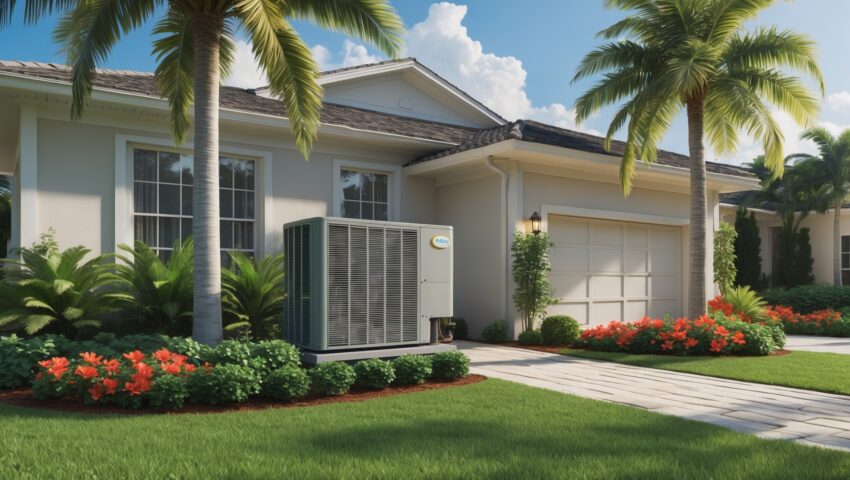
- Clear Outdoor Unit (Condenser): Remove leaves, branches, and debris. Trim vegetation at least 2 feet around the unit for optimal airflow.
- Inspect Drain Lines: Flush the condensate drain with a cup of distilled vinegar to prevent algae and mold that cause backups and water damage.
- Check Refrigerant Lines: Look for insulation damage, especially if exposed to sun or pests. Replace insulation sleeves if needed.
- Test Thermostat: Ensure accurate readings and recalibrate or replace batteries for digital thermostats.
- Schedule Professional Tune-Up: Many manufacturers require annual professional service to keep warranties valid. Spring is ideal before the first major heatwave.
Summer: Peak-Load Vigilance
- Monitor System Performance: Listen for unusual noises, short cycling, or reduced airflow—signs of stress or impending failure.
- Clean Evaporator and Condenser Coils: Dirty coils reduce efficiency and cooling power, forcing your system to work harder.
- Check for Leaks: Inspect visible refrigerant lines for oil spots or frost, which may indicate a refrigerant leak. Address immediately to avoid compressor damage.
- Ensure Proper Drainage: High humidity increases water removal. Confirm that the condensate pan and line are draining freely to prevent overflow and mold growth.
- Inspect Air Vents and Ducts: Ensure they’re unblocked and clean. Dust and allergens accumulate quickly in Florida’s summer.
- Storm Prep: Before hurricane season, secure loose outdoor equipment, check surge protectors, and review your insurance policy for coverage specifics.
Fall: Transition and Inspection
- Change Filters Again: Pollen and dust can linger from summer. Replace or clean filters monthly or as needed.
- Inspect and Clean Blower Components: Dust and debris on blower blades reduce airflow and efficiency.
- Test Heating Elements (if applicable): Florida’s winters are mild, but if you have a heat pump or backup heat strips, test them before the first cold snap.
- Check Ductwork for Leaks: Use the smoke-pencil method or consult a pro. Leaky ducts can waste up to 30% of conditioned air.
- Review System Controls: Ensure safety shut-offs and controls function properly. Faulty controls are a leading cause of system failure.
Winter: Light Use, Preventive Care
- Maintain Filter Routine: Even during light use, keep up with filter changes to prevent dust buildup and system strain.
- Monitor for Musty Odors: Reduced use can allow mold to take hold in ducts and evaporator coils. Address promptly if detected.
- Check for Rodent or Pest Intrusion: Cooler weather can drive pests into ductwork or outdoor units. Inspect and seal entry points.
- Schedule Off-Season Professional Inspection: Technicians are less busy, and you may secure discounts or bundled services.
Essential Tools and Supplies for Florida HVAC Upkeep
- Quality pleated or HEPA air filters (stock up for the year)
- Distilled white vinegar (for drain line cleaning)
- Soft-bristle brush and garden hose (for coil cleaning)
- Insulation sleeves or tape (for refrigerant line touch-ups)
- Digital thermometer (for quick system checks)
- Flashlight and screwdrivers (for vent and panel access)
- Sealable duct mastic or UL-listed foil tape (for minor duct leaks)
Always turn off power to the system at the breaker before performing any cleaning or inspection that involves interior components.
Compliance, Permits, and Warranty Essentials
Maintaining Warranty and Insurance Validity
Most HVAC warranties require annual professional servicing and documentation. Skipping this can void coverage, leaving you with full repair or replacement costs.
Homeowners’ insurance policies may also deny claims for water or mold damage caused by HVAC neglect. Save all service receipts and keep a digital log of your maintenance activities, including DIY tasks.
Permit Requirements for Upgrades and Major Repairs
While routine maintenance doesn’t require permits, any replacement of units, major ductwork, or refrigerant line work in Florida typically does. Always verify with your local building department—unpermitted work can result in fines, forced removal, or insurance claim denial.
Proactive Tips for Energy Efficiency and Cost Savings
- Set Thermostat Wisely: In summer, 78°F is optimal for efficiency; use ceiling fans to circulate air and allow higher temperature settings.
- Seal Leaks: Weatherstrip doors and windows to reduce system workload.
- Install a Smart Thermostat: These can optimize run times based on your habits and current weather patterns.
- Shade Outdoor Units: Provide shade without blocking airflow. Shaded condensers can improve efficiency by up to 10%.
- Upgrade Insulation: Attic and duct insulation reduces energy loss, especially in older Florida homes.
Common HVAC Maintenance Myths in Florida—Debunked
- “I Only Need to Change Filters Once a Year.” Florida’s humidity and pollen require monthly attention, especially in high season.
- “If It’s Running, It’s Fine.” Many efficiency losses and small issues go unnoticed until they cause major breakdowns. Proactive checks save money.
- “Salt Air Isn’t a Problem Inland.” Corrosion can occur miles from the coast, especially after hurricanes push salty air inland.
- “Professional Service Isn’t Necessary.” DIY maintenance is vital, but certified annual service is often required for warranties and catches issues homeowners can’t see.
Step-by-Step: How to Flush Your HVAC Drain Line (DIY Guide)
- Turn off your HVAC system at the thermostat and breaker.
- Locate the condensate drain line access (typically a T-shaped vent with a cap near the indoor air handler).
- Remove the cap and pour a cup of distilled vinegar slowly into the line.
- Let sit for 30 minutes, then flush with a gallon of water.
- Replace the cap and restore power to the system.
This simple routine, done quarterly, prevents the most common cause of Florida HVAC water damage—clogged drains and resulting overflows.
When to Call a Florida HVAC Professional
- Unexplained spikes in energy bills
- Persistent odors, moisture, or visible mold near vents
- System short-cycling, blowing warm air, or failing to reach set temperature
- Visible ice on coils or refrigerant lines
- Repeated tripping of breakers or fuses
- After any severe storm or power surge
Choose licensed, insured contractors familiar with Florida codes and climate-specific issues. Ask for a detailed maintenance report for your records.
Conclusion: Make HVAC Maintenance a Florida Homeowner Habit
Staying on top of your HVAC system isn’t just a matter of comfort in Florida—it’s a crucial step in protecting your home, wallet, and health. With year-round humidity, coastal salt exposure, and the ever-present threat of storms, your air conditioning and heating equipment face more challenges than almost anywhere else in the country. Yet, most breakdowns and inefficiencies are preventable with a structured, seasonal maintenance routine.
By following this expert-approved checklist, you’ll extend the life of your system, avoid the inconvenience and cost of emergency repairs, and ensure your home remains a safe, healthy refuge regardless of what Florida’s weather throws your way. Don’t overlook the compliance and documentation aspects—those service receipts and maintenance logs could be your best defense if an insurance claim or warranty dispute ever arises.
Start small: replace that filter, clear the area around your condenser, and flush your drain line this weekend. Schedule your annual professional checkup and set calendar reminders for the rest. With proactive care, you’ll enjoy lower utility bills, better air quality, and peace of mind that your HVAC system is ready for Florida’s next big season—whatever it may bring.
You mention that Florida’s salty coastal air can lead to premature HVAC failure. Are there specific cleaning routines or protective coatings you recommend for outdoor units to handle salt corrosion, and how often should those be applied in coastal areas?
Salt corrosion is a real concern in Florida’s coastal areas. For outdoor HVAC units, rinsing the coils and exterior with fresh water every month can help remove salt buildup. Applying an anti-corrosion spray or specialized HVAC coil coating once a year provides extra protection. Always check your manufacturer’s guidelines before using any product to ensure it won’t void your warranty.