

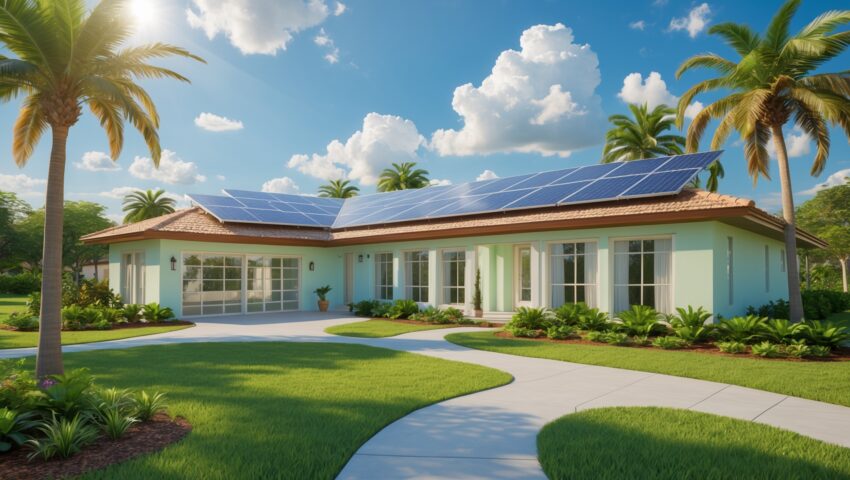
Introduction: The Sunshine Advantage and Its Challenges
Florida’s abundant sunshine makes it an ideal state for residential solar panel installation. Homeowners across the state are increasingly turning to solar to reduce utility bills, boost property value, and lessen their environmental footprint. However, the process of upgrading to solar panels in Florida goes far beyond simply picking a contractor and signing an agreement. Permitting requirements are stringent, insurance implications are often overlooked, and ongoing maintenance is critical for safeguarding your investment. This in-depth guide is designed to help Florida homeowners, whether you’re considering your first solar installation or upgrading an older system, navigate the unique regulatory, financial, and practical landscape of solar panel upgrades in the Sunshine State. We’ll break down the permitting process step by step, clarify insurance coverage requirements (and common gaps), and provide a comprehensive maintenance checklist to ensure your solar system continues to perform at its best long after installation. Avoid costly missteps and maximize your solar benefits with Florida-specific insights you won’t find in generic guides.
Understanding Florida’s Solar Panel Permitting Process
Why Permits Matter
Permitting is an essential step in any solar panel installation or upgrade. Florida’s building codes are designed to ensure safety, structural integrity, and resilience against hurricanes and severe weather. Skipping or mishandling this step can result in fines, forced removal, or denied insurance claims. Every county and municipality may have additional rules layered on top of state requirements, so it’s crucial to understand both.
Step-by-Step: Navigating the Permitting Maze
- Research Local Codes: Start by contacting your local building department or checking their website for solar-specific guidelines. Common requirements include wind load calculations, electrical diagrams, and showing compliance with the latest Florida Building Code (FBC).
- HOA Approval (If Applicable): If you’re in a neighborhood with a Homeowners Association, secure written approval. Florida law (FS 163.04) restricts HOAs from prohibiting solar, but they can dictate placement for aesthetic reasons.
- Gather Documentation: Typical permit applications require:
- Site plan showing panel placement
- Electrical schematics signed by a licensed engineer
- Proof of contractor licensing and insurance
- Product specifications and wind resistance ratings
- Structural load analysis (especially for older roofs)
- Submit Application: File with your local permitting office. Some cities accept online submissions; others require paper forms. Pay any required fees (ranging from $200–$700+ depending on jurisdiction and system size).
- Permit Review: Expect a review period of 2–6 weeks. Officials may request corrections or additional documentation, particularly regarding hurricane resilience.
- Inspections: After installation, you must schedule inspections—often at multiple points (electrical rough-in, final, and possibly a roofing inspection). Don’t activate your system until you receive final approval.
Common Permitting Roadblocks and How to Avoid Them
- Incomplete Documentation: Double-check requirements before submission. Missing wind load calculations or unverified structural assessments are top causes of delays.
- Unlicensed Contractors: Always verify your contractor’s license with the Florida Department of Business and Professional Regulation. Unlicensed work will not pass inspection and can void insurance.
- Historic District Restrictions: If your home is in a historic district, additional design reviews may be required. Start this process early.
- HOA Disputes: Even though HOAs can’t outright ban solar, disputes over placement can stall projects. Document all communications and know your rights under state law.
Insurance Essentials for Florida Solar Homeowners
How Solar Affects Homeowners Insurance
Adding or upgrading solar panels affects your insurance in several ways. Panels are typically considered part of your dwelling, but not all policies automatically cover new installations or upgrades—especially if you do not inform your insurer. In hurricane-prone Florida, coverage gaps can be costly.
Steps to Ensure Full Coverage
- Notify Your Insurer: Contact your insurance company before installation. Provide documentation (permit approval, contractor information, product specs) and request confirmation in writing that your system will be covered.
- Update Dwelling Coverage: Solar panels increase your home’s replacement value. Make sure your policy limit reflects the added investment.
- Hurricane and Windstorm Riders: Review your policy for windstorm and hurricane exclusions. In some coastal counties, windstorm coverage is separate (Citizens Property Insurance Corporation or similar). Confirm panels are covered under these riders.
- Flood Coverage: Standard homeowners insurance does not cover flood damage. If your inverter or electrical components are located at ground level, you may want to add flood insurance through the National Flood Insurance Program (NFIP).
- Liability Protection: If you’re installing a grid-tied system with net metering, ensure your liability limits are sufficient in case of power surges or issues that affect the utility grid.
Common Insurance Mistakes to Avoid
- Failing to Update Policy: Not informing your insurer can lead to denied claims if your panels are damaged.
- Assuming All Perils Are Covered: Most standard policies exclude certain hazards (e.g., manufacturer defects, faulty installation, wear and tear). Consider a solar-specific equipment warranty or service plan.
- Overlooking Roof Warranty Impacts: Some roof warranties become void if solar is installed improperly. Ensure your contractor works with your roofing manufacturer’s requirements.
Post-Installation: Maintenance Best Practices for Florida’s Climate
Why Maintenance Matters
Florida’s climate is both a blessing and a challenge for solar. High humidity, intense sun, torrential rain, salty coastal air, and hurricane threats can degrade equipment without proactive care. Even minor neglect can reduce your system’s output and lifespan.
Monthly and Seasonal Maintenance Checklist
- Visual Inspection: Check for debris, leaves, or bird droppings on panels. Obstructions reduce efficiency.
- Clean Panels: Use a soft brush or hose with deionized water (avoid harsh cleaners). For coastal homes, rinse off salt spray monthly.
- Monitor Inverter Performance: Inverters often signal issues before panels do. Check readouts or app data for error codes.
- Trim Nearby Trees: Prevent new shading as foliage grows. Trim branches at least twice a year.
- Inspect Mounting Hardware: After major storms, verify that mounts and hardware are secure and undamaged.
- Check Sealant and Flashing: Florida’s rains can exploit weaknesses. Look for cracks or peeling at roof penetrations.
- Review Monitoring Data: Compare daily/weekly production to historical averages. Sudden drops may indicate soiling, shading, or equipment failure.
Annual Professional Inspection: What to Expect
Schedule a licensed solar technician for a comprehensive annual check-up. This should include:
- Electrical connections and ground fault testing
- Detailed array and roof inspection for wear, corrosion, or leaks
- Verification of system labeling for code compliance
- Performance audit to identify underperforming panels
- Firmware or software updates for monitoring systems
Hurricane Season Preparation
- Pre-Storm: Photograph your array for insurance documentation. Secure loose objects around your yard that could impact panels.
- Post-Storm: Inspect for visible damage before reconnecting to the grid. Never attempt repairs if electrical hazards are suspected—call a licensed professional.
Cost Breakdown and Budgeting for Solar Upgrades in Florida
Key Cost Components
- Equipment: Solar panels, inverters, mounting hardware, monitoring systems
- Installation Labor: Varies by roof type, complexity, and contractor
- Permitting Fees: Typically $200–$700+
- Electrical Upgrades: Older homes may require panel upgrades or rewiring
- Inspection Fees: Sometimes separate from permit fees
- Ongoing Maintenance: Professional cleaning ($150–$300/year), annual inspections ($200–$400)
State and Federal Incentives
- Federal Solar Investment Tax Credit (ITC): Covers 30% of system cost (check current IRS guidelines for eligibility).
- Property Tax Exemption: Florida exempts new solar systems from property tax increases (FS 196.175).
- Sales Tax Exemption: Solar equipment is sales-tax free in Florida (FS 212.08(7)(hh)).
- Local Utility Rebates: Some utilities offer additional incentives—check your provider’s website.
Budgeting Tips
- Obtain at least three quotes from licensed, experienced contractors.
- Ask for an itemized breakdown of equipment, labor, and permitting fees.
- Include the cost of annual maintenance in your long-term savings calculations.
- Factor in potential roof repairs if your roof is nearing end-of-life.
- Work with a solar installer familiar with Florida-specific codes and hurricane requirements.
Debunking Common Myths About Solar in Florida
- Myth: Solar Doesn’t Work on Cloudy or Rainy Days. Florida’s diffuse sunlight still generates significant energy—production drops, but systems remain effective year-round.
- Myth: Solar Panels Can’t Withstand Hurricanes. Panels installed to current FBC standards are engineered for winds of 150 mph or more. Mounting hardware is critical—work with experienced installers only.
- Myth: Solar Is Too Expensive After Incentives End. Costs have dropped over 50% in the last decade. Even without incentives, solar in Florida offers strong ROI over 10–15 years.
- Myth: Installing Solar Automatically Voids Roof Warranties. Only if installation is improper or not coordinated with your roofing manufacturer. Professional installers mitigate this risk.
- Myth: You Don’t Need to Tell Your Insurer About Solar. Not true—failure to update your policy can lead to denied claims for fire, storm, or theft.
Case Study: Successful Solar Upgrade in Central Florida
Background: The Martinez family in Orange County wanted to upgrade their original 2012 solar array with newer, higher-efficiency panels. Their goals: increase output, remain compliant with new hurricane codes, and maximize insurance coverage.
Challenges: The home is in an HOA neighborhood and had a roof that was 15 years old. The family also learned their insurance policy hadn’t been updated since the original install.
- Permitting: Their new installer provided wind load engineering reports and worked directly with the city to secure permits under the latest FBC updates.
- Roof Coordination: They replaced their shingles prior to the solar upgrade, coordinating both contractors to ensure the new roof warranty remained intact.
- HOA Approval: The installer helped the family present panel placement options that met both state law and HOA visibility concerns.
- Insurance: With guidance from their agent, they increased their policy limits and added windstorm coverage for the new system.
- Maintenance: The family now schedules quarterly professional cleanings and uses app-based monitoring to track performance.
Result: The Martinez family’s system now produces 40% more power, is fully insured, and has passed all post-installation inspections with zero issues during the first hurricane season.
Conclusion: Powering Up Safely and Smartly in Florida
Florida’s solar opportunity is too good to ignore, but it brings responsibilities that go beyond installation day. Navigating the state’s permitting process can be daunting, but investing the time to get it right protects you from fines, ensures your system’s safety, and smooths the path to long-term savings. Being proactive with your insurance—by keeping your provider informed, updating coverage as your system’s value grows, and understanding hurricane/windstorm nuances—prevents unpleasant surprises if a storm hits. And perhaps most importantly, ongoing maintenance is not optional in Florida’s challenging climate. Keeping panels clean, checking mounting hardware, and scheduling regular inspections will maximize your solar ROI and protect your home investment for decades to come.
By understanding and planning for these unique Florida requirements, you can enjoy reliable, cost-effective solar power while staying fully protected and compliant. Whether you’re upgrading an older system or installing solar for the first time, use these best practices as your roadmap. The result: peace of mind, lower energy bills, and a lasting boost to your home’s value in the Sunshine State.
Could you clarify how homeowners can verify that their chosen solar contractor is well-versed in both state and local permitting requirements, especially since you mentioned counties and municipalities often add their own rules on top of state codes?
Homeowners can start by asking contractors for proof of recent projects completed in their area, which shows they have navigated local permitting. It’s also helpful to request references from clients in the same city or county. Checking with your local building department about any required contractor registrations or certifications can further confirm the contractor understands both state and local requirements.
I noticed you mentioned that insurance implications are often overlooked with solar upgrades. Could you clarify what common gaps people run into with their homeowners insurance once the panels are installed?
Homeowners often assume their existing policy covers solar panels, but that’s not always true. Common gaps include insufficient coverage for the value of the panels, lack of protection against certain weather events, or the panels not being listed as permanent structures. It’s important to notify your insurer, verify that the panels are specifically included, and check if your coverage limits need to be increased to fully protect your investment.
For someone on a tight budget, are there any tips for managing the costs associated with permitting and required maintenance in Florida? Do local governments ever offer assistance or incentives to help offset these non-installation expenses?
If you’re on a tight budget, consider researching whether your city or county offers fee waivers or reduced permitting costs for residential solar projects—some areas do provide this relief. Also, many utility companies and local governments occasionally have incentive programs or grants that help offset costs beyond installation. For maintenance, regular DIY cleaning and inspections can reduce professional service expenses, as long as you follow safety guidelines.
What are the most common insurance gaps Florida homeowners overlook after adding solar panels? The article mentions coverage requirements, but I’m curious if there are specific issues that catch people by surprise after installation.
One issue homeowners often overlook is whether their homeowner’s policy covers damage to the panels themselves—some basic policies may not. Another gap is inadequate liability coverage if a panel detaches during a storm and causes damage to nearby property. Also, some people forget to notify their insurer post-installation, which can affect claims if there’s an incident. Reviewing your policy and discussing specifics with your insurer can help avoid these surprises.
I’m curious about the insurance implications—does upgrading an older solar system affect homeowner’s insurance rates or coverage differently than a brand new installation in Florida?
Upgrading an older solar system can impact your homeowner’s insurance differently than installing a brand new system. Insurers may view upgrades as less risky if they bring your system up to current codes or improve safety features. However, some companies might treat any solar change—upgrade or new install—as a reason to reassess your rates or coverage. It’s best to check with your insurer before starting the upgrade so you understand any possible changes to your policy or costs.
After installing or upgrading solar panels, are there any immediate steps homeowners should take to make sure everything is up to code and properly insured? I want to make sure my investment is protected from day one.
After your solar panels are installed or upgraded, first double-check that your contractor provided you with all final inspection approvals and permits from your local building department. Notify your homeowners insurance company right away to ensure your new system is covered; they may require documentation or updated photos. Keep copies of warranty and maintenance information handy. This helps you stay compliant, insured, and ready if any issues arise.
The guide talks about avoiding costly missteps. For budgeting purposes, what are some commonly overlooked permit or insurance fees that tend to catch new Florida solar owners off guard?
Some fees that often surprise new solar owners include local permitting fees, which can vary by city or county and may include separate electrical or structural reviews. Homeowners association (HOA) approval costs and expedited permit processing fees might also apply. Additionally, some insurance companies require policy endorsements or higher coverage limits for solar installations, which can increase your premium unexpectedly.
If my local municipality has stricter rules than the state for solar installation, which ones take priority during the permitting process? Have you seen cases where conflicting guidelines caused problems for homeowners?
When installing solar panels, local municipality rules generally take priority over state guidelines if they’re stricter. Permits and inspections are handled at the local level, so you’ll need to meet their requirements to get approval. There have been situations where homeowners faced delays or extra costs because local codes didn’t match state standards, so it’s wise to check with your local permitting office early in the process.
After installation, what are some practical steps you recommend for ongoing maintenance that really help optimize performance, aside from the checklist you mentioned? Are there any cost-effective things business owners can do themselves?
Beyond the checklist, keeping panels clear of shade from growing trees or nearby equipment can noticeably improve efficiency. Regularly monitor your inverter display or system app for any alerts—it’s a quick way to catch issues early. Also, visually inspect wiring and mounting hardware for signs of wear or animal interference. These simple, cost-effective routines help maintain peak solar performance without the need for professional service calls.
Based on your guide, how much should homeowners budget for the permitting process in Florida, excluding the panels themselves? Are there hidden fees, or is it mostly just the upfront local permit cost?
Homeowners in Florida should typically budget between $100 and $500 for solar permitting, depending on the local jurisdiction. The primary cost is usually the local government permit fee, but you should also prepare for possible plan review charges or administrative fees, which some cities or counties include. While most costs are upfront, always confirm with your installer or local permitting office to avoid surprises, as requirements can vary by location.
Are there notable differences between counties in Florida regarding what needs to be included in the wind load calculations or electrical diagrams for permit approval?
Yes, requirements for wind load calculations and electrical diagrams can vary between Florida counties. Some counties may require more detailed structural information, specific wind speed data, or additional engineering stamps. Electrical diagram details can also differ, such as labeling conventions or component specifications. It’s best to review each county’s permitting guidelines or contact their building department to ensure your submission meets local standards.
If my older solar panel system was installed under previous regulations, is there a typical process or checklist for bringing it up to current permitting and code standards in Florida?
Yes, there is generally a process for upgrading your older solar panel system to meet current Florida permitting and code standards. Usually, this involves an initial inspection by a licensed solar contractor to assess compliance gaps. Next, you’ll apply for updated permits through your local building department, address any required upgrades (like electrical or mounting changes), and schedule follow-up inspections. Your contractor should provide a checklist based on your specific system and local codes to ensure everything is up to date.
You mention that insurance implications are often overlooked—could you elaborate on what types of coverage gaps homeowners should double-check before upgrading their solar systems in Florida?
When upgrading solar panels in Florida, homeowners should check if their current homeowner’s policy covers the new system’s value and any added liability. Common gaps include insufficient coverage for system damage (from storms or power surges), lack of coverage for roof penetrations, or exclusion of solar equipment altogether. It’s also important to verify if your policy will cover any damage caused during installation. Contact your insurer to discuss these specific scenarios before proceeding.
Could you explain a little more about the specific maintenance tasks that are recommended after installation? For example, how often should I be cleaning the panels, and is there anything in particular Florida homeowners should watch out for because of the weather?
After installation, it’s a good idea to clean your solar panels every 6 to 12 months, especially in Florida where pollen, bird droppings, and salt can build up. Also, check for debris after storms or hurricanes, and inspect for any loose wiring or mounting hardware. Humidity and high winds are common in Florida, so watch for corrosion and ensure seals remain watertight to prevent moisture damage.
Does upgrading to solar panels in Florida usually increase property value enough to impact property taxes? Have there been any changes to state or local tax rules homeowners should watch out for when planning a solar upgrade?
In Florida, installing or upgrading solar panels can increase your home’s market value, but thanks to the state’s Solar Property Tax Exemption, this added value is not included in property tax assessments. This means your property taxes shouldn’t increase just because you added solar. As of now, there haven’t been significant changes to this exemption, but check with your local property appraiser to confirm any recent updates before starting your project.
Is it common for permitting timelines to delay solar panel projects significantly in certain counties? I’d like to estimate how long the approval process might take before scheduling our own installation.
Permitting timelines can vary quite a bit across Florida counties, and in some areas, delays are fairly common. Urban counties or those with busier building departments may take several weeks, while others process permits in a few days. On average, you might expect anywhere from 2 to 6 weeks for approval. It’s a good idea to contact your local permitting office to get a more precise timeframe for your location before setting your installation schedule.
How long does the typical permitting process take from start to finish in Florida? I’m trying to budget for the total project timeline and am wondering what possible delays to expect, especially if my municipality has extra requirements.
In Florida, the solar panel permitting process usually takes anywhere from 2 to 6 weeks, depending on your municipality. Some areas process permits faster, while others may have extra requirements that add time. Delays can occur if additional documentation is needed or if inspections are backed up, so it’s wise to check with your local building department for their typical timeline and any specific local hurdles you might encounter.
You mentioned that some counties and municipalities add rules on top of the state’s solar requirements. What’s the best way to stay on top of local code changes if you’re planning a panel upgrade next year?
To keep up with local code changes, regularly check your county or city building department’s website for updates, as they often post announcements about new ordinances. Contact their permitting office directly before your upgrade for the latest requirements. Additionally, if you’re working with a local solar installer, ask them about recent code changes—they usually stay well informed.
How often should homeowners schedule maintenance after their solar panels are installed, and are there particular issues unique to Florida’s climate we should watch for in the maintenance checklist?
Homeowners in Florida should schedule a professional solar panel maintenance check at least once a year. Due to Florida’s humid and storm-prone climate, watch for salt residue buildup, mold or mildew, and hurricane-related damage on your panels and mounts. Regularly check for debris from storms, clean panels gently, and inspect wiring and seals for signs of weathering or corrosion.
Once the solar upgrade is complete, what are some warning signs that my system might not have been installed to code and could jeopardize my insurance coverage or warranty?
After your solar upgrade, watch for issues like exposed or loose wiring, missing labels on electrical boxes, leaks around roof penetrations, or frequent inverter shutdowns. These can signal code violations that may risk your insurance or warranty. Also, unusual noises, poor power output, or a lack of proper documentation and inspection reports are red flags worth addressing promptly.
After the installation, what are some maintenance tasks unique to Florida’s climate that might not be as critical in other states? For example, should I be preparing for routine hurricane season checks or cleaning schedules different from what’s recommended elsewhere?
In Florida, it’s wise to schedule regular cleanings, especially after pollen-heavy seasons or major storms, since humidity and rain can lead to algae or mildew buildup on panels. Before and after hurricane season, inspect your panels and mounting hardware for any loosened parts or debris. Clearing away palm fronds and checking for salt residue is also important if you live near the coast, as salt air can corrode components over time.
How long does the permitting process usually take for solar panel upgrades in Florida, and are there any tips for speeding it up or avoiding common holdups with local building departments?
The permitting process for solar panel upgrades in Florida usually takes anywhere from a few days up to several weeks, depending on your local building department’s workload and requirements. To help speed things up, make sure your application is complete and accurate, including all necessary site plans and engineering documents. It can also help to check if your installer has experience with your local permitting office or to contact the building department in advance for any specific requirements or recent changes in their process.
I’m curious about the insurance side you mentioned—are there particular types of insurance coverage that Florida homeowners typically need to update or add when installing new solar panels, and what are the common gaps people overlook?
When adding solar panels in Florida, homeowners usually need to update their homeowner’s insurance policy to ensure the panels are included in the dwelling coverage. It’s important to confirm your policy covers damage from storms, fire, and theft. A common gap people overlook is coverage if panels are damaged during installation, or if they’re ground-mounted or detached from the house, as some policies only cover roof-mounted systems. Always notify your insurer before installation to avoid coverage issues.
How often should I actually perform maintenance checks on my solar panels in Florida, especially with the hurricane risk? Is there a checklist you recommend after the first year post-install?
In Florida, it’s wise to inspect your solar panels at least twice a year, and always after major storms or hurricanes. For your post-first-year checklist: look for visible damage, clear away debris, check for loose wiring, ensure mounting systems are secure, and verify your inverter is working properly. Also, review your system’s energy output for any drops in performance. Scheduling an annual professional inspection is also recommended.
If local permitting rules differ from state requirements, how can homeowners make sure they’re compliant with both without getting caught in delays? Is it better to rely on your contractor to handle this entirely, or should you be more involved?
Homeowners should always confirm that their contractor is experienced with both local and state permitting, as both must be met to avoid delays. While a reputable contractor usually manages this process, it’s wise to stay involved by asking for permit copies and checking timelines. Open communication and periodic updates can help ensure nothing falls through the cracks.
The article highlights post-installation maintenance as being critical for protecting a solar investment. For someone upgrading an older solar system, what are some maintenance tasks that might be overlooked but are especially important in Florida’s climate?
In Florida’s humid and storm-prone climate, it’s easy to overlook tasks like regularly checking for corrosion on mounting hardware and wiring, ensuring that tree growth hasn’t started to shade panels, and looking for mildew or debris buildup after heavy rains. Also, make sure to inspect sealants and roof penetrations for water damage, as moisture can easily cause long-term issues in older systems.
Do you have any advice for budgeting solar upgrades beyond the initial installation costs, like surprise fees related to permitting, inspections, or insurance adjustments in different Florida counties?
When budgeting for solar upgrades in Florida, it’s smart to set aside an extra 10-20% of your project cost to cover potential surprises like permitting fees, inspection charges, or increases in homeowner’s insurance. These fees can vary significantly from one county to another. Check with your local permitting office and your insurance provider early on to get accurate estimates for your area.
If I upgraded my solar panels last year but didn’t realize some insurance gaps existed, is there still a way to adjust my policy or will that affect potential claims if something happens now?
You can still contact your insurance provider to update your policy and close any coverage gaps, even after your solar panel upgrade. However, if an incident occurs before your policy is adjusted, there may be issues with claim eligibility for those gaps. It’s best to update your policy as soon as possible to ensure full coverage moving forward.
When researching local building codes for my solar upgrade, what’s the best way to make sure I’m not missing any hidden requirements, especially since municipalities can add their own rules beyond the state’s?
To avoid missing any hidden requirements, contact your local building department directly and ask for their specific solar permit checklist. It’s helpful to request any recent amendments or local ordinances they might have added. Confirm whether neighborhood associations or historic districts impose extra rules. Keeping communication lines open with your installer and local officials can help you spot unique municipal requirements before you start your project.
I’m curious about the insurance side—if I add new panels to my roof, will my existing homeowner’s policy automatically cover the upgrade, or do I have to notify my insurer and possibly pay higher premiums?
When you add new solar panels to your roof, your existing homeowner’s policy usually does not automatically cover the upgrade. You should notify your insurer about the installation. Depending on your provider, you may need to update your policy, and there could be an increase in premiums to account for the added value and risk. It’s best to check with your insurance company before installing the panels.
If I’m upgrading an older solar system, do I have to go through the entire permitting process again from scratch, or are there provisions to make it simpler for updates rather than new installations?
When upgrading an existing solar system in Florida, you usually need to go through the permitting process, but it can be simpler than for a brand-new installation. Most counties allow for an expedited or modified permit if you’re only upgrading parts like inverters or adding panels to an approved system. It’s best to check with your local building department to see what specific documentation and steps are required for your type of upgrade.
The article talks about ongoing maintenance as key for performance. What does a realistic annual maintenance checklist look like for Florida systems, especially in coastal areas where salt and humidity could be a problem?
For Florida solar systems, especially near the coast, an annual maintenance checklist should include: cleaning panels to remove salt, dust, and debris; inspecting for corrosion on mounts and wiring; checking seals and waterproofing; ensuring all electrical connections are tight; reviewing inverter performance; and trimming any nearby vegetation. After storms, it’s wise to check for physical damage. Professional inspections every year or two help catch issues early, especially with the extra humidity and salt exposure.
If my insurance company seems unsure about covering my upgraded solar panels, is there a standard set of documents or certifications I should provide to make sure my system is properly insured according to Florida requirements?
To help your insurance company process your solar panel upgrade, you should provide the installation permit, final inspection approval from your local authority, and documentation showing that the system meets Florida Building Code standards. It’s also helpful to include the installer’s certification, warranty information, and proof that a licensed contractor completed the work. This documentation should satisfy most Florida insurers’ requirements.
I noticed the article mentions that every county and municipality in Florida might have their own solar permitting rules in addition to state codes. If I own a home that’s technically in a city but unincorporated county land surrounds it, which set of rules would apply for my solar upgrade permit?
If your home is within city limits, you’ll typically follow that city’s permitting rules for your solar upgrade, even if unincorporated county land is nearby. However, if your property is outside city boundaries, then county regulations apply. It’s always a good idea to confirm your specific jurisdiction with your local building department to be sure you’re following the correct permitting process.
Could you explain more about what insurance gaps are common after installing solar panels in Florida? I’m not sure what exactly I should check for in my current homeowners policy.
After installing solar panels in Florida, some common insurance gaps include inadequate coverage for the panels themselves, lack of coverage for roof damage related to installation, or exclusions for damage caused by wind or hail. It’s important to check if your homeowners policy explicitly covers rooftop solar panels as part of your dwelling or if you need to add a rider. Be sure to ask your insurer if your policy limits are high enough to cover the added value of the panels and if you’re protected against liability from panel-related incidents.
I’m a little confused about the insurance part. Does upgrading to solar typically increase homeowners insurance rates in Florida, or are there ways to avoid extra costs as long as I follow permit requirements?
Upgrading to solar panels in Florida can sometimes increase your homeowners insurance rates, mainly because the panels add value to your property. However, if your installation is permitted and done by a licensed professional, some insurers may not raise your rates or may only apply a small increase. It’s a good idea to contact your insurer before upgrading to find out their specific policy, and always keep documentation of permits and professional installation to help minimize extra costs.
I’m upgrading an older solar system and worried about insurance gaps. Are there any specific policy endorsements or types of coverage homeowners should ask their insurance agent about after installing new solar panels in Florida?
After upgrading your solar system, it’s wise to review your homeowner’s policy with your insurance agent. Ask if your new panels are fully covered for risks like wind, hail, and theft. You may need to add an endorsement for ‘solar energy systems’ or increase your dwelling coverage to account for the upgrade. Also, check if your insurer requires documentation or inspections to maintain coverage in Florida.
Is there a big cost difference between contractors who handle the entire permitting process versus those who expect the homeowner to do it? I’m on a tight budget and not sure which route makes more sense in Florida.
There can be a noticeable cost difference. Contractors who handle permitting typically charge extra for the convenience, sometimes a few hundred dollars or more. Doing it yourself can save money, but it requires time and dealing with local regulations, which can be complicated. If you’re comfortable navigating paperwork and city offices, managing the permit yourself could help keep costs down, but using a contractor is often less stressful.
Once the panels are installed and approved, what kind of regular maintenance should I personally be doing to avoid issues down the line, and how often does a professional need to inspect the system?
After your panels are installed and approved, you should keep them clean by gently rinsing off dust, pollen, or debris every few months—especially after storms. Visually inspect for obvious damage or obstructions. For professional inspections, it’s best to have a qualified technician check your system at least once a year to ensure all electrical components and connections are safe and performing well.