

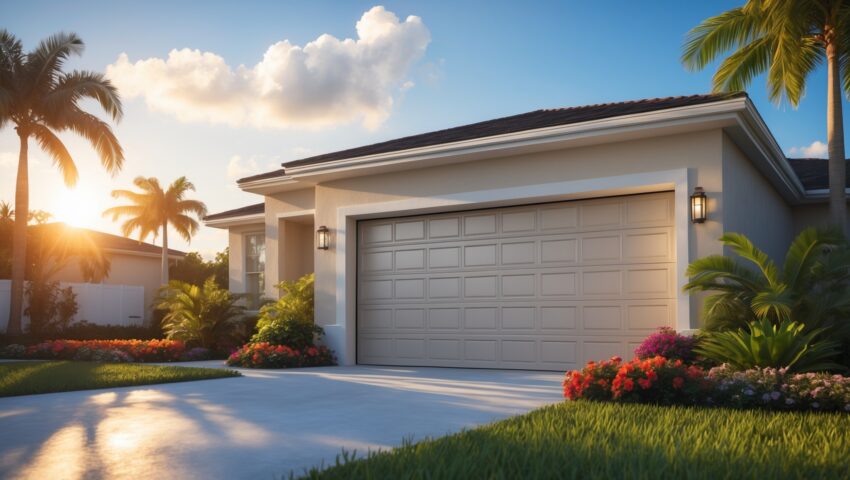
Introduction: The Overlooked Importance of Garage Door Upgrades in Florida
When Florida homeowners think of home improvement projects, garage doors rarely top the list. Yet, in the Sunshine State, where hurricanes, high winds, and strict building codes are the norm, upgrading your garage door can be one of the smartest investments you make. According to the Federal Emergency Management Agency (FEMA), garage doors are often the largest and weakest opening in a home, making them critical points of failure during severe storms. A compromised garage door can allow hurricane-force winds to enter, potentially causing catastrophic structural damage or even roof loss. Beyond storm resilience, modern garage doors offer security enhancements, energy efficiency, curb appeal, and potential insurance savings. However, navigating the permit process, hurricane compliance requirements, and insurance implications can be complex for even seasoned homeowners. This comprehensive guide demystifies the process, providing detailed insights into Florida-specific permit paths, essential hurricane standards, cost factors, and how your upgrade can impact insurance premiums and payouts. Whether you’re a first-time homeowner or a seasoned renovator, this resource equips you with the practical know-how to make an informed, compliant, and cost-effective garage door upgrade in Florida.
Understanding Florida’s Garage Door Permitting Requirements
Why Permits Are Mandatory
In Florida, replacing or upgrading a garage door is not a simple swap. The state’s Building Code mandates that all new or replacement garage doors meet stringent wind-resistance and impact standards. As a result, nearly every city and county requires a permit for garage door installation or replacement, regardless of whether you’re using a licensed contractor or attempting a DIY project.
Permit Application Steps
- Determine Local Jurisdiction: Check with your local municipality (city or county) for specific permit requirements. Permit applications, fees, and processes can vary significantly.
- Prepare Documentation: Most permit applications require detailed specifications, including manufacturer product approvals, wind load calculations, and installation diagrams.
- Submit Application: Applications are typically available online or in person. Attach required documents and pay the appropriate fee (ranging from $50 to $200+ depending on locale and project scope).
- Plan Review: Building officials review the submission for compliance with the Florida Building Code (FBC), specifically focusing on wind load ratings and product approvals.
- Inspections: Once installed, a final inspection is mandatory. Inspectors verify proper anchoring, bracing, and compliance with wind resistance and impact standards.
Common Permitting Mistakes to Avoid
- Skipping the Permit: Unpermitted work can result in fines, forced removal, or insurance claim denials after storm damage.
- Incomplete Documentation: Missing product approvals or incorrect wind load data can delay approval or lead to rejections.
- DIY Without Proper Knowledge: Even minor deviations from the approved plan can trigger failed inspections.
Florida Hurricane Compliance: The Non-Negotiable Standard
Wind Load and Impact Resistance: What You Need to Know
Florida is divided into wind-borne debris regions, with the highest standards along coastal areas and in the High-Velocity Hurricane Zone (HVHZ), which covers Miami-Dade and Broward counties. Your garage door must:
- Be Rated for the Correct Wind Speed: Typically 140–180 mph, depending on your home’s location.
- Meet Impact Resistance Standards: Doors must pass large-missile impact tests; this is mandatory in HVHZ and recommended statewide.
- Carry a Valid Florida Product Approval Number: Verify your chosen door at www.floridabuilding.org.
Choosing a Hurricane-Rated Garage Door
- Material Matters: Steel doors with reinforced struts and heavy-duty tracks are preferred for storm resistance. Aluminum doors can be used if properly reinforced.
- Bracing Systems: Some doors include built-in bracing, while others require manual attachment of braces before a storm.
- Professional Installation: Proper anchoring to the home’s structure is critical. Even a hurricane-rated door can fail if not installed per manufacturer and code guidelines.
Signs Your Current Door Fails Compliance
- No visible product approval sticker or label on the interior panel.
- Lightweight, unreinforced panels that flex under pressure.
- Installed prior to 2002, before the current FBC standards took effect.
Cost Breakdown: Budgeting for a Florida Garage Door Upgrade
Price Ranges and What Influences Cost
- Standard Single Door (Hurricane-Rated): $1,200–$2,500 installed.
- Double Door: $2,000–$4,500 installed.
- Premium Materials or Custom Designs: $4,500–$8,000+.
Key cost factors include:
- Wind and impact rating (higher ratings = higher cost).
- Material and insulation type.
- Style (carriage house, modern, flush panel).
- Opener and smart technology integration.
- Removal/disposal of old door and any structural modifications.
Budgeting Pro Tips
- Always factor in permit fees and required inspections.
- Ask your installer for line-item estimates and written warranties.
- Consider future insurance savings when evaluating upfront costs.
Insurance Essentials: How Upgrades Impact Premiums and Claims
Potential Premium Discounts
Many Florida insurers offer wind mitigation credits for homes with hurricane-rated garage doors. These credits can reduce windstorm premiums by 5%–15%, depending on your provider and policy. To qualify:
- Submit a completed wind mitigation inspection (form OIR-B1-1802) to your insurer.
- Ensure the garage door’s approval number and installation details are clearly documented.
Claim Denials and Upgrade Benefits
- Unpermitted or Non-Compliant Doors: Claims for storm damage may be denied if the door was not properly permitted or fails code compliance. Insurers can cite negligence or code violation exclusions.
- Proof of Compliance: Keep copies of your permit, inspection report, and product approval for future claims.
- Bundled Discounts: Combining a new garage door with impact windows or roof upgrades can unlock additional insurance savings.
Step-by-Step Upgrade Process: From Planning to Final Inspection
1. Evaluate Your Needs and Existing Conditions
- Assess your current door’s wind/impact rating and condition.
- Review local code requirements and wind zone maps.
- Measure your opening(s) and note any obstructions or structural issues.
2. Research and Select a Qualified Installer
- Choose a licensed, insured contractor familiar with Florida codes.
- Ask for references and verify recent similar projects.
- Insist on written, itemized estimates and warranty terms.
3. Choose the Right Garage Door and Accessories
- Confirm the door’s Florida product approval and wind/impact rating matches your home’s zone.
- Select materials and insulation for storm resistance and energy efficiency.
- Consider smart openers, battery backup, and security features.
4. Secure Permits and Schedule Installation
- Work with your installer to submit permit applications and required documents.
- Coordinate removal of the old door and prep for installation day.
5. Installation and Inspection
- Installation should follow manufacturer and code requirements for anchoring and bracing.
- Schedule and pass final inspection before using the door.
- Obtain inspection sign-off and keep documentation for insurance and future sale purposes.
Maintenance Best Practices for Florida Garage Doors
Seasonal Checklist
- Pre-Hurricane Season (May–June): Inspect all hardware, tighten bolts and brackets, test auto-reverse mechanism, and check for rust or corrosion.
- Quarterly: Lubricate rollers, hinges, and springs with silicone-based lubricant. Test manual release and backup battery (if equipped).
- Post-Storm: Check for misalignment, dents, or compromised weatherstripping. Address minor repairs before they worsen.
Professional Maintenance Needs
- Annual professional inspection is recommended, especially for high-usage doors and homes in coastal areas.
- Never attempt spring replacements or major repairs yourself; these components are under extreme tension and can cause serious injury.
Debunking Common Myths About Florida Garage Doors
- Myth: Any new garage door is hurricane-rated. Reality: Only doors with valid Florida product approvals and tested wind/impact ratings meet code.
- Myth: Retrofitting braces to an old door is sufficient. Reality: Most pre-2002 doors cannot be upgraded to current standards due to frame and panel limitations.
- Myth: Permits aren’t required if I hire a contractor. Reality: Permits are legally required for all compliant installations, regardless of who performs the work.
Case Study: Successful Upgrade in Coastal Florida
The Problem: A Naples homeowner’s outdated, unreinforced garage door failed inspection during a property sale. The buyer’s insurer demanded a compliant replacement as a condition of coverage.
The Solution: The homeowner worked with a licensed local installer, obtained the permit, and selected a steel, hurricane-rated garage door with a product approval for 160 mph winds and impact resistance. The installation passed inspection, and the wind mitigation report led to a 12% reduction in annual insurance premiums. The property closed without delay, and the new owners gained peace of mind for upcoming hurricane seasons.
Conclusion: Investing in Resilience, Safety, and Savings
Upgrading your Florida garage door is about more than aesthetics or convenience—it’s a strategic move to protect your home, family, and investment from some of nature’s most severe threats. While the permitting process and hurricane compliance standards can seem daunting, the benefits of a properly installed, code-compliant garage door are substantial. Not only will your upgraded door stand strong during storms, but it can also enhance security, improve energy efficiency, and potentially lower your insurance premiums. Navigating the process requires diligence: secure the right permits, select a hurricane-rated product, rely on experienced professionals, and maintain your investment with seasonal care. Remember, insurance companies scrutinize compliance and permitting closely. By following the steps and best practices outlined above, you’ll avoid costly mistakes, claim denials, and post-storm regrets. Most importantly, you’ll gain the peace of mind that comes from knowing your home’s largest opening is fortified against Florida’s fiercest weather. In the world of home improvement, few upgrades deliver such a powerful combination of safety, compliance, and long-term value as a properly executed garage door replacement in the Sunshine State.
When budgeting for a hurricane-compliant garage door, how much of the overall cost typically goes toward permitting and code compliance, versus the price of the door and installation itself? Are there any hidden fees that tend to surprise homeowners?
When upgrading to a hurricane-compliant garage door in Florida, most of your cost—often 80–90%—goes into the door itself and its installation. Permitting and code compliance usually make up the remaining 10–20%, but this can vary by county. Some homeowners are surprised by fees for engineering reports, debris removal, or post-installation inspections, so it’s wise to ask your contractor for a detailed written estimate that includes all potential costs.
You mentioned that permits are required for both contractor-led and DIY garage door installations statewide. Are there notable differences in the permit process or inspection requirements between different Florida counties?
Yes, while all Florida counties require permits for garage door installations, the specifics can vary locally. Some counties may have additional documentation, stricter inspection scheduling, or unique forms to fill out. Local building departments might also differ in how they verify hurricane compliance and wind-load standards. It’s a good idea to contact your county’s permitting office directly to understand their exact requirements and timelines.
What happens if I accidentally install a new garage door in Florida without getting a permit first? Is it possible to fix that after the fact, or would I have to remove and redo the installation?
If you installed a new garage door without a permit in Florida, you can usually resolve this by applying for a permit after the fact, known as an ‘after-the-fact’ or ‘retroactive’ permit. The local building department may require an inspection of the installation to ensure it meets code, especially for hurricane compliance. In most cases, you won’t need to remove the door unless it fails inspection, but you might have to make modifications if it doesn’t meet regulations.
I’m curious about how the permit process differs between cities and counties in Florida. Are there notable differences in fees or documentation requirements, or do most local jurisdictions follow the same standards for garage door upgrades?
Permit processes for garage door upgrades can vary quite a bit between cities and counties in Florida. Some local jurisdictions may require detailed engineering documents or wind load certifications, especially in hurricane-prone zones, while others might have simpler requirements. Fees can also differ, with some areas charging a flat rate and others basing fees on project value. It’s always a good idea to check with your specific local building department for their exact requirements.
If I accidentally install a new garage door without getting a permit first, what kind of penalties or issues could I face with local code enforcement or my insurance company?
If you install a new garage door without the required permit, you could face fines from local code enforcement, and they may require you to remove or redo the work to meet regulations. Your insurance company might also deny claims related to the garage door, especially if damage occurs. It’s typically necessary to get a permit after the fact and possibly schedule an inspection to ensure compliance.
If I’m upgrading my garage door for hurricane compliance in Florida, are there any financial incentives or specific insurance discounts I should ask my provider about, or does it mostly depend on the company?
When you upgrade your garage door to meet Florida’s hurricane standards, many insurance companies may offer discounts on your premiums. The exact incentives and discounts can vary, so it’s a good idea to ask your provider specifically about wind mitigation credits. Some local governments also offer rebates or incentives for hurricane-resistant improvements, so checking with your municipality could be worthwhile too.
The article talks about insurance premiums possibly lowering after a compliant upgrade. Do insurance companies require paperwork from the permit process to confirm my new garage door is up to code before they give any discounts?
Yes, most insurance companies in Florida will want documentation before offering any premium discounts for your new garage door. They typically ask for proof such as the permit, inspection approval, or a certificate showing the door meets hurricane codes. It’s a good idea to keep copies of all paperwork from the upgrade and check directly with your insurer to see exactly what they need.
For a homeowner wanting to DIY a garage door replacement, what are the main compliance pitfalls to watch out for to avoid failed inspections or insurance issues later on?
When replacing your garage door yourself in Florida, the biggest compliance issues are failing to pull the proper permit, not installing a hurricane-rated door (per local codes), and skipping required wind-load hardware. It’s also common to miss documenting the installation fully—photos and receipts can be crucial for future insurance claims. Double-check local wind zone requirements, and ensure all components are up to code to avoid failed inspections and insurance coverage problems.
How long does the typical permitting and inspection process take for a garage door upgrade in Florida? I want to make sure I don’t get stuck with my garage open during hurricane season.
The permitting and inspection process for a garage door upgrade in Florida usually takes about 1 to 3 weeks, depending on your local building department’s workload and how quickly your contractor submits the paperwork. Scheduling can be tighter during hurricane season, so it’s smart to start early. Once approved, installation and final inspection can often be completed within a few days.
Regarding costs, are there significant differences in permitting fees or requirements depending on whether the garage door upgrade is for a single-family home versus a townhouse or condo in Florida?
Yes, there can be differences in permitting fees and requirements between single-family homes and townhouses or condos in Florida. Condos and townhouses often have additional association rules or may require approval from the homeowner’s association, which can affect the process and cost. Permit fees might also vary by municipality and property type, so it’s best to check with your local building department and, if applicable, your HOA for precise information.
The article mentions possible insurance savings after installing a compliant garage door. How can I find out in advance whether my insurance provider will actually lower my premiums, or if I need extra documentation to qualify?
Contact your insurance provider directly before upgrading your garage door. Ask if they offer premium discounts for hurricane-rated or code-compliant doors, and what specific documents they require—like permits, inspection reports, or product certification. This way, you’ll know exactly what’s needed to qualify for savings and can prepare all paperwork in advance.
You mention potential insurance savings with compliant garage doors. Are there specific features or certifications insurers look for, or is it mainly about meeting the local code?
Insurers typically look for garage doors that are both code-compliant and have specific features like wind resistance and impact ratings, especially in hurricane-prone areas. Certifications such as Miami-Dade or Florida Product Approval are often viewed favorably. While meeting local code is essential, having these additional certifications and features can sometimes lead to better insurance discounts.
Could you clarify whether the permit process is typically faster if I hire a licensed contractor instead of trying to get the permit as a homeowner? I’m a little concerned about delays for a busy garage door replacement season in our area.
Hiring a licensed contractor usually speeds up the permit process because contractors are familiar with local requirements and often have established relationships with permitting offices. They can handle paperwork efficiently and help avoid common mistakes that might cause delays for homeowners applying on their own. This can be particularly helpful during busy seasons when permitting offices are handling a lot of requests.
If my garage door was installed before the current Florida Building Codes went into effect, do I need to bring it up to hurricane compliance if I’m just repairing a panel, or does that only apply to full replacements?
If you’re only repairing a damaged panel on your existing garage door and not replacing the entire door, you typically do not have to bring the whole door up to current hurricane compliance standards. The requirement to meet updated codes usually applies when the entire garage door is replaced, not for minor repairs. However, always check with your local building department, as some areas may have specific rules.
Is there a significant cost difference between getting a contractor to handle the permit and installation versus trying to DIY the process, given Florida’s strict requirements?
In Florida, hiring a licensed contractor for garage door installation typically costs more upfront than a DIY approach, since contractors charge for their expertise, labor, and permit handling. However, DIY installations can become costly if mistakes are made or if the work doesn’t meet hurricane compliance or code requirements, potentially resulting in failed inspections, fines, or insurance issues. Many homeowners find the extra expense worthwhile for peace of mind and compliance.
If I already have a permit for previous renovations, do I still need to get a separate one just for replacing my garage door, or can it be combined with other home improvement permits?
You will most likely need a separate permit specifically for replacing your garage door, even if you have an existing permit for other renovations. In Florida, garage door replacement is considered a distinct project due to safety codes and hurricane compliance. It’s best to check with your local permitting office—they can advise if any overlap is possible, but typically a dedicated permit is required.
I’m interested in understanding the insurance implications you touched on. If I upgrade my garage door to a hurricane-rated model, how soon can I expect to see changes in my insurance premiums or eligibility for discounts?
If you upgrade to a hurricane-rated garage door, most insurers require proof of installation before adjusting your premiums or applying discounts. Once you submit documentation, you could see changes in your premiums within a billing cycle or two, though the exact timing depends on your insurer’s processes. It’s a good idea to contact your provider in advance to confirm their specific requirements and timelines.
What kind of documentation does my insurance company usually require to confirm that my new garage door is hurricane-compliant, and do they ever send inspectors to verify installation?
Insurance companies typically require a copy of your garage door’s product approval or compliance certificate, which documents that the door meets Florida’s hurricane standards. They might also ask for your permit and final inspection approval from your local building department. Some insurers do send inspectors to verify the installation, especially if you’re applying for wind mitigation discounts, so it’s a good idea to keep all related paperwork handy.
The article mentions that almost every city and county in Florida requires a permit, even for DIY projects. Are there any exceptions or expedited paths for emergency garage door replacements after storm damage?
In Florida, permitting is usually required for all garage door replacements, including DIY and emergency repairs after a storm. However, some local jurisdictions may offer expedited permit processing for storm-related emergencies to help homeowners secure their property quickly. It’s best to contact your local building department right away after storm damage, as they can inform you about any expedited procedures or temporary allowances for emergency situations.
If my current garage door was installed before the latest Florida Building Code updates, is it possible to grandfather it in, or am I required to upgrade it to current hurricane standards if I need repairs?
If your garage door was installed before the latest Florida Building Code updates, it is generally allowed to remain as-is until you make significant repairs or replacements. Minor repairs usually don’t require an upgrade, but if you replace the door or make major alterations, you’ll likely need to meet current hurricane standards. It’s always wise to check with your local building department to confirm specific requirements for your area.
Could you clarify what kind of documentation or product certification I’ll need to provide when submitting a permit application for a wind-resistant garage door?
When applying for a permit for a wind-resistant garage door in Florida, you’ll typically need to provide the product approval or NOA (Notice of Acceptance) showing the door meets Florida Building Code standards. This includes manufacturer documentation specifying the wind load rating, installation instructions, and sometimes engineering details. Make sure your documentation clearly shows compliance with hurricane resistance requirements in your area.
If my house is pretty old and the garage opening isn’t a standard size, are there extra steps or exceptions in the permitting process for custom or retrofitted hurricane-rated doors in Florida?
When your garage opening is a non-standard size, you’ll likely need a custom or retrofitted hurricane-rated door, but the permitting process itself remains similar. The main extra step is providing detailed engineering documents showing that your custom door meets Florida’s wind resistance and building code requirements. Your installer or manufacturer usually helps with this paperwork. Local authorities might review these documents more closely, but exceptions aren’t typically granted—compliance is still required for safety.
What are the average permitting fees and inspection costs for garage door replacements in Florida? I’m trying to budget for the total project, so an estimate or typical range would be really helpful.
In Florida, permitting fees for garage door replacements usually range from $50 to $200, depending on your city or county. Inspection costs are often included in the permit fee, but if billed separately, they can be an additional $50 to $100. Altogether, you can expect to budget around $100 to $300 for permits and inspections, though it’s wise to check with your local building department for precise amounts.
I’m considering a garage door replacement mainly for insurance savings. How much of a difference do wind-resistant or impact-rated doors actually make on premiums compared to regular models in Florida?
Wind-resistant or impact-rated garage doors often lead to noticeable insurance premium discounts in Florida, since they significantly reduce storm-related risks. The actual savings can range from 5% to 20% off your windstorm portion, depending on your insurer and the door’s rating. It’s a good idea to check with your insurance agent first to see what documentation they require and what specific discounts are available for your location and policy.
I understand Florida building codes require certain wind-resistance standards for garage doors. Can you clarify if these standards vary between different counties, or is there a statewide requirement that all municipalities follow for hurricane compliance?
Florida has a statewide building code that sets minimum wind-resistance standards for garage doors, especially in areas prone to hurricanes. However, individual counties and municipalities can adopt stricter requirements based on local wind zones and risk assessments. It’s important to check with your local building department to confirm if your area has any additional regulations beyond the state code.
If someone lives on the border between two counties with different building codes, how do they determine which garage door requirements and permitting process to follow when upgrading their door?
When your property is on the border between two counties, the county where your home is physically located determines which building codes and permitting process you must follow. You can confirm your property’s county with your local property appraiser or tax records. Always apply for permits and ensure compliance according to your home’s official county jurisdiction, regardless of proximity to another county.
Could you clarify how the permit process might differ for homeowners who live in an HOA community versus those who do not? Are there additional steps or approvals required from the association before applying to the city or county?
For homeowners in an HOA community, you’ll typically need to get approval from your homeowners association before you apply for a permit with the city or county. This usually means submitting details about your proposed garage door—such as style, color, and materials—to the HOA board for review. Once you have their written approval, you can then proceed with the local government’s permit application process. Homeowners outside of an HOA can usually apply directly to the city or county without this extra step.
For someone considering a DIY installation, are there additional inspection steps or requirements compared to using a licensed contractor, especially regarding hurricane impact compliance in Florida?
If you install a garage door yourself in Florida, you’ll still need a permit and must schedule inspections, just like a licensed contractor would. However, inspectors might be stricter with DIY jobs, closely checking hurricane impact compliance and proper installation. Be prepared to provide paperwork proving the door meets Florida’s wind and impact standards. Missing any required steps could delay passing inspection or cause insurance issues.
I see that permits are required almost everywhere in Florida for garage door upgrades. Are there any circumstances or municipalities where homeowners can skip the permit, particularly if they use a licensed contractor?
In Florida, permits for garage door upgrades are generally required statewide, even when using a licensed contractor. This is mainly due to strict hurricane and safety codes. It’s very rare for municipalities to waive the permit requirement for these installations. However, local rules can sometimes differ, so it’s always best to double-check with your local building department to be sure.
You mentioned that nearly every city and county requires a permit for replacing a garage door. For someone attempting a DIY installation, what are the penalties or risks of skipping the permit process in Florida?
Skipping the permit process for a garage door replacement in Florida can lead to fines, stop-work orders, or even having to remove and redo the installation properly. Unpermitted work may also void your homeowner’s insurance and cause problems when selling your home. It’s important to check with your local building department before starting any DIY garage door project.
If someone installs a hurricane-rated garage door themselves without a licensed contractor, will insurance companies still honor potential premium discounts, or is professional installation required for insurance purposes?
Insurance companies in Florida often require proof that a hurricane-rated garage door was properly installed to approve premium discounts. While self-installation isn’t always automatically disqualifying, many insurers may request documentation showing that the installation meets code—sometimes even asking for a permit record or inspection report. Some companies specifically require professional installation. It’s important to check your insurer’s guidelines before proceeding to ensure eligibility for any discounts.
I noticed you mentioned cost factors for compliant garage doors. Do you have any rough estimates on how much more a hurricane-resistant garage door typically costs compared to a standard one, including permitting fees?
A hurricane-resistant garage door in Florida usually costs about 50% to 100% more than a standard garage door. For example, if a standard door is around $800 to $1,200, a hurricane-rated one might range from $1,500 to $2,500 or more. Permitting fees can vary by location but generally add $100 to $300 to the total cost.
If my existing garage door was installed just a few years ago but does not meet the latest wind-resistance codes, am I required to upgrade it immediately, or does this only apply when I replace the door?
You are generally not required to upgrade your existing garage door immediately if it was installed a few years ago and does not meet the latest wind-resistance codes. These requirements typically apply when you replace the door or make major modifications. However, if your local city or county adopts stricter enforcement, or if you make insurance claims or renovations, you might be required to upgrade. It’s a good idea to check with your local building department for any specific rules.
The article mentions energy efficiency and insurance savings with new garage doors. Is there a certain type of hurricane-rated garage door that tends to give the best insurance discounts in Florida?
Insurance discounts in Florida typically favor garage doors that are both hurricane-rated and have a high wind-resistance rating, such as those approved under Miami-Dade or Florida Building Code standards. Doors with reinforced steel or impact-resistant features usually meet these requirements. To maximize potential discounts, check with your insurance provider about their specific criteria and submit proper documentation after installation.
If I upgrade my garage door to meet these hurricane and wind-resistance codes, how much impact should I expect on my homeowner’s insurance rates? Do insurers typically offer significant discounts for compliant garage doors, or is the difference pretty minimal?
Upgrading your garage door to meet Florida’s hurricane and wind-resistance codes usually has a positive effect on your homeowner’s insurance rates. Most insurers offer discounts for improvements that reduce potential storm damage, and a code-compliant garage door is considered a strong mitigation measure. The size of the discount varies by insurer but can be meaningful—sometimes reducing your windstorm premium by several percent. It’s best to contact your insurance provider to get a specific estimate based on your policy and the door you install.
If I want to upgrade my garage door in Florida mainly to get a discount on my homeowners insurance, do I need to provide specific paperwork from the installer or city to my insurance company, or is the permit itself enough?
To qualify for a homeowners insurance discount after upgrading your garage door in Florida, most insurance companies require more than just a permit. You’ll usually need to provide documentation that the garage door is hurricane-rated and properly installed. This can include the permit, a final inspection approval from the city, and a compliance or installation certificate from your installer. It’s a good idea to check with your insurer to confirm their exact requirements.
If my garage door was installed before the current Florida Building Code updates, does that mean I automatically have to upgrade to a hurricane-rated door if I want to replace it, or are there exceptions for older homes?
When you replace an existing garage door in Florida, even if your home is older, the new door must meet current Florida Building Code requirements, which usually include being hurricane-rated. There generally aren’t exceptions based on your home’s age. If you’re just repairing the existing door rather than replacing it, the same code update may not apply, but for full replacements, compliance is required.
Once the garage door upgrade is completed and I have the permit closed out, are there any extra steps needed to make sure my insurance recognizes the new compliance for hurricane standards?
After your permit is closed out, it’s a good idea to contact your insurance company and provide them with documentation showing your garage door is hurricane compliant. This typically includes a copy of the final permit inspection approval and any product certification or compliance paperwork from the installer. Your insurer may request photos or further details, so ask them about their exact requirements to ensure your policy reflects the upgrade.
Our current garage door is pretty old but hasn’t shown any visible damage. Is it still necessary to replace it just to meet the newer standards, or will insurance companies accept existing doors if they seem intact?
Insurance companies in Florida typically want garage doors to meet current wind and hurricane standards, regardless of their apparent condition. While some insurers may accept older doors if they’re undamaged, others could require upgrades or offer better premiums for compliant doors. It’s a good idea to check your specific policy and ask your insurer whether your current door meets their requirements for coverage and discounts.
If I hire a contractor to handle the upgrade, am I still responsible for making sure the permit is finalized, or will the contractor coordinate that entirely with the local authorities?
When you hire a contractor, they usually handle the permit process, including obtaining and finalizing it with local authorities. However, as the homeowner, it’s wise to confirm with your contractor that they will take care of all permitting steps. Ultimately, you are responsible for making sure the permit is finalized and closed, so ask for proof once the work is complete.
We moved into a house with an older garage door, and I’m concerned about whether it meets current hurricane standards. Is there an easy way to check if our existing garage door is compliant with Florida’s latest wind and impact codes before deciding on a full replacement?
You can start by looking for a label or sticker on the inside of your garage door that lists its manufacturer, model, and wind rating. Florida-compliant doors typically have this information visible. You might also contact your local building department with those details to confirm if your door meets current codes. If the label is missing or unclear, a licensed garage door professional can inspect it and advise you on its compliance and next steps.
Are there any cost-effective strategies for meeting Florida’s strict hurricane standards on a budget, especially for homeowners who need to upgrade but are worried about the combined price of materials, permits, and installation?
One practical approach is to look for Miami-Dade or Florida Building Code-approved retrofit kits that reinforce your existing garage door, which can be less expensive than full replacement. Also, consider getting quotes from multiple contractors and asking about bundled services, which may lower permit and installation costs. Some local governments or insurance companies offer rebates or discounts for hurricane upgrades, so check for any available incentives to offset expenses.
We’re considering a garage door upgrade mainly to help with insurance costs. Does the article explain how much of a premium reduction we might expect from installing a new hurricane-rated door, or is it highly variable between providers?
The article mentions that installing a hurricane-rated garage door can make you eligible for insurance premium discounts, but it doesn’t specify exact amounts. Premium reductions are indeed highly variable and depend on your insurance provider, your home’s location, and other factors. It’s a good idea to contact your insurer directly to get an estimate tailored to your situation.
The article points out that garage doors are a critical point of failure during hurricanes. Besides meeting minimum code standards, are there any optional features or materials you recommend to further improve storm resilience or security for Florida homes?
Absolutely, there are several optional upgrades you can consider for even greater protection. Look into reinforced garage door braces or storm panels for added structural support. Impact-resistant windows in the door or heavier-gauge steel materials also boost resilience. For security, consider smart locking systems or motion-detecting lights. These enhancements go beyond code and give you extra peace of mind during hurricane season.
When it comes to hurricane compliance, are there specific ratings or certifications I should look for on a new garage door to make sure it meets Florida’s Building Code, or is any door labeled as wind-resistant sufficient?
For hurricane compliance in Florida, look for garage doors that are specifically labeled as meeting the Florida Building Code or Miami-Dade County approval. These doors should have a product approval number or certification showing they’ve passed wind and impact tests—not just a general ‘wind-resistant’ label. Always check for documentation from the manufacturer to be sure the door is code-compliant for your area.
I’m considering replacing my garage door myself to save costs. Are there any major challenges when pulling a permit as a homeowner rather than using a licensed contractor in Florida?
Pulling a permit as a homeowner in Florida is possible, but there are a few challenges. You’ll need to complete all paperwork yourself, ensure your installation meets strict hurricane codes, and possibly attend inspections personally. Some municipalities may also require you to prove you’re doing the work, not a contractor. Be prepared for extra time spent learning building codes and handling the approval process.
In the event of an emergency replacement after a storm, are there any expedited permitting options or temporary approvals available for garage door replacements in Florida?
In Florida, some local building departments may offer expedited or emergency permitting options for garage door replacements after a storm. Certain areas might allow for temporary approvals if the replacement is necessary to secure the property. However, requirements can vary by municipality, so it’s important to contact your local permitting office as soon as possible to ask about emergency procedures and any documentation you’ll need.
If I’m considering a DIY upgrade versus hiring a licensed contractor for a garage door replacement, are there differences in the permit path or extra steps I should be aware of in Florida?
Yes, in Florida, there are key differences. If you hire a licensed contractor, they usually handle the permit application, code compliance, and inspections for you. If you choose DIY, you’re responsible for applying for the permit yourself, ensuring the new door meets hurricane and wind-load codes, and scheduling required inspections. DIY projects may face closer scrutiny from inspectors, so pay close attention to local building department requirements.
I’m curious about the overall cost factors you mentioned. Besides the price of the door and labor, are there any unexpected expenses in the permitting or inspection process that first-time homeowners should budget for when upgrading their garage doors in Florida?
Yes, there can be some extra costs beyond the door and labor. First-time homeowners should budget for permit fees, which vary by city or county, and sometimes plan review fees as well. If your home is in a hurricane zone, you may also need engineering documents or wind-load certification, which can add to expenses. After installation, required inspections might come with separate fees. Unexpected costs can also arise if code upgrades are needed, like reinforcing the door frame or updating electrical components.
What should I expect in terms of costs or extra steps if my local city requirements are stricter than the state building code for wind resistance on garage doors?
If your city has stricter wind resistance requirements than the state code, expect higher costs for both materials and installation. You might need a heavier-duty, specially rated garage door, which can be pricier. The permit process could also involve more detailed documentation, inspections, or engineering approvals, leading to extra fees and possibly a longer timeline. Always check with your local building department for specifics before starting.
I noticed the article mentions potential insurance savings after installing a hurricane-rated garage door. How soon after the upgrade can homeowners typically expect insurance discounts to kick in, and is re-inspection required?
Homeowners can generally see insurance discounts applied soon after submitting proof of the hurricane-rated garage door installation to their insurer—usually within a billing cycle or two. Most insurers require documentation, like an invoice or product certification, and may also request a re-inspection to verify compliance. Check with your insurer for their specific process and timelines, as requirements can vary.
If a permit is required for every replacement, what kind of delays or hold-ups should a small business expect in the approval or inspection process, especially during hurricane season when many people might be upgrading at once?
During hurricane season, permitting offices often get overwhelmed with a surge of applications for garage door upgrades. This can lead to delays in both permit approvals and scheduling inspections, sometimes extending the process by several days or even weeks. Small businesses should plan for potential backlogs, be prepared with complete documentation, and consider contacting local building departments early to get realistic timelines. Being proactive can help minimize unexpected delays.
For Florida homeowners who want to DIY their garage door replacement, what are the most common pitfalls during the local permitting process that might delay approval or inspection?
Common pitfalls for DIY garage door replacement permitting in Florida include submitting incomplete or inaccurate permit applications, not providing the required wind load or product approval paperwork, and failing to follow local building codes for hurricane resistance. Missing these details can cause delays during both approval and inspection. Double-check your paperwork and code requirements upfront to avoid most issues.
How much of a difference do hurricane-rated garage doors actually make on my homeowner’s insurance premiums, and is there a typical range of savings I could expect after upgrading?
Upgrading to hurricane-rated garage doors can often result in noticeable savings on your homeowner’s insurance, especially in Florida where wind mitigation is a key factor. While the exact discount varies by insurer, many homeowners see reductions ranging from 5% to 15% on their premiums. It’s a good idea to ask your insurance agent for a quote based on your specific property and door type to get a more accurate estimate.
For budget-conscious homeowners, are there recommended strategies to balance compliance with Florida’s strict building code and keeping installation costs reasonable, especially given the potential for insurance savings down the line?
One way to manage costs while staying compliant is to get multiple quotes from licensed garage door contractors who are familiar with Florida’s building codes. Look for options that meet hurricane standards but aren’t luxury models. Some manufacturers offer budget-friendly, code-compliant doors. Also, ask if your city has permit fee discounts or incentives for hurricane upgrades. Investing in a compliant door could lead to lower insurance premiums, which can offset the initial expense over time.
What kind of cost differences should I expect between a basic compliant garage door and one that offers extras like better energy efficiency or enhanced security in Florida?
You can expect a basic hurricane-compliant garage door in Florida to cost less than models with added features. Upgrading to better energy efficiency or enhanced security usually adds $300 to $1,000 extra, depending on the materials and technology. Premium doors might include insulated panels or smart locks, which increase both upfront cost and potential long-term savings on energy bills or insurance.
You mention that every city or county in Florida has its own permit requirements for garage doors—are there any municipalities known for faster approval times or more homeowner-friendly processes?
Some Florida municipalities, like Orlando and Tampa, are often cited for having more streamlined and digital-friendly permitting processes, which can mean faster approval times for garage door upgrades. Smaller towns may also move quickly due to lighter workloads. It’s worth calling your local building department to ask about their typical permit turnaround and any homeowner-friendly support they offer, as procedures and timelines can change frequently.
With the mandatory wind-resistance and impact standards in Florida, can you give a ballpark estimate of how much extra homeowners should budget for these compliant garage doors versus standard non-hurricane models?
Homeowners in Florida can expect to pay about 20% to 50% more for hurricane-rated, wind-resistant garage doors compared to standard non-hurricane models. The price difference often ranges from $400 to $1,500 extra, depending on the size, features, and brand of the door. Installation costs might also be slightly higher due to the reinforced hardware required.
The cost of permits and hurricane-rated garage doors can add up quickly. Are there any incentives, rebates, or financial assistance programs in Florida that could help homeowners offset these expenses when upgrading for storm safety?
Florida occasionally offers incentives or rebates for hurricane-resistant upgrades, including garage doors, but availability can vary by county and year. Some local governments run grant programs, and your home insurance provider may offer premium discounts for installing hurricane-rated doors. It’s a good idea to check with your local building department and your insurer to see what current programs or discounts you might qualify for before making upgrades.
The article mentions potential insurance savings from installing a code-compliant garage door. Do insurance companies in Florida require proof of the permit or specific product certifications to qualify for those discounts?
Insurance companies in Florida often request documentation to verify eligibility for discounts, such as proof of permit finalization and product certifications like Florida Product Approval or Miami-Dade NOA for hurricane-rated garage doors. It’s a good idea to keep your permit paperwork and any certification labels or documentation from the door manufacturer, as your insurer may ask for copies during the discount application process.
For those considering a DIY garage door replacement in Florida, what are the most common mistakes folks make with the permitting process, and how can they be avoided to prevent costly re-inspections?
One common mistake is not applying for a permit before starting the garage door replacement—local building departments in Florida almost always require one. Others use incorrect permit forms or forget to submit necessary documents, like wind load compliance certificates. To avoid re-inspections, double-check your permit requirements with your municipality, gather all necessary hurricane compliance paperwork, and ensure your installation passes code standards before scheduling inspection.
If I already have a garage door that was installed a few years ago but I’m not sure if it meets current hurricane compliance standards, what’s the best way to find out before hurricane season?
To find out if your existing garage door meets current hurricane compliance standards, look for a label or sticker on the door or track with a product approval number. You can also review your installation paperwork for wind-load or impact ratings. If you’re unsure, contact a licensed garage door contractor or your local building department to schedule an inspection. They can confirm whether your door meets the latest requirements and advise on upgrades if needed.
After getting a compliant garage door installed and passing local inspections, is there anything specific I need to submit to my insurance provider to guarantee they adjust my coverage or premiums accordingly?
After your new hurricane-compliant garage door is installed and passes inspection, it’s important to send your insurance provider copies of the final inspection approval and the installation invoice or certification from the contractor. Contact your agent to confirm if they require any specific forms or documentation. This helps ensure your policy is updated and any premium adjustments are applied.
Do the permit requirements or wind-resistance standards for garage doors differ significantly between coastal Florida counties and those further inland, or is it generally the same statewide?
Permit requirements and wind-resistance standards for garage doors do vary between coastal and inland Florida counties. Coastal areas, particularly those in hurricane-prone zones, often enforce stricter wind-load and impact resistance standards than inland counties. However, all areas must follow the Florida Building Code, so there is a common baseline statewide. Local authorities may add extra requirements based on their assessed wind risk.
For homeowners trying to stick to a budget, do all Florida-approved hurricane garage doors cost about the same, or is there a big price range? What are the main cost factors to keep in mind beyond just the door itself?
Florida-approved hurricane garage doors come in a wide price range. Cost depends on factors like the size of your garage, the door material (steel, aluminum, composite), insulation level, wind rating, and style or design features. Beyond the door itself, budget for professional installation, permit fees, and possible modifications to your existing frame or opener to ensure proper fit and compliance.
After installing a new, hurricane-rated garage door, how quickly can I expect my insurance company to recognize the improvement for premium adjustments or coverage upgrades? Is documentation from the installer enough to trigger this process?
Once your new hurricane-rated garage door is installed, most insurance companies will review your upgrade as soon as you provide them with the proper documentation. Typically, you’ll need to submit the installer’s certificate along with the permit final approval from your local building department. Some insurers process adjustments within a few days, while others may take a few weeks. It’s best to contact your insurer directly to confirm their requirements and timeline.
The article mentions potential insurance savings after upgrading to a compliant garage door. Do most insurers require special documentation or specific garage door models before they lower premiums, or is the permit enough proof?
Most insurers in Florida will want documentation beyond just the permit when considering a premium reduction for a hurricane-rated garage door. Typically, they look for proof that the door is code-compliant, such as an installation invoice, product approval paperwork, or certification from the manufacturer or installer. It’s a good idea to contact your insurer in advance to confirm exactly what documentation they require before submitting your request for a discount.
Could you clarify how much additional time the permit process might add to a typical Florida garage door replacement project? Is the inspection required before or after installation?
The permit process for a garage door replacement in Florida can add anywhere from a few days to a couple of weeks, depending on your local permitting office’s workload. Inspections are usually required after installation to ensure the door meets code and hurricane compliance standards, but the permit itself must be approved before any work begins.
Can you explain how the requirements or steps might differ between cities and counties in Florida regarding garage door permits? Are there certain areas known for especially strict enforcement of the building code?
Permit requirements for garage door upgrades can vary between Florida’s cities and counties. Some areas may require engineered drawings or wind-load certification, while others are less strict. Coastal cities, especially in South Florida and the Keys, are known for stricter enforcement due to hurricane risk and enhanced wind codes. It’s always best to check with your local building department, as they set the specific steps and documentation needed for permits.
Could you share a rough estimate on how much the permitting process might add to the total project cost and how long the approval typically takes in most Florida counties?
The permitting process in Florida usually adds between $100 and $400 to the total cost, depending on your county and garage door type. Most counties take about 1 to 3 weeks to approve permits, though busier locations or missing paperwork can extend that timeline. It’s a good idea to budget extra time and factor in these fees when planning your upgrade.
I’m a new homeowner in Florida and considering a garage door upgrade. If I’m planning to do the installation myself, what exactly does the permit process look like for a DIYer compared to using a licensed contractor?
As a DIYer in Florida, you’ll need to apply for a garage door permit yourself at your local building department, providing detailed plans and proof the door meets hurricane standards. Inspections will be required after installation. If you hire a licensed contractor, they handle the permit application, compliance, and inspections for you, making the process simpler on your end.
If I upgrade my garage door to meet the latest hurricane standards in Florida, how much could I realistically expect to save on my home insurance premiums each year? Are there typical percentages or ranges insurers offer for this kind of upgrade?
Upgrading your garage door to meet Florida’s latest hurricane standards can often lead to home insurance premium discounts, as many insurers reward improved storm protection. Savings typically range from 5% to 15% off your windstorm portion of the premium, but this varies by company and your location. It’s best to check with your insurance provider for their specific percentage and requirements after the upgrade.
For budgeting purposes, do you have any ballpark estimates on how much more a hurricane-rated garage door typically costs compared to a standard one in Florida, including permit fees?
In Florida, hurricane-rated garage doors generally cost about 50% to 100% more than standard models. For a typical two-car garage, a standard door might run $700–$1,200, while a hurricane-rated one could range from $1,500–$2,500 or more. Permit fees vary by city but are usually $75–$200. Local labor costs can add to the total, so it’s wise to get quotes from several installers.
You touched on how garage doors must meet certain wind-resistance and impact standards in Florida. Are there particular brands or certifications I should look for when shopping around to ensure full hurricane compliance?
When shopping for a hurricane-compliant garage door in Florida, look for products labeled with the Miami-Dade County or Florida Building Code (FBC) approval. These certifications mean the door has passed stringent wind and impact tests. Some reliable brands offering hurricane-rated doors include Clopay, Wayne Dalton, and Amarr. Always check for the specific approval labels or documentation before purchasing.
If I try replacing my garage door without pulling a permit and something happens during a storm, could it impact my insurance payout or coverage in Florida?
Yes, replacing your garage door without the proper permit in Florida can affect your insurance. If a storm damages your home and your insurer discovers the garage door wasn’t permitted or up to code, they may reduce or deny your payout. Insurance policies often require compliance with local codes, especially for hurricane protection. Always get the proper permit to ensure your coverage isn’t at risk.
The article mentions both hurricane compliance and energy efficiency benefits from new garage doors. Are there brands or models that are known to meet both the wind-resistance standards and also help lower energy costs, or do I need to compromise between the two?
You don’t have to compromise between hurricane compliance and energy efficiency. Several brands offer garage doors that meet Florida’s wind-resistance standards and feature insulated panels for better energy performance. Look for models that are both Miami-Dade or Florida Building Code approved and feature polyurethane or polystyrene insulation. Brands like Clopay, Wayne Dalton, and Amarr have options designed for both requirements. Always check product ratings and certifications to be sure.
I’m planning to update my garage door for both storm protection and insurance savings, but does upgrading automatically result in lower premiums, or do I need to notify my insurer and provide documentation post-installation?
Upgrading to a hurricane-rated garage door can make you eligible for insurance discounts, but your premiums don’t decrease automatically. You’ll need to notify your insurer about the upgrade and typically provide documentation such as receipts and proof that the door meets wind-resistance standards. Your insurer may require an inspection or additional paperwork before adjusting your premium.
When considering hurricane compliance for new garage doors, are there significant cost differences between models that meet just the minimum wind-resistance standards and those with enhanced impact ratings?
Yes, there can be noticeable cost differences between garage doors that only meet the minimum wind-resistance standards and those with higher, enhanced impact ratings. Doors with greater impact resistance often use sturdier materials and specialized construction, which can increase the price. However, these enhanced doors may offer better protection during hurricanes and could potentially lead to insurance discounts or long-term savings by reducing damage risk.
Can you clarify how energy efficiency is evaluated during a garage door upgrade permit application? Is it mainly about the door’s insulation rating, or are other features like weather stripping also inspected?
When applying for a garage door upgrade permit in Florida, energy efficiency is mainly assessed through the door’s insulation rating, often referred to as the R-value. However, inspectors may also look at related features like weather stripping and proper sealing to ensure the door effectively keeps out drafts and moisture. So, both the insulation and the quality of sealing features can be considered during the evaluation.
After a garage door upgrade in Florida, is there a typical waiting period or inspection timeframe before the new door is officially approved and covered by my insurance, or does coverage begin immediately upon installation?
After your new garage door is installed in Florida, your local building department usually needs to inspect and approve the work before it’s considered compliant. Insurance coverage for the upgrade typically begins once the installation passes inspection and you provide proof to your insurer. The waiting period depends on how quickly inspections are scheduled and completed in your area, but coverage usually isn’t immediate upon installation.
If my existing garage door was installed before the current hurricane codes, does that affect my timeline or the approval process when applying for a new permit in Florida?
If your existing garage door predates the current hurricane codes, it generally doesn’t slow down your new permit application. However, the new door you plan to install must meet the latest hurricane and wind-resistance codes. Inspectors will check that your upgrade brings your garage door up to current standards, but the age of your old door won’t directly affect the approval timeline.
Does upgrading to a hurricane-rated garage door have an immediate effect on homeowner’s insurance premiums in Florida, or do some insurers require additional inspections or paperwork before offering discounts?
Upgrading to a hurricane-rated garage door can lead to insurance discounts in Florida, but the effect on premiums isn’t always immediate. Many insurers require proof of the upgrade, such as permits, receipts, or a completed inspection, before applying any discounts. It’s a good idea to contact your insurer first to confirm their specific process and required documentation.
You mentioned that modern garage doors can lead to insurance savings. When upgrading to a hurricane-rated door, how soon can homeowners typically expect to see a reduction in their insurance premiums, and what documentation do insurers usually require?
Homeowners often see insurance premium reductions take effect as soon as the new hurricane-rated garage door is installed and verified. Insurers usually require a copy of the installation invoice, proof that the door meets local hurricane codes (often a product approval number or certification), and sometimes a completed wind mitigation inspection report. After you submit these documents, your insurer can apply the discount to your policy, often by your next billing cycle.
The article notes that garage doors are the largest and weakest opening during storms. Are there certain features or certifications I should specifically look for when choosing a compliant, hurricane-resistant door in Florida?
Yes, when shopping for a garage door in Florida, look for doors that are labeled as hurricane- or wind-rated and have a Florida Product Approval number or meet Miami-Dade County standards. Features to prioritize include reinforced steel construction, heavy-duty tracks, and secure anchoring systems. These certifications and features ensure the door can withstand high winds and flying debris, helping you meet local codes and protect your home.
If I upgrade to a hurricane-resistant garage door, does that usually lead to a noticeable drop in my home insurance premiums, or is the savings fairly minimal compared to the cost of the upgrade in Florida?
Upgrading to a hurricane-resistant garage door in Florida can often lead to a reduction in home insurance premiums, as insurers value the added protection against storm damage. However, the exact savings vary by insurer and policy. Some homeowners see meaningful discounts, while for others, the reduction may be modest compared to the upfront cost of the upgrade. It’s best to check with your insurance provider for specific numbers before deciding.
If my current garage door only partially meets Florida’s impact standards, is it possible to retrofit it for compliance, or is full replacement generally required to satisfy permitting rules and insurance companies?
In most cases, Florida building codes and insurance requirements call for a garage door to fully meet impact standards, especially in hurricane-prone areas. Retrofits are rarely approved because partial upgrades often don’t satisfy permitting or insurance guidelines. Typically, full replacement with a code-compliant, impact-rated door is necessary to achieve compliance and maintain insurance coverage.
You mention permit requirements for both contractor-led and DIY garage door installations. For someone wanting to DIY, are there common mistakes homeowners make with permits that could cause problems during inspections?
Homeowners often run into trouble by either skipping the permit entirely or not submitting the correct documentation, like wind-load certification for hurricane compliance. Another pitfall is not scheduling the required inspections at the proper stages of installation. These oversights can lead to failed inspections, fines, or being required to redo work. Double-check your local requirements and keep all paperwork handy throughout the project.
I’m a first-time homeowner getting ready to replace my garage door, but I’m not sure if I need to wait for final city approval before scheduling installation. How long does the typical permit process take?
When replacing a garage door in Florida, most cities require you to secure a permit before installation begins. The permit process usually takes anywhere from a few days to a couple of weeks, depending on your local building department’s workload. It’s best to get written approval before scheduling your installation, as starting work without a permit can lead to delays or fines.
If I want to replace my garage door myself to save money, what kind of documentation or permits would I need to handle on my own, and are there specific hurricane-rated models I should look for to make sure I comply with Florida’s building codes?
If you’re replacing your garage door yourself in Florida, you’ll usually need to pull a permit from your local building department before starting the work. You should choose a garage door that’s labeled as hurricane-rated or wind-load approved, which means it meets Florida’s strict building codes for storm resistance. Keep copies of your permit, inspection records, and product approval information for your insurance and future reference.
Could you clarify what kind of documentation or certifications insurance companies usually require after a hurricane-compliant garage door upgrade before they adjust premiums?
After upgrading to a hurricane-compliant garage door, insurance companies typically request a copy of the final building permit sign-off and the manufacturer’s certification confirming the door meets Florida’s wind-resistance standards. Some insurers may also ask for photos of the installed door or an inspection report from a licensed contractor. Having these documents ready helps ensure a smooth process when you request an adjustment to your premiums.
Can you explain more about how the permit process works if you live in a community with a homeowners association? Do HOA rules make the permit process even more complicated compared to standard city or county requirements?
When you live in an HOA community, you’ll usually need both HOA approval and a city or county permit for a garage door upgrade. The HOA might have extra rules about style, color, or materials, and you must get their written approval before submitting your permit application to local authorities. This does add an extra step, but as long as you follow both sets of requirements, the process should go smoothly.
Could you clarify whether permit requirements change if I hire a licensed contractor versus doing the garage door install myself? I’ve heard some areas might have different inspection steps depending on who handles the work.
Permit requirements in Florida typically apply whether you install the garage door yourself or hire a licensed contractor. However, when you use a licensed contractor, they usually handle the permit application and schedule required inspections for you. If you do it yourself, you’re responsible for those steps and may face closer scrutiny during inspections. Some localities might have different processes, so it’s a good idea to check with your city or county building department for specific guidelines.
If my current garage door is still in good shape but doesn’t meet the latest wind-resistance standards, is it possible to retrofit it for compliance, or does Florida law require a full replacement to meet building codes and insurance requirements?
In most cases, Florida building codes require full replacement of a non-compliant garage door rather than retrofitting. Simply adding bracing or reinforcement usually doesn’t bring older doors up to current hurricane and wind-resistance standards. For insurance compliance and code approval, you’ll likely need to install an approved, rated door. It’s best to check with your local building department for any exceptions or specific retrofit options.
Could you offer any ballpark figures for the total cost difference between a standard garage door replacement and one that meets all the hurricane-impact standards required in most Florida counties?
While prices can vary, a standard garage door replacement in Florida might range from $800 to $1,500 installed. For a hurricane-rated, impact-resistant door that meets most county standards, you’re likely looking at $1,500 to $3,000 or more, depending on size and features. The main cost difference usually falls between $700 and $1,500 due to the extra materials and certifications needed for hurricane compliance.