

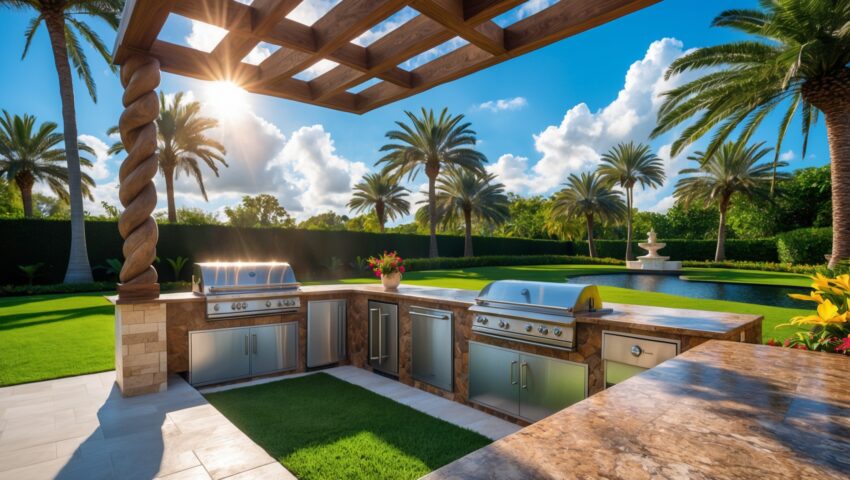
Introduction: Outdoor Kitchens—A Florida Dream with Practical Realities
Florida homeowners are increasingly drawn to the allure of outdoor kitchens, transforming backyards into vibrant spaces for entertaining and relaxation. The Sunshine State’s climate is ideal for al fresco dining nearly year-round, and an outdoor kitchen can boost both your lifestyle and your property value. But before firing up the grill, it’s crucial to understand the unique considerations involved in building an outdoor kitchen in Florida. From navigating complex permit requirements and budgeting for weather-resistant materials to ensuring hurricane resilience and staying compliant with local codes, this upgrade brings both opportunity and responsibility. In this comprehensive guide, we’ll walk you through every step—helping you avoid common mistakes, make smart investments, and create a safe, durable, and beautiful outdoor kitchen that stands up to Florida’s climate and legal demands.
Understanding Florida’s Outdoor Kitchen Permit Landscape
Why You Need Permits—And What Triggers Them
Permits for outdoor kitchen installations in Florida aren’t just a formality—they’re a legal necessity. Any project involving electrical, plumbing, or structural changes (such as building a roofed structure or adding gas lines) will require permits from your local building department. Unpermitted work can result in fines, forced removal, or insurance denials after an incident. Even simple grill islands may need approval if they connect to utilities.
Types of Permits Required
- Building Permit: Required for structural changes, including countertops, built-in grills, and overhead covers.
- Electrical Permit: Mandatory for wiring appliances, lighting, or installing outlets.
- Plumbing Permit: Needed if you’re adding sinks, ice makers, or gas lines.
- Mechanical Permit: Sometimes required for vent hoods or refrigeration units.
How to Apply and What to Prepare
Start by visiting your city or county’s building department website. Most require scaled site plans, equipment specs, and contractor information. If you live in a community with a Homeowners Association (HOA), you may need additional approval. Expect to provide:
- Plot plan showing kitchen location
- Detailed construction drawings
- Product data sheets for appliances
- Proof of contractor’s license and insurance
Allow several weeks for review and potential revisions. Permitting fees can range from $100 to $1,000+, depending on project size and municipality.
Budgeting for a Florida Outdoor Kitchen: Know Before You Build
Typical Cost Breakdown
Outdoor kitchen costs in Florida vary widely, but most projects fall in the $7,000–$30,000+ range. Here’s where your money typically goes:
- Appliances (grill, fridge, sink): $2,500–$10,000+
- Countertops & Cabinets: $1,500–$8,000
- Flooring & Patio: $1,000–$5,000
- Electrical/Plumbing: $1,000–$5,000
- Roofing/Covered Structure: $2,000–$12,000
- Permits & Professional Fees: $500–$2,000
Opting for high-end appliances, custom stonework, or extensive roofing can push costs higher. Conversely, a modest grill island with a simple countertop can be accomplished for less—provided you’re mindful of code requirements.
Hidden Expenses to Watch Out For
- Site Preparation: Leveling, grading, or adding drainage for Florida’s sandy soils can add $500–$3,000.
- Hurricane-Resistant Features: Upgrading to wind-rated materials and anchors may add 10–20% to your budget.
- Insurance Premiums: Some upgrades can increase coverage costs—check with your insurer before breaking ground.
- HOA Fees: Some communities require architectural review fees.
Budgeting Best Practices
- Get at least three itemized quotes from licensed contractors.
- Ask for references and proof of insurance.
- Set aside a 10–15% contingency for surprises.
- Factor in ongoing maintenance costs (cleaning, sealing, repairs).
Choosing Weather-Resistant Materials and Appliances
Materials That Withstand Florida’s Elements
Florida’s climate—sun, salt, humidity, and hurricanes—demands robust materials. Choose finishes and appliances designed for high-moisture and coastal conditions.
- Cabinetry: Marine-grade polymer, stainless steel (304 or 316 grade), or sealed stone.
- Countertops: Granite, quartzite, or sealed concrete. Avoid porous stones that stain or crack in humidity.
- Flooring: Non-slip porcelain tile, concrete, or pavers.
- Appliances: Outdoor-rated grills, refrigerators, and ice makers—look for corrosion resistance and waterproof electrical components.
Protection Against Sun, Salt, and Storms
- Use UV-resistant finishes to prevent fading and cracking.
- Install covers for appliances or choose models with built-in weatherproofing.
- If you’re near the coast, upgrade all metal to 316 marine-grade stainless steel to resist corrosion.
- Seal countertops and grout annually.
Designing for Hurricane Resilience and Safety
Anchoring and Wind Resistance
Florida building codes require outdoor structures to withstand high winds. Here’s how to comply:
- Anchoring: Secure cabinets, countertops, and appliances to concrete pads with hurricane-rated anchors.
- Roof Structures: Pergolas or pavilions must be engineered for local wind loads (usually 140+ mph in coastal zones).
- Appliance Covers: Install locking covers or removable panels to prevent wind damage.
Flood and Drainage Considerations
- Build on slightly elevated pads to avoid water pooling.
- In flood zones, check if appliances must be installed above base flood elevation (BFE).
- Install French drains or permeable pavers to manage runoff.
Fire and Electrical Safety
- Maintain clearances specified by manufacturer and code between grills and flammable materials.
- Use GFCI outlets and weatherproof covers for all outdoor electrical points.
- Install shutoff valves for gas and water lines.
Common Mistakes to Avoid in Florida Outdoor Kitchen Projects
- Skipping Permits: Work without permits can result in fines and insurance denials.
- Underrating Wind Loads: Using non-rated materials puts your investment at risk during storms.
- Poor Drainage Planning: Standing water accelerates deterioration and can attract pests.
- Using Indoor Appliances: Only outdoor-rated equipment is safe for Florida’s climate.
- Ignoring HOA Rules: Some communities restrict outdoor kitchens or require specific designs.
Insurance Essentials for Your Outdoor Kitchen
Covering Your Investment
Many homeowners assume their policy automatically covers outdoor kitchens. In reality, coverage varies significantly. Some policies treat built-in kitchens as “other structures,” potentially limiting reimbursement. Portable grills or non-permitted work may be excluded entirely.
Tips for Ensuring Adequate Coverage
- Notify your insurer before construction begins.
- Submit permits and contractor documentation for proof of compliance.
- Consider a policy endorsement for outdoor structures.
- Keep receipts and take photos of the completed project.
Review your hurricane and flood coverage specifically—standard policies often exclude flood and wind-driven rain damage to outdoor features.
Step-by-Step Outdoor Kitchen Setup: From Planning to Final Inspection
- Step 1: Research HOA and City/County Requirements
Check restrictions and gather application materials. - Step 2: Develop a Detailed Plan
Work with a licensed designer or contractor to create a scaled plan. - Step 3: Apply for Permits
Submit plans, product data, and contractor credentials. - Step 4: Site Preparation
Grade, level, and install drainage if needed. - Step 5: Install Utilities
Licensed professionals should install electrical, plumbing, and gas lines to code. - Step 6: Build Structures and Install Appliances
Use hurricane-rated anchors and weatherproof materials. - Step 7: Final Inspections
Schedule required city/county inspections for each trade. - Step 8: Insurance Documentation
Update your policy and file all paperwork.
Outdoor Kitchen Maintenance Best Practices
Protecting Your Investment Year-Round
- Clean grills and surfaces after each use to prevent corrosion.
- Seal stone and grout at least once per year.
- Inspect anchors, fasteners, and structures before hurricane season.
- Check gas and water lines for leaks every 6 months.
- Cover appliances when not in use, especially during summer storms.
Routine care not only extends the life of your outdoor kitchen but is often required to maintain insurance coverage and compliance.
Conclusion: Build Smart, Enjoy More—The Florida Outdoor Kitchen Advantage
Creating an outdoor kitchen in Florida isn’t just about adding value or curb appeal—it’s about enhancing your lifestyle and making the most of the state’s unique climate. However, the path to a safe, compliant, and long-lasting outdoor kitchen is paved with essential steps: securing the right permits, selecting weather-resistant materials, budgeting realistically, and designing for hurricane resilience. By understanding the legal landscape and investing in quality, you protect your family and your investment, avoid costly mistakes, and ensure your outdoor oasis won’t become a liability when storms hit. Don’t cut corners on compliance or materials—your insurance, safety, and peace of mind depend on it.
Remember, every Florida county and city has its own codes and requirements. Always consult local authorities and work with licensed professionals to avoid pitfalls. With careful planning and ongoing maintenance, your outdoor kitchen will serve as a hub for family gatherings, celebrations, and everyday relaxation for years to come—rain, shine, or hurricane season. Enjoy the Florida lifestyle, but build it on a foundation of knowledge and diligence so you can savor every moment outdoors, worry-free.
The article mentions that even simple grill islands can require permits if they connect to utilities. How can homeowners figure out exactly which aspects of their planned outdoor kitchen design will trigger the need for permits in their specific county?
Homeowners should start by contacting their local county building department, as permit requirements can vary widely across Florida. Ask specifically about utility connections like gas, electric, and plumbing, since these usually trigger permits. It helps to share your detailed design plans with officials, so they can point out which features require approval. Some counties also have online resources or checklists outlining what needs permits.
After reading about the insurance risks of unpermitted work, I’m worried about compliance. If a contractor says a permit isn’t required for a specific installation, is there a way for homeowners to double-check this independently with local authorities?
You can definitely verify permit requirements on your own. Contact your local building or permitting office—either by phone, email, or in person—and describe your project in detail. They can confirm whether a permit is needed for your specific installation. This step helps protect you from future insurance or legal issues, regardless of what your contractor says.
We’re hoping to DIY the install to save money, but I’m concerned about getting permits right and not running into code problems later, especially during hurricanes. Are there common mistakes homeowners make in this process that I should watch out for?
When DIY-ing an outdoor kitchen in Florida, some common mistakes are skipping permits, not following wind-resistant building codes, and improper gas or electrical work. Double-check local permit requirements before starting, use hurricane-rated materials, and make sure all utility work is up to code. It’s also wise to keep thorough records of your build for future inspections or insurance.
You mentioned budgeting for weather-resistant materials—do you have any recommendations on which materials hold up best to the Florida climate, especially during hurricane season, without dramatically increasing project costs?
For Florida’s climate, especially with hurricanes in mind, consider using stainless steel for grills and cabinetry, as it’s highly resistant to rust and corrosion. Marine-grade polymer is also a good choice for cabinets; it resists moisture and salt air. For countertops, granite or concrete are durable and weather-resistant options. These materials offer strong protection without significantly raising your costs if you shop around and compare local suppliers.
If I want to keep my outdoor kitchen budget low, which weather-resistant materials offer a good balance between cost and durability, especially considering Florida’s humidity and hurricane risks?
For a budget-friendly yet durable outdoor kitchen in Florida, consider using stainless steel for appliances and cabinet frames, as it resists rust and moisture. For cabinetry, marine-grade polymer is cost-effective and handles humidity well. Concrete countertops offer good value and can withstand storms. Avoid wood, as it tends to warp in Florida’s climate. These materials provide a solid balance of affordability, durability, and weather resistance.
For homeowners who want to build in stages, like starting with just a grill and counter and maybe adding plumbing later, is it better to apply for all permits at once or do it in phases?
If you know you’ll eventually add features like plumbing, it’s usually more efficient to apply for all permits up front. This way, the permitting office reviews your complete plan, and you avoid potential complications or delays when expanding later. However, if your timeline or budget is uncertain, you can apply in phases, but each new permit process may involve extra fees and additional inspections.