

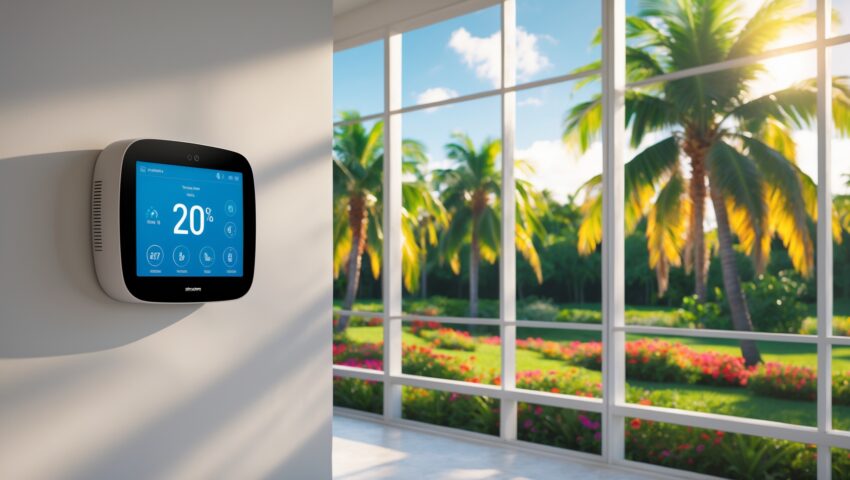
Introduction: The Florida Homeowner’s Smart Thermostat Opportunity
As Florida’s sweltering summers and unpredictable cold snaps put increasing pressure on residential HVAC systems, homeowners are looking for practical, cost-effective ways to manage comfort without skyrocketing energy bills. Smart thermostats have emerged as a popular solution, promising precise temperature control, remote access, and significant energy savings. But upgrading to a smart thermostat in Florida is more nuanced than simply swapping out your old device. From strict building code compliance to compatibility with existing systems, navigating the installation process requires careful attention to detail. This comprehensive guide demystifies the upgrade process, offering Florida-specific advice on legal requirements, budgeting, energy savings, and maintenance. Whether you’re a tech enthusiast or a cautious first-timer, you’ll find actionable insights to ensure your upgrade delivers real value—and avoids costly mistakes.
Understanding Smart Thermostats: Features and Florida Benefits
What Makes a Thermostat “Smart”?
Unlike traditional programmable thermostats, smart thermostats leverage Wi-Fi connectivity, machine learning, and sensor data to optimize your home’s heating and cooling schedule. Key features include:
- Remote control via smartphone apps
- Learning algorithms that adapt to your schedule
- Integration with smart home ecosystems (Alexa, Google Home, Apple HomeKit)
- Energy usage reports and actionable insights
- Geofencing to adjust temperatures based on your location
Why Florida Homes Benefit Most
Florida’s climate patterns—high humidity, sudden storms, and long cooling seasons—create unique challenges:
- Smart thermostats can optimize usage during peak demand, reducing stress on HVAC equipment.
- Humidity control features help maintain comfort and prevent mold growth.
- Energy usage reports enable homeowners to adjust habits and capture rebates from Florida utilities.
Compliance and Permitting in Florida: Legal Considerations
Florida Building Code and Electrical Requirements
While replacing a thermostat may seem minor, Florida Building Code (FBC) and the National Electrical Code (NEC) set clear guidelines:
- Low-Voltage Wiring: Most smart thermostats operate on low-voltage circuits (24V). DIY swaps are generally allowed, but any modification to high-voltage wiring requires a licensed electrician.
- HVAC System Compatibility: Florida’s high-efficiency heat pumps and multi-stage cooling systems may require specific thermostat models or professional installation to avoid code violations.
- Permits: In most Florida counties, replacing an existing thermostat does not require a permit if low-voltage. However, new thermostat locations, rewiring, or integration with other systems (like zoning or dehumidifiers) may trigger permit needs. Always check with your local building department.
Common Compliance Mistakes
- Bypassing safety switches: Some DIYers accidentally bypass float switches or emergency shutoffs, which are critical for flood and condensation control in Florida homes.
- Incorrect wiring: Mismatched wiring can damage both thermostat and HVAC equipment—especially with Florida’s variable-speed systems.
- Improper placement: Florida code requires thermostats to be installed away from direct sunlight, drafts, or heat sources.
Cost Breakdown: What Florida Homeowners Should Expect
Hardware Costs
Smart thermostat prices vary widely by brand and features:
- Basic Wi-Fi thermostats: $60–$120
- Learning smart thermostats (e.g., Nest, ecobee): $130–$250
- Advanced models with room sensors/humidity control: $200–$350
Installation Costs
Installation costs depend on your system type and installation complexity:
- DIY installation: Usually free, but only advisable if you have compatible wiring (see below).
- Professional installation: $125–$250 for basic swap; $200–$500 if additional wiring, new location, or system integration is required.
- Additional costs: Adding a C-wire (common wire) for power can cost $100–$300 if your system doesn’t have one.
Rebates and Incentives
Many Florida utility companies offer rebates ranging from $50 to $150 for ENERGY STAR certified smart thermostats. Check with:
- Florida Power & Light (FPL)
- Duke Energy Florida
- Tampa Electric (TECO)
Some insurance companies may also provide premium discounts for smart home upgrades that include energy and safety automation.
Smart Thermostat and HVAC Compatibility in Florida
Common Florida HVAC Systems
- Heat pump systems (common for cooling-dominant climates)
- Multi-stage and variable-speed air conditioners
- Dual-fuel systems (less common, but present in North Florida)
Assessing Compatibility
Before purchase, identify:
- Number and function of your current thermostat wires
- Type of HVAC system (single-stage, multi-stage, heat pump, etc.)
- Presence of a C-wire (needed for most smart thermostats)
Manufacturers like Nest, ecobee, and Honeywell offer online compatibility checkers. For Florida’s high-efficiency or complex systems, consult your HVAC pro before purchase.
Step-by-Step Setup: Smart Thermostat Installation in Florida Homes
Step 1: Pre-Installation Checklist
- Turn off power to your HVAC system at the breaker panel.
- Label each wire connected to your current thermostat using included stickers or masking tape.
- Take a clear photo of the wiring for reference.
- Check for a C-wire. If missing, research your thermostat’s compatibility or consider a professional installation.
- Confirm your Wi-Fi password and have your smartphone ready.
Step 2: Removing the Old Thermostat
- Carefully remove the thermostat cover and unscrew the baseplate.
- Disconnect each wire, keeping them labeled and separated.
- Inspect wiring for corrosion or damage—replace as needed.
Step 3: Installing the Smart Thermostat
- Mount the new baseplate, using a level for accuracy.
- Connect wires to the appropriate terminals, referencing your photo and labels.
- Secure the thermostat faceplate and restore power at the breaker.
- Follow the on-screen setup instructions to connect to Wi-Fi and your HVAC system.
Step 4: Initial Configuration
- Set your preferred temperature schedule, taking advantage of Florida’s utility time-of-use rates if available.
- Enable humidity control or dehumidification features, if supported.
- Set up geofencing or occupancy sensors for automatic adjustments.
- Download the manufacturer’s app and test remote access.
When to Call a Pro
- If you have a heat pump with auxiliary/emergency heat
- If your system has more than four wires or unclear labeling
- If you lack a C-wire or need to run new wiring
- If you’re integrating with zoning systems, dehumidifiers, or advanced controls
Energy Savings: Real-World Data and Florida Case Studies
How Much Can You Save?
ENERGY STAR estimates that smart thermostats can save 8–12% on heating and 15% on cooling annually. In Florida, where cooling accounts for up to 40% of annual energy use, this translates to $100–$180 per year for an average home.
Florida Case Study: Tampa Suburb Retrofit
- Home: 2,000 sq. ft., 1990s construction, central heat pump
- Old system: Manual thermostat, set at 74°F 24/7
- Upgrade: ecobee SmartThermostat, programmed for 78°F during work hours, 74°F evenings/weekends
- Results (first year): Cooling costs dropped by 17% (~$160 savings), improved comfort, and utility rebate of $100
Tips for Maximizing Savings in Florida
- Set cooling to 78°F when home, 82°F when away (U.S. Dept. of Energy recommendation)
- Use humidity control to prevent unnecessary cooling cycles
- Pair with ceiling fans for perceived comfort at higher temperatures
- Check utility for demand response programs (some pay you to allow minor temperature adjustments during peak periods)
Insurance and Warranty Considerations
Smart Home Insurance Perks
Some Florida insurers recognize smart thermostats as a risk-reducing upgrade, offering:
- Premium discounts for smart home bundles (thermostat, smoke detectors, leak sensors)
- Faster claim processing for documented energy and equipment monitoring
Always inform your insurer after installation and provide documentation for potential discounts.
Manufacturer Warranties
- Most smart thermostats carry 1–3 year warranties.
- Professional installation may be required to maintain warranty coverage, especially for complex HVAC systems.
Maintenance and Troubleshooting: Keeping Your Smart Thermostat Running Smoothly
Routine Maintenance Tips
- Update firmware regularly via the app to ensure security and performance.
- Clean thermostat face and sensors gently with a soft cloth.
- Replace HVAC filters regularly—clogged filters force more frequent cycling.
- Test Wi-Fi signal at the thermostat’s location; weak signals can disrupt scheduling and remote access.
Troubleshooting Common Florida Issues
- High humidity readings: Calibrate sensors or relocate thermostat away from bathrooms/kitchens.
- Short cycling: Check for wiring errors, incorrect settings, or oversized HVAC systems.
- Loss of connectivity: Upgrade your router or install a Wi-Fi extender for large homes.
- Battery warnings: Some thermostats use backup batteries for memory—replace as needed.
Debunking Myths: Smart Thermostats in Florida
- Myth: “Smart thermostats only save money in homes with regular schedules.”
Fact: Modern models use motion sensors and geofencing to adapt to irregular routines. - Myth: “They don’t work with Florida heat pumps.”
Fact: Most major brands now support heat pump systems—just verify compatibility before purchase. - Myth: “Smart thermostats are too complicated for older residents.”
Fact: Apps can be as simple as a single-button interface, and voice assistants make control easy. - Myth: “There’s no point if you rent.”
Fact: Many smart thermostats are easily removable; just get landlord approval and save on utilities while you live there.
Conclusion: Future-Proofing Your Florida Home with Smart Climate Control
Upgrading to a smart thermostat is more than a tech trend—it’s a strategic investment in your Florida home’s comfort, efficiency, and long-term value. By planning carefully, verifying compliance with state and local codes, and choosing a model tailored to your specific HVAC system, you’ll not only reduce your energy bills but also position your property for future smart home integrations. The real-world savings and rebates available to Florida homeowners make smart thermostats a rare upgrade that pays for itself in just a few years. With added benefits like humidity management, remote access, and potential insurance discounts, this is one of the most impactful improvements you can make for year-round peace of mind. Whether you’re a DIYer or prefer professional help, use the tips and best practices in this guide to avoid costly mistakes and unlock the full potential of your home’s climate control. As technology and climate demands evolve, a smart thermostat ensures your investment remains both resilient and responsive—just like the best Florida homes.
How do the energy usage reports from smart thermostats actually help in capturing rebates from Florida utilities? Can you give an example of how this process works or if certain brands make this easier?
Energy usage reports from smart thermostats help by providing detailed proof of your energy-saving actions, which many Florida utilities require to process rebates. For example, after installing a smart thermostat, you can download monthly usage reports that show reduced consumption. Some brands like Nest and Ecobee offer user-friendly reports and even automate rebate application forms, making it easier to submit what utilities ask for. Always check your utility’s rebate requirements, but having these reports typically streamlines the process.
I see that smart thermostats in Florida offer humidity control to help prevent mold. Are there specific models recommended for homes near the coast where salt air and high moisture can impact electronics?
For homes near the coast in Florida, it’s wise to look for smart thermostats that are rated for high humidity and have sealed electronics to withstand salt air. Models like the Honeywell T9, ecobee SmartThermostat, and Nest Learning Thermostat are popular choices, as they offer robust humidity sensors and are built with durable materials. Installing your thermostat in a less exposed area and using a protective cover can also help extend its life in coastal environments.
Are there any local Florida utility companies currently offering rebates or incentives for installing smart thermostats, and if so, what’s the process for homeowners to apply for these savings?
Yes, several Florida utility companies do offer rebates and incentives for installing smart thermostats. For example, Florida Power & Light (FPL) and Duke Energy Florida have periodic rebate programs. Homeowners can typically apply by first purchasing and installing a qualifying smart thermostat, then submitting a rebate application online through their utility’s website along with proof of purchase. It’s best to check your local utility’s website for current offers, eligibility details, and step-by-step instructions.
I like the idea of remote control and humidity features, but I’m on a tight budget. What should I expect to pay for both the device and professional installation in Florida, and are there any cost-saving tips for small business owners?
For a smart thermostat with remote control and humidity features, expect to pay between $100 and $250 for the device itself. Professional installation in Florida usually ranges from $100 to $200, depending on the installer and complexity. Small business owners may qualify for local utility rebates or tax incentives, so check with your energy provider. Also, compare models—some budget-friendly brands offer the features you need without extra costs.
You mentioned both energy savings and possible rebates from Florida utilities. How can I find out which rebates are currently available and if there are certain smart thermostat brands that qualify for them?
To check current rebates, visit your utility provider’s website and look for their energy efficiency or rebate programs. They usually list eligible smart thermostat brands and models. You can also call their customer service for up-to-date details. Make sure to review the specific requirements, as some rebates only apply to certain brands or ENERGY STAR certified devices.
This guide mentions rebates from Florida utilities for energy savings. Can you explain how to see if I qualify for those rebates and how the process usually works after installing a smart thermostat?
To check if you qualify for utility rebates in Florida, visit your electric utility’s website and look for their energy efficiency or rebate section. They usually list eligible smart thermostat models and requirements. After installing the thermostat, you’ll typically need to submit proof of purchase, installation details, and sometimes photos or an account number. Once submitted, the utility will review your application and, if approved, send your rebate by mail or as a bill credit.
For someone working on a tight budget, what are the upfront and possible hidden costs I need to be aware of when switching to a smart thermostat in Florida? Are there installation or compatibility issues that typically drive up the total price?
When upgrading to a smart thermostat in Florida on a tight budget, expect an upfront cost of $70 to $250 for the device itself. Additional costs may include professional installation fees, usually around $100 to $200, especially if your home’s wiring isn’t compatible or you lack a C-wire. Some systems may require adapters or new wiring, which can add to labor costs. Always check device compatibility with your HVAC system to avoid surprises.