

Introduction
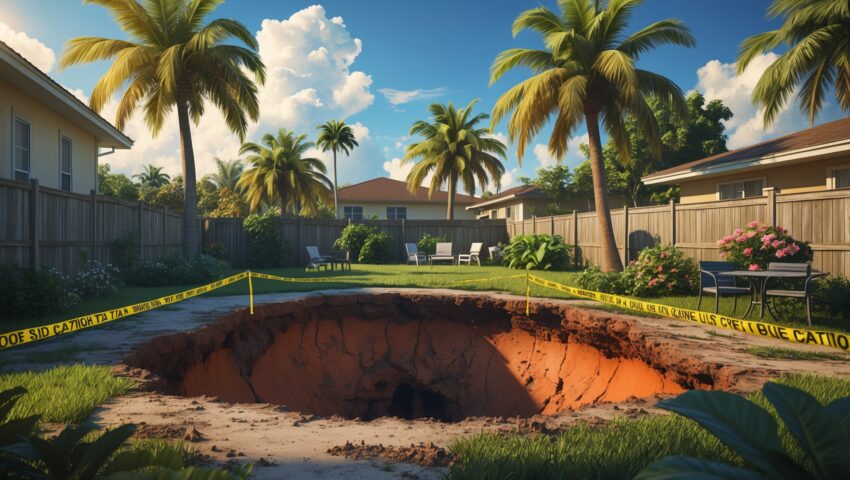
Florida’s unique geological makeup, with its porous limestone bedrock and high water table, makes it especially susceptible to sinkholes. For homeowners, the sudden appearance of a sinkhole can be both alarming and overwhelming, raising immediate concerns about property safety, insurance coverage, legal responsibilities, and repair costs. Navigating a sinkhole damage claim in Florida is a complex process that involves working with insurance adjusters, understanding state and local permitting requirements, and coordinating with specialized contractors for remediation. Without a clear roadmap, homeowners may find themselves facing delays, denied claims, or incomplete repairs—potentially putting their property, finances, and safety at risk.
This comprehensive guide is designed to demystify the process for Florida homeowners dealing with sinkhole damage. We’ll explore the step-by-step approach to filing insurance claims, the permitting landscape you must navigate before repairs begin, and the most effective strategies for restoring your property. Whether you’re dealing with a minor depression or a catastrophic collapse, this resource will empower you with actionable knowledge to ensure that your home is repaired legally, safely, and efficiently.
Understanding Sinkholes in Florida
Why Are Sinkholes Common in Florida?
Florida’s landscape is defined by karst topography, where limestone dissolves over time due to acidic groundwater, creating underground voids. When the surface layer can no longer support itself, it collapses, forming a sinkhole. This natural process is accelerated by factors such as heavy rainfall, drought, construction, and groundwater pumping.
Types of Sinkholes Affecting Homes
- Cover-collapse sinkholes: Sudden, dramatic surface collapses—most dangerous for structures above.
- Cover-subsidence sinkholes: Gradual depressions caused by slow soil movement, often leading to subtle property damage before becoming apparent.
- Solution sinkholes: Develop slowly and are less likely to directly impact homes but can alter drainage patterns and foundations.
Recognizing the Warning Signs
Early detection can prevent catastrophic damage and support successful insurance claims. Common warning signs include:
- Cracks in interior walls, floors, or exterior foundations
- Doors and windows that suddenly stick or won’t close properly
- New depressions or soft spots in your yard
- Tilting fences, trees, or utility poles
- Unusual pooling of water after rain
If you observe these symptoms, document them with photos and written notes, as this evidence will be crucial for insurance and permitting processes.
Immediate Steps After Discovering a Sinkhole
1. Ensure Safety First
- Evacuate the area around the sinkhole.
- Keep children and pets away.
- Mark or cordon off the affected area with visible tape or barriers.
- Contact local emergency services if the sinkhole poses an immediate threat to life or utilities.
2. Notify Your Insurance Company Immediately
Prompt notification is critical. Most policies require quick reporting for coverage eligibility. Provide clear descriptions and initial photos. Ask for a claim number and keep all communication documented.
3. Contact Local Authorities
Some municipalities require reporting sinkholes to local building departments or geological agencies. Check your county’s regulations and notify as required. This can also help in coordinating emergency inspections if necessary.
Filing a Sinkhole Damage Insurance Claim in Florida
Understanding Your Coverage
Florida law mandates that homeowner insurance policies cover “catastrophic ground cover collapse,” but not all sinkhole damage unless you have additional sinkhole coverage. Review your policy for specifics:
- Catastrophic ground cover collapse: Only covers cases where the structure is condemned and uninhabitable.
- Sinkhole coverage endorsement: Additional premium coverage for less severe, but still costly, sinkhole damage.
Key Steps in the Claim Process
- File your claim: Call your insurer and provide a detailed report.
- Adjuster inspection: The insurance company assigns an adjuster to inspect the property. Make sure you’re present to answer questions and clarify damage.
- Engineering evaluation: Insurers typically bring in a licensed geotechnical engineer to confirm whether the damage is due to a sinkhole.
- Report findings: The engineer submits a written report. If sinkhole activity is confirmed, the insurer must initiate coverage as defined in your policy.
- Claim decision: The insurance company will approve, deny, or request further investigation. If denied, you have the right to dispute or request neutral evaluation through the Florida Department of Financial Services.
Tips for Smooth Claims
- Document everything: Take photos, keep receipts, and log all correspondence.
- Request copies: Obtain all engineering and adjuster reports.
- Stay proactive: Follow up regularly, and don’t hesitate to escalate if response times lag.
- Consult legal counsel: If your claim is denied or undervalued, a lawyer with sinkhole experience can help negotiate or litigate.
Permitting and Legal Compliance for Sinkhole Repairs
Why Permits Are Mandatory
Florida state law and most local ordinances require permits for structural repairs, major earthwork, and foundation stabilization related to sinkhole damage. Skipping permits can jeopardize insurance coverage, future home sales, and safety.
Common Permits Required
- Building permits: For structural foundation and major repairs.
- Earthwork or grading permits: For soil stabilization, excavation, and fill work.
- Environmental permits: Sometimes required if repairs impact wetlands, stormwater management, or protected habitats.
Permitting Process Step-by-Step
- Hire licensed professionals: Only licensed contractors and engineers should design and oversee repairs. Their credentials are required for permit applications.
- Submit plans: Detailed engineering reports, repair plans, and site maps are submitted to the local building department.
- Pay fees: Permit fees vary by county—expect costs from $200 to $2,000 depending on the scope.
- Wait for review: Most jurisdictions require plan review, which can take days to weeks.
- Schedule inspections: Critical repair stages will be inspected by local officials before work continues.
Best Practices for Compliance
- Work only with licensed, insured contractors.
- Do not begin repairs before permits are issued.
- Keep all permits and inspection records for your files and future property disclosures.
Sinkhole Repair Strategies: What Works in Florida
Common Repair Methods
- Compaction grouting: Injection of cement-like grout beneath the foundation to fill voids and stabilize soil. Effective for most residential sinkhole repairs.
- Underpinning: Installing steel piers or piles to support the foundation on stable soil or bedrock. Used for severe or recurring sinkholes.
- Chemical grouting: Injecting polyurethane or similar materials to seal smaller voids and improve soil cohesion.
- Excavation and replacement: Removing unstable soil and backfilling with engineered fill, followed by landscaping restoration.
Choosing the Right Contractor
- Seek companies specializing in sinkhole remediation with proven Florida experience.
- Verify all licenses and insurance—ask for proof.
- Request references and reviews from previous Florida projects.
- Insist on written contracts detailing work scope, materials, timeline, and cleanup responsibilities.
Cost Breakdown
- Engineering and testing: $3,000 – $8,000
- Compaction grouting: $10,000 – $30,000 (varies by depth, volume, and location)
- Underpinning: $20,000 – $100,000+ for large or complex homes
- Landscaping and finishing: $2,000 – $10,000
Insurance may cover much of these costs, but homeowners are often responsible for deductibles and cosmetic repairs. Always obtain multiple quotes and confirm what your policy covers before work begins.
Insurance Settlement: What to Expect
Timeline for Resolution
The claim process can take weeks to months, depending on the complexity. Florida law requires insurers to acknowledge claims within 14 days and make a coverage decision within 90 days in most circumstances.
Settlement Payments
- Payments are usually issued directly to the homeowner or jointly to the homeowner and contractor.
- Some insurers withhold a portion of payment until repairs pass final inspection.
- Keep meticulous records of all expenditures and work performed for reimbursement.
Disputing Claim Denials
- Request a neutral evaluation through the Florida Department of Financial Services—a low-cost way to resolve disputes with insurers.
- Consult with a public adjuster or attorney if the insurer’s offer is inadequate.
- Appeal any denial promptly; deadlines apply.
Post-Repair: Documentation, Disclosure, and Maintenance
Final Inspections and Compliance
After repairs, schedule all required inspections with the local building department. Final approval is necessary to close permits and restore your Certificate of Occupancy.
Maintain a Comprehensive Record
- Save all permits, inspection reports, engineering evaluations, and repair receipts.
- These documents are vital for future insurance, resale, and mortgage transactions.
Disclosure for Future Sales
Florida law requires homeowners to disclose known sinkhole repairs and damage to prospective buyers. Full transparency protects you from legal liability and ensures accurate property valuation.
Ongoing Maintenance
- Monitor for recurring cracks, depressions, or drainage issues.
- Schedule periodic inspections by a qualified engineer if your property is in a high-risk area.
- Maintain proper drainage and avoid heavy water accumulation near your foundation.
Frequently Asked Questions
Is all sinkhole damage covered by insurance in Florida?
No. Standard policies cover only catastrophic ground cover collapse unless you purchase additional sinkhole coverage. Always review your policy and consider an endorsement for broader protection.
Can repairs start before an insurance claim is finalized?
Only emergency safety measures should be taken before the claim is processed and permits are secured. Unauthorized repairs can void coverage and result in fines.
How long do sinkhole repairs typically take?
Most residential sinkhole repairs take several weeks, depending on the severity and permitting process. Complex cases may last several months.
What should I do if my neighbor’s sinkhole threatens my property?
Notify your insurer and local building department immediately. Document any encroaching damage. Legal action may be required if property lines or safety are impacted.
Conclusion
Dealing with sinkhole damage is a uniquely Floridian challenge, but it doesn’t have to be a nightmare. By understanding your insurance coverage, acting quickly to document and report damage, and following Florida’s permitting and repair protocols, you can protect your investment and your family’s safety. The key is diligence—engage qualified professionals, maintain organized records, and never cut corners on compliance. While the process can seem daunting, each step is designed to ensure that your home is restored on a solid, stable foundation, both literally and legally.
Remember, transparency and documentation are your best allies in the claims and repair journey. Don’t hesitate to seek legal or engineering expertise if you encounter obstacles with insurers or contractors. Most importantly, after repairs, stay vigilant for new warning signs and keep all records accessible for future needs. By taking an informed, methodical approach, Florida homeowners can emerge from sinkhole setbacks with peace of mind and a structurally sound home—ready for whatever the Sunshine State’s geology brings next.
When you mention coordinating with specialized contractors for remediation, do you have recommendations on what credentials or certifications these contractors should have to ensure high-quality repairs?
When choosing a contractor for sinkhole remediation, look for those who are licensed as general contractors in Florida and have experience specifically with sinkhole or foundation repair. Ideally, they should carry certifications such as a Professional Engineer (PE) on staff for oversight and be members of professional organizations like the Deep Foundations Institute or the International Association of Foundation Drilling. Always check for proof of insurance and ask for references from past sinkhole repair projects.
If a minor depression appears in my property’s parking lot, does the insurance claim process differ if it hasn’t caused structural damage yet? Should I file immediately or wait until it gets worse, and could early filing impact my premiums or coverage options?
If you notice a minor depression, it’s usually better to report it to your insurer promptly, even if there’s no structural damage yet. Early filing helps document the issue and can lead to a quicker response if the problem worsens. Waiting may risk claim denial if the insurer feels prompt notice wasn’t given. Filing early typically won’t impact your premiums unless a payout is made, but always check your policy for specifics.
I’m a small business owner with a commercial property in Florida—does the claims and permitting process for sinkhole damage differ for businesses compared to residential homeowners, or are the steps basically the same as described here?
The general process for filing a sinkhole damage claim—like notifying your insurer, getting inspections, and securing permits—is similar for both commercial and residential properties in Florida. However, commercial policies and local permitting may have extra requirements or different coverage terms. It’s worth reviewing your specific insurance policy and checking with your local permitting office to understand any business-related differences.
You mention different types of sinkholes that can affect homes. When working with insurance or contractors, how important is it to accurately identify the sinkhole type, and does it impact the coverage or repair strategy?
Identifying the specific type of sinkhole is very important when working with insurance and contractors. Insurance policies may only cover certain types, like catastrophic ground cover collapse, and the repair approach can differ depending on the sinkhole’s cause and severity. Accurate identification ensures you get the right coverage, helps avoid claim disputes, and allows contractors to choose the safest and most effective repair methods.
I’m interested in learning more about how drought and heavy rainfall contribute to increased sinkhole risk. Are there preventative measures homeowners can take to reduce the chances of sinkhole formation near their homes?
Drought can cause groundwater levels to drop, weakening the support for underground limestone, while heavy rainfall quickly recharges the ground, potentially causing the limestone to dissolve and cavities to collapse—leading to sinkholes. To help reduce risk, homeowners should manage drainage around their property, avoid over-irrigation, and repair plumbing leaks promptly. It’s also wise to stay informed about local ground stability and consult professionals if you notice cracks or ground settling.
I’m curious how insurance handles gradual depressions like cover-subsidence sinkholes compared to sudden collapses. Are claims more likely to be approved for one type versus the other, or are they treated the same way?
Insurance companies in Florida usually make a distinction between sudden collapse sinkholes and gradual subsidence, like cover-subsidence sinkholes. Sudden collapses are typically covered under standard sinkhole policies, as they’re considered structural hazards. Gradual depressions from subsidence, however, may not qualify unless there’s actual structural damage to the home. Claims for sudden collapses are more likely to be approved, while gradual cases often require more evidence and may be denied if the damage is only cosmetic.
What are some effective strategies for homeowners to prevent their sinkhole insurance claims from being denied or delayed during the adjustment process? Are there specific documents or steps that tend to make a difference based on your experience with Florida cases?
To help avoid claim denials or delays, it’s important to notify your insurance company as soon as you notice possible sinkhole damage. Take detailed photos of any cracks or changes, keep records of repairs and professional inspections, and save all related correspondence. Providing engineering reports, repair invoices, and proof of ongoing property maintenance can strengthen your claim. Staying organized and responding quickly to adjuster requests also makes a big difference during the process.
If a homeowner in Florida suspects a cover-subsidence sinkhole but the damage is still pretty subtle, is it generally better to wait until more noticeable signs appear before filing an insurance claim, or should you start the process as early as possible?
It’s best to start the insurance claim process as soon as you suspect a cover-subsidence sinkhole, even if the damage is still subtle. Early reporting helps document the issue from the outset and ensures your insurer can assess the situation before it worsens. Waiting could make it harder to prove the damage was caused by a sinkhole, which may affect your coverage or claim outcome.