

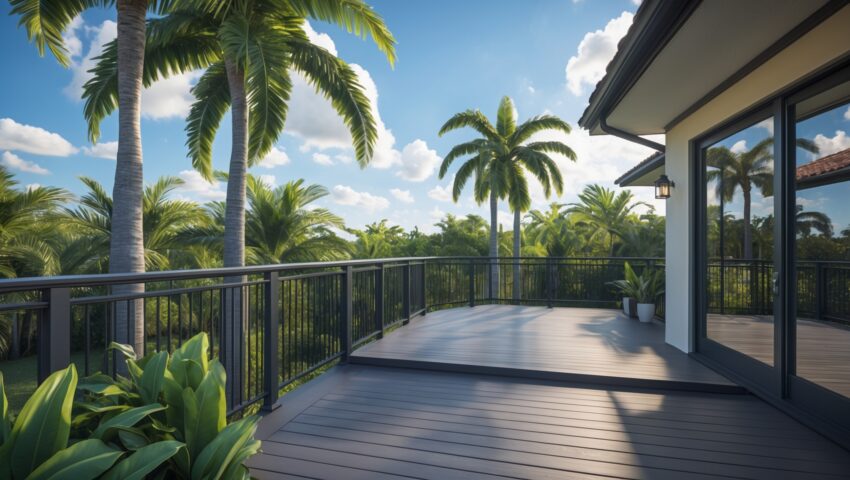
Florida’s climate makes outdoor living spaces a year-round asset, but with the state’s notorious storms, humidity, and ever-evolving building codes, replacing a deck is anything but a weekend DIY. Homeowners face a maze of permitting rules, material choices, and wind-resistance requirements that can make or break the safety and longevity of a new deck. Whether your old wood deck is splintering or you’re planning a major upgrade for entertaining, understanding the process from permitting to hurricane-ready design is essential. This guide demystifies each step, from choosing code-compliant materials to budgeting, ensuring your new Florida deck is both beautiful and built to last.
Understanding Florida’s Deck Replacement Regulations
Why Permits Matter: Avoiding Costly Mistakes
Florida law requires building permits for almost all deck replacements or major repairs. Skipping this step can result in stop-work orders, fines, or even mandated removal. More critically, unpermitted decks may void your home insurance and complicate future sales. Local building departments enforce the Florida Building Code (FBC), which includes strict requirements due to hurricane risks and termite vulnerability.
Key Permit Requirements by County
- Site Plan Submission: Most counties require a detailed site plan showing the deck’s size, location, and distance from property lines.
- Structural Drawings: These must show post depths, beam sizes, fastener types, and railing details.
- Wind Load Calculations: Especially near the coast, you may need engineering to certify the deck can withstand high winds.
- Flood Zone Compliance: If your property is in a flood zone, expect extra requirements for elevation and materials.
- Historic Districts: Some areas require design board approval before permitting.
Contact your local building department or check their online portals for application forms and fee schedules. Typical permit costs range from $150–$500 depending on scope and location.
Selecting the Right Deck Materials for Florida
Weather-Resistant Choices: What Lasts in Florida?
- Pressure-Treated Pine: Economical, but requires annual sealing and is susceptible to warping and termites.
- Composite Decking (e.g., Trex, TimberTech): Highly resistant to mold, rot, and fading, with minimal maintenance. Initial costs are higher but can save money in the long run.
- Tropical Hardwoods (e.g., Ipe, Cumaru): Naturally resistant to insects and moisture, but require oiling to maintain appearance and are more difficult to work with.
- Aluminum Decking: Rust-proof, non-combustible, and extremely durable, though can be hot to the touch in summer months.
Always choose materials labeled for ground contact and rated for Florida’s humid, salt-prone environment. Avoid untreated wood and low-end composites, which can degrade rapidly.
Hardware and Fasteners: The Small Details That Matter
- Stainless Steel or Hot-Dipped Galvanized: Essential for all fasteners, brackets, and anchors. Coastal air accelerates corrosion in standard hardware.
- Hidden Fastener Systems: Reduce splintering and create a cleaner surface, but ensure they are code-approved for deck spans.
Wind-Resistant Deck Design in Florida
Anchoring and Framing for Hurricanes
Florida building codes require decks to resist uplift and lateral forces from winds exceeding 120 mph in many areas. Key elements include:
- Deep Footings: Concrete footings must extend below the frost line and be sized for uplift resistance.
- Hurricane Ties: Metal connectors that secure joists and beams to posts and ledger boards, preventing lift-off.
- Ledger Attachment: Use structural bolts, not nails, to anchor the ledger to the house; flashing is required to prevent water intrusion.
- Continuous Load Path: Ensure every component is physically connected, from deck boards to footings.
Consult with a structural engineer if your deck is elevated, oversized, or exposed to open wind areas. Often, stamped engineering documents are required for permitting in high-velocity wind zones.
Railing and Stair Requirements
Florida code mandates railings for decks over 30 inches above grade. Railings must be at least 36 inches high, with balusters spaced so a 4-inch sphere cannot pass through. Stairs require non-slip treads and handrails at specific heights. Choose materials and designs that won’t loosen or corrode in the elements.
Budgeting and Cost Breakdown for Florida Deck Replacement
Major Cost Components
- Material Costs: Composite decking runs $8–$16 per square foot, while pressure-treated pine is $3–$7. Hardwoods and aluminum can exceed $20 per square foot.
- Labor: Professional installation is typically $20–$45 per square foot, depending on complexity and height.
- Permitting and Engineering: Budget $200–$1,000 for permits, drawings, and engineering, especially in coastal areas.
- Demolition and Disposal: Removing an old deck may add $500–$2,000, depending on materials and access.
- Extras: Lighting, custom railings, and integrated seating can quickly add $2,000–$10,000.
Tips for Cost Savings Without Cutting Corners
- Opt for simple rectangular designs to minimize waste and labor.
- Schedule work outside of peak hurricane season to avoid delays and surge pricing.
- Get multiple quotes and ask for itemized bids.
- Consider phased upgrades—replace the structure first, add features later.
Step-by-Step: The Florida Deck Replacement Process
1. Initial Assessment and Planning
Inspect your current deck’s structure for rot, insect damage, and code compliance. Take measurements and determine if you’ll keep the same footprint or expand. Check setbacks and zoning restrictions.
2. Design and Material Selection
Work with a licensed contractor or designer if needed. Choose materials, fasteners, railing types, and any extras. Prepare detailed drawings for permitting.
3. Permitting and Engineering
Submit plans and permit applications to your local building department. If required, obtain engineering for wind and flood compliance. Pay all fees. Wait for permit approval—this can take 1–4 weeks depending on volume and complexity.
4. Demolition and Site Prep
Remove the old deck, haul away debris, and clear the site. Mark footing locations and call 811 for utility locates before digging.
5. Construction and Inspections
- Build Footings and Frame: Pour concrete piers, set posts, and assemble the frame with hurricane connectors.
- Install Decking and Railings: Use manufacturer-recommended fasteners and spacing.
- Electrical and Lighting: Any electrical work must be done by a licensed electrician and inspected.
Most jurisdictions require inspections at key stages—footings, framing, and final.
6. Final Approval and Enjoyment
Once the final inspection passes, your permit will be closed out. Register improvements with your insurance provider and update your home inventory.
Common Pitfalls and How to Avoid Them
- Unpermitted Work: Don’t let a contractor start without an approved permit. Always verify with your local building department.
- Improper Fasteners: Using indoor-rated or non-galvanized fasteners is a recipe for rapid failure in Florida’s climate.
- Ignoring Wind Codes: Even inland, wind uplift is a leading cause of deck failures during storms. Overbuild rather than underbuild.
- Poor Drainage: Ensure the deck slopes slightly away from the house and includes gaps for water runoff.
- Skipping Maintenance: Even composites need periodic cleaning and inspection for loose connections.
Insurance and Documentation Essentials
Ensuring Coverage for Your New Deck
After your deck is replaced, notify your homeowner’s insurance. Provide:
- Permit and inspection records
- Photos of construction process
- Material receipts and contractor invoices
Some insurers offer premium discounts for wind-resistant upgrades. Check if your deck qualifies under your policy’s “attached structure” or “wind mitigation” provisions.
Maintenance Best Practices for Florida Decks
Protecting Your Investment Year-Round
- Annual Inspection: Check for loose fasteners, cracked boards, and signs of rot or insect activity.
- Cleaning: Pressure wash composites; use wood-safe cleaners for natural materials.
- Re-Sealing: Wood decks require sealing every 1–2 years; even composites benefit from UV protectant treatments.
- Storm Prep: Remove loose furniture and secure grill tanks before hurricanes.
Conclusion: Building Safer, Smarter Decks in Florida
Replacing a deck in Florida isn’t just about curb appeal—it’s about ensuring safety, durability, and compliance in one of the toughest climates in the U.S. From navigating the permit process to choosing materials that can stand up to the sun, salt, and wind, each step requires careful planning and an understanding of local codes. Skimping on permits or hardware can lead to structural failures, costly fines, or denied insurance claims down the line. By investing in hurricane-resistant design and maintenance, you not only protect your family and guests but also increase your property’s long-term value.
Take the time to do it right: consult with licensed professionals, budget realistically, and document every phase for your records and insurer. In the aftermath of a Florida storm, a well-built deck can be the difference between a quick cleanup and a major rebuild. With the right approach, your outdoor oasis will remain safe, stylish, and storm-ready for years to come.
For homeowners in coastal areas of Florida, could you clarify what kind of engineering certification is typically needed for wind load calculations during the deck permitting process? Is this something a standard contractor can provide, or does it have to come from a licensed structural engineer?
In coastal areas of Florida, wind load calculations for deck permitting typically require certification from a licensed structural engineer. Local building departments usually will not accept calculations or engineering letters from a standard contractor unless that contractor holds the necessary engineering credentials. It’s best to consult a structural engineer who is licensed in Florida to ensure your deck design meets all wind resistance and code requirements.
I’m planning a deck replacement mainly for entertaining, but my current deck wasn’t permitted. If I get a permit now, will the building department ask me to make changes to parts of my home not related to the deck?
If you apply for a permit just for your deck replacement, the building department will typically focus only on the new deck project itself. They usually won’t require you to make unrelated changes to other parts of your home. However, if inspectors notice serious safety issues elsewhere during their visit, they may be obligated to bring those to your attention. It’s always wise to clarify the scope of the inspection with your local building department before starting.
For properties in both a flood zone and a historic district, how do the permitting requirements typically interact? Should homeowners expect a much longer timeline for approvals, and are there any tips to streamline the process in these more regulated areas?
When your property is in both a flood zone and a historic district, permitting requirements from both local building and historic preservation boards, as well as floodplain management, usually apply, often leading to a longer approval timeline. Expect more detailed documentation and reviews. To help streamline the process, gather all required plans and historical documentation early, consult both departments before submitting, and consider hiring a professional familiar with local codes and historic guidelines.
How long does it usually take for a deck replacement permit to get approved in Florida, assuming all the site plans and structural drawings are ready? Is the process typically quick or are there a lot of delays?
Once you have all the required site plans and structural drawings ready, a deck replacement permit in Florida typically takes anywhere from a few days up to three weeks for approval. The exact timeline depends on your local building department’s workload and whether your application is complete and meets all code requirements. In some areas, minor projects move fairly quickly, but if there’s a backlog or additional information is needed, delays are possible.
You mentioned that most counties require wind load calculations for decks, especially near the coast. Is this something a homeowner can do with an online tool, or do I need to hire a professional engineer for certification?
While some online tools can help estimate wind loads, most Florida counties require wind load calculations to be certified by a licensed professional engineer, especially in coastal areas. This ensures your deck meets strict safety codes and passes inspection. It’s best to consult a local engineer who is familiar with your area’s requirements before starting your project.
Could you clarify how flood zone requirements for deck replacements might impact the choice of materials and structural design? I live in a designated flood zone and am concerned about added costs or limitations when planning my new deck.
Living in a flood zone does affect both the materials you can use and your deck’s structural design. You’ll likely need flood-resistant materials like composite decking or pressure-treated wood, as well as elevated foundations to meet code. Structural supports may need to be anchored or designed for water flow. These requirements can increase costs, but they’re essential for safety and code compliance. Consulting with your local building department is a good step to ensure you meet all regulations.
Are there significant differences in permit fees and required documentation between different Florida counties, or is the process fairly standardized across the state?
There are notable differences in permit fees and required documentation from one Florida county to another. While state building codes set general standards, each county (and even some cities) can have their own specific forms, fee schedules, and supplemental requirements. It’s important to check with your local building department for the exact procedures in your area before starting a deck replacement project.
I see the article mentions wind load calculations and possibly needing engineering certification, especially near the coast. If I’m replacing a simple ground-level deck that’s not attached to my house, do I still need to provide these calculations for a permit in most Florida counties?
For a simple, detached ground-level deck, most Florida counties have less strict requirements. Typically, wind load calculations and engineering certification are not needed unless the deck is above a certain height or will support heavy loads. However, each county has its own rules, so it’s best to check with your local building department to confirm exactly what documentation is necessary for your specific project.
I see you mention that unpermitted decks can void home insurance and complicate future sales in Florida. How can I check if my existing deck was properly permitted when it was built, and what should I do if paperwork is missing or unclear?
To check if your deck was properly permitted, contact your local building department—they can search property records and tell you if a permit was issued for your deck. If you can’t find documentation or if the records are unclear, consider hiring a licensed inspector or contractor to assess your deck for code compliance. If needed, you may need to apply for a retroactive permit to get everything up to code and avoid potential issues with insurance or future sales.
I noticed permit costs can range quite a bit. What factors typically push the fees to the higher end, and are there ways for homeowners to minimize the permit-related expenses when replacing a deck in Florida?
Permit fees for deck replacements in Florida can be higher if your project is large, involves complex designs, or is located in areas with stricter building codes, such as coastal or high-wind zones. Additional reviews like engineering or environmental assessments can also add to the cost. To help minimize expenses, provide thorough and accurate plans upfront, clarify requirements with your local building department, and consider simpler designs that still meet safety standards.
If my house is in a historic district, could design board approval slow down the process significantly, and are there specific design restrictions I should know about when planning a new deck?
Yes, being in a historic district can add extra time to your deck replacement project. The design board often needs to review and approve your plans to ensure they match the historic character of the neighborhood. Common restrictions may include requirements for certain materials, railing styles, colors, or deck placement. It’s a good idea to contact your local historic preservation board early to learn about specific guidelines and start the approval process as soon as possible.
You mention wind load calculations, especially near the coast. Does this mean I’ll always need a structural engineer to sign off on my deck plans, or are there some standard designs that already meet the wind-resistant requirements for Florida homeowners?
You won’t always need a structural engineer to sign off, but it depends on your situation. Many Florida municipalities accept standard, pre-engineered deck plans that meet local wind-resistance codes, especially for typical deck sizes and heights. However, if your location is in a high-wind zone or your design is unique or larger than standard, a structural engineer’s input may be required. Always check with your local building department first to see which option applies to your project.
Could you clarify what kinds of engineering certifications are needed for wind load calculations near the coast? Are homeowners responsible for finding engineers themselves, or is that handled as part of the permitting application?
For coastal areas in Florida, wind load calculations usually require certification by a licensed structural engineer or architect, as per local building codes. Homeowners are typically responsible for hiring these professionals directly, since the permitting office will ask for signed and sealed engineering documents as part of your permit application. Some deck contractors may include this service in their package, but it’s important to confirm that upfront.