

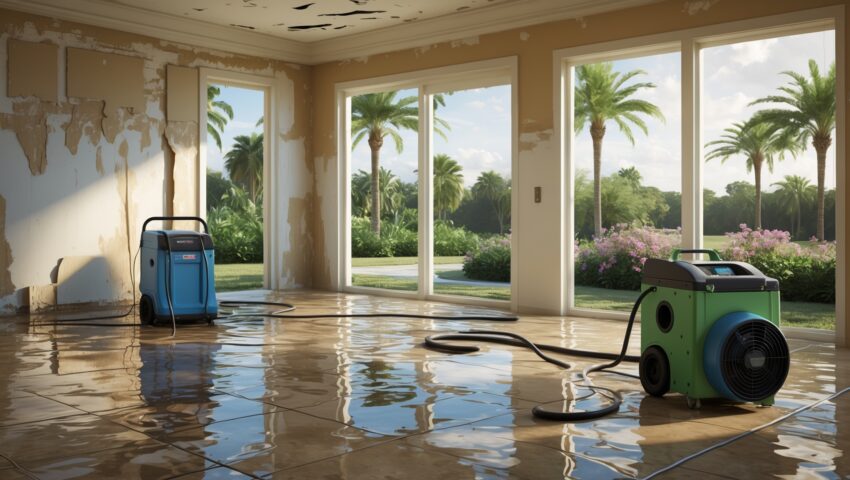
Introduction: Separating Fact from Fiction in Florida Water Damage Claims
Water damage is one of the most frequent and costly challenges faced by Florida homeowners. From torrential summer storms to aging plumbing systems, the threat of leaks, floods, and resulting property damage is ever-present in the Sunshine State. Unfortunately, misinformation about insurance coverage, repair protocols, and legal settlements abounds—leading many residents to make critical mistakes that jeopardize both their property and their pocketbooks. Whether you’re a new homeowner or a seasoned Floridian, understanding the realities of water damage claims and restoration is essential for protecting your biggest investment.
This comprehensive guide debunks the most common myths about water damage claims and repairs in Florida. You’ll learn what your policy actually covers, how to respond effectively to water intrusions, and the best practices for navigating insurance settlements and restoration projects. We’ll also explore the legal and regulatory landscape, dispel persistent misconceptions, and provide actionable tips to avoid costly missteps—all tailored to the unique risks and resources found in Florida. By the end, you’ll be equipped with the knowledge to confidently manage water damage events, maximize your claim outcomes, and keep your home safe and sound.
Understanding Water Damage Risks Unique to Florida
Common Causes of Water Damage in Florida Homes
- Hurricanes and Tropical Storms: Intense rainfall and wind-driven water intrusion are major threats during hurricane season.
- Flooding: Low-lying areas, high water tables, and poor drainage make flood risk a year-round concern.
- Plumbing Failures: Corrosion from humidity, hard water, and aging pipes increase leak risks.
- Roof Leaks: Sun, salt, and storms can degrade roofing materials faster than in other regions.
- HVAC Condensation: High humidity leads to excessive condensation and potential mold growth.
Why Insurance and Repairs Are Different in Florida
Florida’s unique climate and regulatory environment mean that insurance policies, building codes, and repair requirements can differ significantly from other states. The prevalence of water damage claims has led insurers to include special exclusions and coverage limits, while state law imposes strict timelines and contractor licensing rules. Understanding these regional nuances is vital for homeowners seeking fair settlements and effective repairs.
Myth #1: “My Homeowners’ Insurance Automatically Covers All Water Damage”
Reality: Not All Water Damage Is Treated Equally
One of the most persistent misconceptions among Florida homeowners is that their standard insurance policy covers any and all water-related damage. In truth, most policies differentiate between types of water damage and may exclude certain scenarios altogether.
- Sudden and Accidental Events: Typically covered, such as a burst pipe or overflow from an appliance.
- Gradual Damage: Damage from slow leaks, seepage, or poor maintenance is often excluded.
- Flood Damage: Homeowners insurance does not cover flooding from external sources; a separate flood insurance policy is required.
- Sewer Backups: Usually excluded unless you purchase a specific endorsement.
Action Steps
- Read your policy declarations page carefully to understand exclusions and limits.
- Consider purchasing supplemental flood and sewer backup coverage.
- Ask your agent about “hidden water damage” endorsements for added protection.
Myth #2: “I Can Wait to Report Water Damage Without Penalty”
Reality: Delays Can Jeopardize Your Claim
Some homeowners believe they can take their time before notifying their insurer or starting repairs. In Florida, delay is a costly mistake. Most policies require prompt notice of loss, and the state’s statutes of limitation on property claims are strictly enforced. Furthermore, failing to act quickly can allow minor issues to escalate into major structural or mold problems, which insurers may refuse to cover due to “neglect.”
Best Practices for Immediate Response
- Report the incident to your insurer as soon as possible—ideally within 24–48 hours.
- Document the damage thoroughly with photos, videos, and written descriptions before beginning cleanup.
- Take reasonable steps to prevent further damage (“mitigation”), such as shutting off water and drying affected areas, but do not discard evidence before the adjuster inspects.
- Keep a log of all communications with your insurance company and contractors.
Myth #3: “DIY Repairs Are Always Cheaper and Just as Effective”
Reality: Improper Repairs Can Void Insurance and Lead to Bigger Problems
While it’s tempting to handle minor water damage yourself, Florida law and most insurance policies require that mitigation and major repairs be performed by licensed professionals. Attempting DIY repairs without proper expertise or permits can result in denied claims, failed inspections, and even legal liability if future issues arise.
When to Call a Professional
- If the affected area is larger than 10 square feet or involves structural components.
- If electrical systems, HVAC, or load-bearing elements are compromised.
- If there is visible mold growth or persistent moisture.
- If your insurer requests a licensed contractor or remediation company.
Choosing the Right Restoration Contractor
- Verify state licensing, insurance, and experience with water damage restoration.
- Request detailed written estimates and references.
- Ensure the contractor is IICRC-certified (Institute of Inspection Cleaning and Restoration Certification).
- Avoid signing “assignment of benefits” agreements without understanding the implications, as they can limit your control over the claim.
Myth #4: “Mold Damage Is Always Covered”
Reality: Mold Coverage Is Strictly Limited
Florida’s high humidity makes mold growth a common consequence of water damage. However, most insurance policies in the state include strict sub-limits for mold remediation—often as low as $10,000—or exclude coverage entirely if the growth resulted from neglect or delayed reporting.
How to Protect Yourself
- Act immediately to dry out affected areas and prevent mold colonization.
- Install and maintain proper ventilation and dehumidification systems.
- Ask your insurer about mold coverage endorsements and what triggers a valid claim.
- Keep receipts and documentation for all mitigation and repair work.
Myth #5: “Insurance Always Pays for Full Restoration to Pre-Loss Condition”
Reality: Payouts Are Often Limited by Policy Terms and Depreciation
Many homeowners are surprised to find that their settlement is less than expected. Insurance claims are subject to deductibles, coverage limits, and, in some cases, “actual cash value” calculations that subtract depreciation from your payout. Additional Living Expenses (ALE) coverage, which pays for temporary housing, may also be capped.
Strategies to Maximize Your Settlement
- Maintain detailed records of all property upgrades and improvements.
- Submit thorough, well-documented repair estimates from reputable contractors.
- Negotiate with your adjuster if you believe the initial offer is too low—provide evidence to support your claim.
- Consider consulting a licensed public adjuster or attorney specializing in Florida property claims for large or disputed losses.
Myth #6: “Permits and Inspections Aren’t Necessary for Water Damage Repairs”
Reality: Local Codes and Insurance Often Require Them
In Florida, significant repairs—especially those involving structural, electrical, or plumbing systems—almost always require permits and inspections. Failure to obtain proper approvals can result in fines, failed future inspections (such as when selling your home), and claim denials if your insurer discovers unpermitted work.
Key Permit Scenarios
- Replacing drywall, insulation, or subflooring after major water damage.
- Repairing or replacing electrical wiring or panels affected by moisture.
- Installing new plumbing fixtures or rerouting lines.
How to Stay Compliant
- Check with your local building department on permit requirements before starting repairs.
- Ensure your contractor pulls all necessary permits and schedules required inspections.
- Retain copies of all permits, inspection reports, and final approvals for your records and for future insurance or resale purposes.
Myth #7: “Once Repaired, Water Damage Is No Longer a Concern”
Reality: Hidden Damage and Recurring Issues Are Common
Even after repairs, water damage can have lingering effects—such as weakened structural elements, hidden mold, or compromised insulation. It’s vital to verify that all affected areas have been thoroughly dried, cleaned, and restored to code. Neglecting post-repair inspections and maintenance can set the stage for future claims, denials, or costly legal disputes.
Post-Repair Best Practices
- Request moisture and mold clearance testing from your restoration contractor.
- Schedule periodic inspections of plumbing, roofing, and vulnerable areas—especially before hurricane season.
- Maintain detailed records of all repairs and maintenance for future insurance or resale documentation.
- Install leak detection devices and smart water shutoff systems for early warning of new issues.
Legal Considerations in Florida Water Damage Claims
Understanding Assignment of Benefits (AOB) Laws
Florida has seen a surge in “assignment of benefits” (AOB) agreements, where homeowners sign over their insurance rights to contractors. While AOB can expedite repairs, it can also expose homeowners to inflated bills, litigation, and loss of claim control. Recent state reforms aim to curb AOB abuse, but caution is still warranted.
Time Limits and Statutes of Limitation
- Florida law generally requires property claims to be filed within two years of the date of loss.
- Most policies require “prompt” notice—delays can lead to denials.
- Litigation over denied claims must generally commence within five years.
Choosing Legal Representation
- Seek attorneys with specific experience in Florida property insurance law for complex or disputed claims.
- Consult your local bar association or the Florida Department of Financial Services for referrals and background checks.
Case Study: Successful Water Damage Claim in Coastal Florida
Background: In 2023, a Pensacola homeowner discovered water seeping from a cracked supply line beneath the kitchen floor. Initial damage appeared minimal, but further inspection revealed hidden mold and subfloor rot.
- Step 1: The homeowner immediately shut off the water, documented the scene, and notified their insurer and a licensed restoration company.
- Step 2: The restoration team provided a detailed estimate, pulled permits, and performed moisture mapping to identify all affected areas.
- Step 3: The insurer inspected the property within 48 hours; the homeowner provided clear documentation, including photos, videos, and receipts.
- Step 4: The insurer initially offered an amount below the full repair cost, citing depreciation. The homeowner, with support from a public adjuster, successfully negotiated a higher settlement based on current replacement values and code upgrade requirements.
- Step 5: Repairs were completed with all required inspections. The homeowner now conducts annual leak checks and maintains enhanced coverage for future peace of mind.
Proactive Tips to Prevent Water Damage and Simplify Future Claims
- Conduct semi-annual plumbing and roof inspections.
- Install water leak and moisture detection devices in high-risk areas.
- Maintain gutters, downspouts, and landscape grading to direct water away from your home.
- Keep a digital inventory of your home’s contents, upgrades, and maintenance records.
- Review and update your insurance coverage annually, especially after renovations or new purchases.
- Prepare a “water damage response kit” with emergency contacts, basic tools, and camera for documentation.
Conclusion: Empowering Florida Homeowners to Make Informed Decisions
Water damage is a daunting challenge—especially in Florida, where the climate, insurance regulations, and repair requirements present a unique set of obstacles. However, armed with accurate information and a proactive mindset, homeowners can avoid the costly pitfalls that stem from common myths and misunderstandings. By recognizing the limitations of standard insurance policies, acting quickly to report and mitigate damage, and relying on qualified professionals for repairs, you can preserve your property’s value and resilience.
Remember, the process does not end with repairs. Ongoing maintenance, proper documentation, and regular policy reviews are essential to ensure that future claims proceed smoothly and your home remains protected. Stay alert for legal and regulatory updates, and seek expert guidance whenever large or complex claims arise. Ultimately, knowledge is your best defense against water damage—and the key to safeguarding your Florida home for years to come.
I just moved to Florida and I’m trying to figure out what my homeowners insurance actually covers when it comes to water damage. The article mentions that there’s a lot of misinformation and common myths—could you clarify whether standard policies usually cover things like HVAC condensation and leaks from old plumbing, or are those considered maintenance issues?
Standard homeowners insurance policies in Florida generally cover sudden and accidental water damage, like a burst pipe. However, issues such as HVAC condensation or leaks from old plumbing are usually considered maintenance problems and are not covered. It’s important to review your policy’s exclusions and talk to your insurer about any specific concerns you have regarding water damage.
Can you share any tips for homeowners on setting realistic budgets for water damage repairs, especially with costs rising in Florida? I’m curious if there are ways to avoid overpaying while still making sure the work meets local building codes.
To set a realistic budget for water damage repairs, start by getting at least three detailed quotes from licensed contractors familiar with Florida’s building codes. Ask about the materials and methods they use, and check if the estimates include all necessary permits and code upgrades. Prioritize essential repairs first, and review your insurance policy to see what’s covered. Always research contractor reviews and make sure they’re insured, which helps avoid paying for substandard work.
If I act quickly after discovering water damage from a hurricane, are there specific steps I should take to avoid making mistakes with my insurance claim? I’d like to be proactive but I’m worried about accidentally voiding my coverage.
Acting quickly is smart, but be sure to document everything before making repairs. Take clear photos and videos of all damage, save any receipts for emergency repairs, and notify your insurance company as soon as possible. Don’t throw anything away until your insurer has seen it. Avoid making permanent repairs until you have approval from your adjuster; only do what’s necessary to prevent further damage.
I’m trying to figure out how insurance companies in Florida typically distinguish between water damage caused by flooding versus damage from plumbing failures like leaky pipes. Does the article clarify if separate policies are usually required for each type of risk, or can one policy cover both?
The article explains that insurance companies in Florida usually treat water damage from flooding differently than damage from plumbing failures such as leaky pipes. Standard homeowners insurance typically covers sudden plumbing issues but does not cover flood damage, which generally requires a separate flood insurance policy. So, most homeowners will need two different policies to be protected against both risks.
Your guide talks about the legal and regulatory landscape around water damage claims in Florida. Are there specific state laws or recent changes that Florida homeowners should be particularly aware of when submitting a claim?
Yes, Florida has made several recent changes in laws affecting water damage claims. One key update is the restriction on assignment of benefits (AOB), which limits third parties from taking over insurance claims without the homeowner’s knowledge or consent. Also, there are now shorter claim filing deadlines—homeowners generally have one year to report a water damage claim. It’s important to review your policy and keep up-to-date with state regulations to ensure a smooth claims process.
If my claim for water damage gets denied because of something related to Florida’s unique risks or regulations, are there common reasons for this that I should watch out for ahead of time?
Yes, there are a few common reasons water damage claims in Florida might be denied. Insurers often reject claims if the damage is due to lack of maintenance, gradual leaks that weren’t addressed quickly, or issues related to flooding (which usually requires separate flood insurance). Some policies also exclude certain types of water damage, so it’s important to review your policy details and keep up with home maintenance to reduce the chances of denial.
With low-lying areas and high water tables contributing to frequent flooding, does the article suggest whether it’s worth it for Florida homeowners to invest in additional flood insurance beyond what is required?
The article highlights that standard homeowner policies typically don’t cover flooding caused by rising water or high water tables. While it doesn’t give a direct recommendation, it does suggest that because Florida is prone to flooding, considering additional flood insurance—beyond what might be required—can be a smart way to protect your home and finances from unexpected water damage.
How does water damage from a plumbing failure differ from storm-related leaks when it comes to the claim process and potential settlement amounts in Florida?
Water damage from a plumbing failure, like a burst pipe, is usually covered as a sudden and accidental event, often leading to a smoother claim process. Storm-related leaks, however, may involve more scrutiny; insurers will check if proper maintenance was done and if the damage is linked to wind-driven rain or flooding, which often have coverage limits or exclusions. Settlement amounts can also vary based on your specific policy, deductibles, and the cause of damage.
The article mentions that high humidity can cause HVAC condensation and mold growth. Are there any particular recommendations for preventing mold after minor water incidents, or does standard home insurance in Florida typically cover mold remediation?
After minor water incidents, it’s important to dry out affected areas quickly by increasing ventilation, using fans or dehumidifiers, and removing any wet materials like carpets or drywall. Standard home insurance in Florida often has limited coverage for mold remediation, typically only if it’s directly caused by a covered water event and up to certain limits. Reviewing your specific policy or discussing with your insurer can clarify the extent of your coverage for mold-related issues.
Can you clarify what the best first steps are after finding water damage in my home? Should I call my insurance agent before contacting a restoration company, or is it better to get the repairs started right away to prevent more damage?
After discovering water damage, safety comes first—make sure it’s safe to enter the area. Next, document the damage with photos and notes. It’s generally best to contact your insurance agent right away to report the claim and get guidance on approved restoration companies. However, take immediate steps to stop further damage, like turning off the water source or moving valuables, but wait on major repairs until your insurer gives the go-ahead.
The article mentions that roof leaks can be caused by sun, salt, and storms in Florida. Are there preventative maintenance steps homeowners should take to lower their chances of roof-related water damage?
Absolutely, there are preventative steps you can take to reduce the risk of roof leaks. Regularly inspect your roof for missing or damaged shingles, especially after storms. Clean gutters and downspouts to ensure proper drainage. Trim overhanging branches that could cause damage. It’s also wise to check your attic for signs of leaks or moisture. Scheduling a professional roof inspection every year can help catch small issues before they become bigger problems.