

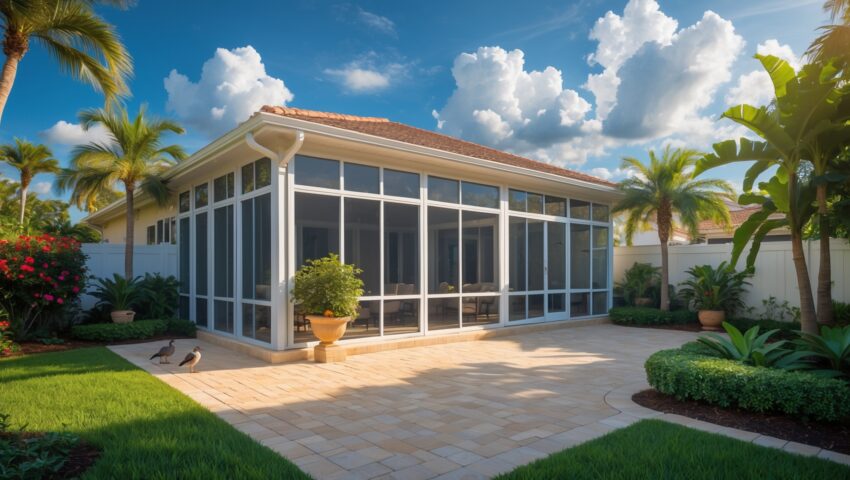
Introduction: Why Florida Patio Enclosures Need Special Attention
Florida living is synonymous with enjoying the outdoors, but unpredictable weather, insects, and intense sunlight can put a damper on your open-air plans. That’s where patio enclosures come in—transforming open patios into comfortable, usable spaces year-round. Whether you’re eyeing a screened lanai, sunroom, or glass enclosure, upgrading your patio isn’t as simple as adding new screens or walls. Florida’s unique climate, storm risk, and strict building codes mean that proper planning, budgeting, permitting, and ongoing maintenance are essential for a successful project. This guide walks you through the critical steps of upgrading your patio enclosure in Florida, from understanding permit requirements to building a realistic budget and keeping your new space in top shape through every season. You’ll also learn common pitfalls to avoid, smart material choices for the climate, and how to keep your investment compliant and resilient for years to come.
Understanding Florida Patio Enclosure Types
Screened Enclosures
Screened patio enclosures are the most popular in Florida, offering protection from bugs and debris while maintaining airflow. They’re ideal if you want to enjoy breezes and don’t need full climate control.
Glass or Acrylic Sunrooms
These enclosed spaces provide climate control and all-weather use. They require more robust construction and often more rigorous permitting, but expand your living space with comfort year-round.
Hybrid Systems
Some modern enclosures use retractable panels or a mix of screen and glass, offering flexibility for changing weather conditions. These can increase costs and complexity but provide versatile use.
Budgeting for a Florida Patio Enclosure Upgrade
Material Costs
- Screening: Fiberglass mesh ($0.50–$1.00/sq.ft.), aluminum mesh ($1.00–$1.50/sq.ft.), or specialty screens (pet-resistant, solar, etc.) at higher rates.
- Framing: Aluminum frames ($7–$15/sq.ft.) are common, with powder-coating for corrosion resistance. Vinyl and wood are less typical due to humidity and pest risks.
- Glass/Acrylic: Tempered glass panels ($25–$50/sq.ft.), acrylic panels ($15–$30/sq.ft.). Impact-rated glass for hurricane zones increases costs.
- Doors: Standard screen doors ($200–$400 each), sliding glass doors ($1,000+ each, installed).
- Roofing: Aluminum or insulated panels ($10–$25/sq.ft.), matching the home’s structure and style.
Labor Costs
- Professional installation typically runs $6,000–$20,000+ depending on size, complexity, and finish level. Sunrooms and hybrid enclosures are at the higher end.
- DIY kits are available for basic screened rooms ($2,000–$8,000), but labor savings come with risks—improper installation can void warranties and violate code.
Permitting and Inspection Fees
- Permit fees vary by municipality but generally range from $200–$800.
- Structural engineering reports may be required ($300–$1,000), especially for hurricane compliance.
- Inspection fees may be bundled with permits or charged separately.
Hidden and Ongoing Costs
- Site Preparation: Leveling, concrete slab repair, or reinforcement ($1,000–$5,000+).
- Electrical: Lighting, outlets, or ceiling fans ($300–$2,000, depending on scope).
- Maintenance: Annual cleaning, screen repairs, and hardware replacement ($150–$500/year).
- Insurance: Adding the enclosure to your home insurance may increase premiums slightly but is essential for storm coverage.
Budgeting Tips
- Get detailed quotes with breakdowns for materials, labor, and extras.
- Set aside 10-15% contingency for surprise repairs or upgrades.
- Ask about manufacturer warranties, especially for glass and framing.
Permitting: Navigating Florida’s Regulations
Why Permits Matter
Florida’s building codes are among the strictest in the nation due to hurricane risk and high humidity. Most patio enclosure upgrades require permits—even simple screen replacements—especially if structural changes or electrical work are involved.
Permit Application Process
- Step 1: Research Local Code
Start with your city or county’s building department. Requirements can vary widely (e.g., Miami-Dade vs. Orlando vs. Tampa). - Step 2: Prepare Documents
Typical requirements include drawn plans, site surveys, material specs, and contractor details. For structural enclosures, an engineer’s sign-off is often needed. - Step 3: Submit Application
Apply online or in person. Most jurisdictions allow homeowners to apply, but using a licensed contractor can expedite approval and ensure code compliance. - Step 4: Pay Fees
Fees must be paid before review begins. Keep receipts for your records and for insurance purposes later. - Step 5: Schedule Inspections
Inspections may occur at multiple stages (foundation, framing, electrical, final). Be present or have your contractor available for each.
Common Compliance Pitfalls
- Skipping permits can result in fines, forced removal, and insurance claim denials.
- DIY enclosures without engineering review may fail wind load requirements—critical in hurricane zones.
- Failing final inspection can delay occupancy and trigger costly corrections.
Special Considerations
- Hurricane Zones: Impact-rated materials, reinforced anchoring, and roof tie-downs are mandatory in high-risk counties.
- Homeowners Associations (HOAs): Many communities have appearance and size restrictions. Secure written approval before starting.
- Flood Zones: Elevated slabs or flood vents may be required.
Choosing Materials for Florida’s Climate
Weather Resistance
Florida’s humidity, rain, and salt air accelerate corrosion. Choose aluminum or powder-coated steel framing. Stainless steel fasteners and hardware are a must to prevent rust and hardware failure.
Screen and Glass Considerations
- Standard Fiberglass: Affordable, but can sag or tear over time. Good for budget projects.
- Pet-Resistant or Solar Screens: Thicker mesh withstands claws and blocks UV rays, extending interior life.
- Impact-Resistant Glass: Required in hurricane-prone counties. Look for products with Florida Building Code (FBC) approval.
Roofing Materials
- Insulated Panels: Prevent heat buildup and reduce noise during storms.
- Polycarbonate: Lightweight and durable, but can discolor over time if not UV-protected.
- Traditional Shingles or Metal: Used for full sunrooms or permanent extensions.
Seasonal Maintenance Checklist for Florida Patio Enclosures
Spring
- Inspect screens for tears, punctures, or sagging. Replace damaged panels promptly to prevent pest entry.
- Clean aluminum framing with mild soap and water to remove pollen and salt residue.
- Check for loose screws or rusted hardware; tighten or replace as needed.
Summer
- Test all doors and latches for smooth operation. Lubricate hinges with silicone spray.
- Trim vegetation away from the enclosure to reduce mildew and insect attraction.
- Monitor for leaks after heavy rain, especially at roof seams and window joints.
- Prepare hurricane panels or bracing if applicable—review your storm plan.
Fall
- Pressure wash floors and lower walls to remove algae and prevent slip hazards (use low pressure to avoid damaging screens).
- Inspect roof panels for debris and clean out gutters if present.
- Examine caulking and weather seals; reapply where cracked or missing.
Winter
- Check for condensation on glass or acrylic panels; adjust ventilation if needed.
- Inspect electrical outlets and fixtures for moisture intrusion or corrosion.
- Plan for any upgrades or repairs during cooler, drier months when demand is lower.
Insurance and Legal Essentials
Insuring Your Enclosure
Once your enclosure is complete and inspected, inform your homeowner’s insurance carrier. Document the project with photos and permit records. Coverage may increase slightly, but this ensures protection from storm and liability claims.
Legal Pitfalls to Avoid
- Unpermitted enclosures can invalidate claims after storm damage.
- Failure to update your property survey or title can create headaches at resale.
- Contractor disputes are common—always use licensed, insured professionals and secure written contracts.
Beginner Mistakes to Avoid
- Assuming all enclosures are DIY-friendly—complexity is often underestimated.
- Neglecting HOA restrictions or neighbor property lines.
- Under-budgeting for site prep or hidden repairs.
- Choosing materials unsuited to Florida’s climate—leading to rapid deterioration.
- Skipping regular maintenance, which can void warranties and lead to costly repairs.
Step-by-Step: Setting Up a Compliant, Durable Patio Enclosure
- Assess Your Needs: Decide on enclosure type, size, and features (screens, glass, hybrid, roof style).
- Research Local Codes and HOA Rules: Obtain guidelines before drawing up plans.
- Hire a Licensed Contractor: Interview at least three, check references, and verify insurance.
- Develop and Submit Plans: Work with your contractor and engineer if needed for permit-ready drawings.
- Apply for Permits: Submit all documentation and pay fees.
- Schedule Construction: Plan for weather delays and material lead times.
- Pass Inspections: Be present or appoint your contractor for all required inspection visits.
- Complete Final Walkthrough: Punch-list any issues before making final payment.
- Update Insurance: Notify your carrier and provide documentation.
- Set Up Maintenance Plan: Create a seasonal checklist or hire a service to keep your enclosure in top shape.
Conclusion: Protecting Your Investment and Enjoying Florida Living
Upgrading your Florida patio enclosure is more than just a home improvement—it’s an investment in lifestyle, comfort, and property value. The process requires attention to detail at every step, from understanding code requirements and budgeting realistically to selecting the right materials for Florida’s challenging environment. Permitting and inspections may seem daunting, but they protect you from costly mistakes, storm-related losses, and legal headaches down the road. By following a thorough, step-by-step approach and partnering with reputable professionals, you’ll ensure your new patio enclosure is safe, resilient, and built to last.
Don’t overlook the importance of ongoing maintenance—Florida’s weather rewards vigilance. Annual inspections, prompt repairs, and proactive cleaning keep your enclosure beautiful and functional for years to come. And, by staying compliant and maintaining open communication with your insurance provider, you’re safeguarding your investment against the unexpected. Whether you’re sipping morning coffee bug-free or hosting family gatherings in your new sunroom, the benefits of a well-planned patio enclosure upgrade are immediate and enduring. Make the most of Florida’s climate—outsmart the elements, and enjoy your outdoor living space every season of the year.
I noticed you mentioned specialty screens like pet-resistant or solar options. Do you have recommendations for which screen materials hold up best against Florida’s humidity and UV rays, or are they mostly similar in long-term durability?
In Florida’s climate, fiberglass screens tend to hold up well because they resist rust and corrosion from humidity, but they can eventually fade or stretch. Polyester screens are even more durable against both humidity and UV rays, making them a great long-term choice. For maximum longevity, look for screens labeled as UV-resistant and specifically designed for high-moisture environments. Pet-resistant screens, usually made of stronger vinyl-coated polyester, also perform well under Florida conditions.
For budgeting, are there any surprising costs people often forget about when building a new patio enclosure in Florida, like additional fees tied to the permit process or seasonal maintenance needs?
Yes, there are a few costs that people sometimes overlook. Beyond the main permit fees, you might also face charges for plan reviews, impact fees, or inspections required by local authorities. For seasonal maintenance, budgeting for things like waterproofing, pest control treatments, and hurricane reinforcements is wise since Florida’s climate can be tough on outdoor structures. These extra expenses can add up, so it’s good to plan for them early.
Could you clarify what the main differences are regarding permit requirements between a screened enclosure and a full glass sunroom in Florida? I want to make sure I prepare all the right documents before starting my project.
In Florida, a screened enclosure generally requires a simpler permit process since it’s considered a non-conditioned, outdoor structure. A full glass sunroom, on the other hand, is treated more like a home addition and requires stricter permits, including proof of compliance with energy codes, hurricane resistance, and sometimes engineered drawings. For a sunroom, you’ll also need more detailed plans and possibly HOA approval. Checking with your local building department for their specific document list is always recommended.
Could you clarify what the typical timeframe is for a DIY patio enclosure upgrade, from starting the permit paperwork to having it fully completed? I need to know how to plan around Florida’s rainy season.
For a DIY patio enclosure in Florida, expect the whole process to take about 6 to 10 weeks. Permitting alone can take 2 to 4 weeks, depending on your local office’s backlog. Construction might take another 2 to 4 weeks, plus time for inspections. It’s wise to allow for potential weather delays during the rainy season when planning your timeline.
What are some common mistakes people make with budgeting for hybrid patio enclosures that combine glass and screens? Does the cost end up closer to a sunroom or a basic screened lanai in most cases?
When budgeting for hybrid patio enclosures with both glass and screens, people often underestimate costs for framing, weatherproofing, and permit fees. Upgrades like insulated glass panels or custom doors can also add up quickly. Typically, the total cost lands between a basic screened lanai and a full sunroom—closer to a sunroom if you choose high-end glass or climate control features, but more toward a lanai if you keep materials and extras simple.
Could you explain more about how the permit requirements differ between adding a screened enclosure versus a glass or acrylic sunroom in Florida? I’m not sure which one is more complicated in terms of approvals.
In Florida, adding a glass or acrylic sunroom usually requires more detailed permit approvals than a screened enclosure. Sunrooms are considered more permanent structures and must meet stricter building codes, including insulation, energy efficiency, and often hurricane resistance. Screened enclosures have fewer requirements since they’re open-air structures, so the permitting process is generally simpler and quicker. Always check with your local building department, as requirements can vary by county.
I see the cost ranges for materials, but how much should I realistically budget for professional labor when upgrading an aluminum-framed screened enclosure in Florida?
For professional labor when upgrading an aluminum-framed screened enclosure in Florida, you should generally budget between $20 to $40 per square foot for installation work. This range can vary depending on the complexity of your project, local labor rates, and any custom work needed. It’s a good idea to get at least two or three quotes from local contractors for the most accurate estimate.
Could you clarify whether the permit process tends to be quicker or more complicated for hybrid enclosures with retractable panels compared to traditional screened or glass sunrooms in Florida?
The permit process for hybrid enclosures with retractable panels is typically more complex than for standard screened or glass sunrooms. Hybrid designs often require additional engineering approval and may need more detailed plans to meet building codes. This can make the process slower, as local authorities will review the unique aspects of retractable features. Expect more documentation and potentially a longer wait compared to traditional enclosures.
When building a budget for an enclosure upgrade, what unexpected costs should I watch for beyond just the frame and screening expenses listed?
When budgeting for a patio enclosure upgrade, consider costs like permit fees, foundation work if your patio needs reinforcement, electrical wiring for fans or lighting, and gutter or drainage adjustments. Also, keep some funds for unexpected repairs, such as wood rot or pest damage that might be uncovered during construction. Labor costs can also rise if issues are discovered mid-project.
You mentioned that glass or acrylic sunrooms require more rigorous permitting compared to screened enclosures. Can you elaborate on what specific permit requirements or inspections a homeowner should expect with a glass enclosure upgrade in Florida?
With a glass sunroom upgrade in Florida, homeowners usually need a building permit that requires submitting detailed construction plans, proof of compliance with local building codes, and possibly energy efficiency documentation. Inspections typically include foundation, framing, electrical, and final structural checks to ensure safety and code compliance. Wind resistance standards and hurricane protection features may also be reviewed, given Florida’s climate. Working with a licensed contractor helps navigate these requirements smoothly.
For budgeting purposes, how much should I set aside for ongoing seasonal maintenance after the initial installation? I want to avoid unexpected costs, especially given Florida’s storm risks.
For ongoing seasonal maintenance in Florida, it’s wise to budget between $200 and $500 per year for your patio enclosure. This covers routine cleaning, minor repairs, and preventive checks, especially for potential storm damage. Setting aside a little extra can help you handle unexpected issues, such as screen replacements or hardware fixes after severe weather.
You mention hybrid systems with retractable panels. How complex is the installation for those, and do they require special permits or inspections compared to standard enclosures?
Hybrid systems with retractable panels are generally more complex to install than standard enclosures. They often require precise fitting and may involve electrical or motorized components. Because of these features, most local Florida building departments will require additional permits and inspections to ensure safety and code compliance, especially if electrical work is involved. It’s best to check with your city or county permitting office for specific requirements before starting the project.
You mention that hybrid systems with retractable panels can increase costs and complexity. Do you have examples of typical price differences or maintenance issues compared to standard screened enclosures?
Hybrid systems with retractable panels usually cost 25–50% more than standard screened enclosures, depending on size and materials. For example, if a basic screened enclosure costs $8,000, a comparable hybrid might range from $10,000 to $12,000. Maintenance can also be more involved; retractable panels need regular track cleaning, occasional hardware lubrication, and may require professional servicing if the mechanism jams or malfunctions, while standard screens mainly need periodic cleaning and repairs for tears.
If I plan to start my patio enclosure upgrade soon, how far in advance should I begin the permit process to avoid delays, especially during the busy season in Florida?
It’s a good idea to start the permit process at least 4 to 6 weeks before your planned project start date. During the busy season in Florida, some areas may experience longer wait times due to higher demand, so starting earlier can help you avoid delays. Check with your local building department for any specific timeframes and required documents.
If I want to go with a hybrid enclosure that has both retractable panels and glass, are there additional permit considerations or maintenance challenges unique to that choice in Florida’s climate?
Choosing a hybrid enclosure with retractable panels and glass can require extra permit reviews, especially to ensure wind resistance and compliance with Florida’s hurricane codes. You may need to provide detailed engineering plans showing how both materials work together. Maintenance-wise, expect to regularly inspect seals and moving parts, as humidity and salt air can affect both glass and panel mechanisms. Proper cleaning and lubrication are essential to prolong the life of both components.
Could you explain more about the permitting process for hybrid patio enclosure systems that use both screen and glass? Are there extra steps involved compared to regular screened enclosures in Florida?
For hybrid patio enclosures that use both screen and glass, the permitting process in Florida typically involves some extra steps compared to standard screened enclosures. Because glass components can affect structural integrity and energy efficiency, you may need to provide more detailed plans, including engineering specifications and wind-load calculations. The local building department will review these plans and may require additional inspections to ensure safety and code compliance. Always check with your local permitting office for any unique requirements in your area.
You mentioned that hybrid systems with retractable panels can get expensive and complex. Could you explain what specific maintenance challenges come with those compared to standard glass or screened enclosures?
Hybrid systems with retractable panels usually have more moving parts, like tracks, rollers, and motorized elements, which require regular cleaning and lubrication to prevent jams and wear. Unlike standard glass or screened enclosures, these components can be more sensitive to dirt, debris, and weather exposure. You may also need to periodically check for alignment and ensure weather seals remain effective, which adds a bit more ongoing maintenance compared to simpler designs.
I see that framing material costs can vary a lot. For someone on a tighter budget, are there lower-cost framing options that still meet Florida’s storm and code requirements, or is aluminum pretty much the only choice?
Aluminum is commonly used in Florida because it’s lightweight, sturdy, and meets the state’s strict hurricane and building codes. While some homeowners consider vinyl or composite framing for cost savings, these usually don’t offer the same strength or code compliance for storm-prone areas. For most tight budgets, standard aluminum framing in basic finishes is the best balance of affordability and required safety.
You talk about choosing between fiberglass mesh and aluminum mesh for screening, but is there a big difference in long-term durability or maintenance costs between the two? I want something low-maintenance but still resilient to the Florida weather.
Aluminum mesh generally offers better long-term durability compared to fiberglass, especially in Florida’s humid and storm-prone climate. Aluminum resists sagging, tearing, and UV damage, so it requires less frequent replacement and maintenance. Fiberglass mesh is more affordable upfront but can degrade quicker from sun exposure and mildew. For low-maintenance and resilience, aluminum mesh is usually the better choice, even if initial costs are a bit higher.
I see you mentioned that glass or acrylic sunrooms require more robust construction and stricter permits compared to screened enclosures. Do you have any tips for how to streamline the permit process specifically for sunrooms in Florida?
To streamline the permit process for sunrooms in Florida, start by gathering detailed plans stamped by a licensed engineer or architect, since sunrooms face more scrutiny than screened enclosures. Submit complete documentation, including wind load calculations and materials specs, to your local building department. Communicate early with officials to clarify requirements, and consider working with a contractor experienced in sunroom builds—they often know what local authorities expect and can help avoid delays.
If someone wants to upgrade from a screened enclosure to a sunroom later on, does that typically require starting the permit process over, or can you build in phases within a single permit?
Upgrading from a screened enclosure to a sunroom usually means a new permit is needed because the structure and its use change significantly. Most municipalities require a separate review for sunrooms due to different building codes and inspections. If you’re planning to build in phases, let your local permitting office know up front—sometimes they offer phased approvals, but this must be arranged in advance and specified in your initial permit application.
When budgeting for a glass or acrylic sunroom, are there any hidden costs beyond materials and basic permitting, such as insurance premium increases or HOA approvals, that homeowners should be aware of in Florida?
Yes, homeowners in Florida should consider a few possible hidden costs when budgeting for a glass or acrylic sunroom. These can include increases in your homeowner’s insurance premiums, especially if your new enclosure changes your home’s risk profile. HOA approval fees or requirements may also apply, depending on your community. Additionally, factor in inspection fees, utility upgrades if you’re adding electrical or HVAC, and potential property tax increases.
I noticed pet-resistant and solar screens are listed as specialty options. Are there any trade-offs in durability or long-term maintenance when choosing these materials over standard fiberglass mesh for a Florida patio enclosure?
Pet-resistant screens are thicker and more durable than standard fiberglass mesh, making them excellent for homes with pets. However, they can sometimes be stiffer and may cost more up front. Solar screens help reduce heat and UV exposure but can slightly reduce natural light and airflow. Both specialty screens typically last longer than standard mesh, but solar screens may need more frequent cleaning to maintain appearance. Overall, either option is a solid upgrade for Florida patios if you value durability or energy efficiency.
For the permit process in Florida, how long does it usually take from submitting an application to getting approval for a patio enclosure, especially if I’m thinking about a glass sunroom instead of a screened enclosure?
In Florida, the permit approval process for a patio enclosure can vary by county and project type. For a glass sunroom, expect the process to take longer than for a screened enclosure, usually about 2 to 6 weeks. Glass sunrooms often require stricter code checks, so having complete plans and documents ready will help avoid delays.
If I want to DIY part of the seasonal maintenance you mention for patio enclosures, what are the most common mistakes homeowners make, especially with specialty screens or hybrid systems?
Some common mistakes during DIY seasonal maintenance of patio enclosures include using harsh cleaners that damage specialty screens, applying too much pressure when scrubbing, and not checking for small tears or loose fasteners. With hybrid systems, homeowners sometimes overlook cleaning or lubricating moving parts, which can cause premature wear. Make sure to use manufacturer-recommended products, inspect everything closely, and handle components gently to avoid accidental damage.
I noticed you mentioned hybrid enclosures with retractable panels. How does the permitting and inspection process differ for those compared to a standard screened lanai?
Hybrid enclosures with retractable panels often face more detailed permitting and inspection requirements than standard screened lanais. Since these systems involve moving parts and sometimes different materials, local building departments may review structural, electrical, and wind resistance aspects more closely. You may need to submit additional engineering drawings or product approvals. Inspections will likely include operational checks of the retractable features, not just the frame and screen. Always check with your local permitting office for their specific requirements.
If our main concern is intense sunlight and heat, would you recommend investing in specialty screens, or is going straight to a glass or acrylic sunroom better for long-term comfort and lower maintenance in Florida’s climate?
If managing intense sunlight and heat is your top priority, a glass or acrylic sunroom generally offers better long-term comfort and lower maintenance compared to specialty screens. Sunrooms provide superior insulation, UV protection, and climate control options, which can keep interiors cooler and reduce fading. Specialty screens are more affordable and increase airflow, but they won’t block as much heat and may require more upkeep in Florida’s climate.
I’m curious about the permitting process you mentioned for glass or acrylic sunrooms in Florida. Are there any specific setback requirements or common hurdles homeowners run into when trying to upgrade from a screened enclosure to a sunroom?
Yes, in Florida, upgrading from a screened enclosure to a glass or acrylic sunroom usually triggers stricter permitting requirements. Setback rules vary by local jurisdiction, but you’ll often need to maintain a certain distance from property lines and sometimes from water features. Common hurdles include meeting wind load codes, HOA approvals, and sometimes needing engineering drawings. It’s a good idea to check with your city or county building department early on to clarify the exact requirements for your property.
You mention that hybrid patio enclosures with retractable panels can increase both costs and complexity. Could you give an idea of how much more they typically add to the budget compared to a standard screened enclosure in Florida?
Hybrid patio enclosures with retractable panels usually add between 25% to 50% more to your budget compared to a standard screened enclosure in Florida. While a typical screened enclosure might cost $8,000 to $12,000, upgrading to a hybrid system can bring your total to around $12,000 to $18,000, depending on materials, size, and features. Labor and custom installation requirements also contribute to the higher price.
If you’re starting out with just a basic screened lanai but might want to convert it to a glass enclosure later, is it smart to use certain framing materials now to make that upgrade easier and more affordable in the future?
Yes, it makes sense to use materials now that can support future upgrades. Consider using aluminum framing, as it’s sturdy enough for both screened and glass enclosures. Also, be sure the initial framing meets local building codes for glass enclosures and can support the added weight of glass panels. This approach will help reduce costs and construction time when you decide to upgrade.
If I’m planning to install a screened enclosure myself, could you clarify which parts of the permitting process are most challenging for homeowners to handle alone in Florida?
Navigating the permitting paperwork and ensuring your plans meet local building codes are typically the toughest parts for homeowners doing a DIY screened enclosure in Florida. Submitting detailed drawings and site plans, plus understanding wind load and hurricane requirements, can be confusing. It often helps to consult with your county’s building department or hire a professional for just the design and permit phase to avoid delays or rejections.
For seasonal maintenance, what are the most common issues people face with aluminum frames during the humid summer months? I’d like to avoid problems due to rust or corrosion if possible.
In Florida’s humid summer months, aluminum frames can sometimes develop surface oxidation, which appears as a chalky residue rather than true rust. Moisture can also lead to mildew or algae growth, especially at joints. To avoid these issues, regularly wash your frames with mild soap and water, inspect for any buildup, and ensure drainage holes are clear. Applying a protective wax coat annually can add another layer of protection.
Do permit requirements differ significantly if I’m just replacing an existing patio screen versus expanding my enclosure to include a glass sunroom, and what additional paperwork would be needed for an expansion?
Yes, permit requirements do differ quite a bit. Simply replacing an existing patio screen often requires only a basic permit and minimal paperwork since you’re not altering the structure. Expanding to include a glass sunroom is a more substantial project and generally needs a full building permit, detailed construction plans, engineering documents, and sometimes HOA approval. Check with your local building department for the exact paperwork required for your area.
When estimating a realistic budget for an upgrade, should homeowners also factor in recurring seasonal maintenance costs right from the start, or are those usually negligible compared to the upfront materials and permitting?
It’s smart to factor in recurring seasonal maintenance costs from the beginning, even though the upfront materials and permitting usually make up the bulk of your budget. Over time, maintenance like cleaning, inspections, or repairs can add up, especially in Florida’s climate. Including these costs early helps you avoid surprises and ensures your patio stays in great shape year-round.
Could you explain a bit more about the routine seasonal maintenance required for both screened and hybrid patio enclosures? I have a busy schedule and want to make sure I’m not missing anything essential after installation.
For both screened and hybrid patio enclosures, focus on cleaning screens and frames seasonally—remove debris, pollen, and dirt with gentle washing. Inspect for tears or damage in screens and check seals and fasteners for wear. Lubricate hinges and sliding parts if your enclosure has doors or windows. For hybrids, quickly check any glass panels for cracks and clean them with non-abrasive cleaners. Doing these tasks at the start of each season will keep your enclosure in good shape with minimal time investment.
You mentioned aluminum framing in the budgeting section. Are there any noticeable differences in durability or upkeep costs between aluminum and other framing materials for patio enclosures in this region?
Aluminum framing is popular in Florida because it’s lightweight, rust-resistant, and stands up well to humidity and coastal conditions. Compared to wood, aluminum generally requires less maintenance and doesn’t warp or rot, which can lower upkeep costs over time. Vinyl is another option, which also resists rot and insects, but it may not be as strong as aluminum in storms. Overall, aluminum offers a good balance of durability and low maintenance for Florida patios.
You mentioned specialty screens like solar and pet-resistant options. Have you seen one type hold up better over a few years in the Florida sun, or are they all pretty similar in terms of durability?
Solar screens and pet-resistant screens both handle Florida sun well, but there are some differences. Pet-resistant screens, usually made from stronger vinyl-coated polyester, tend to be more durable against tears and scratches, especially if you have pets or kids. Solar screens are designed mainly to block UV rays and reduce heat, but over several years, they can fade or become brittle a bit sooner than pet-resistant options. If durability is your main concern, pet-resistant screens generally last longer in tough conditions.
How far in advance should I start the planning and permitting process before the ideal construction season in Florida? I’m concerned about possible lead times and what steps I should prioritize to keep the project on track.
To stay on schedule, it’s smart to start planning and permitting at least 3 to 6 months before your ideal construction window. Permitting times can vary by county and demand, so securing permits early is key. Begin with research, gather design ideas, and contact contractors for quotes. Prioritize finalizing your design and submitting permit applications as soon as possible, since these steps often have the longest lead times.
If I want to upgrade my screened patio to a glass sunroom later on, does the original framing used for screens usually support this, or would it require a complete rebuild due to code requirements?
In most cases, the framing built for a screened patio isn’t strong enough to support glass panels, especially if you’re looking to meet Florida’s building codes for a sunroom. Glass enclosures require sturdier framing and sometimes additional foundation work. You’ll likely need to replace or significantly reinforce the existing structure to comply with code and ensure safety.
I noticed you mentioned that hybrid systems with retractable panels can be more expensive and complex. Do you have any advice on how to find contractors who are experienced with these types of enclosures in Florida?
When searching for contractors experienced with hybrid patio enclosures in Florida, look for companies that specialize in custom enclosures or retractable systems. Ask for project portfolios and references specifically involving hybrid or retractable panel work. You can also check with local building departments or home improvement groups for reputable names, and always verify that any contractor is licensed and insured in Florida.
For someone considering a hybrid system with both glass and retractable screens, how much more complicated does the permitting process get compared to a basic screened enclosure in Florida?
A hybrid patio enclosure with both glass and retractable screens is generally more complex to permit than a basic screened enclosure. This is because glass panels may be treated as a more permanent structural element, requiring additional engineering and adherence to stricter building codes, including wind and impact ratings. Your local building department may ask for more detailed plans and possibly energy code compliance. Expect the process to take a bit longer and involve more paperwork.
If my property is in a hurricane-prone zone, are there particular design considerations or code requirements I should factor in beyond the basics mentioned for glass or acrylic sunrooms?
Yes, in hurricane-prone areas of Florida, you should ensure your sunroom design meets stricter standards for wind resistance and impact protection. This often includes using impact-rated glass or acrylic panels, reinforced frames, and specific anchoring methods. Local codes may require products tested for hurricane-force winds and flying debris. It’s a good idea to consult local building authorities or a licensed contractor to verify that your planned enclosure meets all enhanced safety requirements.
The article briefly talks about specialty screens like pet-resistant or solar options. Are these types of screens recommended for areas with intense sunlight, or is it better to invest in a glass sunroom for long-term durability in Florida?
Specialty screens like solar screens are specifically designed to handle intense sunlight, offering good UV protection and heat reduction, which makes them a practical choice in Florida. However, a glass sunroom provides more durability and can be used year-round regardless of weather. If your main concern is longevity and all-season use, a glass sunroom is the better investment. For cost-effectiveness and airflow, solar or pet-resistant screens work well but may require more frequent replacement over time.
If I’m interested in a hybrid system with both retractable panels and screen sections, how much more complicated is the permitting process compared to a standard screened enclosure in Florida?
A hybrid enclosure with both retractable panels and screen sections usually involves a more detailed permitting process in Florida. Because retractable panels introduce mechanical or structural elements, your application may require additional specifications, engineering approval, and possibly stricter inspections compared to a standard screened enclosure. It’s wise to discuss your plans with your local permitting office early, as requirements can vary by county.
If I want to make sure any upgrades I do now will pass future code changes or insurance inspections, what are some smart steps to take during the planning or permitting stages?
To make sure your upgrades will meet future code changes and insurance inspections, work with a licensed contractor who stays current on Florida building codes. Choose high-quality, code-compliant materials and consider exceeding current requirements when possible. Ask your local permitting office about upcoming code updates. Keep detailed records of all work, permits, and inspections—these can be helpful for insurance and future resale.
What’s the typical maintenance routine for a sunroom versus a simple screened enclosure throughout Florida’s rainy season? I want to make sure I pick an option I can realistically keep up with.
A sunroom usually needs regular window cleaning, checking seals for leaks, and ensuring the HVAC or fans work well to manage humidity. For a screened enclosure, focus on clearing debris from screens, inspecting for tears or rust, and cleaning the floor to prevent mold. Sunrooms require more inside upkeep, while screened enclosures need more frequent cleaning after storms but less interior work.
The budgeting section mentions a wide range of costs for screening and framing materials. Are there any hidden expenses homeowners should anticipate during the enclosure upgrade process, such as inspections or storm-proofing requirements?
Yes, in addition to material costs, homeowners should plan for several potential extra expenses. Permit application fees are common, and most counties require one or more inspections throughout the project, which may come with additional fees. If your area enforces hurricane or storm-proofing codes, you may need to invest in stronger materials or anchoring systems. Also, hiring professionals for electrical work or structural modifications can increase overall costs.
For someone interested in maximizing year-round use, is it typically better to invest in a glass sunroom despite higher upfront costs, or do modern hybrid systems offer a comparable level of comfort against storms and heat in Florida?
A glass sunroom does offer excellent year-round comfort, especially for temperature control and protection from Florida’s storms and humidity, but it does come with a higher initial cost. Modern hybrid systems, which often combine insulated panels with impact-resistant windows, have improved a lot—they provide good comfort and storm protection and are usually more budget-friendly. If comfort and durability are your top priorities and budget allows, a glass sunroom is top-tier. However, many find that a quality hybrid system provides a strong balance for Florida’s climate.
The article mentions Florida’s strict building codes. Can you give examples of what makes the permitting process tougher here than in other states, especially for patio enclosures?
Florida’s permitting process is stricter mainly due to the state’s exposure to hurricanes and heavy storms. For patio enclosures, this often means you need to use impact-resistant materials, meet specific wind-load requirements, and submit detailed engineering plans. You’ll likely have more inspections throughout construction, and the approval process can take longer compared to many other states that don’t face the same weather risks.
If I decide to use pet-resistant or solar specialty screens for my patio, do those require a different permitting approach in Florida due to the materials, or is it similar to regular screens?
In Florida, the permitting process for patio enclosures typically focuses on the structure and overall safety rather than the specific type of screening material you choose. Using pet-resistant or solar specialty screens generally does not require a different permit compared to regular screens, as long as the enclosure design complies with local codes. It’s still a good idea to confirm with your local building department in case your municipality has unique regulations.
Do you have any tips for keeping up with seasonal maintenance, especially right before hurricane season? I’m worried I’ll miss something important and end up with damage to my new enclosure.
To prep your patio enclosure for hurricane season, inspect for any loose panels, screens, or fasteners and tighten or repair them as needed. Clear gutters and drainage areas around the enclosure to prevent water buildup. Trim nearby trees and branches that could fall onto the structure. Make sure any doors and windows seal properly. Creating a maintenance checklist and scheduling reminders before hurricane season will help ensure you don’t overlook any critical steps.
You mentioned that hybrid patio enclosures with retractable panels can be more complex. Are there specific maintenance challenges with these systems in Florida’s humid climate, especially during hurricane season?
Hybrid patio enclosures with retractable panels do have unique maintenance needs in Florida’s humid and storm-prone environment. The tracks and mechanical parts can be prone to corrosion and debris buildup, especially with frequent rain and salt air. Before hurricane season, it’s important to clean and lubricate moving parts, check seals for leaks, and ensure panels lock securely. After any major storm, inspect the system for water intrusion or structural issues. Regular preventive care helps keep these systems functioning smoothly in Florida’s challenging climate.