

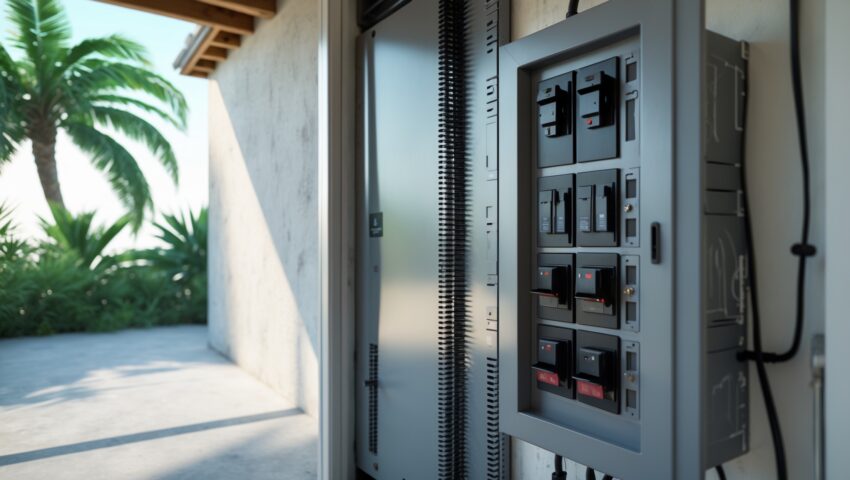
Introduction: Why Electrical Panel Upgrades Matter for Florida Homeowners
For Florida homeowners, ensuring your electrical system is up to date is more than a matter of convenience—it’s about safety, compliance, and protecting your home from hazards common to the region. With the state’s frequent storms, high humidity, and growing demand for home upgrades like EV chargers and whole-house generators, your electrical panel is the heart of your home’s power system. Many Florida homes built before the 1990s still operate on original panels, which may not be equipped to handle modern electrical loads or comply with today’s strict building codes. Outdated panels can increase fire risks, void insurance policies, and limit your ability to safely upgrade appliances or add new features. This comprehensive guide walks you through every aspect of a code-compliant electrical panel upgrade in Florida—from understanding the real costs and navigating the permit process, to passing inspections and avoiding common mistakes. Whether you’re planning a major renovation, expanding your living space, or simply want peace of mind, this guide delivers actionable, Florida-specific insights to ensure your upgrade is smooth, legal, and future-ready.
Understanding When and Why to Upgrade Your Electrical Panel
Signs Your Panel Needs an Upgrade
- Frequent breaker trips: A clear sign your panel is overloaded or failing.
- Flickering or dimming lights: Especially when using major appliances.
- Original panel is over 25 years old: Particularly those manufactured by Federal Pacific, Zinsco, or Sylvania, which are notorious for safety issues.
- Adding major appliances: EV chargers, HVAC systems, or hot tubs often require more amps than older panels provide.
- Insurance requirements: Many Florida insurers now mandate upgraded panels for coverage or renewal.
Florida’s Unique Electrical Risks
Florida’s humidity, high salt content in coastal air, and frequent lightning strikes increase the risk of electrical corrosion and surges. Older panels, especially those not rated for these conditions, are more likely to fail or create fire hazards. Upgrading ensures your home is better protected against these local threats.
Cost Breakdown: What Florida Homeowners Can Expect
Typical Price Ranges
- Standard 100-amp upgrade: $1,500–$2,500
- 200-amp upgrade (most common): $2,500–$4,500
- Complex panel or meter replacements: $4,000–$7,500+
These ranges include materials, licensed electrician labor, permit fees, and inspection costs. Costs can rise for homes with difficult access, outdated wiring, or the need for service mast or meter upgrades (often required by utility companies).
Key Cost Factors
- Panel size and brand: Larger amps and premium brands cost more, but are often required for future-proofing.
- Location of panel: Panels inside finished walls or garages may require additional drywall or finish work.
- Utility coordination: In Florida, your local utility may require temporary power shutoff and reconnection, which adds to labor and scheduling costs.
- Code upgrades: GFCI and AFCI breakers, surge protection, and proper labeling are now mandatory under Florida Building Code (FBC) and NEC 2023.
- Permit and inspection fees: Vary by county, typically $75–$400.
Permitting: Navigating Florida’s Regulatory Requirements
Why Permits Are Mandatory
In Florida, all major electrical work—including panel upgrades—requires a permit from your local building department. Unpermitted work can void insurance, result in fines, and delay home sales or refinancing. Inspections are required to verify code compliance and safety.
How to Obtain an Electrical Permit
- Hire a licensed electrician: Florida law requires a state-certified or registered electrical contractor to pull permits for panel upgrades. DIY is rarely allowed for main service panels.
- Submit permit application: Your electrician files plans and a permit application with your city or county. Expect to provide a current site plan, electrical load calculations, and panel specs.
- Pay permit fees: Fees depend on project size and jurisdiction.
- Receive permit and schedule work: Work cannot begin until the permit is issued. Emergency replacements may have a fast-track process, but still require a permit.
Common Permit Pitfalls
- Unlicensed contractors: Hiring unlicensed help is illegal and can invalidate your permit and insurance.
- Missing load calculations: Florida code requires proof your new panel can safely handle your home’s electrical needs.
- Skipping utility notification: Some utilities require notification and inspection before reconnecting service after a panel change.
Code Compliance: What Florida Inspectors Look For
Updated Florida Building Code and NEC Standards
Florida enforces the Florida Building Code (FBC) and the National Electrical Code (NEC), currently based on the 2023 NEC. Key requirements include:
- Proper ampacity: Most modern homes require 200 amps, especially if adding high-load appliances or EV chargers.
- Surge protection: Whole-house surge protective devices (SPDs) are now required for new and replacement panels.
- GFCI and AFCI breakers: Required for most circuits to prevent shock and fire hazards.
- Bonding and grounding: Properly installed ground rods and bonded neutral/ground connections are critical for storm-prone Florida.
- Panel labeling: Circuits must be clearly and permanently labeled for each breaker.
- Panel accessibility: Code requires 36 inches of clear space in front of the panel and at least 30 inches wide for safe access.
Special Requirements for Older Florida Homes
- Aluminum wiring: Must be properly terminated using approved connectors or replaced.
- Cloth-insulated wires: Often found in pre-1960s homes and usually require updating during panel replacement.
- Moisture-prone areas: Panels exposed to Florida’s humidity or outdoor locations must be rated for wet/damp environments and properly sealed.
Inspection Essentials: How to Pass the First Time
What Inspectors Will Check
- Permit display: Ensure your permit is posted and visible on site.
- Panel installation: Inspectors look for correct mounting, securely fastened wires, and manufacturer-specified clearances.
- Breaker sizing: Each breaker must be matched to wire size and intended circuit load.
- Ground and bonding: Inspectors test for correct grounding and bonding at the panel and service entrance.
- Labeling: All circuits must be clearly labeled and legible.
- Surge protection: Inspectors will verify the installation of a listed surge protective device.
- Photo documentation: Some Florida counties require photo evidence of concealed wiring before covering walls.
Pro Tips to Avoid Common Failures
- Pre-inspection walk-through: Ask your electrician to review the entire installation before the inspector arrives.
- Documentation ready: Have product manuals for breakers, surge devices, and the new panel on hand for reference.
- Clear the area: Remove storage or obstacles near the panel so the inspector has full access.
- Photograph progress: Take photos at each stage in case questions arise.
Working With Utilities: Coordination and Service Shutdowns
Notifying the Utility Company
Most Florida utilities require advance notice for panel upgrades, especially if meter bases are replaced. Your electrician typically submits a service request, after which the utility schedules a temporary power shutdown and reconnection. Some utilities require their own inspection before restoring service, which can affect your project timeline.
Managing Temporary Power Loss
- Plan for downtime: Most panel upgrades require 4–8 hours without power. Schedule accordingly and notify household members in advance.
- Protect perishables: Unplug sensitive electronics and keep refrigerator/freezer doors closed to minimize spoilage.
- Medical needs: Arrange alternative power if anyone in the home relies on electrically powered medical devices.
Insurance Essentials for Electrical Upgrades
How Panel Upgrades Affect Home Insurance in Florida
Many Florida insurers require upgraded panels as a condition of coverage, especially after claims or when renewing policies for older homes. Some may even offer premium discounts after proof of a code-compliant upgrade. Always notify your insurer after the work is complete and be ready to provide:
- Permit documentation
- Final inspection approval
- Photographs of the new panel and labeling
Failure to upgrade a recalled or obsolete panel can result in denial of future claims, especially after electrical fires or storm events.
Documenting the Upgrade for Claims
- Keep all receipts: For both labor and materials.
- Save permit and inspection records: Most counties now provide digital copies—store them securely.
- Take before-and-after photos: These are valuable if you ever need to prove the upgrade to an adjuster or during a sale.
Step-by-Step: The Electrical Panel Upgrade Process in Florida
1. Assessment and Planning
- Hire a licensed Florida electrician for a site evaluation.
- Discuss your current and future electrical needs (appliances, EVs, additions).
- Choose the appropriate panel size and location, considering future expansion.
2. Permit Application and Scheduling
- Electrician prepares load calculations and submits the permit application.
- Coordinate with the utility for a shutdown date.
3. Panel Installation
- Power is safely disconnected by the utility.
- Old panel is removed, and new panel is installed and wired to code.
- Surge protector and required breakers (GFCI/AFCI) are installed.
- Grounding and bonding are upgraded if needed.
4. Inspection and Utility Reconnection
- City/county inspector verifies installation for code compliance.
- Utility reconnects power after inspection approval.
5. Final Documentation and Insurance Notification
- Receive a signed inspection card or digital approval.
- Notify your home insurer and provide documentation.
Maintenance Best Practices After a Panel Upgrade
Routine Checks and Upkeep
- Annual visual inspection: Check for rust, heat discoloration, or loose breakers.
- Test GFCI/AFCI breakers: Use the test button to ensure proper operation every 6 months.
- Keep the area dry and clear: Store nothing within 3 feet of the panel to ensure access and prevent moisture buildup.
- Update labeling as changes are made: If you add or change circuits, update the panel directory.
When to Call a Pro
- Any sign of arcing, burning smell, or heat at the panel.
- Visible corrosion on breakers or bus bars.
- Breakers that won’t reset or keep tripping without clear cause.
Conclusion: Investing in Safety, Compliance, and Peace of Mind
Upgrading your home’s electrical panel in Florida is not just a smart investment—it’s a necessity for safety, code compliance, and long-term property value. With the region’s unique weather, strict permitting requirements, and evolving insurance standards, a code-compliant upgrade protects you from fire hazards, power outages, and potential insurance headaches. By understanding the real costs, navigating the permit and inspection process, and working with licensed professionals, you can avoid costly pitfalls and ensure your upgrade passes inspection the first time. Meticulous documentation and good communication with your utility and insurer can even lead to lower premiums or faster claims processing. Don’t wait for a failed panel, flickering lights, or an insurer’s warning letter—proactive upgrades mean fewer surprises and a safer, more resilient home. If you’re considering an electrical panel upgrade, start by consulting a licensed Florida electrician, and use this guide to ask the right questions, plan your budget, and protect your investment for years to come.
If my house was built in the late 1980s and still has the original panel, how do I know if it needs to be upgraded just because of age, or should I wait for specific issues like breaker trips or flickering lights to show up first?
An electrical panel from the late 1980s may not meet current safety standards or handle today’s higher household electrical demands. Even if you haven’t noticed problems, age alone can be a reason to consider an upgrade, especially for insurance or resale purposes. It’s wise to have a licensed electrician inspect your panel to check for deterioration, outdated components, or safety issues—don’t wait for visible problems to appear.
Does the guide mention any estimated costs for upgrading an original panel to support something like an EV charger in Florida, especially considering the extra risks from humidity and storms here?
The guide discusses general cost ranges for electrical panel upgrades in Florida, noting that prices typically start around $1,500 and can go up to $4,000 or more, depending on the work needed and local conditions. It highlights that installing an EV charger often requires a higher-capacity panel and mentions that Florida’s humidity and storm risks may increase costs, especially if additional weatherproofing or surge protection is required.