

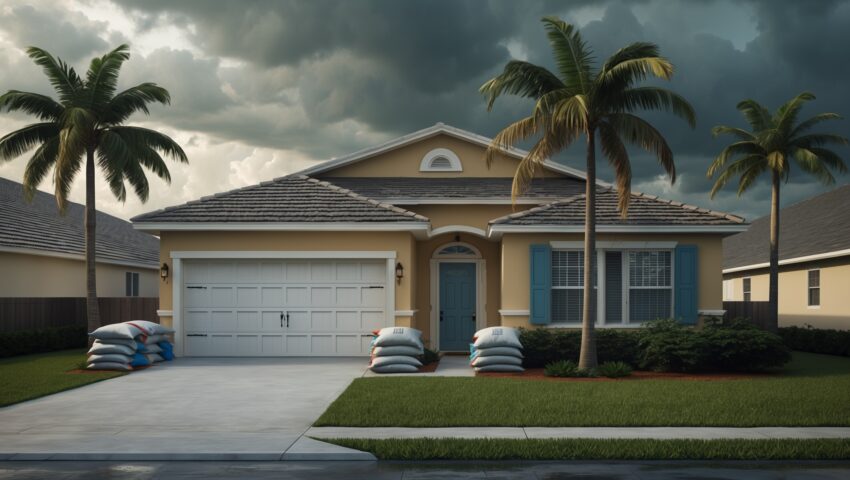
Introduction: Why Florida Hurricane Prep Is Non-Negotiable in 2024
Living in Florida means accepting the unique beauty—and risks—of the Sunshine State. With the Atlantic hurricane season running from June 1 to November 30, Florida homeowners face annual threats that can test even the best-prepared properties. The frequency and intensity of storms have increased in recent years, with insurance markets tightening, building codes evolving, and legal settlements playing a larger role in post-storm recovery. Whether you’re a seasoned resident or a recent transplant, understanding how to prepare your home, document your assets, and navigate insurance coverage is essential—not just for peace of mind, but to safeguard your property and investment. This comprehensive guide delivers a detailed, actionable hurricane preparation checklist tailored for Florida, with a strong focus on insurance best practices, compliance with state and local regulations, and strategies for maximizing your settlement if disaster strikes. By following this up-to-date resource, you’ll be equipped to weather any storm season with confidence.
Understanding Hurricane Risks and Legal Landscape in Florida
Florida’s Hurricane History and 2024 Outlook
Florida leads the nation in hurricane landfalls, with over 120 direct hits since record-keeping began. Recent years have seen storms like Ian and Idalia cause billions in damages, highlighting the need for robust preparation. In 2024, meteorologists predict an above-average season, influenced by warm Atlantic waters and shifting El Niño/La Niña patterns.
How Legal Settlements and Insurance Trends Affect Homeowners
Florida’s property insurance market has faced major upheaval, driven by massive storm payouts, legal reforms, and insurers exiting the market. Legislative changes in 2022–2023 have redefined claim timelines, assignment of benefits, and what insurers must cover. Settlements now often require strict compliance documentation and proof of mitigation efforts—a critical reason why thorough hurricane prep matters more than ever.
Florida’s Essential Hurricane Prep Checklist for Homeowners
1. Review and Update Your Insurance Coverage
- Policy Review: Confirm your policy covers wind, flood, and water intrusion. Many standard policies exclude flood damage—purchase NFIP or private flood insurance if needed.
- Coverage Limits: Ensure dwelling and contents limits reflect current rebuild and replacement costs.
- Deductibles: Understand hurricane and windstorm deductibles (often 2–5% of insured value).
- Special Endorsements: Consider law & ordinance coverage, additional living expenses (ALE), and code upgrade riders.
2. Document Your Home and Belongings
- Photo and Video Inventory: Walk through your home with a smartphone, recording all rooms, closets, garage, and exterior.
- Receipts and Appraisals: Gather proof of purchase for high-value items—jewelry, electronics, art, appliances.
- Cloud Storage: Upload digital records to a secure cloud service accessible after a disaster.
3. Inspect and Harden Your Home’s Exterior
- Roof: Check for loose shingles, damaged flashing, and secure all vents. Schedule repairs for any issues.
- Windows and Doors: Install or test hurricane shutters, impact glass, and reinforce garage doors.
- Gutters and Drains: Clean and clear to prevent water pooling and roof damage.
- Yard: Trim trees, remove dead limbs, and secure or store patio furniture, grills, and garden decor.
- Generators: Test backup generators and stock fuel (store safely and legally).
4. Secure Permits and Check Compliance for Upgrades
- Permitting: Any installation of hurricane shutters, roof reinforcements, impact windows/doors, or generators typically requires local permits in Florida.
- Code Compliance: Ensure upgrades meet Florida Building Code (FBC), especially wind-resistance standards for your region.
- Documentation: Keep all permits and contractor agreements—insurers may request proof of code compliance after a storm.
5. Prepare an Emergency Supplies Kit
- One gallon of water per person per day for at least three days
- Non-perishable food and manual can opener
- Battery-powered radio and extra batteries
- First aid kit and necessary medications
- Flashlights, headlamps, and spare batteries
- Multi-tool or basic toolkit
- Portable phone chargers (fully charged in advance)
- Cash (ATMs and card readers may fail)
- Important documents in waterproof container (ID, insurance, deeds)
6. Develop a Family and Property Evacuation Plan
- Know your evacuation zone and local routes (find on county emergency management websites)
- Designate a meeting place and phone contact outside the storm zone
- Pre-arrange lodging for pets—many shelters do not accept animals
- Identify how you’ll secure your home before leaving (shut off water, electricity if advised)
Insurance Best Practices: Maximizing Coverage and Minimizing Hassle
Pre-Storm Insurance Strategies
- Annual Policy Review: Meet with your agent each spring to review endorsements and limits.
- Flood Insurance: Purchase well before hurricane season—NFIP policies have a 30-day waiting period.
- Mitigation Credits: Ask about premium discounts for wind mitigation features (roof straps, impact windows).
Filing Claims: What to Document and When
- Before the Storm: Take updated photos/videos of your home and contents. Ensure time-stamps are visible.
- Immediately After: Document all damage before beginning cleanup. Photograph water lines, roof damage, and interior impacts.
- Mitigation Steps: Take reasonable steps to prevent further damage (tarping roofs, boarding windows)—save receipts for all supplies.
- File Promptly: Florida law now requires claims to be filed within one year of discovering damage, but insurers expect prompt notice after an event.
- Communicate in Writing: Keep records of all communication with your insurer and adjusters.
Common Insurance Mistakes Florida Homeowners Make
- Underinsuring: Not accounting for increased rebuild costs or new code requirements.
- Ignoring Flood Risk: Assuming homeowners insurance covers flooding (it does not).
- Poor Documentation: Failing to keep updated inventories or proof of upgrades.
- Neglecting Maintenance: Insurers may deny claims for damage caused by pre-existing neglect (e.g., old roof leaks).
Seasonal Maintenance and Pre-Storm To-Do List
Spring (March–May): Pre-Season Prep
- Schedule roof and gutter inspection
- Trim trees and shrubbery away from structures
- Review insurance policy and update inventory
- Test generators and backup power systems
Early Summer (June): Final Readiness
- Install or test hurricane shutters and impact protection
- Stock emergency supplies and check expiration dates
- Review evacuation plan with all household members
- Secure important documents in waterproof, portable containers
During Hurricane Season: Ongoing Vigilance
- Monitor weather alerts and local advisories
- Keep supply kits accessible
- Refuel vehicles and backup generators regularly
- Re-check insurance contacts and claim procedures
After a Storm: Immediate Steps
- Ensure safety first—avoid downed power lines and flooded areas
- Photograph and video all damage before repairs or cleanup
- Contact your insurer and document all conversations
- Begin mitigation repairs to prevent further damage (save receipts)
- Consult with a licensed public adjuster if claim issues arise
Compliance, Permits, and Community Resources
Understanding Florida Building Code (FBC) and Local Requirements
The FBC is among the strictest in the U.S. for hurricane resistance. Check your local building department for specific wind-load requirements, especially if your home is in a High-Velocity Hurricane Zone (HVHZ) such as Miami-Dade or Broward counties. Many municipalities have expedited permit processes for storm mitigation projects. Always use licensed contractors, as unpermitted work can void insurance claims or legal settlements.
Where to Get Help: Local and State Resources
- Florida Division of Emergency Management: floridadisaster.org – evacuation zones, shelter maps, and storm updates
- National Flood Insurance Program (NFIP): floodsmart.gov – flood insurance info and resources
- Local Building Departments: City/county websites for permit requirements and hurricane retrofit incentives
- 211 Helpline: Community disaster assistance and shelter info
Debunking Common Hurricane Prep Myths in Florida
- “I’m inland, so I don’t need to worry.” Major hurricanes cause wind and flood damage far from the coast. Inland flooding is a leading cause of home losses.
- “Tape on windows protects against wind.” Tape does not prevent breakage or flying debris—only impact-rated shutters or glass provide real protection.
- “I can buy insurance right before a storm.” Most insurers stop writing new policies or flood coverage when a storm approaches. Buy early.
- “Homeowners insurance covers everything.” Flood, sewer backup, and certain wind-driven rain damages are usually excluded; read your policy carefully.
Case Study: How Comprehensive Prep Saved a Sarasota Family’s Home and Claim
After Hurricane Ian, the Martinez family in Sarasota faced major roof and water intrusion damage. Because they had thoroughly documented their belongings, upgraded to impact windows (with permits and receipts), and maintained an updated insurance policy, their claim was processed quickly. Their insurer cited the family’s mitigation efforts and compliance documentation as key reasons for a full payout—funds they used for code-compliant repairs. In contrast, several neighbors saw claims delayed or reduced due to missing documentation or unpermitted upgrades.
Conclusion: Your 2024 Action Plan for a Safer, Smarter Hurricane Season
Florida’s hurricane season is a fact of life, but being unprepared doesn’t have to be. By proactively reviewing your insurance, documenting your property, maintaining compliance with building codes, and following a detailed hurricane prep checklist, you dramatically increase your home’s resilience and your ability to recover quickly after a storm. Remember, the combination of proper physical preparation and meticulous insurance planning is your best defense—not just for your property, but for your financial security and peace of mind.
Don’t wait for the first storm warning to act. Update your emergency kit, review your evacuation plan, and connect with your insurance agent now. Small steps—like securing permits for upgrades, trimming trees, or photographing your belongings—can make a world of difference when disaster strikes. Florida’s unique legal and insurance landscape means that well-prepared homeowners are rewarded with faster settlements and fewer headaches. Use this checklist as your seasonal guide, and revisit it every spring to ensure your home is ready for whatever the 2024 hurricane season brings. With diligence and the right resources, you can protect your investment, your loved ones, and your future—no matter what the weather holds.