

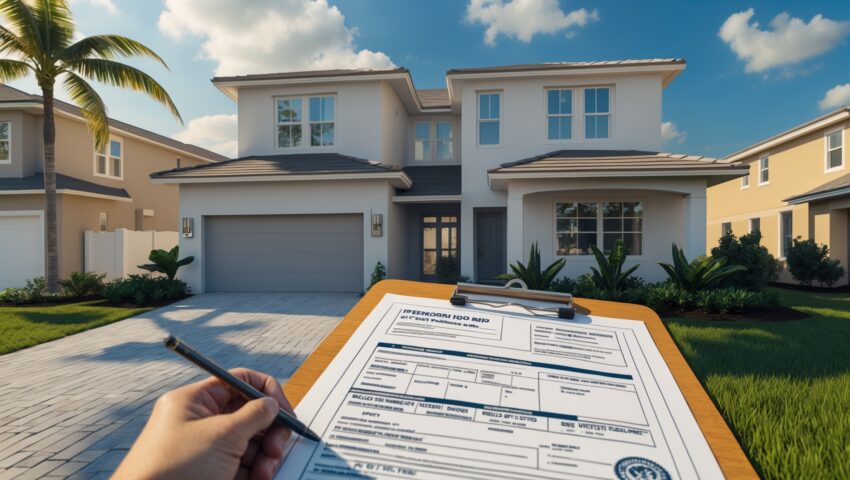
Renovating your Florida home can be an exciting journey, whether you’re upgrading for hurricane resilience, adding value, or simply refreshing your living space. However, a permit denial can stop your project in its tracks, causing frustration and costly delays. While Florida’s building codes and permitting processes are designed to protect homeowners and communities, they can be complex and, at times, confusing. Each county and municipality operates under its own set of rules, and even experienced contractors occasionally find themselves navigating a maze of requirements and red tape. If you’ve recently had your home improvement permit application denied, you’re not alone. Understanding why denials happen and how to successfully appeal is crucial for keeping your renovation on track.
This comprehensive guide walks you through the entire permit appeal process in Florida. We’ll explore the most common reasons permits are denied, the steps you need to take to file an appeal, the documentation you’ll need, and practical strategies for improving your chances of success. Whether you’re a first-time homeowner or a seasoned renovator, you’ll find actionable advice tailored to Florida’s unique legal and regulatory landscape. With the right approach and knowledge, you can overcome permitting hurdles and move forward confidently with your residential upgrades.
Understanding Florida’s Home Renovation Permit System
Why Permits Are Required
Permits ensure that all construction and renovations meet safety standards, zoning laws, and environmental regulations. In Florida, permits are required for most structural, electrical, plumbing, and major mechanical work. The permit system protects homeowners, neighbors, and future buyers by ensuring compliance with the Florida Building Code (FBC) and local ordinances.
Who Issues Permits?
Each county and municipality has its own Building Department or Planning and Zoning office. These agencies review applications, inspect work, and enforce compliance. Some cities—like Miami, Tampa, and Orlando—have stricter enforcement and unique forms, while smaller municipalities may use county standards. Always verify which authority governs your property before applying.
Common Projects Requiring Permits
- Room additions or conversions
- Structural repairs
- Roof replacements
- Electrical upgrades
- Pool installations
- Major plumbing work
- Window and door replacements (especially impact-rated)
Top Reasons Renovation Permits Are Denied in Florida
1. Incomplete or Incorrect Application
Missing paperwork, vague project descriptions, or inaccurate property details are among the most common causes of denial. Each jurisdiction has specific forms and submission requirements—failure to follow them or provide required documents almost always leads to delays or outright rejection.
2. Code Violations
If your plans don’t comply with the Florida Building Code, local amendments, or zoning regulations (e.g., setbacks, lot coverage, floodplain regulations), you’ll be denied. Code violations can be technical, such as insufficient wind-load calculations for hurricane protection, or zoning-based, such as exceeding height limits.
3. Missing or Insufficient Plans
Many projects require signed and sealed plans from a Florida-licensed architect or engineer. Submitting sketches, out-of-date blueprints, or plans without required professional stamps will result in automatic denial for most structural or major system upgrades.
4. Contractor Licensing Issues
Permits may be denied if your contractor is not properly licensed for the type of work proposed, or if their license status is expired, suspended, or not recognized in your jurisdiction. Homeowners acting as their own contractor must meet strict requirements and sign affidavits in many counties.
5. Outstanding Violations or Unpermitted Work
If your property has existing code violations, open permits, or unpermitted work, authorities may deny new permits until these issues are resolved.
6. Environmental and Flood Zone Concerns
Florida’s unique geography means many homes are in flood zones or sensitive environmental areas. Projects that impact wetlands, shorelines, or flood-prone land may require additional review or permits from state or federal agencies. Failure to address these concerns leads to denials.
Immediate Steps to Take After a Permit Denial
1. Obtain a Written Explanation
Request a formal denial letter or notice listing all reasons for denial. This document is critical for understanding what needs to be addressed and forms the basis of your appeal.
2. Set Up a Meeting with the Building Department
Don’t rely on phone calls or emails alone. Schedule an in-person or virtual meeting with a plan reviewer or permitting official. Bring all application materials, denial notice, and any correspondence. Ask for clarification on each issue and take detailed notes.
3. Identify Correctable Issues
Some problems—like missing forms or minor plan errors—can be quickly fixed and resubmitted. Others, like zoning or environmental violations, require more substantial changes or a formal appeal process.
Florida Permit Appeal Process: Step-by-Step Guide
Step 1: Review Local Appeal Procedures
Each county or city has its own process for appealing permit denials, typically outlined on their official website or in the denial notice. Procedures may include specific forms, deadlines (often 10–30 days), and required fees.
Step 2: Gather Documentation
- Original permit application and plans
- Denial notice
- Correspondence with officials
- Revised plans or supporting documents
- Photos, surveys, or expert reports if applicable
Step 3: Prepare a Formal Appeal Letter
Your appeal letter should clearly explain why you believe the permit should be granted, addressing each item listed in the denial. Include references to applicable codes, ordinances, or legal precedents where possible. Attach all supporting documents and revised plans.
Step 4: Submit Your Appeal
Appeals are typically filed with the Building Department, Zoning Board, or a designated local board of adjustment. Confirm submission requirements (number of copies, digital uploads, etc.) and pay any required fees.
Step 5: Attend the Hearing or Review Meeting
Most appeals involve a public hearing or administrative review. Be prepared to present your case, answer questions, and respond to staff reports. You may bring your contractor, architect, or attorney for support, especially for complex or high-value projects.
Step 6: Receive the Decision
Boards usually issue a decision at the hearing or within a few weeks. If your appeal is granted, you can proceed with permitting. If denied, you may have further options, such as appealing to a higher board or circuit court.
Practical Tips for a Successful Permit Appeal
1. Work with Experienced Professionals
For complex projects or appeals involving technical code issues, hire a Florida-licensed architect, engineer, or code consultant. Their expertise can clarify technical disputes and provide credibility to your appeal.
2. Address All Denial Reasons Thoroughly
Don’t focus on just the main issue—address every item listed in the denial. Even one unresolved issue can lead to a second denial.
3. Stay Organized and Meet Deadlines
Missing an appeal deadline can forfeit your rights. Create a checklist of all required documents, dates, and steps. Keep copies of all submissions and correspondence.
4. Be Respectful and Cooperative
Building officials have discretion and are more likely to work with homeowners who are courteous and prepared. Avoid adversarial language and show a willingness to comply with reasonable requests.
5. Consider Modifying Your Project
Sometimes, a small design change can resolve code or zoning conflicts. Be open to compromises suggested by reviewers; these often lead to faster approvals.
6. Understand Local Variances
If your appeal relates to zoning (such as setbacks or lot coverage), you may need to apply for a variance. This is a separate process that requires showing a unique hardship and that your project won’t harm neighbors or the public.
Special Considerations for Common Florida Situations
Appealing Denials in Flood Zones
Flood-prone properties often face stricter permitting standards. If your home is in a Special Flood Hazard Area (SFHA), you may need to provide additional elevation certificates, floodproofing plans, or obtain federal or state approvals. Work closely with a surveyor and review FEMA guidelines before appealing.
Historic Home Renovations
Homes in designated historic districts require additional review by local preservation boards. Denials in these cases may relate to architectural style, materials, or changes to visible features. Provide detailed restoration plans and reference historic preservation guidelines in your appeal.
Unpermitted Past Work
If your denial is due to prior unpermitted work (even by previous owners), you may need to apply for an “after-the-fact” permit and schedule inspections to bring existing work up to code. Addressing these issues proactively in your appeal improves your chances.
Sample Permit Appeal Letter Template
Below is a basic template to help you structure your appeal letter. Customize it for your situation and jurisdiction:
[Date]
[Your Name]
[Property Address]
[City, State, ZIP]
[Permit Application Number]

To: [Building Department or Review Board Name]

Subject: Appeal of Permit Denial for [Project Description]

Dear [Official or Board Name],

I am writing to formally appeal the denial of my permit application, dated [date], for [brief project description]. The denial cited the following issues: [summarize reasons].

In response, I have taken the following corrective actions: [list actions, such as providing revised plans, additional documentation, or addressing code issues].

Attached are updated plans and supporting materials that demonstrate compliance with all applicable codes and ordinances. I respectfully request that my application be reconsidered and the permit approved.

Thank you for your attention to this matter. I am happy to provide any further information as needed.

Sincerely,
[Your Name]
What to Do if Your Appeal Is Denied
Appeal to a Higher Board or Circuit Court
If your appeal is denied by a local board, you may have the right to appeal further to a county commission, state review board, or local circuit court. This process is more formal and may require legal representation. Deadlines are strict—usually 30 days or less—so act quickly.
Alternative Approaches
- Modify your project to address concerns and reapply.
- Consult with a new architect, engineer, or permitting specialist for a fresh perspective.
- Engage with local neighborhood associations or advisory groups if their support can help your case.
Cost Considerations and Budgeting for Permit Appeals
Direct Costs
- Appeal filing fees (often $100–$500, varies by jurisdiction)
- Professional fees for architects, engineers, or legal counsel
- Costs for revised plans, surveys, or additional studies
Indirect Costs
- Project delays, which can increase material and labor costs
- Temporary housing if major work is delayed and property is uninhabitable
- Potential fines for unpermitted work uncovered during the process
Budgeting Tips
- Set aside 5–10% of your project budget for permitting and appeals contingencies
- Ask your contractor to estimate time and costs for addressing possible denials
- Keep detailed records of all expenses related to the appeal process
Preventing Permit Denials: Proactive Best Practices
1. Do Thorough Research Before Applying
Study your local building codes, zoning maps, and permit checklists. Many Florida counties offer pre-application meetings or online resources to help you prepare a complete package.
2. Hire the Right Professionals from the Start
Work with licensed, insured, and locally experienced contractors, architects, or engineers who understand your jurisdiction’s requirements and have a track record of successful permit approvals.
3. Double-Check All Submissions
Review your application for completeness and accuracy. Missing signatures, outdated plans, or incomplete forms are frequent causes of denial.
4. Communicate Early and Often
Reach out to local officials with questions and clarify ambiguities before submitting. Early engagement builds relationships and can smooth over minor issues before they become grounds for denial.
5. Plan for Extra Time
Permit reviews can take weeks or months, especially for large or complex projects. Build extra time into your project schedule and communicate realistic expectations to contractors and lenders.
Conclusion: Turning a Permit Denial into a Successful Florida Home Upgrade
While a permit denial may seem like a major setback, it’s often just a temporary pause on your path to a better home. Understanding the reasons behind denials, knowing your rights, and following a clear, organized appeal process can transform a frustrating moment into a valuable learning experience. Many Florida homeowners have successfully navigated the appeals process, ultimately securing permits for projects that enhance safety, comfort, and resale value.
Remember: The key to a successful appeal is preparation and persistence. Start by obtaining a clear, written explanation of your denial and meet directly with your local permitting officials. Address every concern thoroughly, provide all required documentation, and consider professional help for technical or legal challenges. Stay organized, courteous, and open to constructive feedback—these qualities often make the difference between a denied and an approved appeal.
Finally, use this experience as an opportunity to strengthen your understanding of Florida’s building codes and permitting system. Take proactive steps for future projects: research local requirements, hire reputable professionals, and maintain clear communication at every stage. By mastering the permit process, you position yourself not just for a successful renovation, but for a smoother, more confident homeowner experience in Florida’s dynamic and ever-evolving residential landscape.