

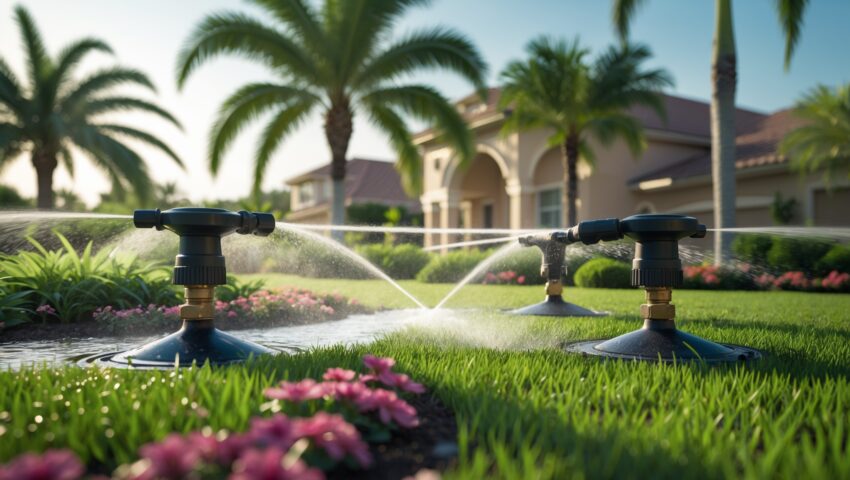
Introduction: Why Smart Irrigation Matters for Florida Homeowners
Florida’s unique climate brings both lush growth and water challenges for residential landscapes. With frequent droughts, water restrictions, and increasingly strict regulations, a well-designed irrigation system is vital not just for curb appeal but for compliance and water conservation. Whether you’re considering a new installation, upgrading an aging setup, or recovering from legal disputes over water use or landscape damage, understanding the cost, permit pathways, and technological advancements is essential. This comprehensive guide walks you through the practical realities of installing or upgrading home irrigation systems in Florida—covering cost analysis, permit requirements, and drought-resilient upgrades that meet today’s standards. You’ll learn how to avoid costly mistakes, comply with local codes, and future-proof your landscape against water shortages. If you want to keep your Florida yard thriving without running afoul of local ordinances or breaking the bank, read on for up-to-date, actionable advice.
Section 1: Understanding Florida’s Irrigation Landscape
Common Irrigation System Types
- Pop-up Sprinkler Systems: Ideal for lawns; retract when not in use.
- Drip Irrigation: Targeted watering for flower beds, shrubs, and gardens; highly efficient.
- Rotor Systems: Cover large areas with rotating streams; suitable for bigger properties.
- Micro-spray Systems: Gentle, low-flow for delicate or densely planted beds.
Climate, Water Restrictions, and Legal Context
Water management districts in Florida, such as the South Florida Water Management District (SFWMD) and St. Johns River Water Management District (SJRWMD), enforce watering days, times, and even types of permitted irrigation. Non-compliance can result in hefty fines or legal disputes—especially in HOA communities or after drought declarations. Furthermore, the risk of legal settlements over property damage from overwatering or runoff is rising. This makes compliance and system efficiency crucial for homeowners.
Section 2: Cost Breakdown of Florida Home Irrigation Systems
Installation Cost Factors
- System Type: Drip ($1,000–$3,000), spray ($1,500–$4,000), or combination systems ($2,500–$5,500) for average suburban lots.
- Lot Size and Complexity: Larger or irregular lots increase material and labor costs.
- Soil and Landscape Features: Sandy soils may require deeper trenching; mature trees or hardscapes add complexity.
- Number of Zones: More zones allow targeted watering but increase controller and valve costs.
Typical Price Ranges
- New Installations: $1,500–$6,000 for a standard residential setup (front and back yard).
- Upgrades/Retrofits: $800–$2,500 for smart controllers, rain sensors, or converting spray heads to drip zones.
- Annual Maintenance: $100–$500 for routine checks, seasonal adjustments, and minor repairs.
Additional Costs to Consider
- Permitting Fees: $50–$300 depending on municipality and project scope.
- Backflow Preventer Installation: $200–$600 (required by code in most areas).
- Water Meter Upgrade: $300–$900 if a dedicated irrigation meter is required or desired.
- Legal/HOA Review: $0–$500+ if legal review or HOA architectural approval is needed after a settlement or dispute.
Budget for unexpected costs such as underground utility rerouting or landscape restoration post-installation.
Section 3: Navigating Permitting and Code Compliance in Florida
When Permits Are Required
- All new irrigation system installations.
- Major modifications (e.g., adding new zones, installing backflow prevention, or tying into potable water systems).
- System relocations or expansions after property line changes or settlements.
Permit Application Process
- Prepare a Scaled Site Plan: Include property boundaries, existing structures, proposed irrigation zones, and plant beds.
- Specify Equipment: List all sprinkler heads, valves, controllers, and backflow prevention devices.
- Submit Application: Apply at your city or county building department (some offer online portals).
- Pay Fees: Fees vary; check your local government’s fee schedule.
- Schedule Inspections: Most jurisdictions require an inspection before system burial and a final inspection for code compliance.
Common Permit Pitfalls and How to Avoid Them
- Failing to include accurate as-built drawings (may delay approval).
- Omitting backflow prevention (almost always mandatory).
- Not obtaining HOA approval first (can result in costly system removal).
- Ignoring water efficiency ordinances (most cities now require rain sensors or smart controllers).
Section 4: Drought-Resilient and Smart Irrigation Upgrades
Why Upgrade?
Florida’s weather swings from heavy rain to drought, making efficient irrigation essential. Drought-resilient upgrades not only save water and money but also reduce legal risk for runoff, neighbor disputes, or HOA violations.
Top Drought-Resilient Technologies
- Smart Wi-Fi Controllers: Adjust watering schedules automatically based on local weather data. Brands like Rachio or Rain Bird ESP-TM2 are popular and easy to retrofit.
- Rain and Soil Moisture Sensors: Prevent overwatering by pausing irrigation after rainfall or when soil is already moist.
- Pressure-Regulated Heads: Ensure uniform coverage and reduce misting that wastes water in breezy conditions.
- Drip Conversion Kits: Replace traditional spray heads in garden beds with drip emitters to minimize evaporation.
- Zoning by Plant Type: Grouping plants with similar water needs allows more granular control and reduces waste.
Designing for Water Conservation
- Choose drought-tolerant native plants and turf species to minimize irrigation needs.
- Mulch beds to retain soil moisture and reduce evaporation.
- Install rain barrels or cisterns (where allowed) for supplemental irrigation.
Section 5: Step-by-Step Setup and Upgrade Process
1. Assess Your Landscape
- Map sun/shade areas and note plant types.
- Evaluate soil type and drainage patterns (sand, loam, or clay affect watering needs).
- Identify slopes or hardscapes that may cause runoff.
2. Design the System
- Determine the number of zones based on plant groupings and water source capacity.
- Lay out head-to-head coverage for sprinkler zones; avoid overlapping spray patterns.
- Plan for drip zones in beds and under trees.
3. Obtain Permits and Approvals
- Submit your site plan and equipment list to the city or county permitting office.
- Secure HOA approval if required.
4. Choose Qualified Installers
- Hire a licensed and insured irrigation contractor familiar with Florida codes.
- Request references and view past project photos.
- Ask for proof of backflow certification.
5. System Installation
- Contractor will mark utilities (via 811 “Call Before You Dig”).
- Trenching is performed for piping; heads and valves installed according to plan.
- Backflow preventer and controller are placed in accessible locations.
- System is pressure-tested and inspected prior to backfilling trenches.
6. Post-Installation
- Schedule required inspections for code sign-off.
- Calibrate controller zones and test rain/soil sensors.
- Ask for as-built plans and a maintenance schedule from your contractor.
Section 6: Insurance, Legal, and Settlement Considerations
Insurance Essentials
- Standard homeowner’s insurance rarely covers irrigation system damage unless caused by a covered peril (e.g., lightning, falling tree).
- Flooding or water damage claims from irrigation system failure may be denied if installation was unpermitted or in violation of codes.
- Consider adding a rider for high-value landscaping or irrigation equipment.
Legal Settlements and Dispute Prevention
- Keep detailed records of permits, inspections, and contractor invoices.
- Document all upgrades and repairs, especially after a property boundary dispute or water damage claim.
- Obtain written HOA approval for system installs or major upgrades.
- Address neighbor complaints about runoff or noise promptly—mediation is preferable to litigation.
Section 7: Maintenance Best Practices for Florida Irrigation Systems
Routine Maintenance Checklist
- Check for leaks or broken heads monthly—Florida’s sandy soils can hide leaks underground.
- Adjust spray patterns seasonally to avoid walkways and driveways.
- Clean filters and replace batteries in wireless rain/soil sensors every 6–12 months.
- Flush drip emitters and pipes annually to prevent clogging from sediment or algae.
- Test backflow preventer yearly as required by local code.
Winter and Drought Adjustments
- Reduce watering frequency during cooler, wetter months.
- Install a rain shutoff sensor (required by Florida law on new systems) to disable irrigation after significant rainfall.
- During drought restrictions, prioritize zones for high-value or newly planted areas and pause others as needed.
Section 8: Common Myths About Florida Irrigation Systems
- Myth: “Permits aren’t needed for small irrigation projects.”
Reality: Most cities require permits for any new system tied into potable water. - Myth: “Drip irrigation isn’t effective in Florida’s sandy soil.”
Reality: Properly designed drip systems conserve water and work well when emitters are spaced and timed appropriately. - Myth: “Smart controllers are too complex for homeowners.”
Reality: Most modern controllers are app-based and user-friendly, offering significant water savings. - Myth: “Rain sensors are optional.”
Reality: Florida law requires rain shutoff devices on new systems to prevent waste and runoff.
Conclusion: Building a Resilient, Code-Compliant Florida Landscape
Investing in a modern irrigation system is no longer just about keeping your lawn green—it’s about protecting your property value, complying with strict Florida codes, and conserving one of our state’s most precious resources: water. Whether you’re installing a new system, retrofitting for smart upgrades, or navigating post-settlement repairs, knowledge is your best tool. By understanding the true costs, securing permits, and selecting drought-resilient technologies, you can avoid the most common pitfalls that lead to fines, legal disputes, or costly repairs down the road.
Don’t overlook the importance of smart controllers, rain sensors, and annual maintenance—they pay for themselves in water savings and peace of mind. Always document your upgrades, secure HOA and municipal approvals, and work with licensed contractors to ensure your investment stands up to Florida’s regulations and unpredictable climate. With a thoughtful approach, your home’s landscape can be both beautiful and sustainable, thriving no matter what the weather brings. Stay proactive, stay informed, and transform your yard into a model of compliance, efficiency, and drought resilience—a win for your wallet, your neighborhood, and the environment.
How strict are the local water management districts in enforcing watering schedule violations for homeowners with new drip irrigation systems? I want to make sure I’m in line with SFWMD guidelines before upgrading.
The South Florida Water Management District (SFWMD) does enforce watering schedules, even for homeowners with new drip irrigation systems. While drip systems are often permitted to run more frequently due to their efficiency, you need to check the specific exemptions and schedules for your area. Fines can apply if homeowners repeatedly violate watering restrictions, so it’s a good idea to review the latest SFWMD guidelines and get clarification from your local authority before upgrading.
You mentioned legal disputes can arise from overwatering and runoff. Are there particular features or smart technologies that help monitor or prevent these issues, and are they widely accepted by Florida’s water management districts?
Yes, there are smart irrigation controllers and soil moisture sensors designed to prevent overwatering and runoff. These systems adjust watering based on weather data and soil conditions. Most water management districts in Florida support or even encourage their use, as they help conserve water and comply with local regulations. Just make sure your chosen system is EPA WaterSense certified, which is widely recognized in the state.