

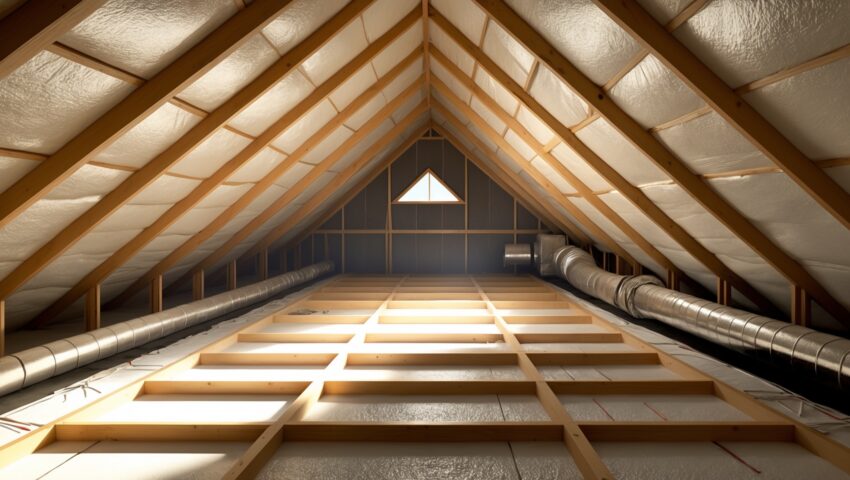
Introduction: Why Attic Insulation Matters More Than Ever in Florida
In Florida, where heat and humidity dominate much of the year, attic insulation isn’t just about comfort—it’s a key factor in energy savings, indoor air quality, and even legal compliance after property settlements. With rising energy costs and insurance companies scrutinizing post-claim repairs, upgrading attic insulation has become a smart move for homeowners looking to lower utility bills, meet settlement requirements, and boost property value. Whether you recently received a legal settlement for storm, water, or fire damage, or you’re simply aiming to optimize your home’s efficiency, understanding the step-by-step process of attic insulation upgrades is crucial. This comprehensive guide will walk you through the practical steps, from assessing your current insulation to navigating Florida’s permitting process, budgeting, and maintenance best practices. Expect actionable advice on choosing materials suited for Florida’s climate, complying with the latest building codes, and maximizing your investment for long-term comfort and savings.
Understanding the Role of Attic Insulation in Florida Homes
The Unique Challenges of Florida’s Climate
Florida’s subtropical environment presents unique insulation challenges. High humidity, intense sun, and frequent storms can degrade insulation faster than in cooler climates. Proper attic insulation helps:
- Reduce air conditioning costs by minimizing heat transfer
- Control moisture and prevent condensation that can lead to mold
- Protect roof structures from thermal cycling and weather-related wear
- Meet local and insurance requirements for post-loss repairs
Common Types of Attic Insulation Used in Florida
- Fiberglass Batts and Rolls: Affordable and easy to install, but less effective against air leaks.
- Blown-In Cellulose: Good for filling irregular spaces, offers some pest resistance, but can absorb moisture.
- Spray Foam (Open or Closed Cell): Superior air-sealing and moisture resistance, higher upfront cost, but excellent R-value per inch.
- Radiant Barriers: Reflective materials installed under the roof deck to reduce radiant heat gain—often used in combination with standard insulation.
Assessing Your Existing Attic Insulation
Initial Inspection Checklist
Before planning an upgrade, a thorough assessment of your current insulation is essential. Here’s how to get started:
- Visual Inspection: Access the attic safely and look for gaps, compressed areas, discoloration, mold, or pest damage.
- Measure Thickness: Use a ruler to check insulation depth. In Florida, the recommended R-value for attics is typically R-30 to R-38.
- Check for Air Leaks: Inspect around vents, plumbing, and electrical penetrations for gaps or insufficient coverage.
- Look for Moisture Issues: Signs include musty odors, water stains, or visible condensate on ducts and rafters.
When to Upgrade
- After storm, water, or fire damage—often a requirement for insurance settlements
- If your home feels excessively hot upstairs or has high energy bills
- Visible sagging, missing, or degraded insulation
- When preparing for major home upgrades or selling your property
Step-by-Step Guide to Upgrading Attic Insulation in Florida
Step 1: Plan Your Project and Set a Budget
- Determine Coverage Area: Measure the square footage of your attic floor.
- Choose Insulation Type: Factor in climate, budget, settlement conditions, and existing construction.
- Budget Estimate: Costs in Florida typically range from $1.50–$4.50 per square foot, depending on material and accessibility.
- Incorporate Permitting and Inspection Fees: Budget $50–$300 for permits, plus any required inspections.
Step 2: Check Compliance and Permitting Requirements
Florida’s building codes and local ordinances may require permits for attic insulation upgrades, especially after insurance settlements. Follow these steps:
- Contact your local building department for specific requirements.
- If your project is part of a settlement, coordinate with your insurance adjuster or legal representative to ensure compliance with settlement terms.
- Retain all documentation, including estimates, material data sheets, and inspection reports.
Step 3: Prepare the Attic
- Clear the Area: Remove stored items and debris.
- Seal Air Leaks: Use expanding foam or caulk around penetrations, ducts, and top plates to prevent conditioned air loss.
- Inspect for Pests: Address any infestations before installing new insulation.
- Address Moisture: Repair any roof leaks or ventilation issues; consider adding vapor barriers if recommended.
Step 4: Choose and Acquire Materials
Purchase the amount and type of insulation to match your needs. In Florida, consider:
- Moisture-resistant materials (closed-cell spray foam, faced batts)
- High R-value per inch for limited attic height
- Radiant barrier for additional heat reflection
- Eco-friendly options if claiming green home incentives
Step 5: Installation Process
- DIY vs. Professional: Blown-in and batt insulation are DIY-friendly with proper PPE, while spray foam and radiant barriers are best left to licensed pros.
- Safety First: Wear gloves, goggles, and a respirator. Ensure sufficient lighting and stable footing.
- Install Barriers: Maintain clearances around recessed lighting, flues, and soffit vents to prevent fire hazards and maintain airflow.
- Lay or Blow Insulation: Distribute insulation evenly, avoiding compression. For batts, cut to fit snugly between joists.
- Radiant Barrier: Attach reflective foil to the underside of roof rafters, leaving an air gap for maximum effectiveness.
Step 6: Final Inspection and Documentation
- Schedule a required inspection if your jurisdiction mandates it.
- Take before-and-after photos, especially for insurance or legal documentation.
- Retain all receipts, contracts, and inspection reports for future reference or resale.
Cost Breakdown: What Florida Homeowners Should Expect
Material and Labor Costs
- Fiberglass Batts: $1.50–$2.50/sq ft installed
- Blown-In Cellulose: $1.80–$3.00/sq ft installed
- Spray Foam: $3.00–$4.50/sq ft installed
- Radiant Barrier: $0.90–$1.50/sq ft installed (often in addition to above)
Expect higher costs for challenging attic access, removal of old insulation, or additional repairs (moisture, ventilation, pest control).
Potential Savings and Incentives
- Lower energy bills—typically 15–30% reduction in cooling costs
- Possible rebates from Florida utilities or local governments for energy efficiency upgrades
- Insurance premium discounts for code-compliant improvements (check with your provider)
- Increased resale value and marketability
Legal Settlement Compliance: What You Need to Know
Settlement-Driven Upgrades
If your attic insulation upgrade is part of a legal or insurance settlement, you must:
- Follow all scope-of-work requirements detailed in your settlement agreement
- Use licensed, insured contractors when specified
- Meet local and Florida Building Code standards (usually R-30 minimum)
- Keep detailed records of estimates, invoices, and proof of completion
Common Pitfalls and How to Avoid Them
- Using unlicensed contractors—may void settlement or insurance coverage
- Installing below code-minimum R-value
- Failing to document the upgrade for claim closure
- Neglecting to address underlying issues like roof leaks or improper ventilation
Maintenance Best Practices for Florida Attic Insulation
Annual Inspection Checklist
- Check for settled or displaced insulation, especially after storms
- Inspect for signs of moisture, mold, or pest activity
- Ensure attic vents are clear and functioning
- Monitor for roof leaks or condensation on HVAC ducts
Addressing Common Issues
- Restore or add insulation if depth drops below recommended levels
- Seal new air leaks around penetrations as they appear
- Replace insulation compromised by moisture or pests promptly
- Schedule professional inspections after severe weather events
Frequently Asked Questions About Florida Attic Insulation Upgrades
- Is a permit required for attic insulation upgrades in Florida? In many jurisdictions, yes—especially for full replacements after damage or settlements. Always verify with your local building department.
- Can I install new insulation over old? As long as existing insulation is dry, mold-free, and not compressed, you can add new insulation on top to increase R-value. Remove any compromised material first.
- Will upgrading attic insulation qualify me for insurance discounts? Sometimes—particularly if you meet or exceed current code and provide documentation to your insurer. Ask about available incentives.
- What’s the best insulation for Florida attics? Closed-cell spray foam offers superior air and moisture resistance, but fiberglass or cellulose can also perform well with proper air sealing and ventilation.
Conclusion: Investing in Comfort, Compliance, and Long-Term Value
Upgrading attic insulation in your Florida home is more than just a home improvement project—it’s a strategic investment in comfort, energy savings, and long-term property protection. As climate patterns shift and utility costs rise, an efficient, code-compliant attic can make a significant difference in how your home performs and what you pay each month. For homeowners navigating the post-settlement landscape, following the right steps ensures you meet all legal requirements, protect your investment, and avoid costly pitfalls. Whether you choose a DIY approach or hire licensed professionals, prioritize quality materials, meticulous installation, and thorough documentation. Don’t forget ongoing maintenance—regular inspections and prompt repairs will help your attic insulation deliver the maximum return year after year.
By taking a step-by-step, informed approach, Florida homeowners can transform their attics into energy-saving assets. Not only will you enjoy a cooler, more comfortable living space, but you’ll also enhance your home’s value and resilience for years to come. Don’t let attic insulation be an afterthought—make it a cornerstone of your home’s efficiency and compliance strategy.