

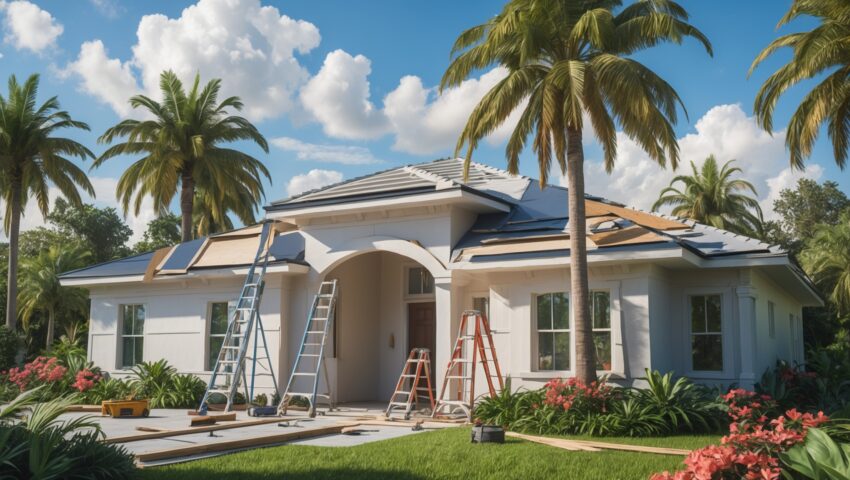
Introduction: The Realities of Siding Replacement in Florida
Replacing the siding on your Florida home is one of the most impactful upgrades you can make for curb appeal, energy efficiency, and storm protection. However, there are many hidden costs and insurance pitfalls that can turn what seems like a straightforward project into a financial headache. Whether you’re responding to weather damage or simply want a fresh look, understanding the unique Florida landscape—hurricane codes, moisture risks, and strict insurance requirements—is essential. This guide dives deep into the true expenses, compliance hurdles, and insurance traps that many homeowners overlook when replacing siding in the Sunshine State. By the end, you’ll know how to budget accurately, avoid costly mistakes, and ensure your investment is protected and compliant.
Understanding the True Cost of Siding Replacement in Florida
Material Choices and Regional Price Variations
Florida’s humid climate, frequent storms, and hurricane threats mean not every siding material is appropriate or permitted everywhere. Here’s a breakdown of common options and their average installed costs per square foot:
- Vinyl: $6–$10. Popular for affordability and easy maintenance, but not ideal for high-wind zones unless specifically rated.
- Fiber Cement: $8–$14. Durable, fire-resistant, and favored for its resistance to moisture and pests, making it a top choice in coastal and high-humidity areas.
- Stucco: $7–$12. Traditional in Florida but requires expert installation to prevent water intrusion. Prone to cracking if not properly maintained.
- Engineered Wood: $10–$15. Offers a high-end look, but needs careful sealing against moisture.
- Metal (Aluminum/Steel): $10–$20. Exceptionally storm-resistant, but higher upfront cost and less common in residential neighborhoods.
Expect to pay more for materials that meet Miami-Dade or Florida Building Code (FBC) wind-load standards. Always verify local code requirements before selecting materials.
Labor and Installation Complexity
Labor is a significant portion of total cost. Florida’s high demand for qualified contractors can drive up prices, especially during hurricane season or after major storms. Complex architecture (multiple stories, irregular shapes, extensive trim) increases labor hours. Removing old siding, repairing hidden damage (like rot or termite infestation), and preparing for code-compliant installation all add to the bill—often unexpectedly.
Permit Fees and Inspection Costs
All Florida counties require permits for siding replacement, with costs ranging from $150 to $800 depending on project size, municipality, and whether structural changes are involved. Mandatory inspections (sometimes two or three per project) may incur additional fees. Failing to budget for these can result in costly delays or fines.
Disposal and Cleanup
Disposing of old siding—especially if it contains hazardous materials like asbestos (common in homes built before 1980)—is regulated and expensive. Dumpster rentals, hazardous waste fees, and site cleanup can add $400–$2,000 to your bottom line.
Insurance Essentials: Coverage Gaps and Common Traps
Will Your Homeowners Insurance Pay for New Siding?
In Florida, whether insurance will cover siding replacement depends on the cause of damage and the specifics of your policy. Most policies cover sudden, accidental damage from wind, hail, or fire. However, exclusions and limitations abound:
- Wear and Tear: Normal aging, sun fading, and gradual moisture damage are rarely covered.
- Pre-Existing Issues: Claims may be denied if there is evidence of prior improper installation or old storm damage never documented.
- Cosmetic Damage: Some policies exclude payment for mismatched siding or damage that doesn’t compromise function.
Matching Siding Coverage: The Florida Dilemma
Florida’s harsh weather often means only a portion of your home’s siding is damaged. Insurers may only pay to replace the affected area, leaving you with mismatched siding—a major issue for resale value and HOA compliance. Some policies offer “matching coverage” that pays for full replacement if a perfect match isn’t available, but this is not standard. Always request a written explanation of your policy’s matching provisions. If your insurer denies a matching claim, you may be eligible for a dispute resolution process under Florida law.
Deductibles, Depreciation, and Actual Cash Value vs. Replacement Cost
Most Florida policies now include separate hurricane deductibles—typically 2%–5% of your insured value, not a flat dollar amount. For a $400,000 home, that’s $8,000–$20,000 out of pocket before insurance kicks in. Watch for policies that pay only “actual cash value” (ACV) rather than “replacement cost” (RCV) for older siding—this can reduce payouts by thousands based on depreciation.
Documenting and Filing a Successful Claim
- Photograph all damage immediately after the incident, including close-ups and wide shots.
- Keep records of all maintenance and previous repairs; insurers may ask for proof that siding was in good condition before the loss.
- Get at least two contractor estimates specifying code-compliant materials and installation.
- File your claim promptly—delays can be grounds for denial.
Compliance Pitfalls: Avoiding Costly Permit and Building Code Mistakes
Common Mistakes That Trigger Fines or Insurance Denials
- Skipping Permits: Unpermitted work can lead to stop-work orders, fines, and insurance claim denials—especially after a storm when inspectors are vigilant.
- Ignoring Wind and Impact Ratings: Materials not rated for your wind zone may have to be removed at your expense, even if already installed.
- Improper Flashing and Moisture Barriers: Florida’s building code strictly regulates moisture protection; skipping steps can result in water intrusion and voided warranties.
- Using Non-Licensed Contractors: Work by unlicensed contractors is illegal and uninsurable—verify credentials through the Florida DBPR before signing any agreement.
Special Situations: Historic Homes and HOA Requirements
Historic districts often require specific materials, colors, and installation methods. Approval can take weeks and may require architectural review. HOAs in Florida frequently mandate certain siding types or prohibit visible seams. Always secure written approval before starting work to avoid fines or forced removal.
Budgeting for the Unexpected: Hidden Costs to Watch For
Rot, Mold, and Structural Repairs
Once old siding is removed, hidden problems are common:
- Rotten Sheathing or Framing: Extra repairs can add $1,000–$8,000 depending on extent.
- Mold Remediation: Costs vary widely, but expect at least $1,500–$5,000 for moderate contamination.
- Termite Damage: Florida’s termite risk means a full inspection is wise before siding work; repairs may not be covered by insurance if infestation is deemed pre-existing.
Upgrading Insulation and Moisture Barriers
Florida’s energy codes may require new or upgraded insulation and vapor barriers when siding is replaced. This can add $1,500–$4,000 but improves comfort and energy efficiency in the long run.
Window and Door Flashing Upgrades
Modern codes demand enhanced flashing and waterproofing around window and door openings. Overlooking this step can lead to leaks and expensive repairs later—budget $600–$2,500 for proper upgrades.
Material Delivery Surprises
Special-order or hurricane-rated materials may have long lead times and extra delivery fees, especially after storms when supplies are tight. Always confirm availability and lock in pricing before starting demolition.
Case Study: A Real Florida Siding Replacement Gone Wrong
Consider the experience of the Martins family in Pinellas County. After a severe summer storm, they noticed water stains inside their living room. Their insurance initially approved a partial siding replacement, covering only the visibly damaged area. When the contractor removed the old panels, extensive rot and mold were discovered. The additional repairs cost $9,000—none of it covered by insurance, which cited pre-existing conditions and lack of proper documentation. Because the Martins did not have matching coverage, their insurer refused to pay for full re-siding, leaving the home with mismatched panels. Worse, a code enforcement officer flagged the new siding as non-compliant with wind-load standards, resulting in a stop-work order. The project dragged on for months, with mounting costs and legal headaches.
This case highlights the importance of thorough documentation, understanding insurance limitations, and hiring code-savvy contractors.
Step-by-Step: Protecting Yourself in a Florida Siding Upgrade
- 1. Review Your Insurance Policy: Ask your agent about matching coverage, code upgrade endorsements, and the difference between ACV and RCV.
- 2. Get a Pre-Project Inspection: Identify rot, mold, or termite issues before work begins to clarify what’s pre-existing and what’s storm-related.
- 3. Choose Code-Compliant Materials: Verify that your siding and fasteners are rated for your wind zone and meet FBC requirements.
- 4. Secure Proper Permits: Apply early and schedule inspections in advance, especially during high-demand periods.
- 5. Hire Licensed, Insured Contractors: Confirm their Florida license and insurance; get references, and insist on detailed written contracts.
- 6. Document Everything: Keep photos, receipts, and inspection reports for your records and future insurance claims.
- 7. Budget a Contingency Fund: Set aside 15%–20% above the contractor’s estimate for unforeseen repairs or upgrades.
Debunking Common Myths About Florida Siding Replacement
- “Insurance will pay for all new siding after a storm.” Not unless your policy includes matching coverage and the entire wall is damaged.
- “You don’t need a permit for siding.” Every Florida county requires a permit for siding replacement—skipping it can void insurance and trigger fines.
- “Any siding can be used in Florida.” Only hurricane- and moisture-rated products are legal for exterior use; non-compliant siding can be forced to be removed.
- “DIY is cheaper.” Unpermitted or improperly installed siding can cost more in the long run if you face fines, insurance denials, or resale problems.
Conclusion: Plan Ahead to Avoid Siding Replacement Nightmares
Siding replacement in Florida is neither simple nor risk-free. Between hidden structural issues, complex insurance policies, and some of the strictest building codes in the nation, many homeowners find themselves unprepared for the full cost and compliance burden of this upgrade. The key to a successful project is proactive planning: review your insurance carefully, anticipate the true scope of repairs needed, and work only with licensed professionals who understand local codes and can navigate the permitting process smoothly.
Don’t let hidden costs or insurance traps derail your investment. Create a detailed budget that includes contingencies for unexpected repairs, permit and inspection fees, and extra labor for code upgrades. Insist on code-compliant materials and written warranties. Most importantly, document every step of the project for your records and future insurance claims. By following the step-by-step protections outlined above, you’ll safeguard your home’s value, ensure storm readiness, and avoid the financial and legal headaches that trip up so many Florida homeowners during siding replacement projects.
Remember: In Florida, the cheapest bid is rarely the safest or most cost-effective in the long run. Do your homework, demand transparency, and invest in quality—your home and your wallet will thank you.
You mentioned that some siding materials aren’t permitted everywhere in Florida due to hurricane codes. How can homeowners double-check that their chosen material will actually meet local standards before they buy, especially in places with stricter enforcement like Miami-Dade?
To be sure your siding material meets local codes, especially in areas like Miami-Dade, contact your county or city building department before making a purchase. They can confirm which materials are approved. Also, ask your siding contractor for documentation showing the product’s code compliance, and request to see a Notice of Acceptance (NOA) if you’re in Miami-Dade, since this is required there.