

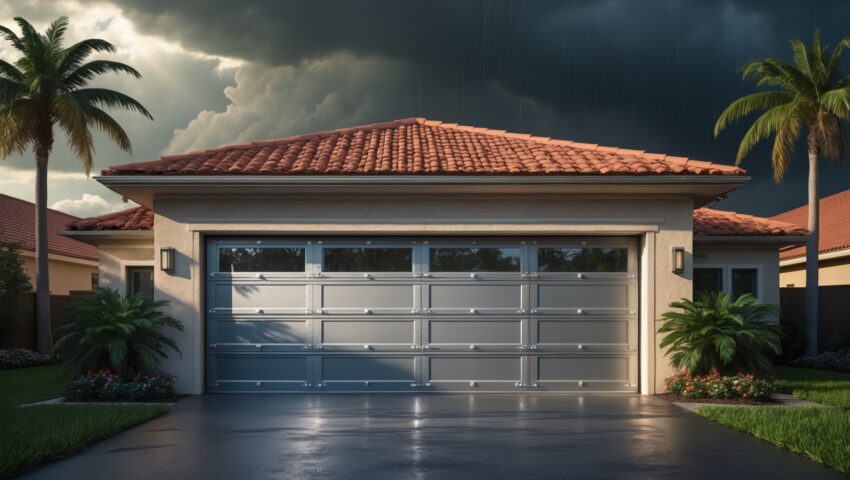
Florida homeowners are no strangers to the importance of resilient, code-compliant garage doors. In the Sunshine State, your garage door is more than a convenience—it’s a critical line of defense against severe weather and a key factor in your home’s safety, insurance premiums, and even property value. Whether you’re considering an upgrade due to age, insurance requirements, or a desire for enhanced curb appeal, navigating the process in Florida involves unique considerations: rigorous wind codes, permitting, product approvals, and budgeting for hidden costs. This comprehensive, step-by-step guide will walk you through everything you need to know to upgrade your garage door with confidence—from choosing storm-ready materials and understanding local compliance, to cost breakdowns, avoiding common mistakes, and implementing best safety practices. Let’s ensure your next garage door upgrade is safe, compliant, and cost-effective.
Understanding Florida’s Garage Door Codes and Compliance
Why Garage Door Compliance Matters in Florida
Florida’s building codes are among the strictest in the country, especially when it comes to exterior openings like garage doors. A non-compliant garage door can not only jeopardize your home during a hurricane, but also void your insurance coverage and lead to costly code violations. Since 2001, the Florida Building Code (FBC) has required all new and replacement garage doors to meet specific wind-resistance standards based on your home’s location and exposure.
Key Compliance Requirements
- Wind Load Ratings: Garage doors must be tested and rated for the wind speeds designated in your region. South Florida, for example, requires higher wind pressure ratings than inland areas.
- Product Approval: The Florida Product Approval System ensures that only doors tested and approved for Florida’s conditions are legally installed. Always verify the model’s approval number at Florida Product Approval.
- Impact Resistance: In High-Velocity Hurricane Zones (HVHZ), such as Miami-Dade and Broward counties, garage doors must be impact rated.
- Permitting: All replacements require a building permit. Inspections verify that the door is installed per manufacturer and code specifications.
How to Check Your Local Requirements
- Visit your city or county building department’s website for wind zone maps and permit details.
- Ask your HOA (if applicable) about design restrictions or additional requirements.
Step-by-Step Setup: Planning and Executing Your Upgrade
Step 1: Assess Your Current Garage Door
Start by evaluating your existing door’s age, materials, and any visible damage. Check for:
- Rust, cracks, or sagging panels
- Difficulty opening/closing
- Missing or damaged weather seals
- Lack of wind rating label (often located on the door edge)
If your door predates 2001 or lacks a visible wind rating, it almost certainly does not meet current code.
Step 2: Set Your Budget
Garage door upgrades in Florida vary widely in cost. Factors affecting price include size, materials, insulation, impact rating, and hardware. Here’s a typical breakdown:
- Standard single-car, non-insulated, wind-rated door: $1,000–$1,600 installed
- Double-car, insulated, wind-rated door: $1,700–$3,500 installed
- Impact-rated/HVHZ models: $2,500–$5,500 installed
- Permit and inspection fees: $100–$300 (varies by municipality)
- Removal/disposal of old door: $75–$200
- Optional opener upgrade: $300–$700
Budgeting Tips: Always get at least three written estimates. Ask for itemized costs, and clarify if permits and disposal are included. Don’t forget to factor in potential upgrades, such as smart openers or heavy-duty springs for storm resistance.
Step 3: Choose the Right Door—Materials and Ratings
- Steel: Most common in Florida due to strength, durability, and cost-effectiveness. Look for rust-resistant coatings and multi-layer construction for insulation and dent resistance.
- Aluminum: Lightweight and rust-proof but may dent more easily. Impact-rated versions are available but costlier.
- Fiberglass: Resists salt air corrosion, but not ideal for high-wind zones unless specifically rated.
- Composite/Wood: Offers curb appeal, but requires more maintenance and may not be impact-rated.
Insulation: Consider insulated doors to reduce heat gain, lower energy bills, and improve noise control, especially for attached garages.
Wind and Impact Ratings: Ensure the door’s wind load and impact resistance match your address’s requirements. Request documentation from your installer and verify with your local building department.
Step 4: Select a Reputable Installer
In Florida, garage door installation is a licensed trade. To avoid costly mistakes or failed inspections:
- Verify the contractor’s state license at MyFloridaLicense.com
- Check their insurance and bonding status
- Read recent reviews—especially regarding code compliance and permitting
- Ask to see completed jobs in your area, and request references
Step 5: Secure Permits and Schedule Installation
Once you’ve selected your door and installer, your contractor should handle the permit application. Expect to provide:
- Product approval documentation
- Engineering drawings (for custom or oversized doors)
- Installer’s license and insurance information
Permits can take a few days to weeks, depending on the municipality and project complexity. Never allow work to start before the permit is issued—unpermitted installs can lead to fines and forced removal.
Step 6: Inspection and Final Approval
After installation, a building inspector will verify:
- Door model and hardware match the permit and product approval
- Correct installation of mounting brackets, struts, and reinforcement
- Proper anchoring into concrete or framing
- Functionality of safety features (auto-reverse, emergency release)
Do not make final payment until the inspection passes and you receive the signed-off permit. Save all documentation for insurance and future resale.
Safety Essentials: Protecting Your Family and Property
Garage Door Safety Checklist
- Auto-Reverse: Test monthly by placing a 2×4 under the closing door. It should reverse immediately upon contact.
- Photo-Eye Sensors: Clean and check alignment regularly; blocked or misaligned sensors prevent safe operation.
- Manual Release: Ensure all household members know how to use the emergency release in a power outage.
- Springs and Cables: Inspect for rust, fraying, or wear. Never attempt DIY repairs—high-tension systems can cause serious injury.
- Storm Bracing: Some doors require temporary reinforcement bars during hurricanes—review your manufacturer’s instructions.
Best Practices During Storm Season
- Keep the garage door closed and locked before, during, and after storms.
- Do not rely on sandbags or makeshift supports—only code-approved doors and bracing provide real protection.
- After a severe weather event, inspect for damage or misalignment before resuming normal operation.
Insurance Savings and Documentation
Potential Insurance Discounts
Many Florida insurers offer premium discounts for homes with storm-rated, code-compliant garage doors—sometimes up to 10% off your windstorm portion. To qualify, you’ll need:
- Proof of permit and code-compliant installation
- Product approval documentation
- Wind mitigation inspection report (Form OIR-B1-1802)
Contact your insurer in advance to confirm their requirements. Submit documentation promptly after installation to maximize savings.
Document Everything
- Keep digital and paper copies of permits, inspection reports, and invoices
- Photograph the new door and label with date and approval numbers
- Update your wind mitigation inspection to reflect the upgrade
Common Mistakes to Avoid
- Skipping Permits: Unpermitted installs are a major red flag for buyers and insurers. Do not risk it.
- Buying Doors Without Proper Ratings: Not all ‘hurricane’ doors meet your local code. Always check approval numbers and wind load ratings.
- DIY Installation: Even skilled DIYers often miss critical code or safety steps. Leave installation to licensed pros.
- Ignoring Maintenance: Neglecting regular service can void warranties and compromise safety in a storm.
- Forgetting to Notify Your Insurer: Don’t miss out on discounts or risk denied claims—update your policy promptly.
Maintenance Best Practices for Florida Garage Doors
- Inspect and Lubricate: Check rollers, hinges, and tracks every three months; lubricate moving parts with silicone spray (never grease).
- Seal and Protect: Replace worn weatherstripping to keep out rain, wind, and pests. Inspect the door’s finish for rust or salt damage—touch up as needed.
- Professional Tune-Ups: Schedule annual service with a licensed technician to check tension, balance, and electronics.
Case Study: A Florida Family’s Upgrade Journey
The Martinez family in Fort Myers owned a 1995 aluminum garage door that rattled during storms and lacked a wind label. After a neighbor’s door failed during Hurricane Ian, they decided to upgrade. They:
- Researched local code—their wind zone required a door rated for 170 mph
- Chose a steel, insulated, impact-rated door with Florida product approval
- Obtained three bids; the winning contractor included permit, disposal, and a new smart opener
- Passed inspection on the first attempt, and received a 9% insurance discount after submitting documentation
They now enjoy quieter operation, lower energy bills, and peace of mind during hurricane season.
Conclusion: Make Your Upgrade Count
Upgrading your garage door in Florida is a significant investment—but when done right, it pays dividends in security, property value, and even insurance savings. The process may seem daunting, but by following a clear, step-by-step plan, you can avoid common pitfalls and ensure your home is storm-ready. Always prioritize code compliance: the right wind and impact ratings mean your door will stand strong during the next hurricane, and you’ll avoid headaches with inspectors, insurers, and future buyers. Work only with licensed, reputable installers who handle permits and guarantee their work. Build a realistic budget, but don’t cut corners on critical safety and compliance features. Maintain your new door with regular inspections and service, and keep your documentation organized for insurance and resale purposes. With the right door, installed by the right professional, you’ll enjoy lasting peace of mind, lower utility costs, and the knowledge that your home is prepared for whatever Florida’s weather brings.
I’m looking at upgrading my garage door in a coastal area of Florida and I know the article mentions different wind load ratings by region. How do I determine the exact wind speed requirements for my specific address before shopping for doors?
To find the exact wind speed requirements for your address, you can contact your local building department or visit their website, as they usually provide wind zone maps or lookup tools based on your location. Additionally, your homeowner’s insurance agent or a licensed garage door installer familiar with Florida codes can help confirm the required wind load rating for your property.
You mentioned hidden costs in budgeting for a garage door upgrade—can you share some examples of what those hidden costs might be? I want to avoid any surprises during my project.
Hidden costs for garage door upgrades in Florida can include permit fees required by local building codes, charges for removing and disposing of your old door, and unexpected repairs to the door frame or opener system if damage is found. Other possible costs are for reinforcing hardware to meet storm compliance, electrical work for new openers, and upgrading weather seals. Factoring these in can help you plan a more accurate budget and avoid surprises.
You mention that product approval is required for garage doors in Florida. Is there a simple process for verifying whether a specific door model meets the Florida Product Approval requirements before I purchase it?
Yes, you can check if a garage door model meets Florida Product Approval requirements by visiting the Florida Building Code Product Approval website. There, you can search by manufacturer, product type, or approval number. Ask the retailer or manufacturer for the specific approval number of the door you’re considering and verify it matches the state’s approved list before making a purchase.