

Introduction: Why Whole-House Water Filtration Matters in Florida
Florida homeowners are increasingly seeking ways to safeguard their water supply from contaminants, mineral buildup, and taste issues. With the state’s unique groundwater conditions, high mineral content, and occasional boil-water advisories, a whole-house water filtration system is not just a luxury—it’s a strategic investment in health, property value, and peace of mind. However, Florida’s strict compliance environment means that installing or upgrading a filtration system requires more than a trip to the hardware store. Permitting, equipment choices, upfront and ongoing costs, and regular maintenance all play critical roles. In this comprehensive guide, we’ll break down the practical steps for a successful, fully compliant installation—ensuring your project runs smoothly, delivers safe water, and avoids costly pitfalls with code enforcement or insurance claims. Whether you’re replacing an aging system or considering your first installation, this guide will help you make informed decisions from start to finish.
Understanding Whole-House Water Filtration Systems
What Does a Whole-House System Do?
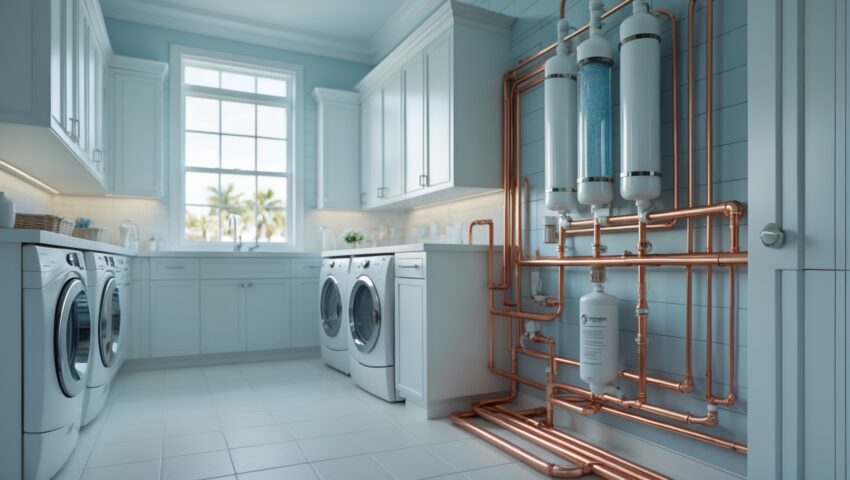
A whole-house water filtration system treats all water entering your home, not just what comes from the kitchen tap. This means every shower, faucet, and appliance benefits from cleaner, filtered water. Systems typically remove sediment, chlorine, heavy metals, and sometimes microbial contaminants, depending on the chosen technology.
Common System Types in Florida
- Activated Carbon Filters: Effective for removing chlorine, taste, and odor issues common in municipal water.
- Reverse Osmosis (RO): Highly effective against dissolved solids, though often used for point-of-use rather than whole-house due to water waste and flow limitations.
- Water Softeners: Essential in many Florida regions with hard water, these systems use ion exchange to reduce scale-forming minerals.
- UV Purification: Targets microbial contaminants, especially useful for well water homes.
- Multi-Stage Systems: Combine several technologies for comprehensive protection.
Why Florida’s Water Needs Special Attention
Florida’s aquifers are susceptible to salt intrusion, agricultural runoff, and high mineral content. Hurricanes and flooding can introduce contaminants into municipal and private supplies. Aging infrastructure in some areas can also result in periodic advisories for residents. A whole-house system addresses these risks, but only if properly designed and maintained.
Permitting and Compliance: Florida’s Regulatory Landscape
When Is a Permit Required?
Florida Building Code (FBC) and many county/municipal ordinances require permits for significant plumbing modifications, including whole-house filtration installations. If your system impacts the main supply line, changes pipe routing, or adds backflow prevention, a permit is almost always mandatory.
How to Navigate the Permit Process
- Check Local Ordinances: Start with your city or county building department website. Requirements vary, especially for homes on municipal water versus private wells.
- Gather Documentation: You’ll need system specs, plumbing diagrams, and in some cases, proof of product certification (NSF/ANSI standard compliance is key).
- Apply for the Permit: Submit your application online or in person. Some jurisdictions allow homeowners to pull permits, while others require a licensed contractor.
- Schedule Inspections: Expect at least one inspection after installation. Inspectors will check for code compliance, proper venting, pressure relief, and backflow prevention.
Common Compliance Mistakes to Avoid
- Skipping the Permit: This can result in fines, forced removal, or insurance denial if water damage occurs.
- Improper Backflow Protection: Florida law mandates backflow devices to prevent contamination of the public supply. Always install approved devices.
- Non-Certified Equipment: Only use NSF/ANSI certified systems to meet building code and insurance standards.
Cost Breakdown: Equipment, Installation, and Maintenance
Upfront Equipment Costs
- Basic Carbon Filters: $500–$1,500 for system and materials.
- Multi-Stage or UV Systems: $1,200–$3,000 depending on features and capacity.
- Water Softeners: $800–$2,500, with higher end models for larger homes or severe hardness.
Professional Installation Costs
- Labor: $600–$1,200, varying by complexity and local rates.
- Permit Fees: $50–$250, depending on your jurisdiction.
- Plumbing Modifications: Additional $300–$1,000 if your system requires rerouting or new backflow devices.
Ongoing Maintenance and Replacement Costs
- Filter Cartridges: $50–$200 per year, depending on system and water usage.
- Annual Professional Servicing: $100–$300 to ensure system function and compliance.
- Major Component Replacement: $300–$800 every 5–10 years for tanks or valves.
Budgeting Tips
- Get 2–3 quotes from licensed contractors for both equipment and installation.
- Factor in both initial and ongoing costs when comparing systems.
- Ask if your installer offers a maintenance plan—this can reduce long-term costs and help prove compliance for insurance purposes.
Choosing Equipment: What Works Best for Florida Homes
Assessing Your Water Quality
Start with a comprehensive water test—available from local labs, some utilities, or third-party services. Key parameters to check:
- Hardness (calcium and magnesium)
- Chlorine/chloramine levels
- Lead, copper, and heavy metals
- Microbial contaminants (especially for well water)
- Sulfides (cause odors)
Your test results determine which filtration technology you need. For example: high chlorine suggests activated carbon; persistent scale means a softener; microbial risks call for UV or advanced filtration.
Key Features to Look For
- NSF/ANSI Certification: Ensures the system meets health and safety standards recognized by Florida building departments and insurers.
- Flow Rate: Must match your home’s peak demand—undersized systems cause pressure drops and poor performance.
- Bypass Valve: Allows for maintenance without disrupting water supply.
- Warranty and Support: Choose brands with strong Florida dealer networks for easier servicing.
Common Pitfalls When Selecting Systems
- Over- or Under-Specifying: Don’t let a salesperson upsell you on unnecessary stages, but also avoid under-sizing for your family’s needs.
- Ignoring Salt Restrictions: Some Florida counties restrict salt-based softeners due to environmental concerns. Always check local ordinances.
- Forgetting About Well Water Regulations: Additional testing and permits may apply if you have a private well.
Installation: Step-by-Step Process for Compliance and Safety
1. Secure Your Permit and Schedule the Work
Never start installation without an approved permit. This protects you legally and ensures a qualified inspector will review the finished job.
2. Prepare the Installation Area
- Clear access to the main supply line (usually in the garage, utility room, or a protected exterior wall).
- Ensure space for tanks, filters, and maintenance access.
- Protect the area from weather and direct sunlight if outdoors—UV can degrade plastic components.
3. Professional Plumbing Connections
- Shut off water supply before cutting into main line.
- Install backflow preventer as required by code.
- Use only approved piping (copper, CPVC, or PEX as allowed locally).
- Add bypass valves for easy maintenance.
4. System Commissioning
- Flush the system according to manufacturer instructions—this removes carbon fines and activates media.
- Check all connections for leaks.
- Test water at multiple points in the home to verify flow and quality.
5. Final Inspection
- Schedule your required building/plumbing inspection.
- Keep all permits, inspection records, and product manuals for future reference and insurance claims.
Maintenance Essentials: Keeping Your Water Safe Year-Round
Routine Filter Changes
Most systems require filter replacement every 6–12 months. Mark your calendar and keep a log—insurers and inspectors may ask for proof of maintenance if a claim ever arises.
Sanitizing and Cleaning
- Annually sanitize tanks and lines to prevent bacterial growth, especially in humid Florida summers.
- Flush and clean pre-filters more often if your water has high sediment.
Professional Annual Checkups
Hire a licensed plumber or water specialist for an annual inspection. They’ll check for:
- Media depletion or fouling
- Valve and bypass operation
- Signs of leaks, corrosion, or code violations
- Proper backflow device function
Responding to Water Alerts
- After storms or boil-water advisories, change filters and sanitize the system.
- If you notice a drop in water pressure or a change in taste, investigate immediately—these are often early warning signs of filter exhaustion or plumbing issues.
Insurance and Warranty Considerations
Will Insurance Cover Water Damage Linked to Filtration Systems?
Most Florida homeowner’s policies exclude water damage from unpermitted or improperly installed systems. To protect your coverage:
- Always use a licensed installer and pull permits.
- Keep all documentation, including maintenance logs and inspection reports.
- Notify your insurer after installation—some may offer premium reductions for certified filtration.
Manufacturer Warranties: What to Know
Failing to follow installation and maintenance requirements can void your warranty. Read the fine print and ask about coverage for both parts and labor.
Case Study: Successful Whole-House Filtration Upgrade in Tampa
When the Lee family purchased a 1990s home in Tampa, they noticed persistent chlorine odor and hard water scale. After a professional water test, they opted for a multi-stage system with both activated carbon and a water softener. They secured a permit, hired a licensed plumber, and passed the final inspection without issue. After one year, they reported:
- Improved taste and odor throughout the home
- No new scale buildup in appliances
- Peace of mind during hurricane-related water advisories
- Insurance premium reduction after providing proof of code-compliant installation
Their experience highlights the value of doing things the right way from the start.
Conclusion: Secure, Compliant Water Quality for Your Florida Home
Upgrading to a whole-house water filtration system is a smart move for Florida homeowners—but only when done with careful attention to compliance, quality, and ongoing care. Start by understanding your water’s unique challenges, then select a system that addresses your needs while meeting all state and local codes. Don’t cut corners on permitting or professional installation; the small savings from DIY work can quickly be wiped out by fines, insurance denials, or system failures. Budget not just for the equipment, but for maintenance and periodic upgrades—your water quality, appliance longevity, and family’s health depend on it. Keep detailed records, stay proactive with filter changes and inspections, and treat your filtration system as the critical home infrastructure it is. With the right approach, you’ll enjoy fresh, safe water and avoid the headaches that come from non-compliance or neglect. Whether you’re preparing for storm season or simply want better everyday water, a well-chosen and well-maintained filtration system is an upgrade that pays dividends for years to come.
I noticed you mentioned different types of systems like activated carbon filters, RO, and UV purification. For homes on well water in Florida, which system type would offer the best protection against both mineral buildup and microbial contaminants?
For homes on well water in Florida, a combination system is usually most effective. Pairing a water softener or whole-house activated carbon filter with a UV purification unit offers comprehensive protection—softeners or filters handle mineral buildup and sediment, while UV handles microbial contaminants. Reverse osmosis is excellent for drinking water but is less practical for whole-house use due to water waste and flow limitations.
Can you clarify what kinds of permits are actually required in Florida if I want to install or upgrade a whole-house water filtration system myself? Are there specific inspections for these systems or is it handled through general plumbing permits?
In Florida, installing or upgrading a whole-house water filtration system usually requires a plumbing permit from your local building department. This permit covers modifications to your home’s plumbing. You should also expect a plumbing inspection once the installation is complete to ensure everything meets code. There isn’t typically a separate permit or inspection specifically for water filtration systems, but always confirm with your local authorities since requirements can vary by city or county.
If a system was installed a few years ago and I’m not sure it was fully permitted, what are the risks or possible steps to bring it into compliance before an insurance inspection?
If your water filtration system wasn’t fully permitted, you could face fines, insurance issues, or even orders to remove or redo the installation. Before your insurance inspection, contact your local building department to check permit records. If needed, apply for a retroactive or after-the-fact permit, have the system inspected, and make any required corrections to bring everything up to code.
When choosing between activated carbon filters and UV purification, how can a homeowner decide which technology is most appropriate for the common water quality issues in Florida? Are there certain contaminants that one type handles much better than the other?
Activated carbon filters are great for tackling chlorine, bad tastes, odors, and many organic chemicals, which are common concerns with Florida’s municipal water. UV purification, on the other hand, is best for eliminating bacteria, viruses, and other microorganisms—important if your home uses well water or if microbiological contamination is suspected. Many homeowners in Florida opt for a combination system to address both chemical and biological issues.
Can you provide a ballpark estimate for what Florida homeowners typically spend upfront on a compliant whole-house filtration setup, including permitting fees and installation? I want to get a realistic sense of the investment before starting.
For a compliant whole-house water filtration system in Florida, you can expect to spend between $1,500 and $4,000 upfront. This range includes the cost of the system itself, professional installation, and permitting fees, which may add $100 to $400 depending on your local jurisdiction. The final price will depend on system capacity, features, and specific plumbing needs.
The article mentions that whole-house reverse osmosis systems can have flow limitations and water waste concerns. For a typical Florida household, what should I expect in terms of water usage impact and how do people usually address these challenges?
Whole-house reverse osmosis (RO) systems often waste 3–4 gallons of water for every gallon filtered, which can noticeably increase your water bill. Flow rates are also lower than standard filtration, sometimes limiting simultaneous use at multiple taps. Many Florida homeowners address this by opting for high-efficiency RO systems, installing storage tanks, or using RO only for drinking water taps instead of the whole house to reduce waste and maintain adequate water flow.