

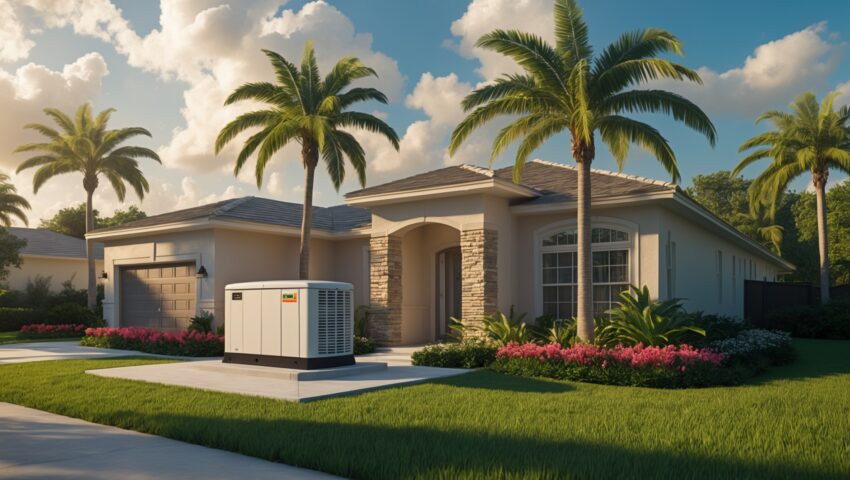
Introduction: Why Whole-Home Generators Matter in Florida
Florida’s subtropical climate delivers year-round sunshine, but it also brings hurricanes, tropical storms, and frequent power outages. For many homeowners, a whole-home standby generator is no longer a luxury—it’s a necessity for maintaining comfort, safety, and property value. Installing a permanent backup power solution is a significant investment, and navigating Florida’s strict permitting requirements, local codes, and budget realities can be daunting. Many residents are surprised by the permitting steps, the true cost breakdown, and how insurance treats generator upgrades. This comprehensive guide explores the practical details of installing a whole-home generator in Florida, focusing on code compliance, cost planning, safety, and insurance insights. Whether you’re considering your first generator, replacing an aging unit, or simply researching options for hurricane season, you’ll find clear, actionable advice to help you avoid common pitfalls and maximize your investment.
Understanding Whole-Home Standby Generators
What Is a Whole-Home Generator?
A whole-home generator is a permanently installed backup power system, typically fueled by natural gas or propane, that automatically restores electricity to your home during an outage. Unlike portable generators, these systems are hardwired into your home’s electrical panel and can power the entire property—or select circuits—within seconds of a power loss.
Why Are They So Popular in Florida?
- Hurricane Protection: Power can be out for days or weeks after major storms.
- Home Value: Generators are a sought-after upgrade for buyers concerned about outages.
- Medical Needs: Households with electrically dependent equipment can’t risk interruptions.
- Remote Work: Stable power is now essential for home offices and remote schooling.
Permitting and Legal Compliance in Florida
Do You Need a Permit for Generator Installation?
Yes. Florida law requires permits for the installation of whole-home standby generators. This is true in every county and municipality. Permits ensure electrical and gas work meets the National Electrical Code (NEC), Florida Building Code (FBC), and local amendments. Unpermitted work can result in code violations, fines, denied insurance claims, or forced removal of the generator.
Permit Types and the Approval Process
- Electrical Permit: Required for wiring and panel integration.
- Gas Permit: If connecting to natural gas or installing new propane tanks and lines.
- Zoning Approval: Some communities require setback verification and HOA sign-off.
- Inspection: A final inspection verifies code compliance before the generator can be activated.
Permit applications usually require detailed site plans, load calculations, equipment specs, and proof of contractor licensing. Processing times range from a few days to several weeks, especially during hurricane season when demand surges.
Common Compliance Issues to Avoid
- Improper Setbacks: Generators must be installed a minimum distance from property lines, windows, doors, and A/C units to prevent exhaust hazards.
- Improper Transfer Switches: Only listed automatic transfer switches (ATS) are allowed. Manual or backfed setups are unsafe and illegal.
- Unlicensed Installers: Florida requires licensed electrical and gas contractors for all permanent generator installations.
- HOA Restrictions: Many communities have noise, visibility, and placement rules for generators.
Cost Breakdown: What Florida Homeowners Should Expect
Main Cost Components
- Generator Unit: $7,000–$15,000 (typical 18–24kW for most homes)
- Automatic Transfer Switch: $1,000–$2,000 (required for seamless operation)
- Electrical Installation: $2,000–$5,000 (wiring, panel upgrades, labor)
- Gas Plumbing: $1,500–$4,500 (new lines, regulators, meter upgrades, propane tank install if needed)
- Permits and Inspections: $250–$800 (varies by jurisdiction)
- Concrete Pad/Site Work: $500–$1,500 (required for stable, code-compliant placement)
- Miscellaneous Materials: $200–$700 (conduit, wiring, fittings, weatherproofing)
Total installed cost typically ranges from $12,000 to $25,000+ depending on system size, gas availability, site conditions, and local fees.
Budgeting Tips for Florida Installations
- Get Multiple Quotes: Prices can vary significantly between contractors.
- Check for Rebate Programs: Some utilities or manufacturers offer seasonal rebates.
- Assess Electrical Panel Capacity: Older homes may require expensive panel upgrades.
- Plan for Propane Storage: If natural gas isn’t available, large propane tanks add to up-front and ongoing costs.
- Factor in Landscaping: You may need to re-route irrigation, add screening, or repair sod after installation.
Financing Options
Many generator dealers offer financing plans. Some Florida homeowners use HELOCs (Home Equity Lines of Credit), PACE programs, or seasonal manufacturer promotions to reduce up-front costs. Always compare interest rates and repayment terms.
Insurance Essentials: Coverage, Discounts, and Traps
Will Insurance Cover Generator Installation?
Standard homeowners insurance does not cover the cost of a new generator installation. However, some policies may cover generator repairs or replacement if the unit is damaged in a covered peril (like a hurricane). Check your policy’s equipment coverage and exclusions.
Can a Generator Lower My Premium?
Some insurers offer minor discounts if a whole-home generator is professionally installed and permitted, especially if it powers critical systems (like sump pumps or medical equipment). Ask your agent to document the upgrade. Keep all permits and installation records for claims purposes.
Common Insurance Pitfalls
- Unpermitted Installations: Claims for damage may be denied if the generator was installed without permits or by unlicensed contractors.
- Lack of Maintenance: Insurers may deny claims for generator failures due to owner neglect or skipped maintenance.
- No Added Coverage: High-value generators may need to be scheduled as additional property for full replacement coverage.
Step-by-Step: The Florida Generator Installation Process
1. Site Assessment and Sizing
A licensed contractor will review your property, electrical load, existing panel, and available gas supply. They’ll recommend a generator size that matches your home’s needs and meets local code requirements.
2. Permitting and HOA Approvals
Contractors should handle all permit applications, site plans, and HOA approval paperwork. Always verify that permits are pulled in your name.
3. Preparing the Site
Installers will pour a code-compliant concrete pad, clear the area of plants or debris, and ensure proper setbacks from structures, windows, and utilities.
4. Electrical and Gas Installation
- Electrical: The generator is wired to your main panel through an automatic transfer switch.
- Gas: New lines are installed from your meter or propane tank. Pressure regulators and shutoff valves are added for safety.
5. Inspection and Commissioning
Before operation, local inspectors verify that the installation meets all safety and code standards. Once approved, the contractor tests the system and demonstrates operation and maintenance basics.
6. Registration and Final Documentation
Register your generator with the manufacturer for warranty coverage. Gather all permits, inspection reports, and contractor invoices for your records and insurance agent.
Maintenance Best Practices for Florida’s Climate
Routine Maintenance Checklist
- Run a weekly or biweekly self-test (most modern generators do this automatically).
- Check oil level and change oil per manufacturer schedule (typically every 100–200 hours or annually).
- Inspect and replace air filters as needed.
- Check battery charge and terminal connections.
- Ensure propane/natural gas supply is adequate and free of leaks.
- Keep the enclosure clear of debris and vegetation.
- Schedule annual professional service for full diagnostics and load testing.
Hurricane Preparation Tips
- Test the generator under load before storm season.
- Top off propane tanks or confirm natural gas supply is uninterrupted.
- Stock extra oil and filters for multi-day outages.
- Trim back landscaping to ensure access for servicing and airflow.
Safety Checklist: Protecting Your Home and Family
- Never Operate Indoors: All generators must be installed outdoors with proper exhaust clearance.
- Carbon Monoxide Detectors: Install detectors near bedrooms and living areas.
- Flood Mitigation: Elevate the generator pad if your home is in a flood-prone zone.
- Surge Protection: Add whole-home surge protectors to prevent damage from utility restoration surges.
- Emergency Contacts: Keep service provider and utility contacts handy for quick response.
- Child and Pet Safety: Fence or screen the generator if children or pets play nearby.
Debunking Common Myths About Generators in Florida
- Myth: “You don’t need a permit for a generator if you’re just hooking it up to a transfer switch.”
Fact: All permanent generator installations require permits for both electrical and gas work, regardless of transfer switch type. - Myth: “Portable generators offer the same protection as whole-home systems.”
Fact: Portable units cannot power an entire home, lack automatic operation, and present greater safety risks. - Myth: “Insurance always covers generator damage after a storm.”
Fact: Coverage depends on your policy, the cause of damage, and whether the installation was permitted and maintained.
Case Study: A Successful Florida Generator Upgrade
After Hurricane Irma, the Johnson family in Sarasota decided to invest in a whole-home generator. Their 2,400-square-foot home required a 22kW system. Their local contractor handled all permitting, HOA paperwork, and coordinated with the gas company for a meter upgrade. The total project took three weeks from contract to final inspection and cost $18,700—higher than their initial estimate due to an unexpected electrical panel upgrade. The Johnsons received a $250 rebate through their local utility and a $50 annual insurance discount after submitting their permit and inspection records. Since installation, their generator has automatically restored power during two major outages. The family credits their smooth experience to careful budgeting, thorough contractor vetting, and strict adherence to Florida’s permitting requirements.
Conclusion: Making a Smart, Legal Investment in Florida Backup Power
For Florida homeowners, a whole-home generator is a strategic upgrade that delivers security, convenience, and peace of mind during the state’s notorious storm seasons. However, the path to reliable backup power is paved with legal, financial, and technical hurdles. The permitting process is non-negotiable: skipping steps or hiring unlicensed contractors can jeopardize your investment and risk insurance denials. Accurate budgeting means more than just factoring in the generator unit—it includes electrical upgrades, gas plumbing, site work, and ongoing maintenance. Insurance may not cover installation, but can reward you for code-compliant upgrades. Routine upkeep and safety measures ensure your generator performs when it matters most and protects your family from hazards unique to Florida’s climate. By following the best practices outlined in this guide—vetting contractors, insisting on proper permits, budgeting realistically, and maintaining your investment—you’ll maximize your home’s resilience and value. Smart generator ownership is about more than just lights-on during a blackout; it’s about legal compliance, long-term savings, and safeguarding your property for years to come.