

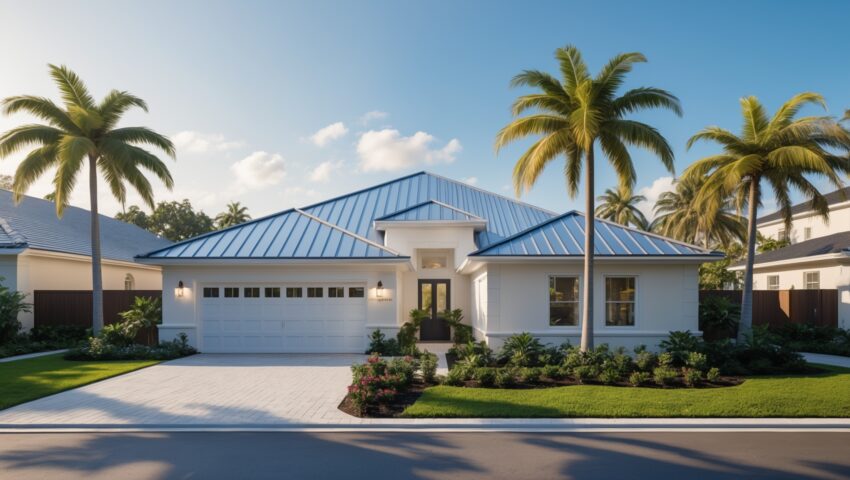
Introduction: Why Metal Roofing Is Booming in Florida & Why Insurance Matters
Florida’s unique climate, marked by intense sun, heavy rains, and hurricane threats, has driven a surge in metal roofing upgrades among homeowners. Metal roofs offer unmatched durability, energy efficiency, and storm resistance—qualities that have made them a top choice for Floridians seeking peace of mind and long-term value. However, the path from considering a metal roof to enjoying its benefits is layered with complexities, especially when it comes to insurance considerations, legal compliance, and maximizing settlement funds after storm or weather-related claims. Homeowners often underestimate the nuances of insurance policies, code requirements, and budgeting, leading to costly mistakes or missed savings opportunities. This guide provides a practical, step-by-step approach for Florida homeowners looking to upgrade to metal roofing in 2024, with a laser focus on insurance-smart strategies, compliance essentials, budget planning, and avoiding common pitfalls. Whether you’re navigating a recent settlement, seeking lower premiums, or upgrading for future storm seasons, this comprehensive resource will equip you with actionable insights tailored to Florida’s evolving roofing landscape.
Understanding Metal Roofing: Types, Benefits, and Florida Code Compliance
Types of Metal Roofing Suited for Florida Homes
Not all metal roofs are created equal. In Florida, the most popular and effective options include:
- Standing Seam Panels: Sleek, modern, and highly watertight. Ideal for hurricane-prone areas.
- Metal Shingles: Mimic traditional shingles with the resilience of metal. Good for aesthetics and HOA compliance.
- Corrugated Panels: Cost-effective but less common for residential applications due to appearance and code restrictions.
- Coated Steel, Aluminum, and Galvalume: Materials selected for corrosion resistance in salt-rich coastal zones.
Advantages for Florida Homeowners
- Storm Resistance: Metal roofs can withstand wind speeds exceeding 140 mph, meeting or exceeding Miami-Dade and Florida Building Code (FBC) standards.
- Longevity: Lifespans of 40–70 years, with minimal maintenance compared to asphalt shingles.
- Energy Efficiency: Reflective coatings reduce heat absorption, lowering cooling costs.
- Fire and Mold Resistance: Metal is non-combustible and resists mold growth, a plus in humid climates.
Florida Building Code (FBC) and Permit Essentials
Upgrading to metal roofing in Florida requires strict adherence to the FBC and local municipal codes. Key compliance points include:
- Product Approval: Only use roofing systems with Florida Product Approval or Miami-Dade NOA for wind uplift and impact resistance.
- Underlayment Requirements: Specific synthetic or peel-and-stick underlayments are mandatory for secondary water resistance.
- Fastener Patterns and Spacing: Must meet local wind zone requirements—often more stringent in coastal and high-velocity hurricane zones (HVHZ).
- Permit Process: All metal roof installations require permitting. Submissions must include engineering details, product approvals, and contractor licensing.
Insurance Considerations: Maximizing Benefits and Avoiding Traps
How Metal Roofing Impacts Insurance Premiums
Many Florida insurers offer substantial discounts for homes with code-compliant metal roofs, due to their proven storm resistance. However, to unlock these savings, homeowners must:
- Obtain a Uniform Mitigation Verification Inspection (OIR-B1-1802): This inspection verifies wind mitigation features and is often required to qualify for discounts.
- Ensure All Documentation Is Up-to-Date: Submit permits, product approval sheets, and inspection reports to your insurer promptly after project completion.
- Maintain Continuous Coverage: Notify your insurer before and after installation to avoid lapses or policy disputes.
Using Settlement Funds for a Metal Roof Upgrade
If you’ve received insurance funds after a storm or damage claim, you may be able to allocate these towards a metal roof. Best practices include:
- Confirm Scope of Loss: Review your settlement documentation to ensure it covers full replacement, including code upgrades (Ordinance & Law Coverage).
- Request Supplements if Needed: If the settlement doesn’t reflect current code-required upgrades, ask your contractor or public adjuster to submit a supplement with supporting code documentation.
- Document Every Step: Keep records of all communications, contracts, and receipts to avoid disputes during final claim reconciliation.
Insurance Traps to Avoid
- Unlicensed Contractors: Using unlicensed or uninsured installers can void both your warranty and your insurance coverage.
- Non-Compliant Materials: Skipping critical code-mandated features (like proper underlayment or fastener patterns) can lead to claim denials after future storms.
- Deferred Inspections: Failing to schedule final building inspections may prevent you from securing wind mitigation discounts.
Step-by-Step Process: From Planning to Final Inspection
1. Research and Contractor Selection
- Request at least three written quotes from state-licensed, insured roofing contractors with specific experience in metal roof installations.
- Verify credentials on the Florida Department of Business & Professional Regulation (DBPR) website.
- Review references and confirm that all proposed materials have current Florida Product Approval or Miami-Dade NOA.
2. Budgeting and Cost Breakdown
Metal roofing is an investment, but costs vary by material, profile, and installation complexity. Typical ranges for Florida in 2024:
- Materials: $4 to $7 per sq. ft. for panels; $8 to $12 for premium coated or patterned options.
- Labor: $3 to $6 per sq. ft., reflecting specialized skills and code requirements.
- Permits and Inspections: $300–$700, depending on municipality and scope.
- Removal of Old Roofing: $1 to $2 per sq. ft.; required for most re-roofs unless overlaying per code.
- Underlayment and Accessories: $0.75 to $1.50 per sq. ft.
- Total Average (2,000 sq. ft. roof): $18,000–$32,000, all-inclusive.
Plan for contingency costs (5–10%) to cover rot repairs, structural fixes, or unforeseen code upgrades.
3. Permitting and Compliance
- Work with your contractor to prepare permit applications, including engineering details, product approvals, and a site plan.
- Submit applications to your local building department. Typical wait time: 1–3 weeks.
- Post approved permits on the job site before any work begins—this is a legal requirement in all Florida jurisdictions.
4. Installation and Inspection Sequence
- Remove existing roofing, inspect decking for damage, and replace as necessary.
- Install underlayment per FBC specifications—verify with photos for documentation.
- Install metal panels or shingles, following manufacturer and code fastening patterns.
- Schedule required inspections (often mid-roof and final) with the city or county.
- Obtain signed inspection cards and final Certificate of Completion.
Insurance-Smart Upgrades: Add-Ons That Pay Off
Secondary Water Barriers
Many insurers offer additional premium reductions for enhanced secondary water barriers (e.g., peel-and-stick underlayment over entire deck). Confirm eligibility before installation.
Enhanced Fastening Systems
Upgrading to higher-rated fasteners or closer spacing than minimum code can improve hurricane resistance and may qualify for further insurance discounts.
Attic Ventilation and Insulation
Improved ventilation and insulation, installed in tandem with a new metal roof, can boost energy efficiency and contribute to eligibility for certain insurance credits.
Lightning Protection
Although metal roofs do not increase lightning strike risk, integrating a properly grounded system can offer peace of mind and may be favored by some insurers.
Common Mistakes Florida Homeowners Make—and How to Avoid Them
- Failing to Document Pre-Existing Conditions: Take detailed before-and-after photos and keep all contracts and receipts for insurance and warranty claims.
- Overlooking HOA Rules: Secure written HOA approval where required to avoid costly rework or legal disputes.
- Choosing the Cheapest Bid: Low bids may skip key code upgrades or use inferior materials, risking future damage and insurance denials.
- Not Updating Insurance Binder: Notify your insurer of the completed upgrade and submit all required documentation to activate premium discounts.
- Delaying Maintenance: Schedule annual inspections to keep warranties valid and ensure continued compliance.
Maintenance Best Practices for Longevity and Insurance Compliance
- Annual Inspections: Check for loose fasteners, rust spots, and sealant wear—especially after major storms.
- Gutter and Drainage Maintenance: Keep gutters and downspouts clear to prevent water backup and corrosion at panel edges.
- Tree Trimming: Remove overhanging branches to minimize debris impact and abrasion.
- Immediate Storm Damage Response: Document any storm-related damage quickly and file insurance claims promptly to avoid denials due to late reporting.
Case Study: Turning a Settlement into a Code-Compliant Metal Roof
Background: After a severe 2023 hailstorm, a Jacksonville homeowner received a $16,000 insurance settlement for roof replacement. The original roof was outdated asphalt shingles, and the homeowner wanted to upgrade to metal.
- Step 1: Homeowner hired a licensed roofer experienced with insurance claim documentation and code upgrades.
- Step 2: Contractor identified that the original settlement did not account for new FBC-required underlayment and fasteners. Submitted a supplement with code references, resulting in an additional $4,500 approval.
- Step 3: All required permits secured. Metal roof installed with upgraded underlayment and fasteners.
- Step 4: Uniform Mitigation Verification Inspection completed and submitted to the insurer, resulting in a 22% annual premium reduction.
- Outcome: Homeowner achieved a fully code-compliant metal roof, maximized insurance benefits, and secured long-term savings.
Conclusion: Future-Proofing Your Florida Home with Insurance-Smart Metal Roofing
Upgrading to a metal roof in Florida is more than a cosmetic improvement—it’s a strategic investment in your home’s resilience, energy efficiency, and market value. By understanding the intricate relationship between building codes, insurance policies, and material selection, you can turn a potentially daunting process into a smooth, rewarding experience. Start by choosing experienced, credentialed contractors, and ensure that every step—from permitting to final inspection—is meticulously documented. Take advantage of all available insurance discounts by scheduling wind mitigation inspections and maintaining up-to-date records with your insurer. Remember that every code-compliant upgrade not only protects your home from the next hurricane season but can also yield significant premium savings and peace of mind. Avoid shortcuts, invest in quality, and treat maintenance as an ongoing priority to preserve both your warranty and your coverage. With the right approach, your new metal roof will stand strong for decades, providing safety, savings, and lasting value for your Florida home.