

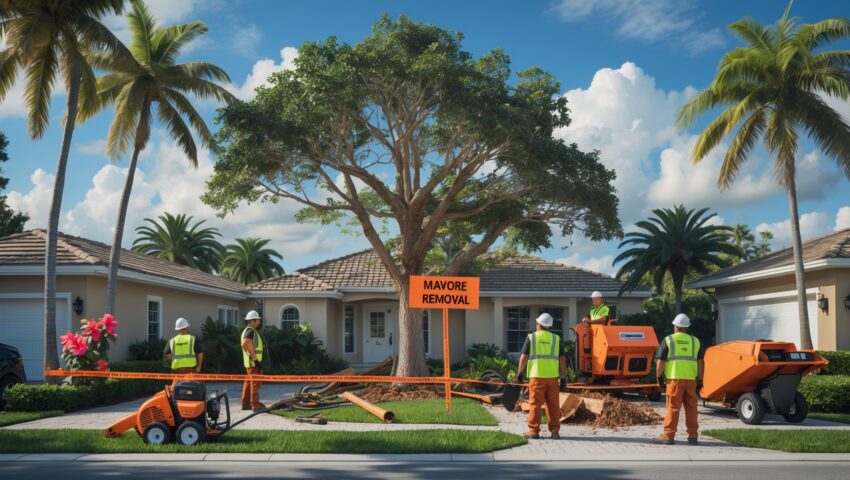
Introduction: Why Tree Removal in Florida Demands Special Attention
Florida’s lush landscapes are a point of pride for many homeowners, but those towering oaks, palms, and pines can quickly turn from assets to liabilities. The state’s frequent storms, strict local ordinances, and sensitive ecosystems mean that removing a tree isn’t as simple as firing up a chainsaw. Whether you’re clearing space for a new addition, worried about storm damage, or dealing with a diseased tree, understanding the legal, financial, and safety aspects of tree removal is critical. Permits, insurance, equipment, and local compliance all play significant roles—especially in a state where hurricanes and fast-growing vegetation are facts of life. This guide walks Florida homeowners through every step of safe and legal tree removal: from understanding local permit requirements and calculating costs, to avoiding equipment mishaps and preparing your property to withstand the next big storm. If you’re a Florida resident considering tree removal, this post is your expert roadmap to doing it right, staying compliant, and protecting your investment.
Understanding Florida’s Tree Removal Laws and Permitting Requirements
Why Permits Matter
Unlike some states, Florida’s tree removal regulations are a patchwork of statewide statutes and city or county-specific ordinances. Removing a tree without proper authorization can result in fines, stop-work orders, and even legal action—especially if protected species or heritage trees are involved.
State Law: Florida Statute 163.045
As of 2019, Florida Statute 163.045 gives homeowners some latitude: if a certified arborist or licensed landscape architect determines a tree presents a danger to persons or property, municipalities cannot require a permit for its removal. However, homeowners must obtain and retain documentation from the professional, and this law does not override HOA rules or certain local protections for specific species.
- Action step: Always get a written assessment from a certified arborist before proceeding—especially if you believe the tree is hazardous.
Local Ordinances: City and County Rules
Despite the state law, most Florida cities and counties still regulate tree removal, especially for non-hazardous or native trees. Common local requirements include:
- Permit applications: Detailing tree species, diameter at breast height (DBH), location, and reason for removal.
- Replacement or mitigation: Some municipalities require planting new trees or paying into a mitigation fund.
- Protected species: Oaks, cypresses, and native palms often require extra scrutiny and approval.
Tip: Always check with your local planning or environmental department before removing any tree. HOA and deed restrictions may also apply.
Cost Breakdown: What Florida Homeowners Can Expect to Pay
Average Costs by Tree Size and Complexity
- Small trees (under 30 feet): $150 – $500
- Medium trees (30–60 feet): $400 – $1,000
- Large trees (over 60 feet): $900 – $2,500+
Prices vary based on factors like accessibility, proximity to structures or power lines, and whether stump removal is needed. High-risk removals (such as storm-damaged or leaning trees) can push costs higher due to specialized equipment and labor.
Permit Fees and Additional Expenses
- Permit fees: $25 – $150 (varies by municipality)
- Arborist assessment: $75 – $300 per visit
- Stump grinding: $100 – $400 per stump
- Disposal/hauling: $50 – $200, depending on volume
- Mitigation/replanting: $100 – $500 per required tree (if applicable)
Get written estimates from multiple licensed tree removal companies and clarify what’s included. Beware of unusually low bids, which may indicate lack of insurance or improper disposal practices.
Step-by-Step: Legal and Safe Tree Removal in Florida
1. Assess the Tree and Document the Need
- Identify tree species (using local extension resources or an arborist).
- Document the tree’s location and condition with photos.
- If the tree is damaged or diseased, get a certified arborist’s written evaluation.
2. Verify Local Rules and Obtain Permits
- Contact your city or county planning/environmental office for permit requirements.
- If you’re in an HOA, check deed restrictions and obtain board approval.
- Submit required paperwork and pay fees. Keep all approvals on file.
3. Hire a Licensed, Insured Tree Removal Contractor
- Request copies of state license, liability insurance, and workers’ compensation insurance.
- Check for local business tax receipts or additional certifications.
- Ask for references and verify recent projects in your area.
4. Prepare the Site and Neighbor Notifications
- Clear vehicles, furniture, and valuables from the drop zone.
- Notify neighbors if removal may affect their property or access.
- Discuss access points with your contractor (gates, driveways, etc.).
5. Removal and Disposal
- Confirm that all workers wear proper safety gear (helmets, eye/ear protection, cut-resistant clothing).
- If using heavy equipment, ensure ground is protected from rutting or damage.
- Verify that all debris is properly hauled and disposed of (municipal yard waste sites, mulching, etc.).
6. Site Restoration and Mitigation
- If required, plant replacement trees or provide proof of mitigation payment.
- Repair any lawn or landscape damage from equipment.
- Keep documentation of all steps and receipts for future insurance or permit inspections.
Essential Equipment and Safety Checklist
Professional Tree Removal Tools
- Chainsaws (with safety chain brakes and sharp blades)
- Pole saws for high branches
- Cranes or bucket trucks for large or hazardous trees
- Wood chippers for onsite debris processing
- Stump grinders for below-grade removal
Personal Protective Equipment (PPE)
- Hard hats
- Eye and ear protection
- Cut-resistant gloves and chaps
- Steel-toed boots
- High-visibility vests if working near roads
Warning: Never attempt large or hazardous tree removals as a DIY project. Professionals are trained in rigging, felling, and emergency procedures. Improper handling can cause severe injury, property damage, or utility outages.
Insurance and Liability: Protecting Your Home and Finances
Homeowners Insurance Coverage
Most Florida policies cover tree removal if the tree falls due to a covered peril (windstorm, lightning, etc.) and damages a covered structure. However, routine removal, maintenance, or preventative felling is usually not covered. Check your policy for:
- Covered causes of loss
- Limits on removal costs (often $500–$1,000 per tree)
- Exclusions for diseased or neglected trees
Contractor Insurance Requirements
Always verify that your chosen contractor carries:
- General liability insurance: Protects you if your home or neighbor’s property is damaged.
- Workers’ compensation: Shields you from liability if a worker is injured on your property.
Request certificates directly from the insurer, not just the contractor.
Storm-Readiness: Proactive Tree Maintenance in Florida
Why Storm Preparation Matters
Florida’s frequent thunderstorms and hurricanes make proactive tree care essential. Even healthy trees can become hazards if branches are unbalanced or root systems weakened by soggy soils.
Storm-Readiness Checklist
- Inspect trees biannually (spring and late summer) for deadwood, cracks, or leaning trunks.
- Prune overhanging branches and remove weak limbs before hurricane season.
- Mulch and irrigate young trees to encourage strong root systems.
- Remove invasive or brittle species (like Australian pines) that are prone to windthrow.
- Keep emergency contacts for local arborists and tree services handy before major storms.
Common Mistakes to Avoid in Florida Tree Removal
- Skipping the permit or documentation process: Even if a tree looks hazardous, always document with a certified professional and retain paperwork.
- Hiring unlicensed or uninsured contractors: You risk fines, property damage, or legal liability for accidents.
- Neglecting HOA or deed restrictions: These can be stricter than city rules—violations may lead to costly corrections.
- DIY removals of large/hazardous trees: Serious injuries and property damage are common among untrained individuals.
- Improper disposal: Dumping debris in wetlands, swales, or on vacant lots can lead to environmental fines.
Case Study: Successful Tree Removal Before Hurricane Season
In 2023, a Jacksonville homeowner noticed a mature laurel oak leaning ominously toward their house. After the city’s arborist confirmed root rot, a permit was granted for removal. The homeowner hired a licensed team who used a crane to section the tree safely over two days. The project included stump grinding, debris hauling, and planting two native magnolias as replacements per city code. Total cost: $2,200. The process avoided legal headaches and, more importantly, ensured the home was protected when a Category 2 storm hit two months later—without incident.
Conclusion: Tree Removal Done Right in Florida
Florida’s environment is both beautiful and challenging—especially when it comes to tree management. From hurricane threats to ever-changing local codes, removing a tree requires more than just physical effort. It demands careful planning, legal diligence, and a commitment to safety. By securing proper permits, hiring the right professionals, and maintaining detailed records, you can avoid fines, insurance nightmares, and dangerous mishaps. Proactive tree care is not only about preserving your property’s value, but also about protecting your family, neighbors, and the broader community from storm-related hazards. Whether you’re responding to visible damage or preparing for the next hurricane season, informed, legal, and safe tree removal should be a cornerstone of your home maintenance strategy. Take the time to understand your local rules, invest in quality work, and you’ll enjoy peace of mind—rain or shine—in the Sunshine State.
If a certified arborist says a tree on my property is hazardous, how do I prove this to the city if they question my removal? What kind of documentation should I hold onto under Florida Statute 163.045, and for how long?
If a certified arborist determines your tree is hazardous, you should keep a written assessment or report from the arborist that clearly states the tree poses a danger. Under Florida Statute 163.045, retain this documentation, along with any photos or correspondence, as proof. It’s wise to keep these records for several years after removal in case the city requests verification.
Are there any specific tree species in Florida that remain protected regardless of the arborist’s recommendation, where removal might still require extra steps or even be prohibited by local ordinances?
Yes, some tree species in Florida are protected by local ordinances, even if an arborist recommends removal. Examples include certain heritage trees or native species like live oaks and cypresses, depending on your city or county. You may need special permits, extra documentation, or approval from local environmental boards before removal is allowed. Always check with your local government for a current list of protected species and specific requirements.
What are the consequences if I accidentally remove a protected or heritage tree because I misunderstood the local ordinances? Is there any way to appeal fines or reverse stop-work orders in those cases?
If you accidentally remove a protected or heritage tree, you could face fines, be required to replant trees, or receive a stop-work order. Many local governments do allow you to appeal fines or stop-work orders by providing evidence of a misunderstanding or by demonstrating corrective action. Check your city or county’s appeals process, and consider contacting their code enforcement office to discuss your situation and possible remedies.
Regarding tree removal costs, the article touched on various financial considerations but didn’t mention average price ranges. Could you give a ballpark estimate on how much homeowners typically pay for removing medium-sized versus large trees in Florida?
Homeowners in Florida can usually expect to pay between $300 and $800 for removing a medium-sized tree, depending on factors like accessibility and tree type. For large trees, the cost often ranges from $900 to $2,000 or more, especially if the tree is close to structures or requires special equipment. These are general estimates and prices can vary by location and specific circumstances.
Could you clarify what kind of documentation I need from a certified arborist to prove a tree is a danger? Does it have to be a written report, and is there a specific format cities usually require for this in Florida?
To prove a tree is a danger, cities in Florida generally require a written report from a certified arborist. This report should clearly state the arborist’s credentials, describe the tree’s hazardous condition, and explain why removal is recommended. While formats may vary by city, most accept a signed and dated letter on the arborist’s official letterhead. It’s always a good idea to check with your local permitting office for their specific requirements.
If my property is part of an HOA that has tree removal rules stricter than the city’s, but a tree was declared dangerous by a certified arborist, am I still required to follow the HOA’s process or does Florida Statute 163.045 take precedence?
Florida Statute 163.045 allows property owners to remove dangerous trees if a certified arborist has determined there is a risk, even if HOA rules are stricter. However, it’s wise to notify your HOA and provide documentation from the arborist before removal, as this can help avoid misunderstandings and keep records clear.
What kind of documentation should I keep from the arborist or landscape architect if I remove a tree for safety reasons? Is a written letter enough, or are photos and inspection reports recommended too?
When removing a tree for safety reasons, it’s best to keep thorough documentation. A written letter from the arborist or landscape architect stating the safety concern is essential. In addition, photos of the tree showing the hazard and any inspection reports or assessments are highly recommended. This combination will support your case if you need to show proof to your city, HOA, or insurance company.
After a storm damages a tree, what’s the best way to move forward quickly—should I call the city first, contact an arborist, or start with my insurance company to make sure I’m covering all my legal bases?
If a storm has damaged your tree, it’s wise to start by contacting a certified arborist to assess the situation and determine if immediate removal is needed for safety. Afterward, check with your city to see if any permits or notifications are required, especially if the tree poses a hazard. Finally, contact your insurance company to report potential claims and ensure coverage for removal or property damage.
I live in a neighborhood with a pretty strict HOA, and I know state law gives some leeway on dangerous trees. Does your guide suggest any steps for dealing with HOA rules that might conflict with Florida Statute 163.045?
Yes, the guide covers how Florida Statute 163.045 can sometimes protect homeowners when removing dangerous trees, even if your HOA has strict rules. It suggests notifying your HOA in writing, providing an arborist’s documentation of the tree’s danger, and keeping records. This helps show you’re following state law and acting in good faith, which is important if any questions come up later.