

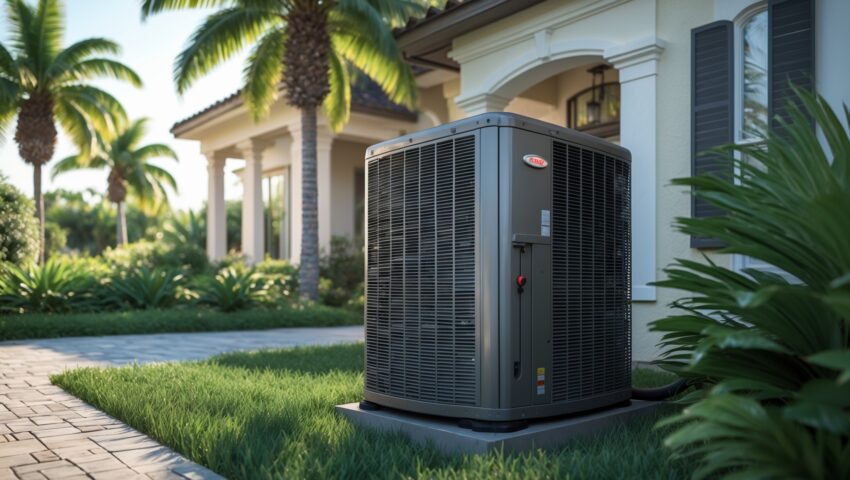
Introduction: Why HVAC Upgrades After Legal Settlements Demand Caution in Florida
For many Florida homeowners, receiving a legal settlement for home damages—whether from hurricanes, water intrusion, or insurance disputes—provides a vital opportunity to make much-needed upgrades. HVAC systems are a top priority, as efficient cooling and heating are essential in the Sunshine State’s hot, humid climate. Yet, upgrading your HVAC system with settlement funds isn’t as straightforward as writing a check to your favorite contractor. It’s a complex process involving strict building codes, unique permitting rules, and potential insurance pitfalls. Even small mistakes in planning, budgeting, or installation can lead to denied claims, failed inspections, or costly rework. This guide dives deep into the most common HVAC upgrade mistakes Florida homeowners make after legal settlements and provides step-by-step expertise to ensure your investment is safe, compliant, and optimized for comfort and cost savings.
Understanding Legal Settlement Funds: What’s Allowed—and What’s Not
Reviewing Your Settlement Agreement
Before starting any HVAC upgrade, carefully review your settlement documentation. Many agreements restrict how funds can be used, requiring repairs to be like-for-like or specifying upgrades must meet current code. Some settlements have time limits or require receipts and proof of code compliance for reimbursement. Consult your attorney or claims adjuster to clarify:
- Are funds restricted to replacement or can you upgrade to higher efficiency?
- What documentation will you need for final disbursement?
- Do you need to use approved contractors?
Allocating Funds Wisely
Don’t be tempted to invest all your settlement into a high-end HVAC system without budgeting for related costs. Permitting, ductwork repairs, electrical upgrades, and post-installation inspections are often required. A detailed cost breakdown (provided later in this guide) is essential to avoid running out of funds mid-project.
Top HVAC Upgrade Mistakes Florida Homeowners Make After Settlements
1. Skipping the Permit Process
Florida requires permits for virtually all HVAC replacements and upgrades, even if you’re simply swapping out an existing unit. Many municipalities require:
- Mechanical permits for new equipment installation
- Electrical permits if wiring is altered
- Inspection of ductwork, insulation, and condensate drains
Unpermitted work can void insurance coverage, result in code violations, and make your home difficult to sell. Always verify permit requirements with your local building department before work begins.
2. Hiring Unlicensed or Uninsured Contractors
Following a settlement, some homeowners try to save money by hiring unlicensed or underinsured HVAC installers. In Florida, this is risky and illegal. Work by unlicensed contractors:
- Can lead to denied insurance claims for future HVAC issues or related damage
- May fail to meet rigorous Florida Building Code requirements for hurricane-prone regions
- Leaves you liable for worker injuries or property damage
Always verify state licensing (check here) and require a certificate of insurance before signing any contract.
3. Overlooking SEER and Efficiency Requirements
Since January 2023, Florida requires minimum SEER2 ratings for new HVAC systems. Installing a system below code can result in failed inspections and loss of settlement reimbursement. Confirm:
- The minimum SEER2 rating for your county and system type (typically 15.0 SEER2 or above for central ACs)
- Proper equipment labeling and documentation
Upgrading to a higher-efficiency system may qualify for utility rebates or insurance discounts, but only if properly documented and permitted.
4. Ignoring Ductwork Condition and Sizing
Many homeowners focus on the HVAC unit itself and ignore the ductwork. In Florida’s humid climate, leaky or undersized ducts can cause:
- High energy bills and poor cooling performance
- Increased risk of mold growth
- Failed code inspections
Have your contractor perform a duct leakage test and recommend repairs or modifications as part of your upgrade plan.
5. Failing to Address Drainage and Condensate Issues
Condensate leaks are a leading cause of water damage claims in Florida. Building codes require specific drain line configurations, safety switches, and sometimes secondary drain pans. Cutting corners here can void your insurance and lead to costly repairs. Insist on:
- Properly sloped drain lines
- Code-compliant float switches
- Secondary drain pans where required
6. Underestimating Electrical Panel and Circuit Upgrades
Older homes may require electrical upgrades to safely power modern HVAC systems. Many settlement agreements do not account for the cost of:
- Dedicated circuits for new air handlers or heat pumps
- Electrical panel upgrades
- Dedicated disconnects and surge protection
Have a licensed electrician inspect your panel and provide a quote before committing to a new system.
Budget Breakdown: Realistic Cost Planning for Post-Settlement HVAC Upgrades
Typical Cost Components
- New HVAC System: $5,500–$12,500 (varies by size, brand, and efficiency rating)
- Permitting Fees: $150–$600
- Ductwork Repairs or Replacement: $1,000–$4,000
- Electrical Upgrades: $500–$2,500
- Drainage Improvements: $150–$800
- Labor and Disposal: $1,200–$3,000
- Post-Installation Inspection Fees: $100–$400
Always obtain itemized quotes and confirm which costs are reimbursable under your settlement.
Hidden Costs to Watch For
- Permit re-inspection fees for failed inspections
- Mold remediation if leaks or duct issues are uncovered
- Temporary cooling (portable units) during installation
Permitting and Compliance: Step-by-Step Process for Florida HVAC Upgrades
1. Pre-Installation Planning
- Obtain written scope of work from your contractor
- Ensure the contractor will handle all permit applications
- Gather documentation required by your settlement and insurer
2. Permit Application
- Submit plans and equipment specs to your local building department
- Pay permit fees (your contractor may do this on your behalf)
- Schedule pre-installation inspection if required
3. Installation
- Ensure only licensed technicians perform the work
- Confirm equipment matches permit documents
- Document all work with photos and invoices
4. Inspection and Final Documentation
- Schedule required inspections (mechanical, electrical, and possibly fire safety)
- Obtain a signed certificate of completion
- Submit all documents to your insurer or settlement administrator
Insurance and Warranty Essentials for Your New HVAC System
Updating Your Homeowner’s Policy
Inform your insurer promptly after your HVAC upgrade. Provide copies of permits, inspection reports, and equipment specifications. Ask about:
- Potential discounts for high-efficiency or storm-hardened systems
- Required endorsements for equipment valued above standard coverage limits
- Documentation needed for future claims
Registering Manufacturer Warranties
Many HVAC warranties require online registration within 30–90 days of installation. Failing to register can void coverage. Keep a digital copy of your registration confirmation and warranty terms.
Best Practices for Post-Upgrade Maintenance and Inspection
Annual Professional Maintenance
- Schedule a licensed technician to perform a full check each spring
- Replace filters at least every 1–3 months
- Clean and inspect drain lines, coils, and thermostats
Monitoring for Issues
- Watch for water leaks, mold odors, or unusual noises
- Test float switches and safety shutoffs regularly
- Keep outdoor units free of debris and vegetation
Documenting Maintenance
Maintain a digital log of all maintenance and repairs, including dates, invoices, and technician details. This record may be required for future insurance or warranty claims.
Case Study: Avoiding Costly Errors—A Real Florida Homeowner’s Experience
Background: After a hurricane settlement, a Tampa homeowner upgraded to a high-efficiency heat pump but skipped ductwork repairs and failed to obtain proper permits.
Problems Faced:
- Failed inspection due to leaky ductwork—required $2,500 in additional repairs
- Insurance denied coverage for a subsequent water leak, citing unpermitted installation
- Manufacturer warranty voided due to missing documentation
Resolution: The homeowner had to reapply for permits, pay for a second installation inspection, and ultimately spent $4,000 more than budgeted. After correcting these errors and providing full documentation, insurance and warranty coverage were reinstated.
Safety Checklist for a Successful, Code-Compliant HVAC Upgrade
- Verify contractor licensing and insurance
- Obtain all required permits before work begins
- Ensure new equipment meets Florida’s SEER2 efficiency standards
- Inspect and repair ductwork as needed
- Install and test safety switches on drain lines
- Upgrade electrical panel/circuits if required
- Schedule all mandatory inspections
- Document every step with photos and receipts
- Register warranties immediately after installation
- Update your homeowner’s insurance with new system details
Conclusion: Protect Your Settlement and Your Comfort
Upgrading your HVAC system after a legal settlement in Florida is an opportunity to boost your home’s comfort, efficiency, and value. But it’s also a process filled with potential pitfalls. Skipping permits, cutting corners on ductwork, or hiring unlicensed contractors can quickly turn your settlement windfall into a financial headache—jeopardizing insurance coverage, home safety, and warranty protection. By understanding the requirements of your settlement agreement, budgeting for all related expenses, and following Florida’s strict permitting rules, you can avoid the most common and costly mistakes. Prioritize working only with licensed, insured professionals who will handle permits, inspections, and documentation. Don’t neglect post-upgrade maintenance; a little diligence now will protect your investment for years to come. Remember, your insurance company and future buyers will demand proof that your upgrade was done right. By following the steps and best practices outlined in this guide, you’ll ensure your new HVAC system delivers comfort, savings, and peace of mind for your Florida home—without any unwelcome surprises.